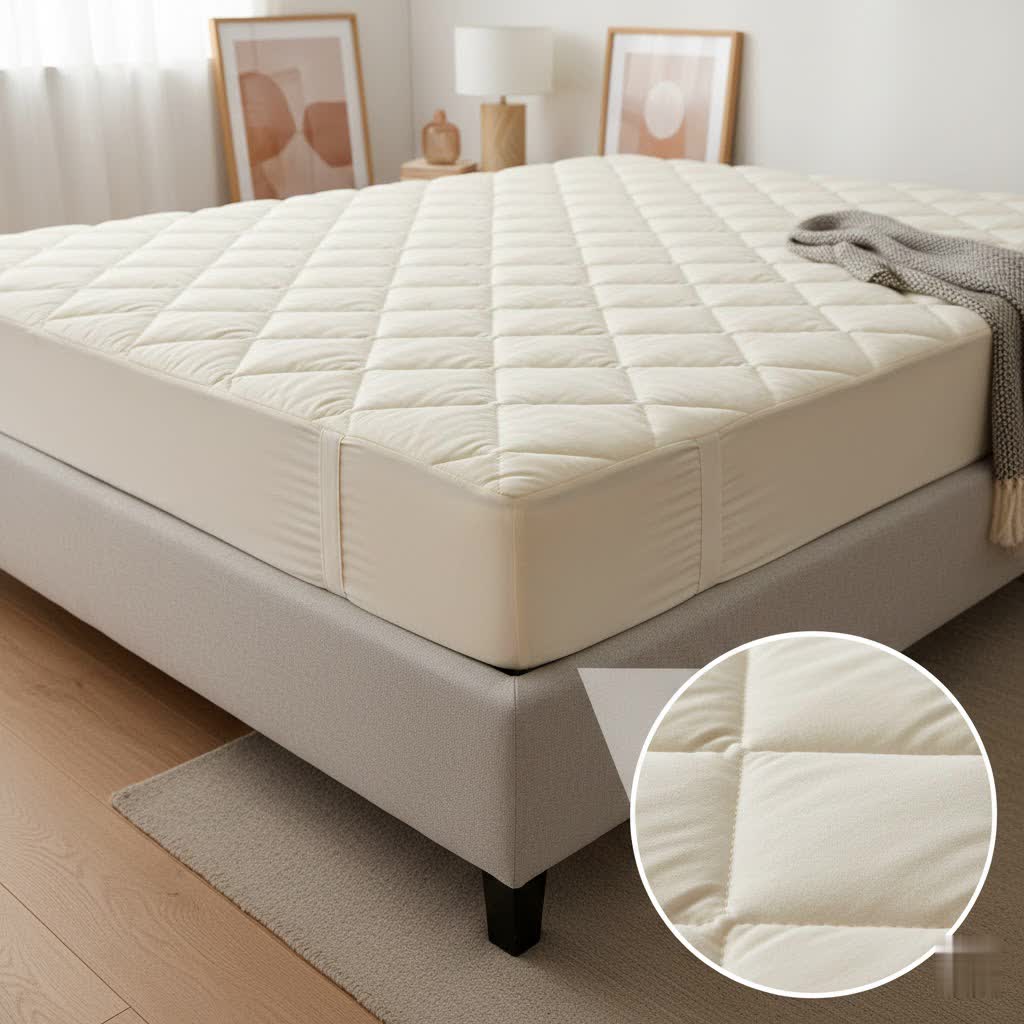
Waking up with aches and pains in your hips or shoulders can turn your morning into a struggle. If you’re a side sleeper, you’re not alone in experiencing these discomforts, often a result of your mattress not providing the right support. A quality mattress topper can be a game-changer, transforming an unsupportive bed into a plush haven that cradles your body and promotes proper spinal alignment. This comprehensive guide will walk you through everything you need to know to choose the perfect mattress topper to finally achieve the restful sleep you deserve.
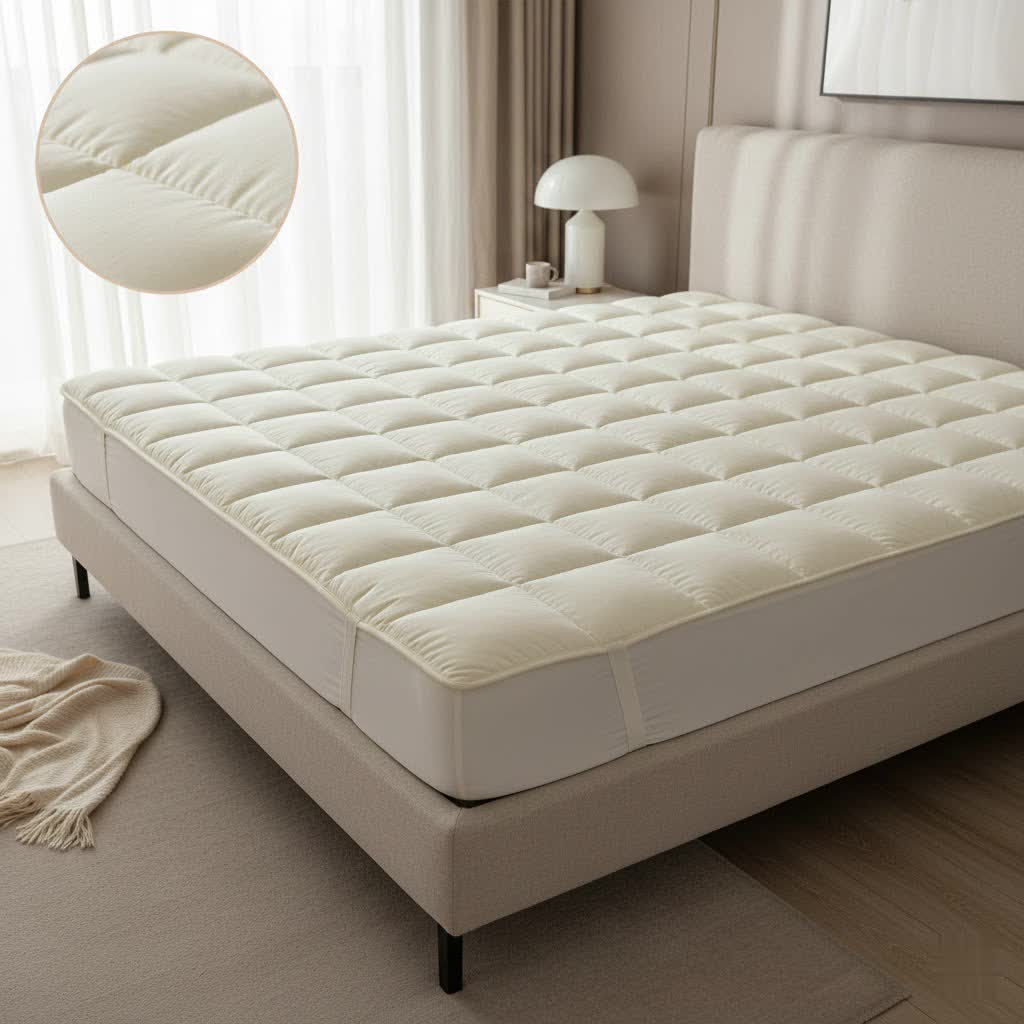
Understanding Mattress Toppers for Side Sleepers
For side sleepers, the body’s weight is concentrated on narrower areas like the shoulders and hips. Without adequate cushioning and support, these pressure points can sink too far or not enough, leading to misalignment of the spine and subsequent pain. A mattress topper acts as an additional comfort layer, designed to alleviate pressure, enhance the feel of your existing mattress, and ensure your spine remains naturally aligned throughout the night. It’s an investment in your sleep health, offering a cost-effective alternative to replacing an entire mattress.
Why Side Sleepers Need Specific Toppers
|
Our Picks for the Best Mattress Topper in 2026
We may earn a commission when you use one of our links to make a purchase.
|
||
| Num | Product | Action |
|---|---|---|
| 1 | EASELAND Queen Size Mattress Pad Pillow Top Mattress Cover Quilted Fitted Mattress Protector Cotton Top Stretches up 8-21" Deep Pocket Cooling Mattress Topper (60x80 inch, White) |

|
| 2 | SINWEEK 2 Inch Gel Memory Foam Mattress Topper Ventilated Soft Pressure Relieve Mattress Pad, Breathable Bed Topper, CertiPUR-US Certified, Twin Size |
|
| 3 | 4 Inch Memory Foam Mattress Topper, Cooling Extra Thick 2000 GSM Pillow Top Mattress Pad for Back Pain Relief,Soft Breathable Mattress Cover for Fluffy Shredded Memory Foam Filled,(King,78“x80”) |
|
| 4 | 2 Inch Thick Mattress Topper Queen - Viscose Made from Bamboo Pillow Top Memory Foam Mattress Pad for Back Pain, Ultra Soft & Cooling for Hot Sleepers, 6-18'' Deep Pocket, Green |
|
| 5 | 3 Inch Ultra-Fluffy Memory Foam Mattress Topper Queen for Back Pain, Soft Comfy Pillow Top Queen Mattress Topper with 4X Support, Mattress Pad with Breathable Air Mesh Sides, 6-21'' Deep Pocket |
|
| 6 | LINENSPA Memory Foam Mattress Topper - 3 Inch Gel Infused Memory Foam - Plush Feel - Cooling and Pressure Relieving - CertiPUR Certified - Dorm Room Essentials - Queen Size |
|
| 7 | 5 Inch Mega Support Memory Foam Queen Mattress Topper for Pressure Relief, Dual Layer 2.5" Pillow Top Mattress Topper Queen Plus 2.5" Cooling Gel Infused Memory Foam Mattress Pad |
|
| 8 | LINENSPA Memory Foam Mattress Topper - 2 Inch Gel Infused Memory Foam - Plush Feel - Cooling and Pressure Relieving - CertiPUR Certified - Dorm Room Essentials - Queen Size |
|
| 9 | 4 Inch Memory Foam Mattress Topper - Extra Thick 2000 GSM Pillow Top Mattress Topper Body-Contouring Support for Back Pain Relief,Breathable Cover with 6"-18" Deep Pocket (Queen,60"x80") |
|
| 10 | Dual Layer 4 Inch Memory Foam Mattress Topper King Size, 2" Cooling Gel Memory Foam & 2" Pillow Top, Mattress Pad Cover for Back Pain Relief, CertiPUR-US Certified, Deep Pocket Fits 21", White |
|
Side sleepers require a sleep surface that is soft enough to allow their shoulders and hips to gently sink in, relieving pressure on these joints. However, it also needs to be supportive enough to prevent them from sinking too far, which would cause the spine to curve unnaturally. The goal is a balanced feel that conforms to the body’s curves, filling the gaps around the waist and maintaining a straight line from head to tailbone.
Key Factors When Choosing a Mattress Topper for Side Sleepers
Selecting the right mattress topper involves understanding how different features cater to the unique needs of side sleepers. Consider these critical aspects before making your choice.
Material Matters
The material of your mattress topper significantly impacts its feel, support, and durability. Each type offers distinct benefits for side sleepers.
- Memory Foam: Known for its exceptional body-contouring properties, memory foam cradles the shoulders and hips, providing superb pressure relief. It adapts to your body’s shape, distributing weight evenly. Traditional memory foam can sometimes retain heat, so look for options infused with gel, copper, or graphite, or those with open-cell structures for enhanced cooling.
- Latex: Offering a more responsive and buoyant feel than memory foam, latex is excellent for pressure relief without the “stuck” sensation. It’s naturally breathable, durable, and often comes from organic or natural sources, making it a good choice for those with allergies or environmental concerns. Latex provides a supportive lift that helps maintain spinal alignment.
- Polyfoam: Similar to memory foam in its cushioning, polyfoam typically offers less deep contouring but can be more breathable. It’s often a more budget-friendly option, providing a comfortable top layer.
- Down/Feather/Wool: These materials offer a plush, cloud-like softness, adding a luxurious feel to your bed. They are generally breathable but provide less targeted pressure relief and support for spinal alignment compared to foam or latex. They are best suited for those whose existing mattress already offers good support but needs an extra layer of soft cushioning.
Ideal Thickness
For side sleepers, mattress toppers typically range from 2 to 4 inches in thickness.
- 2-3 inches: This range is often sufficient for adding a noticeable layer of softness and pressure relief without drastically altering the feel of your existing mattress. It’s good for mattresses that are only slightly too firm.
- 3-4 inches: Thicker toppers provide more substantial cushioning and a deeper sink, which can be ideal for heavier side sleepers or those whose mattress is significantly firm. However, ensure it doesn’t cause excessive sinkage, which could throw off spinal alignment.
Firmness Level
Generally, side sleepers benefit most from a medium-soft to medium firmness level in a mattress topper. This allows the hips and shoulders to sink comfortably while still providing adequate support to keep the spine straight. A topper that is too firm will negate the pressure-relieving benefits, while one that is too soft might lead to excessive sinkage and poor spinal alignment, especially for heavier individuals.
Pressure Relief
This is paramount for side sleepers. The best toppers will distribute your body weight evenly, reducing the intense pressure on your hips and shoulders that can lead to pain and discomfort. Materials like memory foam and latex excel in providing this crucial support.
Cooling Properties
Many side sleepers find themselves overheating, particularly with traditional memory foam. Look for toppers with cooling technologies such as gel infusions, copper, graphite, or naturally breathable materials like latex or wool. These features help dissipate heat and maintain a comfortable sleeping temperature throughout the night.
Certifications
For peace of mind regarding material safety and environmental impact, look for certifications such as CertiPUR-US for foams (ensuring low VOC emissions and absence of harmful chemicals) and Oeko-Tex Standard 100 (certifying textiles are free from harmful substances). Organic latex and cotton options may also carry GOTS or GOLS certifications.
Comparing Popular Mattress Topper Materials for Side Sleepers
Understanding the differences between materials can help you pinpoint the best option for your unique sleep needs.
| Feature | Memory Foam | Latex | Down/Feather/Wool |
|---|---|---|---|
| Pressure Relief | Excellent (deep contouring) | Very Good (responsive contouring) | Low (primarily cushioning) |
| Contouring | High (molds closely to body) | Medium-High (bounces back quickly) | Low (soft, cloud-like feel) |
| Breathability | Low (can retain heat, look for cooling infusions) | High (naturally breathable, often ventilated) | High (naturally breathable) |
| Durability | Medium (can sag over time) | High (very resilient) | Medium (can clump, requires fluffing) |
| Price | Medium | High | Medium-High |
| Spinal Support | Good | Good | Low |
| Motion Isolation | Excellent | Good | Low |
Top Mattress Topper Considerations for Side Sleepers
Finding the best topper involves matching its properties to your specific needs, whether it’s battling pain, seeking a plush feel, or needing an organic option.
- For Overall Comfort and Pressure Relief: Look for high-density memory foam toppers with a medium-soft feel. These will provide the deep contouring necessary to cushion your hips and shoulders effectively. Gel-infused options are recommended for temperature regulation.
- For Cooling and Responsiveness: Latex mattress toppers, especially those made from Talalay latex, offer superior breathability and a buoyant feel that prevents you from sinking too far. Their natural properties help regulate temperature and keep you cool.
- For Hip or Shoulder Pain: A topper specifically designed for pressure point relief, often featuring a medium-firm memory foam or a supportive latex, can target these areas. The goal is to allow just enough sinkage to alleviate pressure without compromising spinal alignment.
- For an Organic Choice: Organic latex toppers, often paired with organic cotton covers and wool, provide a non-toxic sleep surface. They offer excellent support and breathability while being environmentally friendly and hypoallergenic.
“Side sleepers particularly benefit from materials that conform to their body’s curves, ensuring the spine stays aligned. Memory foam and latex are often highly recommended for their ability to provide both comfort and crucial support.” – Dr. Raj Dasgupta, MD, Chief Medical Advisor at Sleepopolis.
Tips for Side Sleepers to Enhance Comfort
Beyond choosing the right mattress topper, a few simple adjustments to your sleep routine can significantly improve your comfort and spinal health.
Pillow Choice
A supportive pillow is just as vital as your mattress topper. When sleeping on your side, your pillow needs to fill the gap between your head and the mattress, keeping your neck aligned with the rest of your spine. Look for a thicker, firmer pillow specifically designed for side sleepers, often made of memory foam or latex, to prevent neck strain.
Pillow Between Your Knees
Placing a firm pillow between your knees can work wonders for hip and lower back alignment. This simple trick prevents your top leg from pulling your spine out of alignment, reducing pressure on your hips and alleviating lower back pain. Ensure the pillow extends from your knees to your ankles for optimal support.
Sleep on the Left Side
Some studies suggest that sleeping on your left side can offer additional health benefits, including improved digestion, reduced heartburn, and better circulation. While personal comfort is key, if you find yourself equally comfortable on both sides, consider favoring your left.
Maintenance and Care for Your Mattress Topper
To maximize the lifespan and effectiveness of your mattress topper, proper care is essential.
- Regular Cleaning: Most toppers come with removable, washable covers. Follow the manufacturer’s instructions for cleaning. For toppers without a removable cover, spot clean spills immediately with a mild detergent and allow them to air dry completely to prevent mold and mildew.
- Rotation: Rotate your topper every few months (head-to-foot) to ensure even wear and prevent impressions from forming in specific areas.
- Protection: Using a mattress protector over your topper adds an extra layer of defense against spills, allergens, and dust mites, keeping your sleep surface hygienic.
- When to Replace: Even the best mattress toppers have a lifespan. Generally, memory foam and polyfoam toppers last 3-5 years, while high-quality latex toppers can last 5-10 years or more. If you notice persistent sagging, reduced support, or a change in comfort, it’s likely time for a replacement.
Conclusion
Choosing the ideal Mattress Topper For Side Sleepers is a significant step towards unlocking deeper, more restorative sleep. By focusing on materials that offer superior pressure relief and spinal alignment, such as memory foam and latex, and considering factors like thickness and cooling properties, you can transform your bed into a personalized comfort zone. Remember to also integrate supportive pillows and proper sleeping postures to further enhance your sleep health. Don’t settle for restless nights; empower yourself to select a mattress topper that truly caters to your unique needs as a side sleeper. What improvements are you hoping to experience with your new mattress topper?
Frequently Asked Questions
How thick should a mattress topper for side sleepers be?
Mattress toppers for side sleepers should typically be between two to four inches thick. A thicker topper (3-4 inches) generally provides more cushioning and can be beneficial for those seeking a softer feel or for heavier individuals, while a 2-inch topper offers a lighter enhancement.
What is the best cooling material for a mattress topper?
Latex foam is often considered the best cooling material for a mattress topper due to its naturally breathable and open-cell structure. Gel-infused memory foam and wool also offer excellent temperature regulation, helping to dissipate heat and keep you cool.
Should side sleepers use memory foam?
Yes, memory foam is an excellent choice for side sleepers because of its ability to contour closely to the body, providing exceptional pressure relief for sensitive areas like the hips and shoulders. Look for memory foam toppers with cooling features to prevent heat retention.