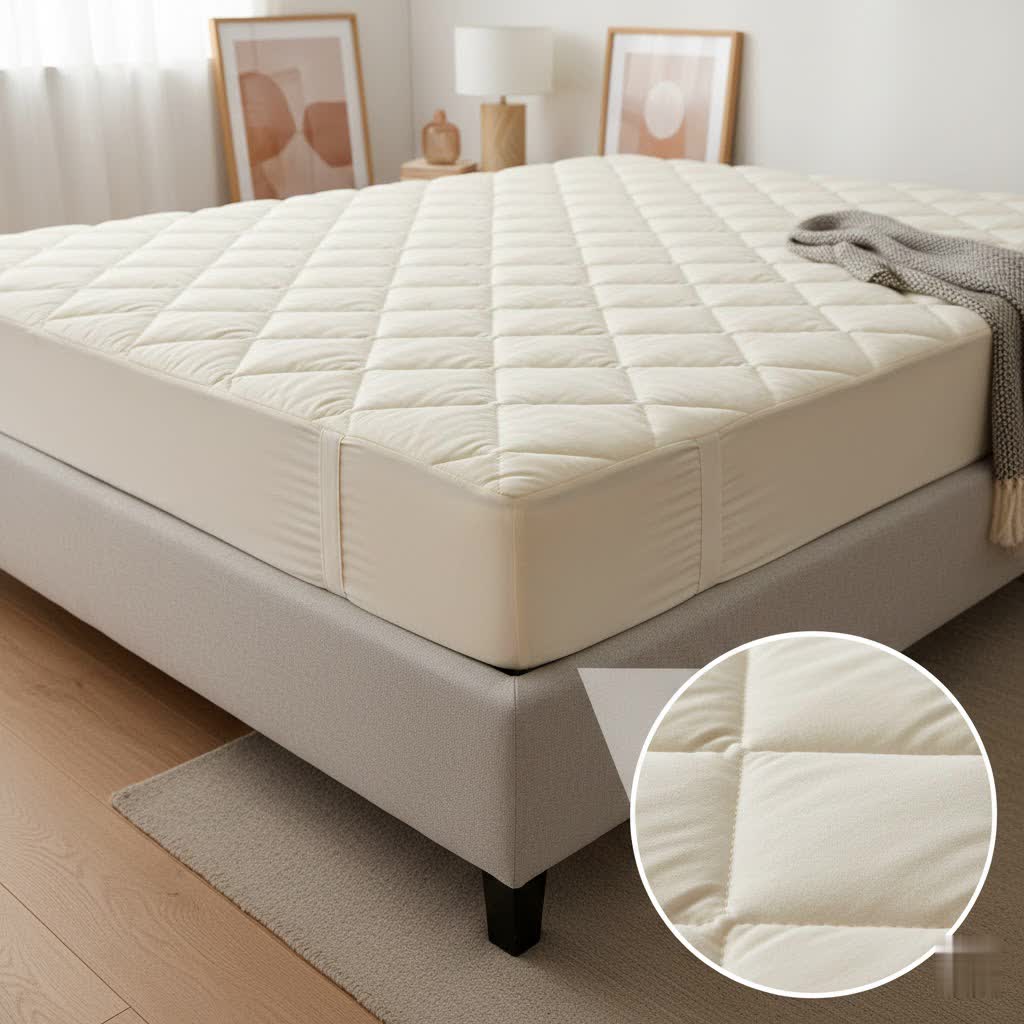
Waking up with a stiff, aching back can set a negative tone for your entire day, turning what should be a restful experience into a nightly struggle. Often, the culprit isn’t necessarily a new injury, but rather an unsupportive or aged mattress that fails to provide your spine with the essential alignment and pressure relief it needs. While a brand-new mattress might seem like the obvious solution, it’s often a significant and costly investment. This is where a high-quality mattress topper for back pain comes into play. It offers an effective, more affordable alternative, revitalizing your existing bed and providing that crucial balance of comfort and support to help you achieve restorative sleep. In this comprehensive guide, we’ll delve into everything you need to know about choosing the perfect mattress topper to alleviate your back pain, ensuring you wake up feeling refreshed and ready to tackle the day.
Understanding Mattress Toppers and Their Role in Back Pain Relief
A mattress topper is a removable layer designed to sit directly on top of your existing mattress, adding an extra dimension of comfort, support, and sometimes even temperature regulation. It’s important to distinguish it from a mattress pad or protector; while pads offer minimal cushioning and protectors primarily guard against spills and allergens, a topper is specifically engineered to significantly alter the feel and support of your sleep surface.
For individuals suffering from back pain, a well-chosen mattress topper can be a game-changer. It works by addressing key factors contributing to discomfort:
- Spinal Alignment: The primary goal is to maintain a neutral spine, preventing it from sagging or arching unnaturally. A good topper fills the gaps between your body and the mattress, especially in the lumbar region, ensuring your spine stays properly aligned throughout the night.
- Pressure Point Relief: An overly firm mattress can create painful pressure points on your hips, shoulders, and lower back, while a too-soft mattress allows your body to sink excessively. Toppers contour to your body’s unique curves, distributing weight more evenly and cushioning these sensitive areas.
- Even Weight Distribution: By evenly distributing your body weight, toppers reduce concentrated stress on specific areas, alleviating muscle strain and discomfort.
The “just right” feeling is paramount. This means finding a topper that offers enough cushioning to cradle your body without allowing it to sink too far, combined with sufficient support to keep your spine in a healthy, neutral position. It’s about smart support, not just adding softness, and this thoughtful layer can transform an uncomfortable bed into a sanctuary of relief.
Types of Mattress Toppers: Pros and Cons for Back Pain
When seeking relief from back pain, the material of your mattress topper is a critical consideration. Each type offers distinct benefits and drawbacks:
Memory Foam Mattress Toppers
Memory foam is renowned for its signature body-conforming properties. It reacts to your body heat and pressure, molding precisely to your unique shape.
- Pros:
- Exceptional Pressure Relief: Its ability to cradle the body makes it excellent for alleviating pressure points in the hips, shoulders, and lower back.
- Spinal Alignment: By conforming closely, it supports the natural curves of your spine, promoting better alignment.
- Motion Isolation: Memory foam absorbs movement effectively, making it a great choice for couples as it minimizes disturbances from a restless partner.
- Cons:
- Heat Retention: Traditional memory foam can trap body heat, which might be uncomfortable for hot sleepers. However, many modern toppers incorporate cooling technologies like gel infusions, graphite, or open-cell designs to mitigate this issue.
- “Stuck” Feeling: Some users describe a sensation of sinking in or feeling “stuck,” which can make changing sleeping positions more difficult. Newer, more responsive foams aim to reduce this.
|
Our Picks for the Best Mattress Topper in 2026
We may earn a commission when you use one of our links to make a purchase.
|
||
| Num | Product | Action |
|---|---|---|
| 1 | 4 Inch Memory Foam Mattress Topper - Extra Thick 2000 GSM Pillow Top Mattress Topper Body-Contouring Support for Back Pain Relief,Breathable Cover with 6"-18" Deep Pocket (Queen,60"x80") |

|
| 2 | 4 Inch Memory Foam Mattress Topper, Cooling Extra Thick 2000 GSM Pillow Top Mattress Pad for Back Pain Relief,Soft Breathable Mattress Cover for Fluffy Shredded Memory Foam Filled,(King,78“x80”) |
|
| 3 | 2 Inch Thick Mattress Topper Queen - Viscose Made from Bamboo Pillow Top Memory Foam Mattress Pad for Back Pain, Ultra Soft & Cooling for Hot Sleepers, 6-18'' Deep Pocket, Green |
|
| 4 | LINENSPA Memory Foam Mattress Topper - 2 Inch Gel Infused Memory Foam - Plush Feel - Cooling and Pressure Relieving - CertiPUR Certified - Dorm Room Essentials - Queen Size |
|
| 5 | LINENSPA Memory Foam Mattress Topper - 3 Inch Gel Infused Memory Foam - Plush Feel - Cooling and Pressure Relieving - CertiPUR Certified - Dorm Room Essentials - Queen Size |
|
| 6 | 5 Inch Mega Support Memory Foam Queen Mattress Topper for Pressure Relief, Dual Layer 2.5" Pillow Top Mattress Topper Queen Plus 2.5" Cooling Gel Infused Memory Foam Mattress Pad |
|
| 7 | EASELAND Queen Size Mattress Pad Pillow Top Mattress Cover Quilted Fitted Mattress Protector Cotton Top Stretches up 8-21" Deep Pocket Cooling Mattress Topper (60x80 inch, White) |
|
| 8 | 3 Inch Ultra-Fluffy Memory Foam Mattress Topper Queen for Back Pain, Soft Comfy Pillow Top Queen Mattress Topper with 4X Support, Mattress Pad with Breathable Air Mesh Sides, 6-21'' Deep Pocket |
|
| 9 | Dual Layer 4 Inch Memory Foam Mattress Topper King Size, 2" Cooling Gel Memory Foam & 2" Pillow Top, Mattress Pad Cover for Back Pain Relief, CertiPUR-US Certified, Deep Pocket Fits 21", White |
|
| 10 | SINWEEK 2 Inch Gel Memory Foam Mattress Topper Ventilated Soft Pressure Relieve Mattress Pad, Breathable Bed Topper, CertiPUR-US Certified, Twin Size |
|
Latex (Natural & Organic) Mattress Toppers
Latex toppers, particularly those made from natural or organic latex, offer a unique blend of support and responsiveness derived from rubber trees.
- Pros:
- Responsive Support: Latex provides a buoyant, “push-back” feel that supports your body without excessive sinking, making it easier to move. This is excellent for maintaining spinal alignment.
- Breathability: Natural latex is inherently more breathable than many synthetic foams, helping to regulate temperature and keep you cool.
- Durability: Latex is known for its exceptional longevity and resilience, maintaining its shape and support for many years.
- Hypoallergenic: Natural latex is resistant to dust mites, mold, and mildew, making it a good choice for allergy sufferers.
- Cons:
- Price: High-quality natural or organic latex toppers are typically more expensive than other types.
- Weight: Latex toppers can be quite heavy and challenging to move.
- Motion Transfer: While generally good, some latex can have more bounce than memory foam, potentially leading to slightly more motion transfer.
Down and Down Alternative Mattress Toppers
These toppers are known for their plush, cloud-like softness, providing a luxurious feel.
- Pros:
- Exceptional Softness: They offer a soft, cushiony layer, ideal for adding a touch of plushness to an overly firm mattress.
- Lightweight and Breathable: Often lighter and more breathable than dense foams.
- Hypoallergenic Options: Down alternative fillers are excellent for those with allergies to natural feathers.
- Cons:
- Less Support: They offer minimal therapeutic support for spinal alignment, making them less ideal for significant back pain where structural support is needed.
- Flattens Over Time: Feather or fiber fills can compress and flatten, requiring frequent fluffing to maintain their loft and comfort.
- Maintenance: Can be more difficult to clean and may require professional care.
Hybrid and Other Materials
Some toppers combine different materials to leverage their individual strengths. For example, gel-infused polyfoam can offer a budget-friendly option with some cooling properties, though typically less durable than memory foam or latex. Microcoil toppers offer responsive support similar to innerspring mattresses.
How to Choose the Perfect Mattress Topper for Your Back Pain
Selecting the right mattress topper requires careful consideration of your individual needs, preferences, and existing sleep setup. Here’s a detailed guide to help you make an informed decision:
Identify Your Specific Needs
Before anything else, understand what you need the topper to achieve.
- Current Mattress Issue: Is your current mattress too firm, causing pressure points? Or is it too soft, leading to hip sagging? A topper can adjust the feel, but remember, it won’t magically fix a severely sagging or deeply worn-out mattress. A soft mattress will benefit from a firmer topper, while a firm mattress might need a softer, more cushioning layer.
- Desired Feel: Do you crave a plush, sinking sensation, or do you prefer a more responsive, “on-top-of-the-bed” feel?
- Budget and Allergies: Determine your budget range, and if you have allergies, prioritize hypoallergenic materials like natural latex or down alternative.
Firmness Level is Key
For most individuals experiencing back pain, a medium-firm to firm mattress topper is often recommended. This range strikes the ideal balance, providing robust support to keep your spine aligned without being so rigid that it creates new pressure points.
- A topper that is too soft allows your hips to sink excessively, disrupting spinal alignment and potentially worsening pain.
- One that is overly firm might not contour enough, leading to tension and discomfort in areas like your lower back and shoulders.
Finding the right firmness ensures your body is properly supported, allowing muscles to relax and your spine to maintain its natural curve.
Consider Your Sleeping Position
Your preferred sleeping position significantly influences the type and firmness of topper that will best support your back.
- Back Sleepers: Typically benefit from a medium-firm topper, ideally 2-3 inches thick. This provides ample support for the lumbar region, maintaining the natural curve of the spine and preventing lower back strain.
- Side Sleepers: Need more cushioning for their hips and shoulders to alleviate pressure points, while still keeping the spine straight. A medium-firm to slightly softer topper, around 3-4 inches thick, is often ideal.
- Stomach Sleepers: Generally require a thinner, firmer topper, typically 1-2 inches, to prevent their pelvis from sinking too deeply into the bed. This helps avoid hyperextension of the lower back and keeps the spine in a neutral position.
Thickness Matters
The thickness of your mattress topper plays a crucial role in its overall impact on your bed’s feel and support.
- Thin Toppers (1-2 inches): Best for minor adjustments to firmness or adding a slight layer of cushioning. Ideal for stomach sleepers who need minimal sinkage.
- Medium Toppers (2-3 inches): The sweet spot for many, offering a good balance of comfort and support. Suitable for back sleepers.
- Thick Toppers (3-4 inches): Provide substantial cushioning and support, often recommended for side sleepers or if your existing mattress is quite soft and needs more robust support.
Body Weight Considerations
Your body weight influences how much a topper compresses and, therefore, the level of support you’ll experience.
- Lighter Individuals (under 130 lbs): May find firmer, thicker toppers too rigid and could benefit from slightly softer or thinner options to allow for enough contouring and pressure relief.
- Average Individuals (130-230 lbs): The most common range, often benefiting from medium-firm toppers around 2-3 inches thick.
- Heavier Individuals (over 230 lbs): Typically require firmer and thicker toppers (3-4 inches or more) to prevent them from sinking straight through to the mattress below, ensuring adequate support and spinal alignment.
Cooling Features
Overheating during sleep can disrupt your rest and exacerbate discomfort. If you tend to sleep hot, prioritize toppers with cooling properties:
- Gel-Infused or Graphite-Infused Memory Foam: These materials help draw heat away from the body.
- Open-Cell Memory Foam: Designed with a more porous structure to improve airflow.
- Natural Latex: Naturally breathable and doesn’t trap heat as much as traditional memory foam.
- Breathable Covers: Toppers with covers made from organic cotton or other breathable fabrics can also enhance cooling.
Certifications for Peace of Mind
For those concerned about chemical exposure or seeking eco-friendly options, look for mattress toppers with reputable certifications:
- CertiPUR-US: This certification ensures that flexible polyurethane foams meet rigorous standards for content, emissions, and durability. It verifies that the foam is made without ozone depleters, certain flame retardants, mercury, lead, heavy metals, formaldehyde, and phthalates, and has low VOC (Volatile Organic Compound) emissions for indoor air quality.
- OEKO-TEX Standard 100: An international certification system for textiles, ensuring products have been tested for harmful substances and are harmless to human health. This applies to all components, from the fabric cover to the threads and zippers.
- GOLS (Global Organic Latex Standard): Certifies natural rubber latex, ensuring it meets organic content and processing standards.
- GOTS (Global Organic Textile Standard): Certifies organic fibers like cotton and wool, ensuring they are sustainably harvested and free from toxic chemicals.
These certifications offer assurance that you’re investing in a product that meets specific health, safety, and environmental standards.
Comparison of Popular Mattress Topper Types for Back Pain
To help you visualize the differences, here’s a detailed comparison of the most common mattress topper materials:
| Feature | Memory Foam | Latex | Down / Down Alternative | Synthetic Fibers (Polyfoam) |
|---|---|---|---|---|
| Firmness | Medium-Soft to Medium-Firm | Medium-Firm to Firm | Soft | Soft to Medium |
| Support | Excellent (Contouring) | Excellent (Responsive) | Poor to Fair | Fair |
| Pressure Relief | Very High | High | Moderate | Moderate |
| Spinal Alignment | Very Good | Very Good | Limited | Limited |
| Breathability | Low to Moderate (can be improved with cooling tech) | High | High | Moderate |
| Durability | Moderate | Very High | Low to Moderate | Low |
| Motion Isolation | Very High | High | Moderate | Moderate |
| Price | Medium | High | Low to Medium | Low |
| Noise | Silent | Silent | Can be crinkly | Silent |
| Allergy Friendly | Generally, if CertiPUR-US | Yes (natural latex) | No (down), Yes (down alt.) | Generally |
Top Mattress Toppers for Back Pain Currently Praised
While personal preference always plays a role, several mattress toppers consistently receive high marks for their effectiveness in alleviating back pain. Based on expert reviews and user feedback, here are a few examples that demonstrate the range of excellent options available:
-
Saatva Graphite Memory Foam Topper: Often praised as an excellent overall choice for back pain, this topper combines supportive, pressure-relieving memory foam with graphite infusions for cooling. It provides a balanced feel that cradles pressure points like the lower back, hips, and shoulders while maintaining spinal alignment. It’s particularly favored by back and side sleepers seeking both comfort and firm support.
-
Brooklyn Bedding 3″ Latex Topper: For those who prefer the responsive feel of latex, this topper offers firm, buoyant support. Made with Talalay latex, it’s naturally breathable and durable. It provides a significant boost to spinal alignment and is an excellent option if your existing mattress is too soft and needs added firmness without feeling rigid. It allows for easy movement, which is a plus for combination sleepers.
-
ViscoSoft Active Cooling Copper Topper: This memory foam topper stands out for hot sleepers with back pain. It uses copper-infused memory foam and a breathable design to dissipate heat effectively, ensuring a cooler night’s sleep. Despite its plush feel, it still delivers substantial support to help align the spine and reduce tension, making it a great option for those who need contouring relief without overheating.
These examples illustrate that the “best” topper depends on your specific needs, whether it’s cooling, responsive bounce, or deep contouring. Many brands offer trial periods, allowing you to test a topper in your own home to ensure it’s the right fit for your body and your pain.
Maximizing the Lifespan of Your Mattress Topper: Usage and Care Tips
Investing in a high-quality mattress topper is a step towards better sleep and reduced back pain, and proper care will ensure it serves you well for years to come.
- Read Manufacturer’s Instructions: Always start by checking the specific care instructions provided by the manufacturer. Cleaning methods can vary significantly between materials.
- Spot Clean for Spills: For small spills or stains, gently blot the area with a mild detergent and water solution. Avoid saturating the topper.
- Use a Mattress Protector: Placing a good quality, waterproof mattress protector over your topper is the best defense against spills, sweat, allergens, and dust mites. This not only keeps your topper clean but also helps prolong its life and keeps it hygienic.
- Regular Airaing: If possible, periodically remove your bedding and allow the topper to air out for a few hours. This helps dissipate moisture and keeps it fresh.
- Rotate and Flip (if applicable): Some toppers can be rotated head-to-foot every few months to promote even wear. Some designs may even allow for flipping, though many are designed for a single orientation. Check the manufacturer’s guidelines.
- Vacuuming: Occasionally, you can gently vacuum the surface of your topper to remove dust and debris, especially for down or down alternative types.
- Avoid Harsh Chemicals: Do not use strong chemical cleaners, bleach, or put foam or latex toppers in a washing machine or dryer, as this can damage the material and void warranties.
- Address Allergies: If you have allergies, ensure your topper is hypoallergenic and maintain a regular cleaning schedule for your bedding and protector.
By following these simple care tips, you can extend the life and effectiveness of your mattress topper, continuing to enjoy its benefits for your back pain for years to come.
Conclusion
Finding the ideal mattress topper for back pain is a personalized journey, but one that promises a profound impact on your sleep quality and overall well-being. The key lies in understanding how different materials, firmness levels, and thicknesses interact with your unique body, sleep position, and existing mattress. By prioritizing proper spinal alignment, effective pressure relief, and thoughtful features like cooling, you can transform your bed into a haven of comfort. Whether you opt for the contouring embrace of memory foam, the responsive support of natural latex, or a carefully balanced hybrid, making an informed choice is an investment in your health. Don’t let back pain dictate your nights any longer.
What difference will your new mattress topper make for your mornings?
Frequently Asked Questions
Can a mattress topper truly fix a sagging mattress?
While a quality mattress topper can significantly improve the comfort and support of a mattress that is slightly too firm or soft, it cannot fully remedy a severely sagging or deeply worn-out mattress. A topper needs a relatively even and stable surface beneath it to function optimally in correcting spinal alignment.
How firm should a mattress topper be for back pain?
For most individuals with back pain, a medium-firm to firm mattress topper is recommended. This level of firmness provides the necessary support to maintain proper spinal alignment and prevent excessive sinking, while still offering enough cushioning to relieve pressure points.
What is the best material for a mattress topper for back pain?
The “best” material depends on individual preference. Memory foam is excellent for contouring and pressure relief, while natural latex offers responsive support, breathability, and durability. Both are highly recommended for back pain, with personal preference often coming down to the feel—the deep hug of memory foam versus the buoyant lift of latex.
How thick should a mattress topper be for back pain?
A mattress topper between 2 and 4 inches thick is generally considered ideal for back pain relief. A 3-inch topper is often a sweet spot for many. Side sleepers may prefer thicker options (3-4 inches) for hip and shoulder cushioning, while stomach sleepers often benefit from thinner, firmer toppers (1-2 inches) to prevent lower back strain.
Are mattress toppers good for side sleepers with back pain?
Yes, mattress toppers can be very beneficial for side sleepers with back pain. Side sleepers need a topper that offers sufficient cushioning for their hips and shoulders to alleviate pressure, along with enough support to keep their spine in neutral alignment. A medium-firm to slightly softer topper, typically 3-4 inches thick, is often ideal.