Ever dreamt of sinking into a bed that feels like a soft, luxurious cloud after a long day? A Feather Bed Mattress Topper is often the secret to transforming an ordinary mattress into an extraordinary sleep sanctuary. If you’re seeking to infuse your sleep experience with unparalleled softness, warmth, and a touch of indulgence, a feather bed topper might be exactly what you need. This comprehensive guide will walk you through everything, from understanding what makes these toppers unique to choosing, caring for, and enjoying your new plush haven.
What is a Feather Bed Mattress Topper?
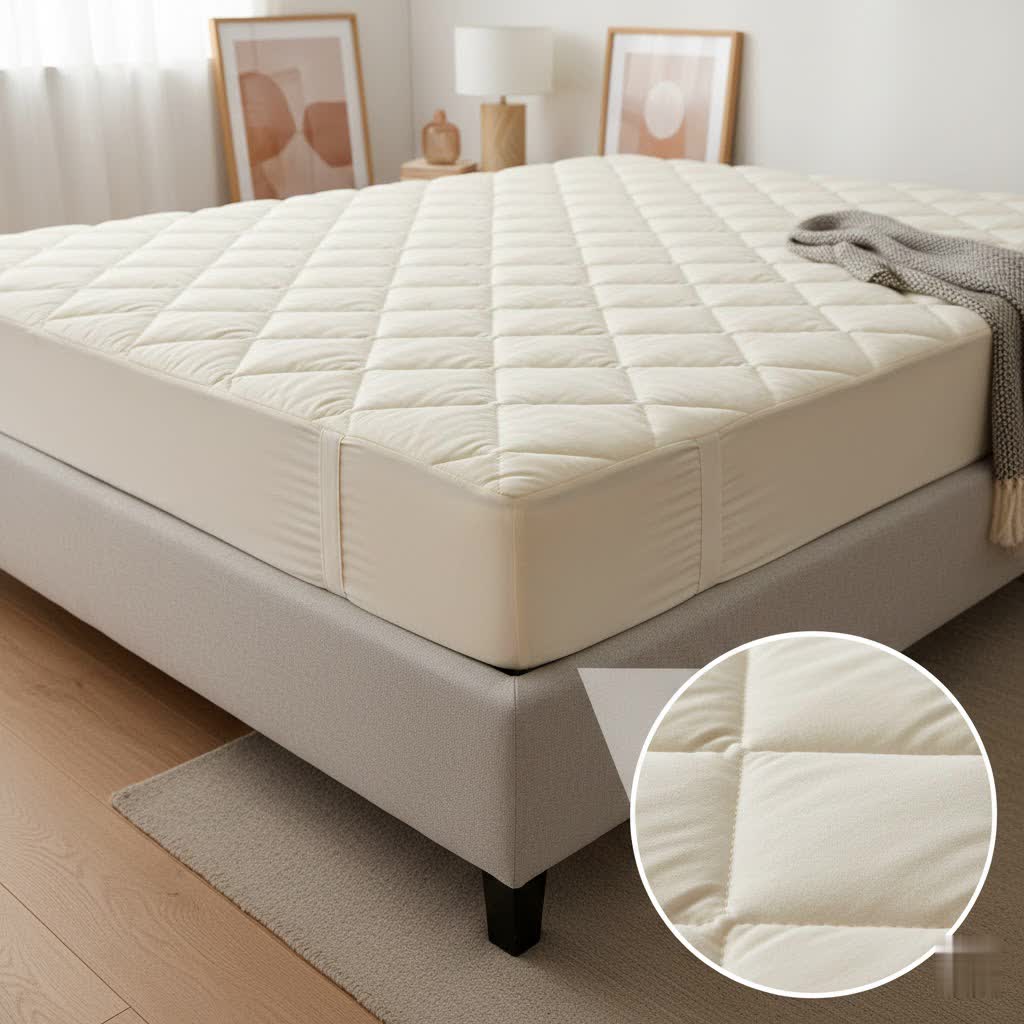
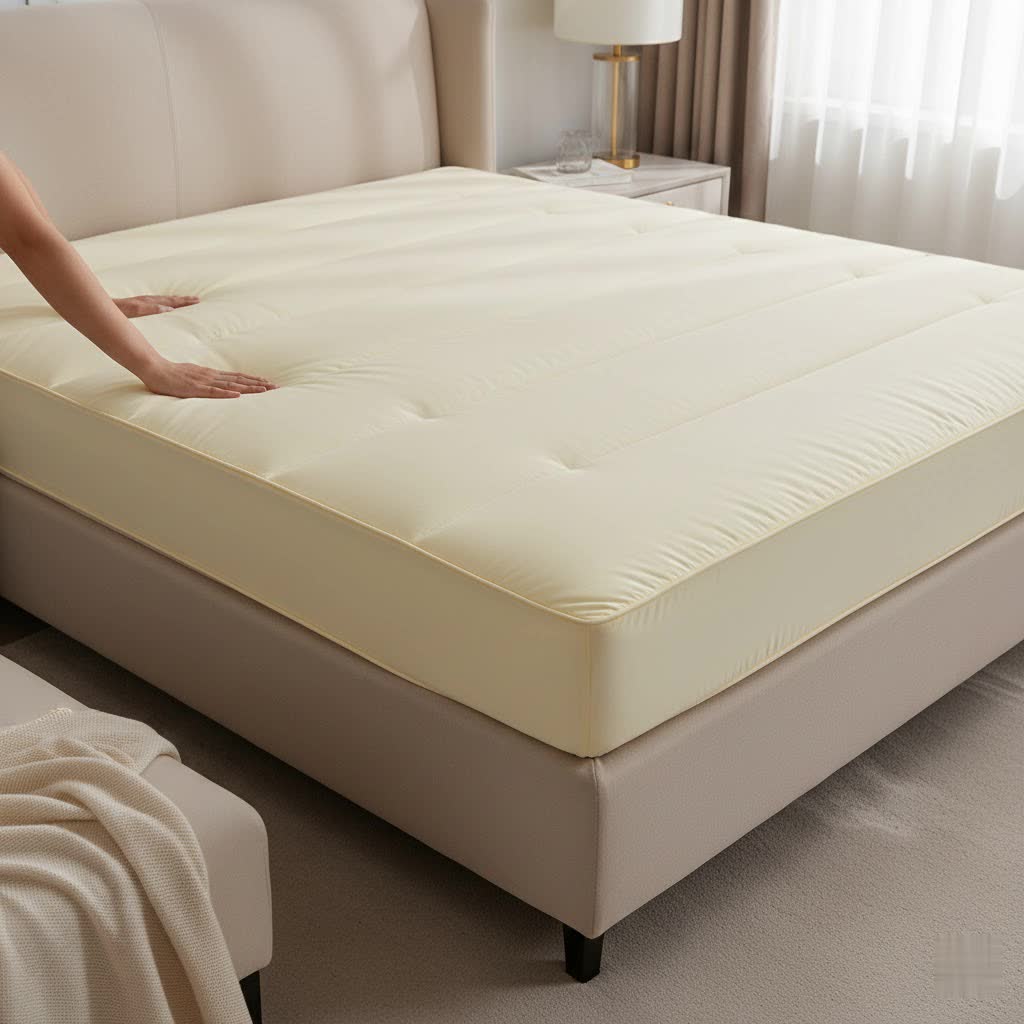
A feather bed mattress topper is a luxurious bedding accessory designed to lie atop your existing mattress, adding an extra layer of soft cushioning. Unlike thinner mattress pads, these toppers are substantial, often resembling a large, fluffy duvet filled with natural feathers or a blend of feathers and down. Their primary purpose is to enhance comfort, providing a soft, enveloping feel that can rejuvenate an aging mattress or simply elevate a new one.
The magic often lies in the fill material. While both come from birds, understanding the distinction between feathers and down is crucial:
- Feathers: These are the outer plumage, possessing a central quill. They offer more structure and support but can sometimes feel firmer or, occasionally, poke through the fabric if not properly encased.
- Down: Found beneath the feathers, down consists of soft, fluffy clusters without quills. It’s prized for its superior insulation, loft, and exceptional softness, making down-rich toppers incredibly plush and cloud-like.
Many feather bed toppers use a blend of both, with feathers providing a supportive base and a top layer of down for ultimate softness. High-quality toppers often feature a baffle box construction, which means the fill is sewn into individual compartments. This design prevents the feathers and down from shifting and clumping, ensuring even distribution and consistent comfort across the entire sleep surface. Some also include a gusseted design, which adds height to the sidewalls, helping the topper maintain its lofty shape and resist deep sinkage.
Why Choose a Feather Bed Mattress Topper?
Opting for a feather bed mattress topper brings a host of benefits that can profoundly improve your sleep quality and overall bed comfort.
The most immediate and noticeable advantage is the luxurious, cloud-like softness it imparts. Imagine melting into your bed, with the topper gently cradling your body, alleviating pressure points at your hips, shoulders, and back. This enveloping sensation can be particularly appealing if you find your current mattress too firm and desire a softer sleeping surface. Feather beds excel at creating that coveted “hotel bed” feel right in your own home.
Beyond softness, feather beds are known for their breathability and natural temperature regulation. Unlike some synthetic materials that can trap heat, natural feathers and down allow air to circulate, helping to dissipate warmth and keep you comfortable throughout the night. While they do offer warmth, their breathable nature prevents overheating, making them a good option for sleepers who tend to get hot. This makes them versatile across seasons, providing cozy warmth in winter and comfortable airflow in summer.
Furthermore, a quality feather bed topper can offer gentle pressure relief. While not providing the firm, contouring support of memory foam, the plush cushioning can distribute your body weight more evenly, reducing stress on sensitive areas. This soft cushioning can be especially beneficial for side sleepers seeking to alleviate pressure buildup around their joints.
Understanding the Downsides
While feather bed mattress toppers offer undeniable comfort, it’s important to be aware of their potential drawbacks to ensure they align with your sleep preferences and lifestyle.
One common consideration is maintenance. To maintain their loft and prevent the feathers from compacting, feather beds require regular fluffing. This can range from a quick shake daily to a more thorough fluffing weekly, depending on the topper’s construction and how much you use it. Without proper care, the topper might flatten over time, diminishing its plush feel.
Another factor is the potential for quills to poke through the fabric. While high-quality toppers use tightly woven covers to minimize this, it can still occasionally happen with feather-filled options. This can lead to minor discomfort for some sleepers.
Compared to materials like memory foam or latex, feather beds generally offer less structured support. While they provide excellent cushioning and can relieve pressure, they may not be the ideal choice for individuals who require significant spinal alignment or a very firm surface for existing back pain. Some users report that very firm mattresses can still be felt beneath a feather topper, as it adds softness rather than altering the fundamental firmness.
Allergy considerations are also paramount. For individuals with allergies to feathers or down, these toppers are obviously not suitable. However, many manufacturers offer hypoallergenic options or blends that reduce allergens. Additionally, the natural fill can sometimes produce a faint rustling sound when you move, which might be a minor disturbance for very light sleepers.
Lastly, while some feather beds are designed for durability, their lifespan can sometimes be shorter than more resilient materials like latex or dense memory foam, particularly if not properly maintained. Ethical concerns regarding the sourcing of feathers are also a consideration for some consumers, though certifications like the Responsible Down Standard (RDS) address this.
How to Choose the Perfect Feather Bed Mattress Topper
Selecting the ideal feather bed mattress topper involves considering several factors to ensure it meets your specific needs and enhances your sleep experience.
Fill Material: The Heart of the Topper
The type of fill significantly impacts the topper’s feel and performance:
- Feather-only: More affordable and offers a firmer, more supportive feel due to the quills. It might require more frequent fluffing and has a higher chance of quills poking through.
- Down-only: The epitome of luxury and softness. Down provides superior loft, insulation, and a truly cloud-like feel without the worry of quills. It’s typically the most expensive option.
- Feather and Down Blends: A popular compromise, offering a balance of support from feathers and plushness from down. Look for higher down percentages (e.g., 75% down, 25% feather) for a softer feel. Fill power is a crucial metric for down, indicating its fluffiness and insulating ability. Higher fill power (e.g., 650-800) means better quality, loft, and resilience.
|
Our Picks for the Best Mattress Topper in 2026
We may earn a commission when you use one of our links to make a purchase.
|
||
| Num | Product | Action |
|---|---|---|
| 1 | Dual Layer 4 Inch Memory Foam Mattress Topper King Size, 2" Cooling Gel Memory Foam & 2" Pillow Top, Mattress Pad Cover for Back Pain Relief, CertiPUR-US Certified, Deep Pocket Fits 21", White |

|
| 2 | 4 Inch Memory Foam Mattress Topper, Cooling Extra Thick 2000 GSM Pillow Top Mattress Pad for Back Pain Relief,Soft Breathable Mattress Cover for Fluffy Shredded Memory Foam Filled,(King,78“x80”) |
|
| 3 | 3 Inch Ultra-Fluffy Memory Foam Mattress Topper Queen for Back Pain, Soft Comfy Pillow Top Queen Mattress Topper with 4X Support, Mattress Pad with Breathable Air Mesh Sides, 6-21'' Deep Pocket |
|
| 4 | LINENSPA Memory Foam Mattress Topper - 2 Inch Gel Infused Memory Foam - Plush Feel - Cooling and Pressure Relieving - CertiPUR Certified - Dorm Room Essentials - Queen Size |
|
| 5 | 5 Inch Mega Support Memory Foam Queen Mattress Topper for Pressure Relief, Dual Layer 2.5" Pillow Top Mattress Topper Queen Plus 2.5" Cooling Gel Infused Memory Foam Mattress Pad |
|
| 6 | SINWEEK 2 Inch Gel Memory Foam Mattress Topper Ventilated Soft Pressure Relieve Mattress Pad, Breathable Bed Topper, CertiPUR-US Certified, Twin Size |
|
| 7 | EASELAND Queen Size Mattress Pad Pillow Top Mattress Cover Quilted Fitted Mattress Protector Cotton Top Stretches up 8-21" Deep Pocket Cooling Mattress Topper (60x80 inch, White) |
|
| 8 | LINENSPA Memory Foam Mattress Topper - 3 Inch Gel Infused Memory Foam - Plush Feel - Cooling and Pressure Relieving - CertiPUR Certified - Dorm Room Essentials - Queen Size |
|
| 9 | 2 Inch Thick Mattress Topper Queen - Viscose Made from Bamboo Pillow Top Memory Foam Mattress Pad for Back Pain, Ultra Soft & Cooling for Hot Sleepers, 6-18'' Deep Pocket, Green |
|
| 10 | 4 Inch Memory Foam Mattress Topper - Extra Thick 2000 GSM Pillow Top Mattress Topper Body-Contouring Support for Back Pain Relief,Breathable Cover with 6"-18" Deep Pocket (Queen,60"x80") |
|
Thickness and Loft: Finding Your Sweet Spot
Feather bed toppers typically range from 2 to 5 inches thick.
- Thinner (2-3 inches): Best for adding a touch of extra softness without significantly altering your mattress’s firmness.
- Thicker (4-5 inches): Provides a more substantial, deeply plush, and cloud-like experience, offering greater cushioning and a more noticeable change in comfort. However, thicker toppers might offer slightly less support, allowing you to sink deeper.
Construction: Ensuring Lasting Comfort
- Baffle Box Construction: This design features internal walls that create individual compartments, preventing the fill from shifting and clumping. It ensures consistent fluffiness and even distribution of feathers and down.
- Gusseted Sidewalls: These vertical fabric panels around the edges help the topper maintain its height and shape, preventing the fill from spilling out and allowing for maximum loft.
- Two-Chamber Design: Some premium toppers have a dual-layer structure with a denser feather base for support and a softer down top layer for plush comfort.
Cover Material: The First Touch
The outer shell of the topper, typically made from cotton, influences breathability and durability. Look for:
- 100% Cotton: A natural, breathable, and soft choice.
- High Thread Count: A tighter weave generally means a softer, more durable cover and less chance of quills poking through.
- Down-proof Fabric: Specifically designed to prevent fine down fibers from escaping.
Size: A Perfect Fit
Ensure the topper matches your mattress size precisely (Twin, Full, Queen, King, California King). A properly sized topper will lie flat and seamlessly integrate with your bed.
Certifications: Peace of Mind
Look for certifications that guarantee quality and ethical sourcing:
- Responsible Down Standard (RDS): Ensures that the down and feathers come from ducks and geese that have been treated humanely.
- Oeko-Tex Standard 100: Certifies that the product is free from harmful substances.
- CertiPUR-US (for blended toppers): If the topper includes foam components, this certifies environmental safety.
Budget: Balancing Cost and Quality
Feather bed toppers vary widely in price. While more affordable options exist, investing in a higher-quality topper, especially one with a good down-to-feather ratio and durable construction, will provide a more satisfying and long-lasting experience.
Sleeping Position: Tailoring Comfort
Consider how your sleeping position interacts with the topper:
- Side Sleepers: Often benefit from thicker, softer toppers with higher down content to cushion pressure points at the shoulders and hips.
- Back Sleepers: May prefer a medium-loft feather bed that offers a gentle cradle without compromising spinal alignment.
- Stomach Sleepers: Typically need less cushioning to avoid arching the back. A thinner feather bed or a topper with more feather content for firmer support might be suitable.
Feather Bed vs. Other Popular Toppers
Understanding how feather bed toppers compare to other common types can help you make an informed decision:
- Feather Bed vs. Memory Foam: Feather beds offer a soft, plush, and springy feel, adapting to your body without holding heat as much as traditional memory foam. Memory foam, conversely, provides deep contouring, superior pressure relief, and motion isolation. If you prefer to sink into your bed and feel embraced, a feather bed is excellent. If you need firm, body-hugging support for specific pain points, memory foam might be better.
- Feather Bed vs. Latex: Latex toppers are known for their responsiveness, durability, and natural cooling properties. They offer a bouncier feel than feather beds and more consistent support. Feather beds provide a softer, more pillowy surface, while latex offers buoyant support.
- Feather Bed vs. Synthetic Fiber/Down Alternative: Synthetic toppers are often hypoallergenic and more affordable, mimicking the softness of down. However, they typically lack the breathability and longevity of genuine feather and down fill.
Caring for Your Feather Bed Mattress Topper
Proper care is essential to preserve the plushness, longevity, and hygiene of your feather bed mattress topper.
Regular Fluffing
This is the most critical step. Feathers and down can compress with use, losing their loft. Daily or every-other-day fluffing by shaking, rotating, and patting the topper will help redistribute the fill and restore its airy volume. Some experts even recommend airing it out regularly to keep it fresh.
Cleaning and Maintenance
Always refer to the manufacturer’s care instructions, as cleaning methods vary.
- Spot Cleaning: For small spills, gently blot the area with a mild detergent and water, then air dry completely.
- Professional Cleaning: Many feather beds are too large for standard home washing machines and may require professional dry cleaning to avoid damage and ensure thorough drying.
- Machine Washable: Some lighter, smaller feather bed toppers may be machine-washable. If so, use a large-capacity machine with a gentle cycle and mild detergent, and dry thoroughly on a low heat setting with dryer balls to prevent clumping. Ensure it is completely dry before placing it back on your bed to prevent mold or mildew.
Use a Mattress Protector
To safeguard your feather bed from spills, stains, and dust mites, always use a high-quality mattress protector over the topper. This adds an extra layer of defense, making cleaning easier and extending the life of your investment.
Table Comparison: Mattress Topper Types
| Feature | Feather/Down Topper | Memory Foam Topper | Latex Topper | Synthetic Fiber Topper |
|---|---|---|---|---|
| Softness | Very High (Cloud-like) | High (Body-conforming) | Medium-High (Responsive) | Medium-High |
| Breathability | High (Natural) | Low (Can retain heat) | High (Natural) | Medium (Can vary) |
| Support | Low-Medium (Gentle cushion) | High (Pressure relief) | High (Buoyant support) | Low-Medium |
| Durability | Medium (Requires fluffing) | Medium-High | High | Low-Medium |
| Price | Medium-High | Medium | High | Low |
| Maintenance | Regular fluffing | Low | Low | Easy to wash |
Conclusion
A feather bed mattress topper is an investment in unparalleled comfort, offering a plush, cloud-like experience that can transform your sleep. By understanding the nuances of fill materials, construction, and care, you can select a topper that perfectly aligns with your desire for luxury and softness. While they may require a bit more maintenance than other types, the indulgent comfort of a well-chosen feather bed topper is a daily reward that makes every night feel like a stay in a five-star hotel.
Are you ready to elevate your sleep to a new level of softness?
Frequently Asked Questions
Are feather bed mattress toppers good for side sleepers?
Yes, feather bed mattress toppers can be excellent for side sleepers as they provide a soft, cushioned surface that helps alleviate pressure points on the shoulders and hips. The plushness allows these areas to sink gently, promoting comfort and reducing strain.
How often should I fluff my feather bed mattress topper?
For optimal loft and comfort, it’s recommended to fluff your feather bed mattress topper daily or every other day. A quick shake and redistribution of the fill will prevent compaction and maintain its cloud-like softness.
Can feather bed toppers help with back pain?
Feather bed toppers primarily offer softness and cushioning rather than firm support. While they can relieve some pressure, they may not provide sufficient spinal alignment for severe back pain. For significant back pain, consider toppers with more targeted support, like memory foam or latex, or consult a healthcare professional.
Are feather bed mattress toppers noisy?
Some feather bed mattress toppers can produce a slight rustling sound when you move, due to the natural movement of the feathers and down inside. This is generally more noticeable in toppers with a higher feather content and a lower-quality shell fabric, but for many, it’s a minor or unnoticeable sound.
How do I clean a feather bed mattress topper?
Always check the care label first. Most feather bed mattress toppers are either spot-clean-only or require professional dry cleaning due to their size and delicate fill. If machine washable, use a large-capacity washer on a gentle cycle with mild detergent and tumble dry thoroughly on low heat with dryer balls to prevent clumping and mildew.