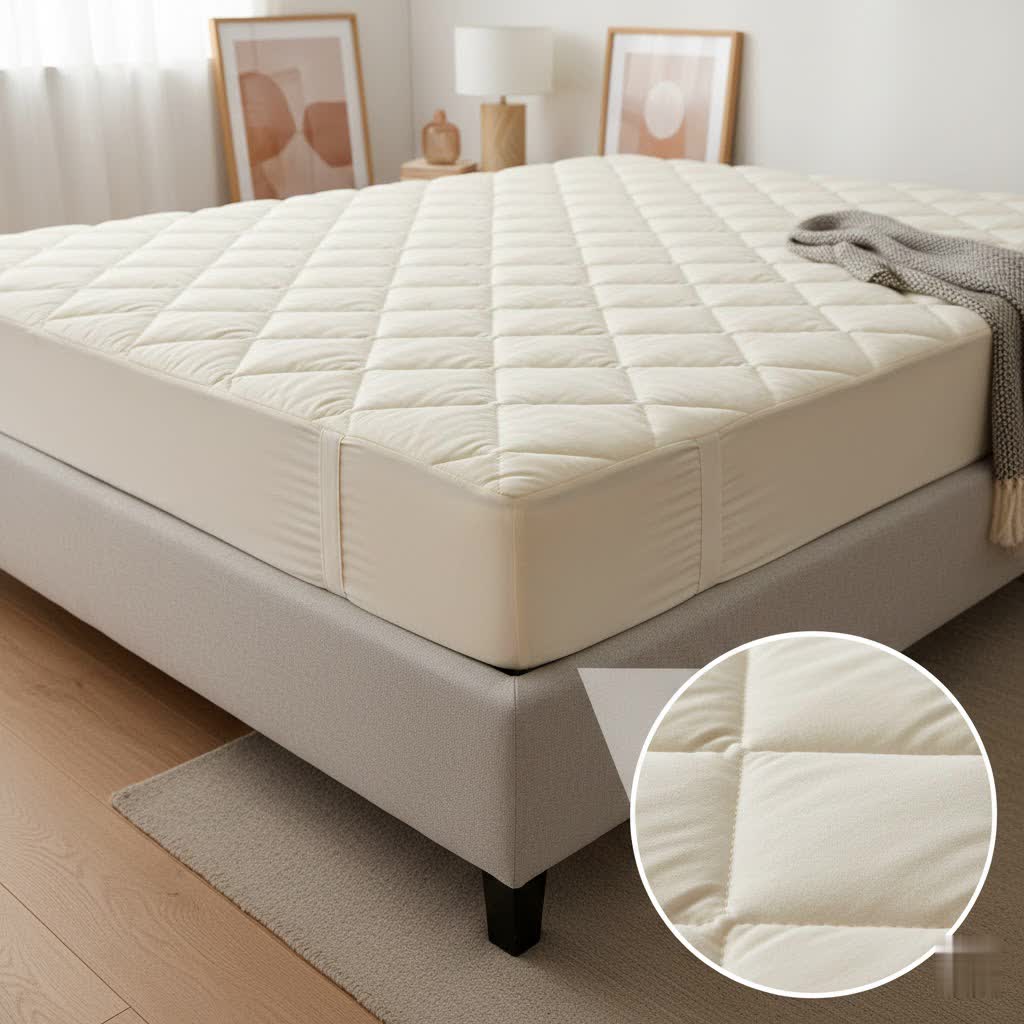
Are you dreaming of a more restful night’s sleep but hesitant to invest in a brand-new mattress? Perhaps your current full-size bed feels a little too firm, too soft, or just isn’t providing the comfort it once did. A full mattress topper could be the perfect, cost-effective solution to transform your sleep experience. Designed to sit atop your existing mattress, a quality full mattress topper can significantly upgrade your bed’s feel, offering enhanced comfort, support, and even temperature regulation.
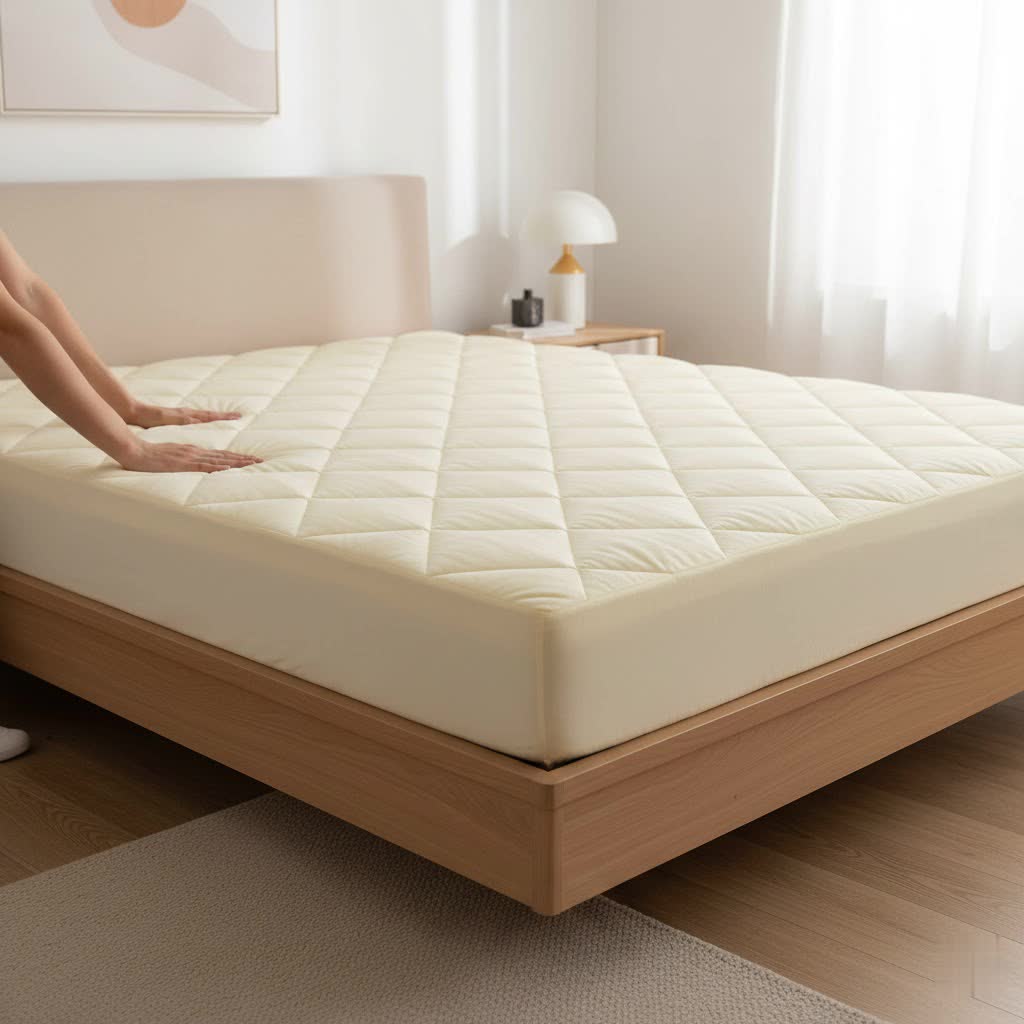
Overview of Full Mattress Toppers
|
Our Picks for the Best Mattress Topper in 2026
We may earn a commission when you use one of our links to make a purchase.
|
||
| Num | Product | Action |
|---|---|---|
| 1 | 2 Inch Thick Mattress Topper Queen - Viscose Made from Bamboo Pillow Top Memory Foam Mattress Pad for Back Pain, Ultra Soft & Cooling for Hot Sleepers, 6-18'' Deep Pocket, Green |

|
| 2 | Dual Layer 4 Inch Memory Foam Mattress Topper King Size, 2" Cooling Gel Memory Foam & 2" Pillow Top, Mattress Pad Cover for Back Pain Relief, CertiPUR-US Certified, Deep Pocket Fits 21", White |
|
| 3 | 5 Inch Mega Support Memory Foam Queen Mattress Topper for Pressure Relief, Dual Layer 2.5" Pillow Top Mattress Topper Queen Plus 2.5" Cooling Gel Infused Memory Foam Mattress Pad |
|
| 4 | LINENSPA Memory Foam Mattress Topper - 3 Inch Gel Infused Memory Foam - Plush Feel - Cooling and Pressure Relieving - CertiPUR Certified - Dorm Room Essentials - Queen Size |
|
| 5 | 4 Inch Memory Foam Mattress Topper, Cooling Extra Thick 2000 GSM Pillow Top Mattress Pad for Back Pain Relief,Soft Breathable Mattress Cover for Fluffy Shredded Memory Foam Filled,(King,78“x80”) |
|
| 6 | 3 Inch Ultra-Fluffy Memory Foam Mattress Topper Queen for Back Pain, Soft Comfy Pillow Top Queen Mattress Topper with 4X Support, Mattress Pad with Breathable Air Mesh Sides, 6-21'' Deep Pocket |
|
| 7 | 4 Inch Memory Foam Mattress Topper - Extra Thick 2000 GSM Pillow Top Mattress Topper Body-Contouring Support for Back Pain Relief,Breathable Cover with 6"-18" Deep Pocket (Queen,60"x80") |
|
| 8 | SINWEEK 2 Inch Gel Memory Foam Mattress Topper Ventilated Soft Pressure Relieve Mattress Pad, Breathable Bed Topper, CertiPUR-US Certified, Twin Size |
|
| 9 | EASELAND Queen Size Mattress Pad Pillow Top Mattress Cover Quilted Fitted Mattress Protector Cotton Top Stretches up 8-21" Deep Pocket Cooling Mattress Topper (60x80 inch, White) |
|
| 10 | LINENSPA Memory Foam Mattress Topper - 2 Inch Gel Infused Memory Foam - Plush Feel - Cooling and Pressure Relieving - CertiPUR Certified - Dorm Room Essentials - Queen Size |
|
A mattress topper is an additional layer of padding, typically ranging from two to four inches thick, placed directly on your mattress to alter its feel and provide extra benefits. Unlike a thinner mattress pad, which primarily offers protection, a topper is engineered to noticeably change the comfort and support levels of your sleeping surface. For a full-size bed, which typically measures 54 inches by 75 inches, a full mattress topper provides a seamless fit, ensuring full coverage and consistent comfort across the entire sleep area.
These toppers are an excellent choice for individuals, young adults, or single parents sharing a bed with a child, particularly in smaller rooms where a larger queen or king mattress might not fit. Beyond just comfort, a full mattress topper can extend the lifespan of your current mattress by shielding it from daily wear and tear, sagging, and even stains. This simple addition can rejuvenate an aging mattress, make a new one more luxurious, alleviate pressure points, and even help regulate your body temperature for a cooler or warmer night’s sleep.
Types of Full Mattress Toppers
The world of full mattress toppers offers a diverse range of materials, each bringing unique characteristics to your sleep environment. Understanding these differences is key to selecting the perfect match for your individual needs.
-
Memory Foam Mattress Toppers: These are highly popular for their ability to conform precisely to your body’s contours, providing exceptional pressure relief. Memory foam cradles the body, distributing weight evenly and minimizing pressure points, making them ideal for side sleepers and those with joint pain. They also excel at motion isolation, so you’re less likely to be disturbed by a restless partner. However, traditional memory foam can retain heat, a common concern addressed by newer gel-infused memory foam options designed to dissipate heat and promote cooler sleep.
-
Latex Mattress Toppers: Available in natural or synthetic rubber, latex toppers offer a more responsive and buoyant feel than memory foam. They provide resilient support, gently lifting the body rather than allowing it to sink deeply, which can be beneficial for maintaining spinal alignment—especially for back and stomach sleepers. Natural latex is also highly durable, breathable, hypoallergenic, and resistant to dust mites and mold, making it an excellent choice for allergy sufferers and those who sleep warm.
-
**Wool Mattress Toppers: Crafted from natural wool fibers, these toppers are celebrated for their superb temperature-regulating properties. Wool naturally wicks away moisture and promotes airflow, keeping you cool in the summer and warm in the winter. They offer a soft, cozy feel without significant thickness, making them a natural, breathable, and hypoallergenic option for those seeking subtle comfort and balanced temperatures.
-
Feather and Down Mattress Toppers: For those who desire an ultra-plush, cloud-like softness reminiscent of luxury hotel bedding, feather and down toppers are an excellent choice. Filled with the soft undercoating (down) and outer feathers of birds, they provide a supremely soft and cozy layer. While they offer exceptional comfort and breathability, they provide less structural support and require regular fluffing to maintain their loft. Allergy sufferers should also consider hypoallergenic alternatives.
-
Synthetic or Fiberfill Mattress Toppers: Often made from polyester blends, these toppers are a budget-friendly way to add a layer of softness to your mattress. They are lightweight, easy to handle, and often machine washable. However, they tend to be less durable than foam or latex options, can flatten over time, and offer minimal support for pressure relief or spinal alignment. They are best for a quick comfort boost rather than long-term corrective support.
-
Cooling Toppers (Gel-Infused & Advanced Materials): Specifically designed for hot sleepers, these toppers incorporate technologies like gel infusions in memory foam, open-cell latex, or phase-change materials to actively draw heat away from the body or enhance airflow, promoting a cooler sleep surface throughout the night.
-
Charcoal-Infused Toppers: Some mattress toppers are infused with activated charcoal, which helps to absorb odors, reduce moisture, and improve air circulation, contributing to a fresher and more hygienic sleep environment.
Here’s a comparative look at popular full mattress topper types:
| Feature | Memory Foam | Latex | Wool | Feather/Down | Synthetic/Fiberfill |
|---|---|---|---|---|---|
| Softness | High | Medium-High | Medium | Very High | Medium |
| Support | Good (contouring) | Excellent | Low-Medium | Low | Low |
| Breathability | Low (can retain heat, gel helps) | High | Very High | High | Medium |
| Durability | Medium | High | Medium-High | Low-Medium | Low |
| Motion Isolation | Excellent | Good | Medium | Low | Low |
| Hypoallergenic | Variable | Excellent | Excellent | Variable | Good |
| Price | Medium | High | High | Medium-High | Low |
Detailed Buying Guide for Full Mattress Toppers
Choosing the ideal full mattress topper involves carefully considering your personal needs, sleep habits, and existing mattress condition. This isn’t just about adding a layer; it’s about crafting a tailored sleep environment.
Determine Your Personal Needs
Start by asking yourself what you hope to achieve with a mattress topper. Do you want to alleviate pressure points, especially in your hips or shoulders? Are you looking to soften an overly firm mattress or add firmness to one that’s too soft? Do you struggle with sleeping hot, or are allergies a concern? Understanding these specific desires will guide you toward the right material and design. Your budget is also a crucial factor, as prices can vary significantly between types and brands.
Choosing the Right Material
Each material offers distinct advantages:
- Memory foam is excellent if you crave deep contouring, pressure relief, and motion isolation. Opt for gel-infused memory foam if heat retention is a concern.
- Latex provides resilient support, breathability, and durability, making it perfect for those needing spinal alignment and a cooler sleep surface, or allergy sufferers.
- Wool is your best bet for natural temperature regulation, breathability, and a hypoallergenic sleeping surface, offering subtle comfort.
- Feather and down are for pure plushness and luxury, best for softening a bed without needing much structural support.
- Synthetic fiberfill toppers offer an economical way to add some softness and are often good for guest beds or temporary solutions. Charcoal-infused options can provide odor control and moisture management for a fresher feel.
Selecting the Ideal Thickness
The thickness of your full mattress topper directly impacts the level of change and support it provides. Toppers typically range from 1 to 4 inches:
- Thin toppers (1-2 inches) are suitable for a subtle comfort boost or if your mattress is still in good condition but needs a slight softness adjustment. Back and stomach sleepers often prefer thinner options for firmer support.
- Thicker toppers (3-4 inches) offer more substantial cushioning and pressure relief, ideal for significantly altering the feel of your mattress, improving support for back pain, or masking minor sagging. Side sleepers generally benefit from thicker, softer toppers to cushion their hips and shoulders effectively. Your body weight also plays a role; heavier individuals may find more support from a thicker topper.
Ensuring the Perfect Fit: Full Size Considerations
A full mattress topper measures 54 inches by 75 inches. It’s crucial that your topper precisely matches these dimensions to your mattress. An ill-fitting topper can shift, create uncomfortable gaps, or overhang, diminishing its effectiveness and your comfort. Many high-quality toppers include elastic straps, a grippy backing, or a skirt to secure them firmly to your mattress, preventing movement throughout the night.
Checking for Safety and Quality Certifications
When investing in a full mattress topper, look for certifications that indicate material safety and quality.
- CertiPUR-US: This certification ensures that foam toppers are made without harmful chemicals, heavy metals, formaldehyde, and phthalates, and have low volatile organic compound (VOC) emissions for indoor air quality.
- Oeko-Tex: This certification guarantees that textiles and fabrics are free from harmful substances, assuring a healthier sleep environment.
- GOLS (Global Organic Latex Standard) and GOTS (Global Organic Textile Standard): These are important for natural latex and organic cotton, respectively, ensuring that the materials meet rigorous organic and environmental standards.
Tips for Using and Caring for Your Full Mattress Topper
Proper care and maintenance are essential for maximizing the lifespan and performance of your full mattress topper. A little effort goes a long way in preserving its comfort and hygiene.
-
Placement and Securement: Always place your mattress topper directly on top of your mattress. If your topper comes with straps or an elastic skirt, use them to secure it firmly in place. This prevents shifting and ensures consistent comfort across the entire surface. Once the topper is in place, cover both it and your mattress with a fitted sheet for added protection and stability.
-
Regular Cleaning and Spot Treatment: Follow the manufacturer’s care instructions diligently, as cleaning methods vary by material. Many toppers have removable covers that are machine washable. For the topper itself, regular vacuuming with a soft brush attachment can help remove dust and allergens. Address spills and stains immediately by spot cleaning with a mild detergent and cold water, blotting gently rather than rubbing. Ensure the area is completely dry before remaking your bed to prevent mold and mildew.
-
Airing Out and Rotation: Upon unpacking a new topper, especially one made of foam or latex, allow it to air out in a well-ventilated room for a few hours to dissipate any “new product” odors. Periodically, airing out your topper by removing the bedding can refresh it. While most toppers don’t require flipping, rotating your full mattress topper 180 degrees every few months helps distribute wear evenly and prolong its life.
-
Using a Protective Cover: To safeguard your mattress topper from spills, stains, and sweat, consider adding a breathable, waterproof mattress protector over it, beneath your fitted sheet. This extra layer significantly extends the topper’s life by keeping it clean and minimizing wear.
Conclusion
A full mattress topper is a smart investment that can dramatically enhance your sleep quality without the expense of a new bed. By providing an additional layer of targeted comfort and support, it addresses specific needs such as pressure relief, temperature regulation, and customizing mattress firmness. With various materials, thicknesses, and features available, there’s a full mattress topper perfectly suited to transform your full-size bed into a personal oasis of comfort and rejuvenation. By choosing wisely and following simple care guidelines, you can enjoy improved sleep and extend the life of your mattress for years to come. What kind of full mattress topper will finally give you the restful sleep you deserve?
Frequently Asked Questions
What are the standard dimensions for a full mattress topper?
A standard full mattress topper measures 54 inches wide by 75 inches long, designed to perfectly fit a full-size mattress and provide consistent comfort across the entire sleeping surface.
Can a full mattress topper really fix a sagging mattress?
While a mattress topper can temporarily improve comfort and support for a slightly sagging mattress, it cannot fully repair significant structural damage. For severely sagging mattresses, a new mattress is generally the best long-term solution.
How do I choose between memory foam and latex for a full mattress topper?
Choose memory foam if you prefer a deep, conforming feel with excellent pressure relief and motion isolation. Opt for latex if you desire a more responsive, buoyant feel, better airflow for cooling, and natural hypoallergenic properties.
What thickness is best for a full mattress topper?
The best thickness depends on your preferences. A 2-inch topper offers subtle softness, while a 3-4 inch topper provides more significant cushioning, pressure relief, and support. Side sleepers often prefer thicker toppers, while back and stomach sleepers might opt for thinner ones.
Are full mattress toppers good for hot sleepers?
Yes, many full mattress toppers are designed with cooling features. Look for options made from breathable materials like latex or wool, or memory foam infused with cooling gels or open-cell designs to enhance airflow and dissipate heat.
How often should I replace my full mattress topper?
On average, a full mattress topper should be replaced every 3 to 5 years, depending on its material quality and usage. Signs like persistent lumps, sagging, or diminished support indicate it’s time for a replacement.
Can I wash my full mattress topper?
Cleaning instructions vary by material. Many toppers have removable, machine-washable covers. For the topper itself, spot cleaning with mild detergent is often recommended, especially for memory foam or latex. Always check the manufacturer’s care label.