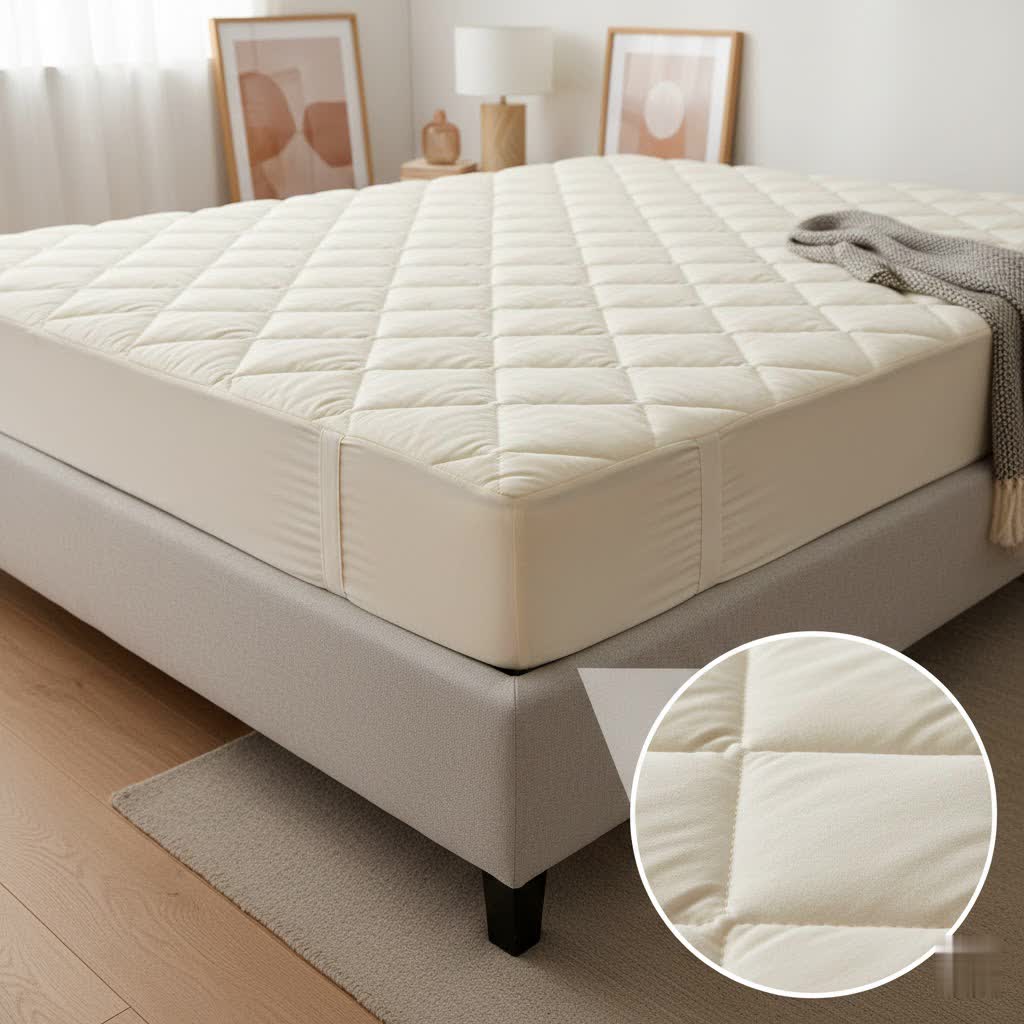
Are you waking up tired, sore, or simply not feeling rested? Your queen-size mattress might not be giving you the comfort and support you need, but before you invest in an entirely new bed, consider the transformative power of a queen mattress topper. This comprehensive guide, crafted from years of expertise, will walk you through everything you need to know to select the perfect mattress topper to rejuvenate your sleep sanctuary, ensuring every night feels like a dream. We’ll explore various types, delve into crucial buying considerations, and share essential tips to help you make an informed decision that aligns with your unique needs and budget.
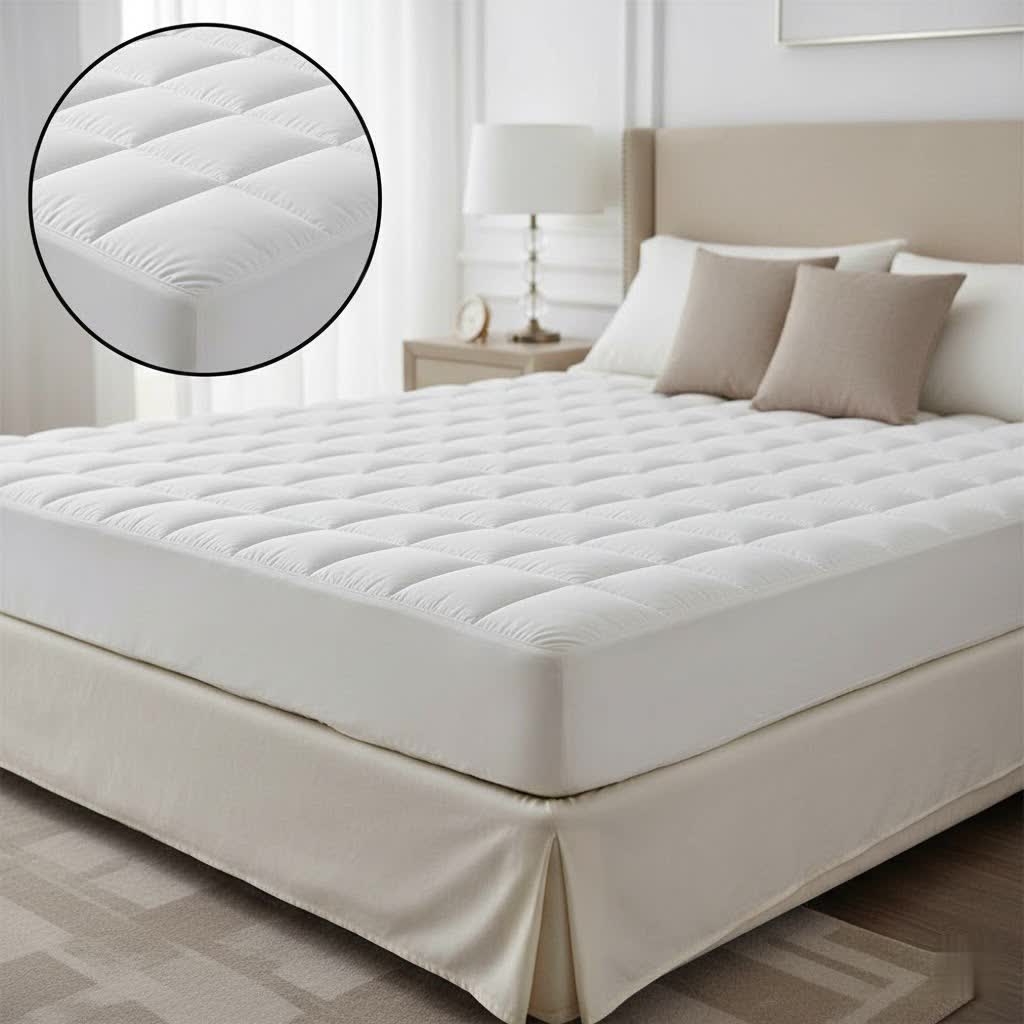
Unveiling the World of Mattress Toppers
A mattress topper is an additional layer of material placed on top of your existing mattress, designed to enhance comfort, support, or adjust its firmness. It acts as a buffer between you and your mattress, providing a refreshed sleeping surface without the expense of a full mattress replacement. For queen-size beds, a well-chosen mattress topper can significantly improve your sleep quality by addressing common issues like excessive firmness, inadequate pressure relief, or poor temperature regulation.
Different materials offer distinct feels and benefits:
- Memory Foam: Renowned for its body-conforming properties, memory foam cradles your curves, distributing weight evenly and relieving pressure points. It’s excellent for those seeking a “hug” feeling and superior pressure relief. However, traditional memory foam can sometimes retain heat, a concern addressed by modern gel-infused or graphite-infused variations that promote cooling.
- Latex: Available in natural or synthetic forms, latex mattress toppers are prized for their responsive bounce and durability. Natural latex, derived from rubber trees, is often eco-friendly, hypoallergenic, and antimicrobial. It offers excellent airflow, making it a great choice for hot sleepers, and provides robust support with a gentle contour.
- Down and Down Alternative: Down toppers, filled with soft feathers from geese or ducks, offer a luxurious, cloud-like softness and warmth. They are incredibly plush but provide minimal support. Down alternative toppers use synthetic fibers to mimic the feel of down, often being hypoallergenic and more budget-friendly, though they may not offer the same level of breathability or longevity as natural down.
- Polyfoam: Polyurethane foam (polyfoam) toppers are a more economical option, offering a basic level of cushioning and support. They are generally lighter and more breathable than traditional memory foam but tend to be less durable and may show signs of wear and tear, like sagging, more quickly.
- Wool: Wool mattress toppers are excellent temperature regulators, keeping you warm in winter and cool in summer due to their natural breathability and moisture-wicking properties. They add a soft, natural layer of cushioning and are often hypoallergenic, though they don’t offer the deep contouring or pressure relief of memory foam.
Each type comes with its own set of advantages and disadvantages, making the choice highly personal based on your sleep preferences and priorities.
Your Comprehensive Guide to Buying the Perfect Queen Mattress Topper
Selecting the ideal queen mattress topper requires careful consideration of several factors beyond just the material. Your personal needs, sleeping habits, and even your budget play a significant role in finding the right match.
Identifying Your Individual Sleep Needs
Before diving into materials, ask yourself what problem you’re trying to solve or what improvement you desire:
- Comfort and Support: Do you want to soften a too-firm mattress, add more cushioning, or enhance spinal alignment? Side sleepers often need softer toppers for pressure relief on hips and shoulders, while back and stomach sleepers typically benefit from firmer options that prevent excessive sinking and maintain spinal alignment.
- Temperature Regulation: Are you a hot sleeper? Look for materials known for breathability and cooling properties, such as latex, open-cell memory foam, gel-infused foam, or wool.
- Allergies: If you suffer from allergies, hypoallergenic materials like natural latex, wool, or down alternative are excellent choices. Look for certifications that indicate material safety and purity.
- Motion Isolation: If you share your bed, consider how well the topper absorbs motion. Memory foam is typically very good at isolating motion, minimizing disturbances from a restless partner.
- Budget: Mattress toppers range widely in price. Polyfoam is generally the most affordable, while high-quality latex and specialized memory foam can be more expensive. Determine what you’re willing to invest for improved sleep.
|
Our Picks for the Best Mattress Topper in 2026
We may earn a commission when you use one of our links to make a purchase.
|
||
| Num | Product | Action |
|---|---|---|
| 1 |

|
|
| 2 | EASELAND Queen Size Mattress Pad Pillow Top Mattress Cover Quilted Fitted Mattress Protector Cotton Top Stretches up 8-21" Deep Pocket Cooling Mattress Topper (60x80 inch, White) |
|
| 3 | LINENSPA Memory Foam Mattress Topper - 3 Inch Gel Infused Memory Foam - Plush Feel - Cooling and Pressure Relieving - CertiPUR Certified - Dorm Room Essentials - Queen Size |
|
| 4 | 4 Inch Memory Foam Mattress Topper - Extra Thick 2000 GSM Pillow Top Mattress Topper Body-Contouring Support for Back Pain Relief,Breathable Cover with 6"-18" Deep Pocket (Queen,60"x80") |
|
| 5 | LINENSPA Memory Foam Mattress Topper - 2 Inch Gel Infused Memory Foam - Plush Feel - Cooling and Pressure Relieving - CertiPUR Certified - Dorm Room Essentials - Queen Size |
|
| 6 | 5 Inch Mega Support Memory Foam Queen Mattress Topper for Pressure Relief, Dual Layer 2.5" Pillow Top Mattress Topper Queen Plus 2.5" Cooling Gel Infused Memory Foam Mattress Pad |
|
| 7 | Dual Layer 4 Inch Memory Foam Mattress Topper King Size, 2" Cooling Gel Memory Foam & 2" Pillow Top, Mattress Pad Cover for Back Pain Relief, CertiPUR-US Certified, Deep Pocket Fits 21", White |
|
| 8 | 3 Inch Ultra-Fluffy Memory Foam Mattress Topper Queen for Back Pain, Soft Comfy Pillow Top Queen Mattress Topper with 4X Support, Mattress Pad with Breathable Air Mesh Sides, 6-21'' Deep Pocket |
|
| 9 | SINWEEK 2 Inch Gel Memory Foam Mattress Topper Ventilated Soft Pressure Relieve Mattress Pad, Breathable Bed Topper, CertiPUR-US Certified, Twin Size |
|
| 10 | 4 Inch Memory Foam Mattress Topper, Cooling Extra Thick 2000 GSM Pillow Top Mattress Pad for Back Pain Relief,Soft Breathable Mattress Cover for Fluffy Shredded Memory Foam Filled,(King,78“x80”) |
|
Choosing the Right Material for Your Queen Mattress Topper
Once your needs are clear, selecting the material becomes more straightforward:
- Memory Foam: Ideal for: those seeking deep pressure relief, body contouring, and motion isolation. Consider: gel or graphite infusions if you tend to sleep hot. A common thickness is 3 inches, providing superior pressure relief.
- Latex: Ideal for: hot sleepers, those wanting a responsive, bouncy feel, excellent durability, and hypoallergenic properties. Natural latex is often preferred for eco-conscious buyers. It’s a versatile choice, available in various firmness levels and thicknesses, often 2 or 3 inches.
- Feather/Down Alternative: Ideal for: adding a plush, luxurious softness with minimal support. Consider: down alternative for allergy sufferers. These toppers are usually thinner, focusing on surface comfort.
- Synthetic Fibers (Polyfoam/Microfiber): Ideal for: budget-conscious shoppers needing a basic comfort layer. Easy to clean and widely available, but less durable than other options.
- Wool: Ideal for: temperature regulation, a soft natural feel, and hypoallergenic properties. Provides cushioning without excessive sinking.
Determining the Optimal Thickness
Mattress toppers typically range from 1 to 4 inches thick, with the thickness greatly influencing the feel and support provided:
- Thin (1-2 inches): Offers a subtle change to your mattress’s feel, adding a light layer of softness or a slight firmness adjustment without significantly altering the underlying support.
- Medium (2-3 inches): A popular choice for balancing comfort and support. This range is often recommended for alleviating back pain as it can provide ample cushioning while maintaining spinal alignment. It’s also great for side sleepers needing pressure relief.
- Thick (3-4 inches): Provides the most dramatic change to your mattress’s feel, offering deep contouring and significant pressure relief. A 4-inch topper is particularly beneficial for side sleepers who require substantial cushioning for their hips and shoulders. However, it might be too thick for back and stomach sleepers who need to maintain proper alignment.
Ensuring the Perfect Fit: Queen Size
A queen mattress topper measures approximately 60 inches by 80 inches, designed to perfectly fit a standard queen-size mattress. Always double-check the dimensions of your mattress and the topper to ensure a snug fit that won’t shift or leave gaps. Many toppers include elastic straps or a non-slip backing to help keep them securely in place.
The Importance of Safety Certifications
When investing in a queen mattress topper, especially one made of foam, look for certifications that guarantee the product meets rigorous health and safety standards.
- CertiPUR-US®: This certification ensures that foam products are made without ozone depleters, heavy metals, formaldehyde, phthalates, and have low VOC (Volatile Organic Compound) emissions for indoor air quality.
- Oeko-Tex® Standard 100: This label indicates that every component of the product, from the fabric to the thread, has been tested for harmful substances and is therefore harmless to human health.
These certifications provide peace of mind regarding the materials you’re bringing into your home.
Comparing Popular Queen Mattress Topper Types
To help you visualize the differences, here’s a detailed comparison of the most common mattress topper materials:
| Feature | Memory Foam | Latex | Down / Down Alternative | Synthetic Fibers (Polyfoam) | Wool |
|---|---|---|---|---|---|
| Feel | Deep contouring, “hug,” slow response | Bouncy, responsive, gentle contour | Plush, soft, cloud-like | Basic cushioning, soft | Soft, natural, slightly firm |
| Pressure Relief | Very High | High | Low | Medium | Medium |
| Cooling | Low (traditional), Medium (gel/graphite-infused) | High (natural latex) | Medium (down), Low (down alternative) | Medium | High (excellent temperature regulation) |
| Durability | Medium | High | Low to Medium (requires fluffing) | Low | Medium to High |
| Motion Isolation | Excellent | Good | Low | Medium | Low to Medium |
| Hypoallergenic | Medium (CertiPUR-US) | High (natural latex) | Low (down), High (down alternative) | Medium | High |
| Price | Medium to High | High | Medium to High | Low | High |
| Spinal Support | Good | Excellent | Low | Fair | Medium |
| Ease of Cleaning | Spot clean cover, some have removable covers | Spot clean cover, some have removable covers | Many have removable, washable covers | Many have removable, washable covers | Spot clean, some dry clean only |
Top Mattress Topper Considerations
While we won’t list specific brands, understanding what makes a “top” mattress topper is crucial. Look for products that:
- Match your sleeping position: Side sleepers need pressure relief, often a softer foam or latex. Back and stomach sleepers require support to keep their spine aligned, preferring medium-firm latex or high-density foam.
- Address temperature concerns: If you sleep hot, prioritize gel-infused memory foam, open-cell foam, natural latex, or wool.
- Offer appropriate thickness: Generally, 2-3 inches is a good all-around choice. Thicker for significant softness, thinner for subtle adjustments.
- Come with clear warranty and trial periods: Reputable brands often offer sleep trials (e.g., 30 to 180 nights) and warranties (e.g., 1 to 10 years) to ensure satisfaction and protect your investment.
Essential Tips for Using and Maintaining Your Mattress Topper
Proper care of your queen mattress topper will extend its lifespan and ensure continued comfort:
- Regular Cleaning: Always follow the manufacturer’s cleaning instructions. Many toppers come with removable, machine-washable covers, which simplify maintenance. For toppers without removable covers, spot cleaning with a mild detergent and warm water is usually recommended. Avoid harsh chemicals that can degrade the material.
- Air Out Regularly: To help dissipate moisture and maintain freshness, periodically remove your bedding and allow the topper to air out for a few hours. This is especially beneficial for memory foam, which can sometimes retain odors.
- Rotate and Flip: Some toppers benefit from being rotated or flipped every few months to ensure even wear and prevent indentations. Check if your specific topper is designed for this.
- Protection: Using a mattress protector over your topper is highly recommended. This adds an extra layer of defense against spills, stains, dust mites, and allergens, keeping your topper cleaner for longer.
- Allergy Management: If you have allergies, opt for toppers made from hypoallergenic materials like natural latex, wool, or down alternative. Ensure the topper’s cover is also hypoallergenic and consider a washable mattress protector specifically designed for allergy sufferers.
“A quality mattress topper isn’t just an accessory; it’s an investment in better sleep and extended mattress life. Choosing wisely means understanding your body’s unique needs.”
Frequently Asked Questions
What thickness of queen mattress topper is best for back pain?
For individuals experiencing back pain, a queen mattress topper between 2 to 3 inches thick is often recommended. This range provides a balance of cushioning and support, helping to relieve pressure points without allowing the hips to sink too deeply, which can misalign the spine.
Can a mattress topper really make a firm mattress softer?
Yes, a mattress topper can significantly soften a firm mattress. A plush memory foam, down, or down alternative topper, especially one with a thickness of 3-4 inches, can add a luxurious layer of softness and contouring, transforming an uncomfortably firm bed into a more inviting sleep surface.
How long do queen mattress toppers typically last?
The lifespan of a queen mattress topper varies by material and quality. High-quality latex toppers can last 5-10 years or more, while memory foam typically lasts 3-7 years. Polyfoam and down alternative toppers may need replacement every 1-3 years due to quicker wear and tear.
What is the primary purpose of a mattress topper?
The main purpose of a queen mattress topper is to modify the feel and enhance the comfort of your existing mattress. Whether you need to add softness, provide extra support, regulate temperature, or prolong your mattress’s life, a topper offers a cost-effective solution to improve your sleep experience.
Conclusion
Choosing the right queen mattress topper is a simple yet powerful step towards achieving restorative sleep. By carefully considering your individual sleep needs, understanding the characteristics of different materials, and paying attention to factors like thickness and safety certifications, you can find a topper that perfectly complements your mattress and transforms your nights. Remember, the goal is to create a sleep environment that supports your body, soothes your senses, and promotes overall well-being. What aspects of your sleep do you hope to improve with a new mattress topper?