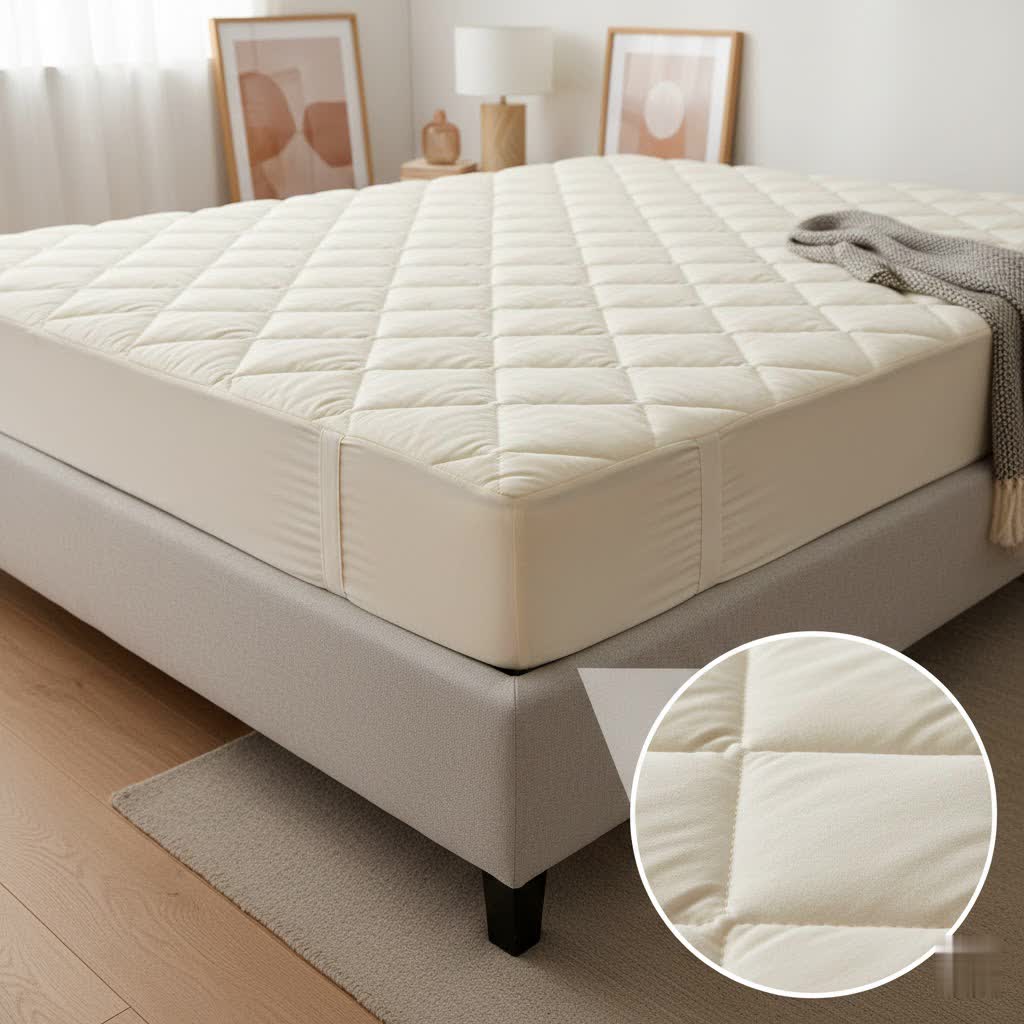
Introduction:
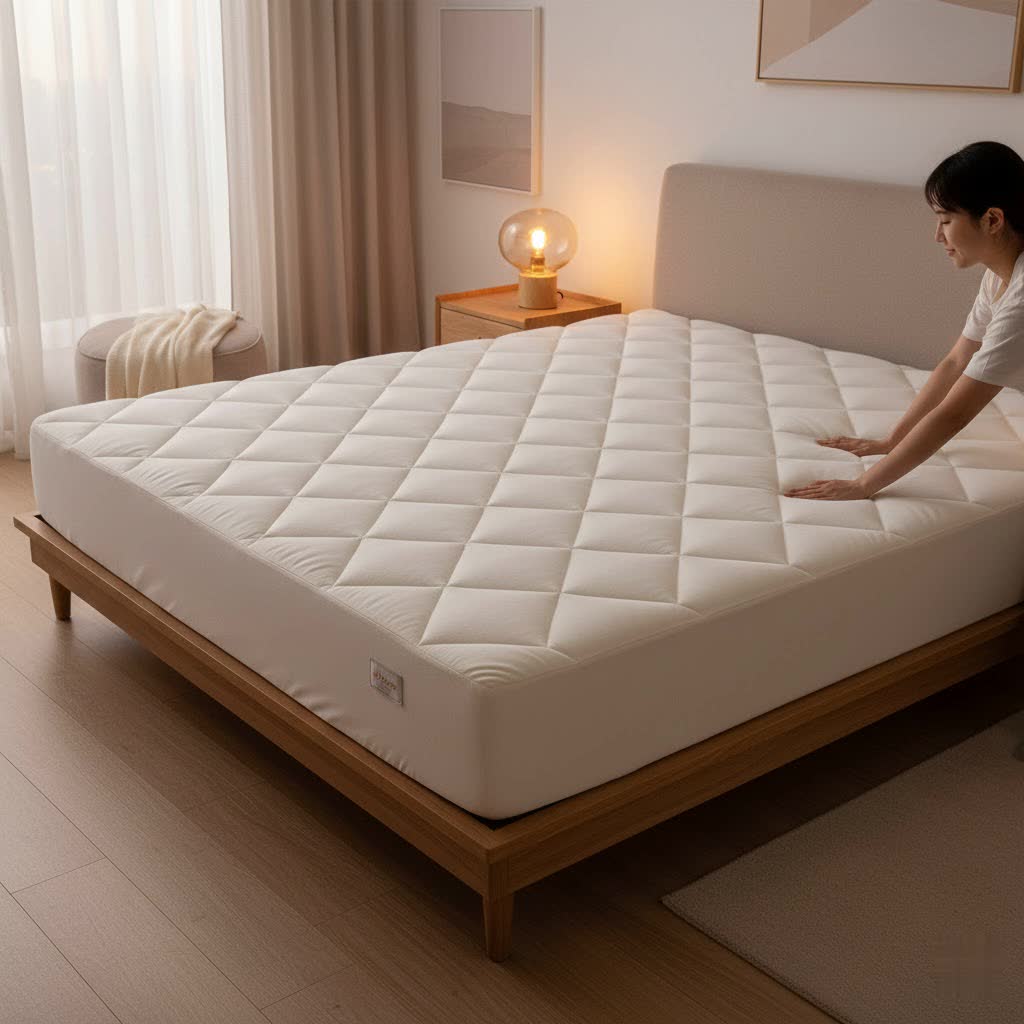
- Hook: The pursuit of perfect sleep and healthy living.
- Introduce Organic Mattress Toppers as a solution for comfort, support, and a non-toxic sleep environment.
- Briefly state what the article will cover.
Understanding Organic Mattress Toppers
- What is an Organic Mattress Topper? (Definition, distinguishes from conventional)
- Why Choose Organic? The Core Benefits:
- Health & Wellness: Reduced chemical exposure (VOCs, flame retardants), hypoallergenic properties (dust mites, mold, mildew).
- Enhanced Comfort & Support: Pressure relief, spinal alignment, temperature regulation.
- Environmental Impact: Sustainable materials, eco-friendly production.
- Durability & Longevity.
- Key Organic Materials: Latex (Dunlop, Talalay), Wool, Cotton.
- Essential Certifications: GOLS, GOTS, OEKO-TEX, GREENGUARD Gold, MADE SAFE, FSC.
Your Comprehensive Guide to Choosing the Perfect Organic Mattress Topper
- Identify Your Personal Needs:
- Comfort Preference (softness, firmness, pressure relief).
- Sleep Position (side, back, stomach – how it affects firmness/thickness).
- Temperature Regulation Needs (hot sleeper, cold sleeper).
- Allergies/Sensitivities.
- Budget.
- Choosing the Right Material:
- Organic Latex: Responsive, supportive, durable, breathable, hypoallergenic.
- Organic Wool: Soft, temperature-regulating (insulating/cooling), moisture-wicking, naturally fire-resistant.
- Organic Cotton: Breathable, soft, often used for covers.
- Selecting the Ideal Thickness:
- Thin (1-2 inches): Subtle adjustment, slight softness.
- Medium (2-3 inches): Noticeable pressure relief, contouring, significant change.
- Thick (3-4+ inches): Max support, body conformity, for substantial changes.
- Matching Size to Your Mattress: Ensure proper fit.
- Understanding Certifications: In-depth look at GOLS, GOTS, etc., and why they matter.
Comparing Popular Organic Mattress Topper Materials
- Table Comparison:
| Feature | Organic Latex | Organic Wool | Organic Cotton |
| :—————– | :——————– | :——————– | :——————- |
| Softness/Feel | Responsive, buoyant | Plush, cloud-like | Soft (primarily cover) |
| Breathability | High (open-cell) | Excellent | Excellent |
| Durability | Very High | High | Medium |
| Pressure Relief| Excellent | Good | Limited (as standalone) |
| Spinal Support | Excellent | Moderate | Limited (as standalone) |
| Hypoallergenic | Yes | Yes | Yes |
| Temperature Reg.| Good (neutral) | Excellent (adaptive) | Good (cooling) |
| Cost | High | High | Moderate |
| Care | Spot clean | Spot clean, airing | Machine washable (cover) |
Tips for Using and Maintaining Your Organic Mattress Topper
- Unboxing and Airing.
- Proper Placement (corner straps, fitted sheets).
- Cleaning and Care (spot cleaning, airing, removable covers).
- Protecting Your Investment (mattress protectors).
Conclusion:
- Recap benefits of organic mattress toppers.
- Emphasize personalized choice.
- Call to Action: Invest in a better, healthier sleep environment.
- Open Question: “What step will you take today to transform your sleep sanctuary?”
FAQ:
- Is “organic memory foam” real?
- How often should I replace my organic mattress topper?
- Can an organic mattress topper fix a sagging mattress?
- Are organic latex toppers safe for latex allergies?
- What’s the difference between a mattress topper and a mattress pad?
Semantic Keywords:
- non-toxic mattress topper
- natural latex topper
- organic wool topper
- GOLS certified
- GOTS certified
- hypoallergenic mattress topper
- chemical-free sleep
- eco-friendly bedding
- sustainable sleep products
- pressure relief topper
- temperature regulating topper
- best organic topper
- Dunlop latex
- Talalay latex
- VOCs in bedding
- sleep health benefits
- mattress upgrade
I will now proceed to write the article based on this outline and the gathered information.
Elevate Your Sleep: The Comprehensive Guide to Organic Mattress Toppers
Are you tossing and turning, wondering if your sleep environment is truly supporting your well-being? In a world increasingly focused on health and sustainability, the choice of what we sleep on has become more crucial than ever. If you’re seeking to transform your bed into a sanctuary of comfort and purity, an organic mattress topper could be the answer. These specialized layers not only enhance the feel of your existing mattress but also ensure you’re resting on materials free from harmful chemicals, promoting a healthier sleep and a more sustainable lifestyle.
This in-depth guide will navigate the world of organic mattress toppers, from understanding their unique benefits and materials to providing a step-by-step process for selecting the perfect one for your individual needs and preferences. Let’s unlock the secrets to truly restorative sleep.
Understanding Organic Mattress Toppers
An organic mattress topper is an additional layer of material designed to rest atop your existing mattress, providing enhanced comfort, support, and protection. What sets it apart from conventional toppers is its commitment to natural, sustainably sourced, and chemical-free materials. Unlike many traditional options that might contain synthetic foams, petroleum-based products, or chemical flame retardants, organic toppers prioritize your health and the planet.
Why Choose Organic? The Core Benefits
Opting for an organic mattress topper extends beyond a mere comfort upgrade; it’s an investment in your health, sleep quality, and environmental values.
- Health & Wellness: Organic toppers significantly reduce your exposure to potentially harmful chemicals. Conventional foams often off-gas Volatile Organic Compounds (VOCs), which can contribute to indoor air pollution and even cause respiratory issues, skin irritations, or headaches for some individuals. Organic materials, free from synthetic foams and harsh flame retardants, provide a cleaner, safer sleep environment. They are also naturally hypoallergenic, resisting dust mites, mold, and mildew, making them ideal for those with allergies or asthma.
- Enhanced Comfort & Support: Beyond purity, organic mattress toppers excel in performance. They can dramatically improve the softness, firmness, or overall feel of your bed, alleviating pressure points and promoting better spinal alignment. Materials like organic latex offer responsive support, conforming to your body without excessive sinkage, while organic wool provides a plush, cushioning effect.
- Temperature Regulation: Many organic materials, such as latex, wool, and cotton, are inherently breathable. They promote airflow and wick away moisture, helping to regulate your body temperature and prevent overheating throughout the night, ensuring a cooler, more comfortable sleep.
- Environmental Impact: Organic mattress toppers are typically made from renewable resources like rubber tree sap (for latex) or ethically sourced wool and cotton, grown without harmful pesticides. Many are biodegradable and produced using sustainable manufacturing processes, significantly reducing their ecological footprint compared to synthetic alternatives.
- Durability & Longevity: High-quality organic materials are known for their resilience and long lifespan. Natural latex, for instance, maintains its structure and performance for many years, offering consistent support and comfort over time. While the initial investment might be higher, the enhanced durability often translates to better long-term value.
|
Our Picks for the Best Mattress Topper in 2026
We may earn a commission when you use one of our links to make a purchase.
|
||
| Num | Product | Action |
|---|---|---|
| 1 | 2 Inch Thick Mattress Topper Queen - Viscose Made from Bamboo Pillow Top Memory Foam Mattress Pad for Back Pain, Ultra Soft & Cooling for Hot Sleepers, 6-18'' Deep Pocket, Green |

|
| 2 | 4 Inch Memory Foam Mattress Topper, Cooling Extra Thick 2000 GSM Pillow Top Mattress Pad for Back Pain Relief,Soft Breathable Mattress Cover for Fluffy Shredded Memory Foam Filled,(King,78“x80”) |
|
| 3 | LINENSPA Memory Foam Mattress Topper - 3 Inch Gel Infused Memory Foam - Plush Feel - Cooling and Pressure Relieving - CertiPUR Certified - Dorm Room Essentials - Queen Size |
|
| 4 | LINENSPA Memory Foam Mattress Topper - 2 Inch Gel Infused Memory Foam - Plush Feel - Cooling and Pressure Relieving - CertiPUR Certified - Dorm Room Essentials - Queen Size |
|
| 5 | SINWEEK 2 Inch Gel Memory Foam Mattress Topper Ventilated Soft Pressure Relieve Mattress Pad, Breathable Bed Topper, CertiPUR-US Certified, Twin Size |
|
| 6 | 4 Inch Memory Foam Mattress Topper - Extra Thick 2000 GSM Pillow Top Mattress Topper Body-Contouring Support for Back Pain Relief,Breathable Cover with 6"-18" Deep Pocket (Queen,60"x80") |
|
| 7 | EASELAND Queen Size Mattress Pad Pillow Top Mattress Cover Quilted Fitted Mattress Protector Cotton Top Stretches up 8-21" Deep Pocket Cooling Mattress Topper (60x80 inch, White) |
|
| 8 | 3 Inch Ultra-Fluffy Memory Foam Mattress Topper Queen for Back Pain, Soft Comfy Pillow Top Queen Mattress Topper with 4X Support, Mattress Pad with Breathable Air Mesh Sides, 6-21'' Deep Pocket |
|
| 9 | Dual Layer 4 Inch Memory Foam Mattress Topper King Size, 2" Cooling Gel Memory Foam & 2" Pillow Top, Mattress Pad Cover for Back Pain Relief, CertiPUR-US Certified, Deep Pocket Fits 21", White |
|
| 10 | 5 Inch Mega Support Memory Foam Queen Mattress Topper for Pressure Relief, Dual Layer 2.5" Pillow Top Mattress Topper Queen Plus 2.5" Cooling Gel Infused Memory Foam Mattress Pad |
|
Key Organic Materials
The primary materials found in organic mattress toppers include:
- Organic Latex: Derived from the sap of rubber trees, organic latex is celebrated for its elasticity, durability, and responsive feel. It comes in two main forms:
- Dunlop latex is denser and generally firmer, offering robust support.
- Talalay latex is typically lighter and softer, providing a more buoyant, conforming feel.
Both are breathable and resistant to allergens.
- Organic Wool: Known for its exceptional temperature-regulating properties, organic wool keeps you warm in winter and cool in summer. It’s naturally moisture-wicking, hypoallergenic, and acts as a natural flame barrier, often used in conjunction with other materials in organic toppers.
- Organic Cotton: Often used for the covers of organic mattress toppers, organic cotton is soft, breathable, and durable. It provides a comfortable surface and complements the performance of internal organic materials.
Essential Certifications
Understanding certifications is crucial when choosing an organic mattress topper, as they provide independent verification of a product’s integrity.
- Global Organic Latex Standard (GOLS): Certifies latex products that contain more than 95% organic raw material, ensuring sustainable processing and no harmful substances.
- Global Organic Textile Standard (GOTS): The leading standard for textiles made from organic fibers, covering the entire supply chain from raw materials to labeling. This applies to organic cotton and wool.
- OEKO-TEX® Standard 100: Tests for harmful substances in textiles, ensuring products are safe for human ecological requirements. While not strictly “organic,” it guarantees freedom from a wide range of chemicals.
- GREENGUARD Gold Certification: Ensures products meet strict chemical emission limits, contributing to healthier indoor air quality.
- MADE SAFE®: Certifies products made with ingredients not known to harm human health, animals, or ecosystems.
- FSC® (Forest Stewardship Council) Certified: Indicates that the latex rubber trees were sourced from responsibly managed forests.
“True organic certification goes beyond just ‘natural’ labels. Look for GOLS and GOTS to ensure rigorous standards are met from farm to finished product, giving you real peace of mind.” – Dr. Emily R. Thorne, Environmental Health Specialist
Your Comprehensive Guide to Choosing the Perfect Organic Mattress Topper
Selecting the ideal organic mattress topper is a personal journey. By considering your individual needs and understanding the characteristics of different materials, you can make an informed decision that enhances your sleep for years to come.
1. Identify Your Personal Needs
Before diving into materials, take stock of what you truly need from a topper:
- Comfort Preference: Do you crave a cloud-like softness, a firmer supportive layer, or a balanced feel? Your existing mattress’s firmness also plays a role. If your mattress is too firm, a softer topper can help; if it’s too soft, a firmer, more responsive topper (like latex) can provide support without making it rock-hard.
- Sleep Position:
- Side Sleepers: Often benefit from softer, thicker toppers (2-3 inches or more) that provide cushioning for hips and shoulders, relieving pressure points. Organic latex and wool are excellent choices.
- Back Sleepers: Typically need a medium-firm topper that offers contouring without excessive sinkage, maintaining spinal alignment. Organic latex is often recommended.
- Stomach Sleepers: Generally require a firmer, thinner topper (1-2 inches) to prevent the hips from sinking too deeply, which can strain the lower back.
- Temperature Regulation Needs: If you tend to sleep hot, prioritize materials with excellent breathability and moisture-wicking properties, like organic wool or open-cell latex.
- Allergies/Sensitivities: For allergy sufferers, naturally hypoallergenic materials like organic latex and wool are superior as they resist dust mites, mold, and mildew. Always ensure any covers are organic cotton and machine washable.
- Budget: Organic toppers typically come with a higher price tag due to the quality and ethical sourcing of materials and the cost of certifications. Prices can range from $100 to over $1,000 depending on size, thickness, and materials. Consider it a long-term investment in your health and comfort.
2. Choosing the Right Material
Each organic material offers distinct benefits:
- Organic Latex:
- Feel: Responsive, buoyant, “push-back” feel, provides good contouring without feeling “stuck.”
- Benefits: Excellent pressure relief, superior spinal alignment, highly durable, naturally hypoallergenic, very breathable.
- Ideal for: Side and back sleepers, those needing robust support, allergy sufferers, hot sleepers, and anyone seeking a long-lasting topper.
- Organic Wool:
- Feel: Soft, plush, often described as a cloud-like cushioning.
- Benefits: Exceptional temperature regulation (cools in summer, warms in winter), moisture-wicking, naturally fire-resistant, hypoallergenic.
- Ideal for: Hot or cold sleepers, those seeking extra softness and breathability, and individuals with sensitivities.
- Organic Cotton:
- Feel: Soft, smooth. Primarily used as a cover or in quilted layers.
- Benefits: Highly breathable, soft to the touch, easy to clean (if removable), sustainable.
- Ideal for: Adding a gentle layer of softness and enhancing breathability, especially for topper covers.
3. Selecting the Ideal Thickness
Organic mattress toppers typically range from 1 to 4 inches thick. The thickness you choose will significantly impact the feel and performance:
- 1-2 Inches: Provides a subtle comfort adjustment. Ideal for slightly modifying a mattress that’s almost right, adding a touch of softness or firmness.
- 2-3 Inches: Offers more noticeable pressure relief, contouring, and can significantly alter the feel of your mattress. A popular choice for balancing comfort and support.
- 3-4+ Inches: Delivers maximum support and body conformity. Best for making a substantial change to your mattress’s feel, especially for worn-out mattresses that still offer structural support.
4. Matching Size to Your Mattress
Ensure the topper perfectly matches your mattress dimensions (Twin, Full, Queen, King, Cal King). An ill-fitting topper can shift, create uncomfortable ridges, or hang off the sides, negating its benefits.
5. Understanding Certifications (Revisited)
Always look for third-party certifications like GOLS for latex and GOTS for cotton and wool. These labels are your guarantee that the product meets stringent organic and chemical safety standards, moving beyond vague “natural” or “eco-friendly” claims.
Comparing Popular Organic Mattress Topper Materials
To help you visualize the differences, here’s a detailed comparison of the most common organic mattress topper materials:
| Feature | Organic Latex | Organic Wool | Organic Cotton |
|---|---|---|---|
| Softness/Feel | Responsive, buoyant, conforming | Plush, cloud-like, cushioning | Soft, smooth (primarily cover) |
| Breathability | High (open-cell structure allows airflow) | Excellent (adaptive, wicks moisture) | Excellent (lightweight, allows airflow) |
| Durability | Very High (resists impressions, long lifespan) | High (resilient fibers, long-lasting) | Medium (depends on weave, often for covers) |
| Pressure Relief | Excellent (distributes weight evenly) | Good (soft cushioning for joints) | Limited (as standalone layer, more for surface softness) |
| Spinal Support | Excellent (responsive push-back maintains alignment) | Moderate (adds softness, less structural support) | Limited (as standalone layer, no inherent support) |
| Hypoallergenic | Yes (naturally resistant to dust mites, mold) | Yes (naturally resistant to dust mites, bacteria) | Yes (natural fiber, if organic) |
| Temperature Reg. | Good (temperature-neutral, less heat retention than memory foam) | Excellent (actively regulates body temp, ideal for all seasons) | Good (cooling, ideal for warmer climates) |
| Cost | High (due to processing and raw material) | High (due to sourcing and quality) | Moderate (more affordable for covers/thin pads) |
| Care | Spot clean, air out regularly | Spot clean, professional dry cleaning recommended, frequent airing | Machine washable (covers), spot clean (internal layers) |
Tips for Using and Maintaining Your Organic Mattress Topper
To maximize the lifespan and benefits of your organic mattress topper, proper care is essential:
- Unboxing and Airing: Upon arrival, unroll your new topper and allow it to air out in a well-ventilated room for at least 24-48 hours. While organic toppers have minimal to no off-gassing, this helps dissipate any faint natural scent.
- Proper Placement: Place the topper directly on your mattress. If it doesn’t have corner straps, secure it with a fitted sheet over both the topper and mattress to prevent shifting.
- Cleaning and Care:
- Organic Latex: Spot clean with a mild detergent and water. Avoid harsh chemicals or machine washing, as this can damage the latex. Air dry thoroughly away from direct sunlight.
- Organic Wool: Most wool toppers are spot-clean only or require professional dry cleaning. Airing them out periodically in fresh air can help revitalize the wool and keep it fresh.
- Organic Cotton: If your topper has a removable organic cotton cover, follow the manufacturer’s washing instructions, typically machine wash cold and tumble dry low.
- Protecting Your Investment: Consider adding an organic mattress protector over your topper. This adds an extra layer of defense against spills, stains, and allergens, further extending the life of your topper and maintaining its pristine condition.
Conclusion
Investing in an organic mattress topper is a conscious choice to enhance your sleep quality, promote better health, and support environmental sustainability. By understanding the unique benefits of materials like organic latex, wool, and cotton, and recognizing the importance of certifications, you can confidently select a topper that meets your specific needs. From providing superior pressure relief and spinal alignment to ensuring a chemical-free, temperature-regulated sleep surface, an organic mattress topper transforms your bed into a haven of natural comfort. Make the switch today and experience the profound difference that truly clean, supportive sleep can make.
What step will you take today to transform your sleep sanctuary?
Câu Hỏi Thường Gặp
Is “organic memory foam” real?
No, there is no such thing as truly “organic memory foam.” Memory foam, by its nature, requires synthetic chemicals and petroleum-based inputs during its manufacturing process. While some memory foams may be marketed as “natural” or “plant-based” if they incorporate a small percentage of plant oils, they are not genuinely organic or free from synthetic materials and potential VOCs.
How often should I replace my organic mattress topper?
The lifespan of an organic mattress topper depends on its material and quality, but generally, they are quite durable. Organic latex toppers can last significantly longer than conventional foam toppers, often maintaining their performance for 5 to 10 years or more with proper care. Organic wool and cotton toppers also offer good longevity but may require more frequent airing or fluffing to maintain their loft.
Can an organic mattress topper fix a sagging mattress?
No, a mattress topper, even a high-quality organic one, cannot fix a structurally sagging or old, unsupportive mattress. While it can add a layer of surface comfort, pressure relief, and improve the feel of a mattress, it cannot correct the underlying structural issues or deep indentations. Toppers work best when placed on a mattress that is still fundamentally supportive.
Are organic latex toppers safe for people with latex allergies?
For individuals with severe latex allergies, consulting a medical professional before using a latex topper is advisable. Most latex allergies are contact-based and related to proteins found in liquid latex. Finished latex foam used in bedding is typically washed and processed, which significantly reduces allergenic proteins. However, caution is always recommended.
What’s the difference between a mattress topper and a mattress pad?
A mattress topper is generally thicker (1-4+ inches) and designed to significantly alter the feel, firmness, and performance of your mattress by adding a substantial comfort layer. A mattress pad, in contrast, is usually thinner and primarily serves as a protective barrier against stains, spills, and allergens, offering only a minimal amount of additional softness.