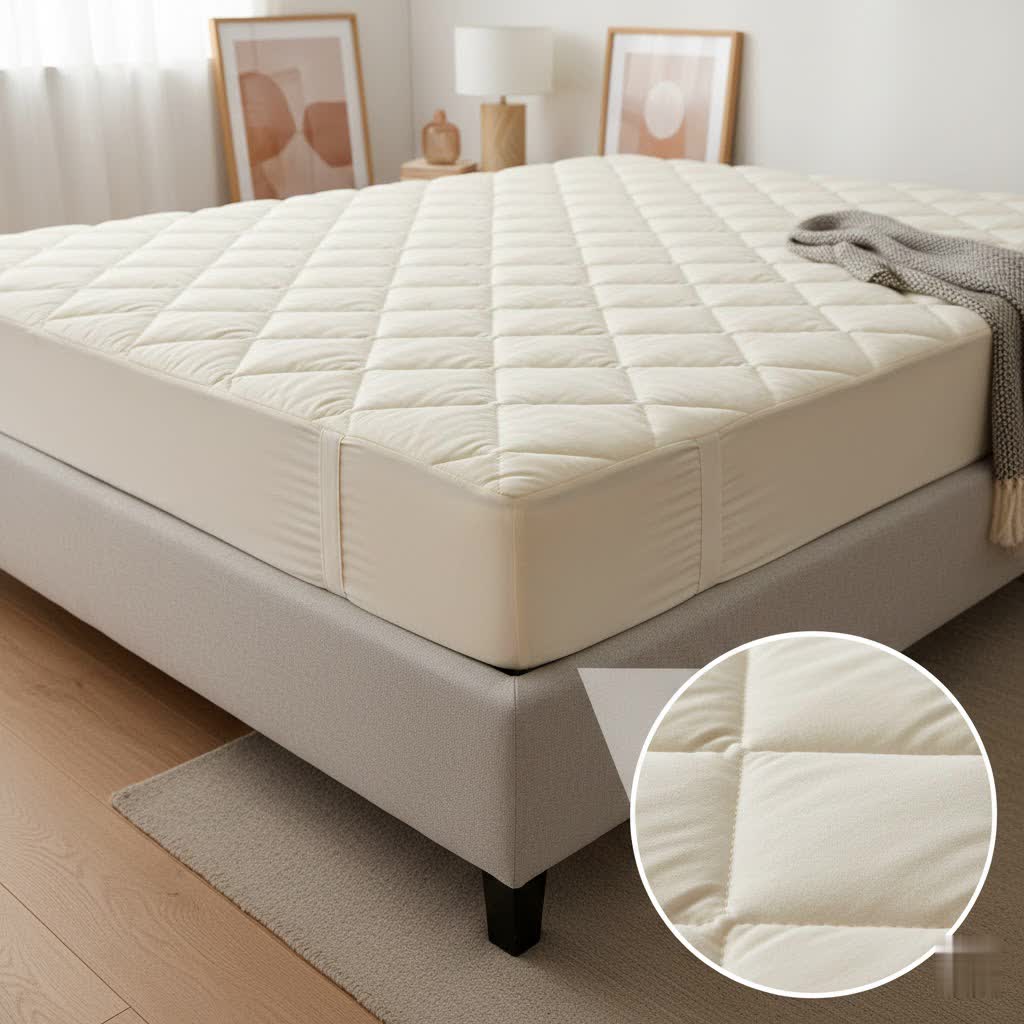
Are you tossing and turning on a twin bed that just isn’t providing the comfort you deserve? Perhaps your mattress is a little too firm, too soft, or simply showing its age. Instead of investing in a brand-new mattress, a high-quality twin mattress topper could be the game-changer you need to unlock truly restorative sleep. This guide will walk you through everything you need to know about selecting the ideal twin mattress topper to transform your sleep experience, from understanding different materials to choosing the right thickness and caring for your new bedding essential.
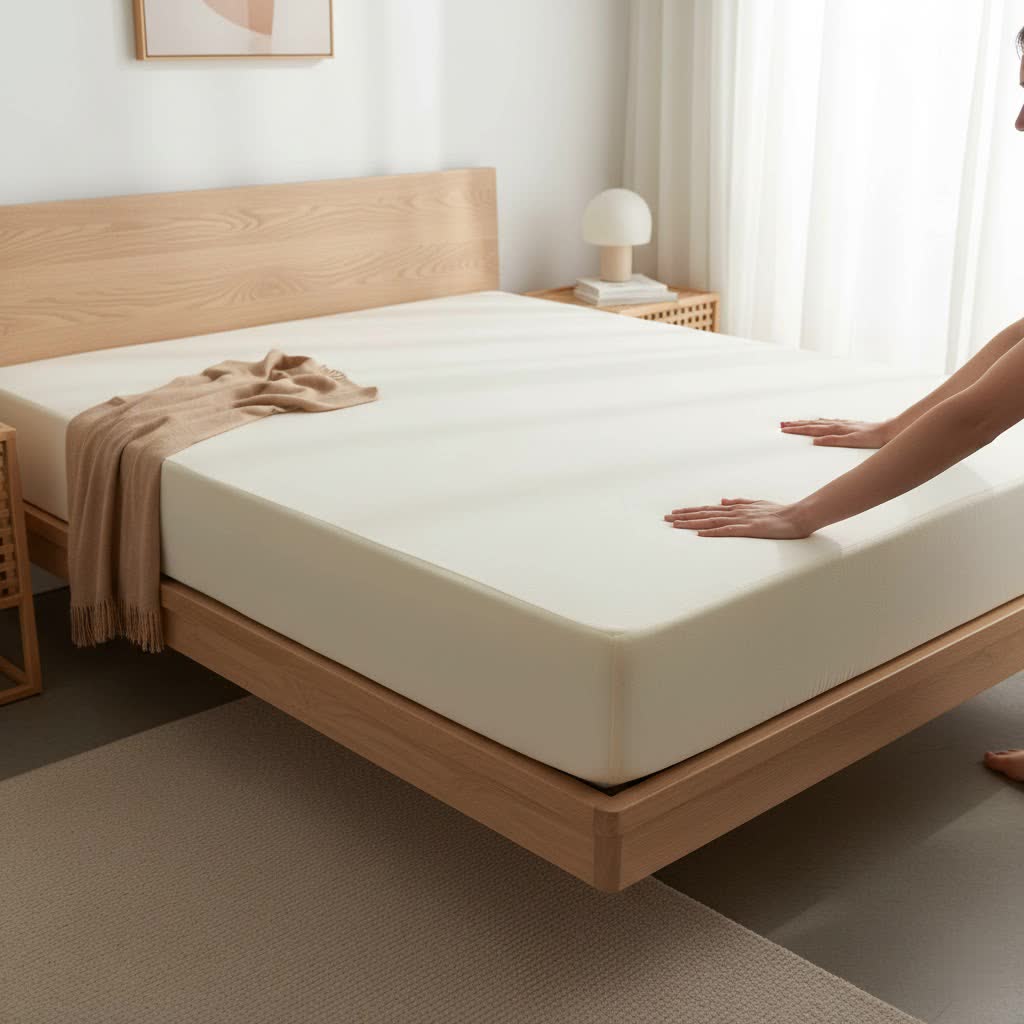
Understanding the Twin Mattress Topper: More Than Just a Layer
|
Our Picks for the Best Mattress Topper in 2026
We may earn a commission when you use one of our links to make a purchase.
|
||
| Num | Product | Action |
|---|---|---|
| 1 | 4 Inch Memory Foam Mattress Topper, Cooling Extra Thick 2000 GSM Pillow Top Mattress Pad for Back Pain Relief,Soft Breathable Mattress Cover for Fluffy Shredded Memory Foam Filled,(King,78“x80”) |

|
| 2 | EASELAND Queen Size Mattress Pad Pillow Top Mattress Cover Quilted Fitted Mattress Protector Cotton Top Stretches up 8-21" Deep Pocket Cooling Mattress Topper (60x80 inch, White) |
|
| 3 | SINWEEK 2 Inch Gel Memory Foam Mattress Topper Ventilated Soft Pressure Relieve Mattress Pad, Breathable Bed Topper, CertiPUR-US Certified, Twin Size |
|
| 4 | 4 Inch Memory Foam Mattress Topper - Extra Thick 2000 GSM Pillow Top Mattress Topper Body-Contouring Support for Back Pain Relief,Breathable Cover with 6"-18" Deep Pocket (Queen,60"x80") |
|
| 5 | LINENSPA Memory Foam Mattress Topper - 2 Inch Gel Infused Memory Foam - Plush Feel - Cooling and Pressure Relieving - CertiPUR Certified - Dorm Room Essentials - Queen Size |
|
| 6 | Dual Layer 4 Inch Memory Foam Mattress Topper King Size, 2" Cooling Gel Memory Foam & 2" Pillow Top, Mattress Pad Cover for Back Pain Relief, CertiPUR-US Certified, Deep Pocket Fits 21", White |
|
| 7 | 5 Inch Mega Support Memory Foam Queen Mattress Topper for Pressure Relief, Dual Layer 2.5" Pillow Top Mattress Topper Queen Plus 2.5" Cooling Gel Infused Memory Foam Mattress Pad |
|
| 8 | 2 Inch Thick Mattress Topper Queen - Viscose Made from Bamboo Pillow Top Memory Foam Mattress Pad for Back Pain, Ultra Soft & Cooling for Hot Sleepers, 6-18'' Deep Pocket, Green |
|
| 9 | LINENSPA Memory Foam Mattress Topper - 3 Inch Gel Infused Memory Foam - Plush Feel - Cooling and Pressure Relieving - CertiPUR Certified - Dorm Room Essentials - Queen Size |
|
| 10 | 3 Inch Ultra-Fluffy Memory Foam Mattress Topper Queen for Back Pain, Soft Comfy Pillow Top Queen Mattress Topper with 4X Support, Mattress Pad with Breathable Air Mesh Sides, 6-21'' Deep Pocket |
|
Before diving into the specifics, let’s clarify what a mattress topper truly is, especially when compared to a mattress pad. While both sit atop your mattress, their primary functions differ significantly. A mattress pad is typically a thinner layer, designed primarily for minor comfort enhancement and mattress protection against spills, allergens, and wear. It adds minimal height and doesn’t drastically alter the feel of your bed.
A mattress topper, on the other hand, is a more substantial addition, usually ranging from 2 to 4 inches (5 to 10 cm) in thickness. Its purpose is to noticeably change the feel and support of your existing twin mattress, making it softer, firmer, or providing targeted pressure relief. It’s an excellent solution for revitalizing an aging mattress, customizing the feel of a new one that isn’t quite right, or extending the lifespan of your current bed, all without the significant expense of a full mattress replacement. For a twin bed, a topper is a compact yet powerful upgrade that can make a world of difference.
Popular Types of Twin Mattress Toppers and Their Unique Benefits
The market offers a diverse range of twin mattress toppers, each crafted from different materials designed to meet specific sleep needs and preferences. Understanding these options is the first step toward finding your perfect match.
Memory Foam Toppers
Memory foam is renowned for its unique ability to contour precisely to your body’s shape, distributing weight evenly and relieving pressure points. If you experience aches, pains, or restless nights, a memory foam twin topper can offer exceptional support and cushioning, creating a sensation of being cradled. While traditional memory foam can sometimes retain heat, many modern options are infused with cooling gels or graphite to dissipate warmth and ensure a more comfortable sleep temperature.
Latex Toppers
For those seeking a more natural and responsive feel, latex mattress toppers are an excellent choice. Derived from rubber trees, latex is known for its incredible durability, bounce, and breathability. It provides buoyant support that contours without the deep “sink” of memory foam, making it easier to change positions during the night. Latex is also naturally hypoallergenic, resistant to dust mites and mold, and inherently breathable, making it a great option for hot sleepers or those with allergies.
Feather and Down Toppers
If luxurious softness and a cloud-like feel are what you crave, a feather or down mattress topper could be your ideal solution. These toppers are filled with a blend of feathers and soft down, offering plush comfort that makes your bed feel instantly more inviting. They are also highly breathable. However, feather toppers often require regular fluffing to maintain their loft and can be a concern for individuals with feather allergies. Down alternative options provide a similar soft feel without the allergens.
Wool Toppers
Wool mattress toppers stand out for their exceptional temperature-regulating properties. Wool fibers naturally wick away moisture and allow for airflow, keeping you warm in the winter and cool in the summer, creating an ideal sleep microclimate year-round. These natural toppers offer a soft, resilient layer of comfort and are naturally hypoallergenic and resistant to dust mites. They provide gentle cushioning and are a fantastic choice for sleepers sensitive to temperature fluctuations.
Synthetic/Fiberfill Toppers
Synthetic, or fiberfill, mattress toppers are typically made from polyester fibers. They are generally the most affordable option, offering a soft, plush layer that can enhance comfort. These toppers are often lightweight and easy to clean, making them a practical choice for budget-conscious shoppers or those looking for a temporary comfort boost. However, they tend to be less supportive and durable than other materials, and may flatten more quickly over time.
How to Choose the Ideal Twin Mattress Topper
Selecting the best twin mattress topper involves considering several personal factors to ensure it aligns perfectly with your sleep preferences and needs.
Evaluate Your Sleep Needs
Your current sleep issues are the most important guide. Do you need to soften a mattress that feels too firm, or add support to one that’s too soft? Do you wake up with back pain or pressure point discomfort? Hot sleepers should prioritize materials known for breathability and cooling.
Your primary sleeping position also plays a crucial role:
- Side sleepers often benefit from thicker, softer toppers (like memory foam or plush latex) that cushion the shoulders and hips, relieving pressure.
- Back sleepers typically need a balance of support and cushioning, finding comfort in medium-firm memory foam or responsive latex that maintains spinal alignment.
- Stomach sleepers generally require a thinner, firmer topper to prevent their hips from sinking too far, which can lead to lower back strain.
Consider Thickness and Density
The thickness of your twin mattress topper directly impacts its ability to change the feel of your bed.
- 1-2 inches (2-5 cm): Offers a subtle improvement in softness or cushioning, ideal for mattresses that are almost perfect but need a slight adjustment.
- 3-4 inches (5-10 cm): Provides a more significant alteration to firmness or softness, offering substantial pressure relief and support. This range is popular for transforming overly firm or sagging mattresses.
Density, especially in foam toppers, refers to how much material is packed into a given space. Higher density usually means more durability and support, but also potentially more heat retention unless specifically designed for cooling.
Twin Size Compatibility
Always measure your twin mattress before purchasing. While most twin toppers are standard, variations like “twin XL” are common, especially for dorm rooms. Ensuring the topper precisely matches your mattress dimensions will prevent shifting and create a seamless sleep surface.
Attachment Mechanisms
Some toppers come with elastic straps on the corners or even a skirt, similar to a fitted sheet, to secure them to your mattress. These features are invaluable for preventing the topper from shifting or bunching up during the night, especially for restless sleepers.
Certifications and Quality
Look for certifications such as CertiPUR-US for foam products, which ensures they are made without harmful chemicals and low VOC (Volatile Organic Compound) emissions. Oeko-Tex Standard 100 certification indicates that textiles are free from harmful substances. These certifications provide peace of mind regarding the safety and quality of the materials used.
Budget Considerations
Mattress toppers vary widely in price based on material, thickness, and brand. Synthetic toppers are generally the most affordable, while high-quality latex, memory foam, and wool toppers represent a greater investment. Determine your budget, but remember that a good topper is an investment in your sleep quality and mattress longevity.
Comparing Popular Twin Mattress Topper Materials
To help you make an informed decision, here’s a quick comparison of the most popular twin mattress topper materials:
| Feature | Memory Foam | Latex | Feather/Down | Wool | Synthetic/Fiberfill |
|---|---|---|---|---|---|
| Softness/Feel | High (cradling) | Medium (responsive) | Very High (plush) | Medium (resilient) | Medium (fluffy) |
| Support | Good | Excellent | Low | Good | Low |
| Pressure Relief | Excellent | Good | Fair | Good | Fair |
| Breathability | Low (can be hot) | High | Medium | Excellent | Medium |
| Durability | Medium | Excellent | Low-Medium | Good | Low |
| Price Range | Medium | High | Medium-High | High | Low |
| Hypoallergenic | Can be | Naturally | Low | Naturally | Often |
| Maintenance | Spot clean | Spot clean | Fluff often | Spot clean/Air | Machine washable (some) |
Top Twin Mattress Topper Recommendations
While personal preference is paramount, certain types of twin mattress toppers consistently deliver excellent results for specific needs:
- For Pressure Relief and Body Contouring: Look for memory foam toppers, especially those with a density of 3-4 inches. These are excellent for side sleepers or individuals with joint pain.
- For Cooling and Responsive Support: A latex twin topper is often recommended. Its natural breathability and buoyant feel prevent heat buildup while providing robust support. Gel-infused memory foam is another strong contender for hot sleepers.
- For Hypoallergenic and Natural Comfort: Latex and wool toppers are top choices. They resist allergens naturally and provide a clean, healthy sleep environment.
- For a Luxurious, Plush Feel: A thick feather or down alternative topper will add significant softness and comfort, making your twin bed feel like a luxury hotel experience.
- For Budget-Friendly Improvement: Synthetic fiberfill toppers offer an economical way to add a layer of softness to a firm mattress, providing a noticeable comfort upgrade without breaking the bank.
Care and Maintenance Tips for Your Twin Mattress Topper
Proper care extends the life and performance of your twin mattress topper, ensuring you enjoy its benefits for years to come.
- Cleaning: Always check the manufacturer’s instructions, as cleaning methods vary by material. Many toppers require spot cleaning with mild detergent and water. Some synthetic or down alternative toppers may have removable, machine-washable covers, which is a significant convenience. Memory foam and latex generally cannot be machine washed.
- Air Out Regularly: Toppers, especially foam ones, can benefit from being aired out periodically to prevent moisture buildup and refresh the material.
- Use a Mattress Protector: Placing a mattress protector over your topper (and mattress) adds an extra layer of defense against spills, stains, and allergens, keeping both your mattress and topper in pristine condition.
- Rotate and Flip: Some toppers can benefit from being rotated head-to-foot or even flipped every few months to ensure even wear and maintain their shape.
“A quality mattress topper isn’t just about adding a layer; it’s about intelligently redesigning your sleep surface to meet your body’s unique demands, proving that sometimes, the smallest change yields the biggest comfort.” – Dr. Eleanor Vance, Sleep Ergonomics Specialist
Conclusion
Investing in the right twin mattress topper is a simple yet powerful step towards achieving more comfortable, supportive, and restful sleep. By understanding the distinct properties of materials like memory foam, latex, feather, wool, and synthetic fibers, and by carefully considering your personal needs, thickness preferences, and quality certifications, you can confidently choose a topper that transforms your twin bed into a personal oasis. Remember, better sleep leads to a better you. Which twin mattress topper will you choose to elevate your sleep experience tonight?
Frequently Asked Questions
What is the difference between a twin mattress pad and a twin mattress topper?
A twin mattress pad is typically a thin layer designed for minor comfort and mattress protection against spills and allergens. In contrast, a twin mattress topper is a thicker, more substantial layer (usually 2-4 inches) specifically designed to significantly alter the feel, firmness, or softness of your mattress and provide enhanced support.
How thick should a twin mattress topper be?
The ideal thickness depends on your needs. A 1-2 inch topper offers subtle cushioning for minor adjustments, while a 3-4 inch topper provides more significant changes to firmness, pressure relief, and support, making it suitable for older mattresses or those needing substantial comfort modifications.
Can a twin mattress topper fix a sagging mattress?
While a twin mattress topper can temporarily improve the comfort of a slightly sagging mattress by adding a new layer of support or cushioning, it cannot fully “fix” a severely sagging or structurally damaged mattress. It acts as a band-aid rather than a permanent solution for significant structural issues.
How do you clean a twin mattress topper?
Cleaning methods vary by material. Most memory foam and latex toppers require spot cleaning with a mild detergent and water, while some synthetic or down alternative toppers may have removable covers that are machine washable. Always consult the manufacturer’s specific care instructions for your topper.