Waking up with a stiff, aching back can set a negative tone for your entire day. If your mattress feels more like a source of discomfort than a sanctuary, you’re not alone. Many people experience back pain due to inadequate sleep support, leading to restless nights and fatigued mornings. Before you consider investing in an entirely new mattress, a high-quality mattress topper specifically designed for back pain relief might be the transformative solution you need. This guide will walk you through everything you need to know to select the perfect mattress topper to restore your sleep and alleviate back discomfort.
Understanding Mattress Toppers for Back Pain
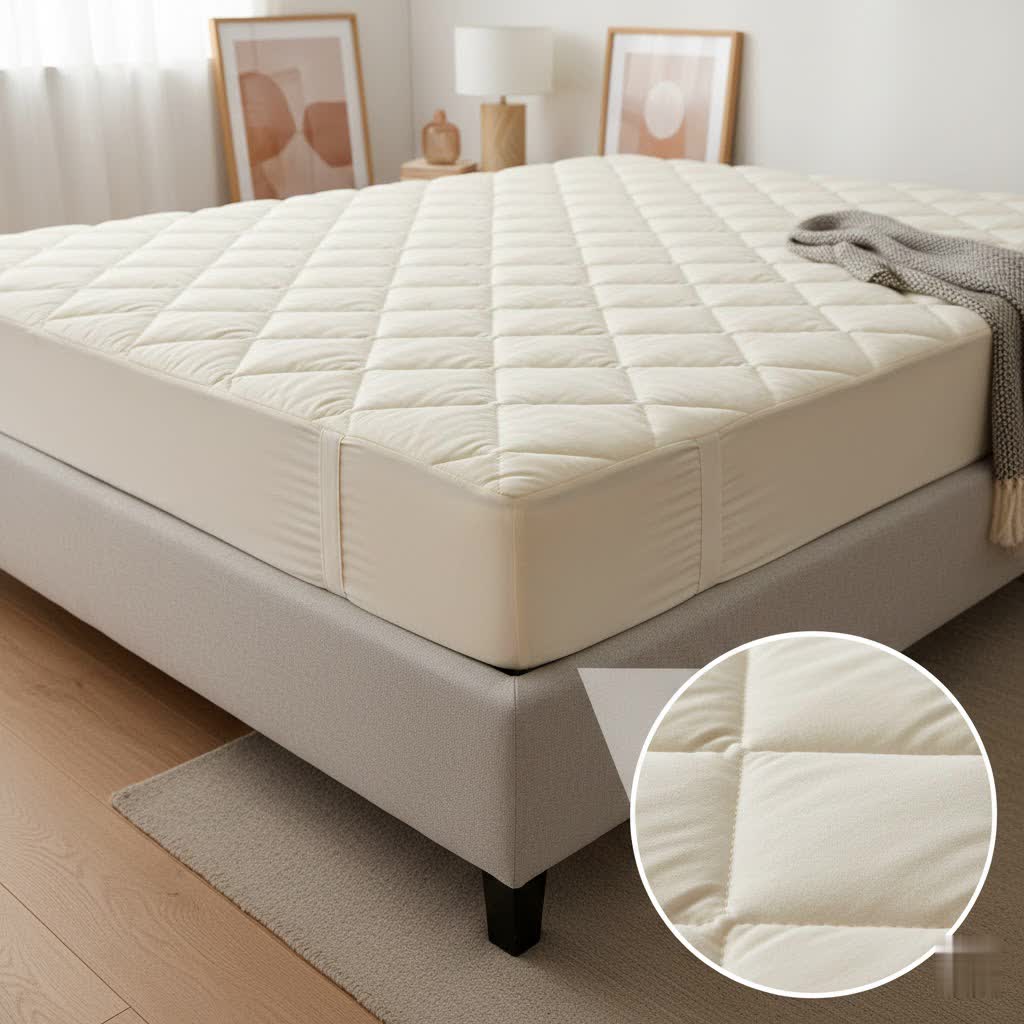
A mattress topper is a removable layer placed on top of your existing mattress, designed to enhance its feel, provide additional comfort, and offer crucial support. For those suffering from back pain, the right topper can significantly improve sleep quality by addressing common issues that exacerbate discomfort.
Mattress toppers can alleviate back pain by:
- Easing lower back strain: They reduce pressure on the lumbar area, which often bears the brunt of an unsupportive bed.
- Supporting spinal alignment: A good topper helps maintain the natural S-shaped curve of your spine, keeping it in a healthier, neutral position throughout the night.
- Reducing morning stiffness: By providing consistent support and cushioning, toppers can help you wake up with less discomfort and greater mobility.
- Adapting firmness: They can transform a mattress that’s either too hard or too soft, bringing it closer to the ideal medium-firm feel.
- Promoting muscle relaxation: Cushioning sensitive areas along the spine allows your muscles to relax fully, rather than tensing to compensate for poor support.
Types of Mattress Toppers: Pros and Cons for Back Pain
When seeking relief from back pain, the material of your mattress topper is paramount. Different materials offer distinct benefits and drawbacks.
Memory Foam Toppers
|
Our Picks for the Best Mattress Topper in 2026
We may earn a commission when you use one of our links to make a purchase.
|
||
| Num | Product | Action |
|---|---|---|
| 1 | LINENSPA Memory Foam Mattress Topper - 2 Inch Gel Infused Memory Foam - Plush Feel - Cooling and Pressure Relieving - CertiPUR Certified - Dorm Room Essentials - Queen Size |

|
| 2 | Dual Layer 4 Inch Memory Foam Mattress Topper King Size, 2" Cooling Gel Memory Foam & 2" Pillow Top, Mattress Pad Cover for Back Pain Relief, CertiPUR-US Certified, Deep Pocket Fits 21", White |
|
| 3 | 4 Inch Memory Foam Mattress Topper, Cooling Extra Thick 2000 GSM Pillow Top Mattress Pad for Back Pain Relief,Soft Breathable Mattress Cover for Fluffy Shredded Memory Foam Filled,(King,78“x80”) |
|
| 4 | 5 Inch Mega Support Memory Foam Queen Mattress Topper for Pressure Relief, Dual Layer 2.5" Pillow Top Mattress Topper Queen Plus 2.5" Cooling Gel Infused Memory Foam Mattress Pad |
|
| 5 | 4 Inch Memory Foam Mattress Topper - Extra Thick 2000 GSM Pillow Top Mattress Topper Body-Contouring Support for Back Pain Relief,Breathable Cover with 6"-18" Deep Pocket (Queen,60"x80") |
|
| 6 | LINENSPA Memory Foam Mattress Topper - 3 Inch Gel Infused Memory Foam - Plush Feel - Cooling and Pressure Relieving - CertiPUR Certified - Dorm Room Essentials - Queen Size |
|
| 7 | SINWEEK 2 Inch Gel Memory Foam Mattress Topper Ventilated Soft Pressure Relieve Mattress Pad, Breathable Bed Topper, CertiPUR-US Certified, Twin Size |
|
| 8 | EASELAND Queen Size Mattress Pad Pillow Top Mattress Cover Quilted Fitted Mattress Protector Cotton Top Stretches up 8-21" Deep Pocket Cooling Mattress Topper (60x80 inch, White) |
|
| 9 | 2 Inch Thick Mattress Topper Queen - Viscose Made from Bamboo Pillow Top Memory Foam Mattress Pad for Back Pain, Ultra Soft & Cooling for Hot Sleepers, 6-18'' Deep Pocket, Green |
|
| 10 | 3 Inch Ultra-Fluffy Memory Foam Mattress Topper Queen for Back Pain, Soft Comfy Pillow Top Queen Mattress Topper with 4X Support, Mattress Pad with Breathable Air Mesh Sides, 6-21'' Deep Pocket |
|
Memory foam is a highly popular choice due to its unique ability to contour closely to the body’s curves. It molds to your individual shape, distributing weight evenly and relieving pressure points along the shoulders, hips, and lower back. This “hug” sensation can be incredibly comforting for many. However, traditional memory foam can retain body heat, which might be a concern for hot sleepers. Newer innovations address this by incorporating gel, graphite, or copper infusions, or by using open-cell foam structures to enhance breathability and promote a cooler sleep surface.
Latex Toppers
Natural or organic latex toppers are celebrated for their supportive, responsive, and buoyant feel. Derived from rubber tree sap, latex is naturally breathable and durable, offering consistent support without the excessive sinking often associated with very soft foams. It contours to the body to maintain spinal alignment while still allowing for easy movement. Latex is also hypoallergenic, making it an excellent choice for those with allergies. While often more expensive, its longevity and inherent properties make it a worthwhile investment for many back pain sufferers.
Hybrid or Zoned Foam Toppers
Hybrid toppers combine different materials, often featuring a base of supportive coils topped with comfort layers of memory foam or latex. Zoned foam toppers, on the other hand, incorporate varying firmness levels across different sections of the topper to provide targeted support where it’s most needed, such as denser foam under the midsection to prevent hips from sinking too deeply. These designs offer a balanced approach, providing both contouring comfort and robust support, often with enhanced cooling features.
Other Materials
- Wool Toppers: Offer natural temperature regulation and a plush feel. However, they typically don’t provide the firm support necessary for severe back pain relief and proper spinal alignment.
- Down/Down Alternative Toppers: Known for their luxurious softness and a “pillow-top” feel. While comfortable, they generally lack the structural support required to address back pain effectively, as they don’t prevent sagging or promote proper alignment. Down alternative offers a similar feel at a lower price point and is often hypoallergenic.
Key Factors for Choosing the Perfect Mattress Topper
Finding the ideal Mattress Topper For Back Pain is a personal journey, influenced by several critical factors. Considering these elements will help you make an informed decision that leads to better sleep and less pain.
Firmness Level
For most individuals suffering from back pain, a medium-firm mattress topper is generally recommended. This firmness strikes a crucial balance: it’s soft enough to cushion sensitive pressure points like the hips and shoulders, but firm enough to provide robust support and keep your spine in a neutral, healthy alignment. A topper that is too soft can allow your hips to sink out of alignment, exacerbating lower back pain, while one that is too firm may create new pressure points and tension.
“The right type of mattress topper can alleviate lower back pain with proper spinal alignment and medium-firm to firm support. Insufficient support or wrong firmness can exacerbate it.” – Dr. Raj Dasgupta, MD, FACP, FCCP, FAASM, Sleep Expert
Thickness
The thickness of a mattress topper significantly impacts its ability to alter the feel of your bed and provide adequate support. Toppers typically range from 1 to 5 inches thick. For back pain relief, a thickness between 2 and 4 inches is often ideal, with 3 inches being a popular sweet spot for many sleepers.
- Side Sleepers: May benefit from a thicker topper (3 to 4 inches) to provide ample cushioning for the hips and shoulders, allowing them to sink in comfortably without misalignment.
- Back Sleepers: Often do well with a medium option (2 to 3 inches) that offers a good balance of comfort and lumbar support.
- Stomach Sleepers: Generally require a thinner topper (1 to 2 inches) to prevent the pelvis from sinking too deeply, which can strain the lower back. A very firm topper of any thickness can also work.
Sleeping Position
Your preferred sleeping position dictates where your body needs the most support and pressure relief.
- Back Sleepers: Need a topper that supports the natural curvature of the spine, filling the gap in the lower back while preventing the hips from sinking too far. Medium-firm options with good contouring are usually best.
- Side Sleepers: Require significant pressure relief at the shoulders and hips, the body’s widest points. A thicker, softer topper (often memory foam or softer latex) can cushion these areas to keep the spine straight.
- Stomach Sleepers: Benefit from a firmer topper that keeps the body on a flatter plane, preventing the abdomen and pelvis from sinking and arching the lower back.
Body Weight
Your body weight influences how a mattress topper feels and performs.
- Lighter Individuals (under 130 lbs): May find even medium-firm toppers feel quite firm. They might need a softer or thinner topper to achieve enough sinkage for pressure relief.
- Heavier Individuals (over 230 lbs): Tend to sink more deeply into sleep surfaces. They typically require a thicker, firmer, and more supportive topper to prevent bottoming out and ensure proper spinal alignment.
Current Mattress Condition
A mattress topper can revitalize an older mattress by adding a new layer of comfort and support. If your current mattress is too firm, too soft, or has developed minor indentations, a topper can make a noticeable difference. However, it’s important to understand that a topper cannot fully compensate for a severely sagging, worn-out, or completely unsupportive mattress. In such cases, a new mattress might be the more appropriate solution.
Cooling Properties
Overheating during sleep can disrupt your rest and exacerbate discomfort. If you tend to sleep hot, consider toppers with specific cooling features. Materials like natural latex are inherently more breathable, while memory foam toppers often come infused with gel, graphite, or copper to dissipate heat. Covers made from breathable fabrics like organic cotton or GlacioTex technology also contribute to temperature regulation.
Certifications
Look for certifications that guarantee the safety and quality of the materials used.
- CertiPUR-US: Ensures foam is made without harmful chemicals like ozone depleters, heavy metals, formaldehyde, and phthalates, and has low VOC (Volatile Organic Compound) emissions for indoor air quality.
- Oeko-Tex: Certifies that every component of the product, from the fabric to the thread, has been tested for harmful substances.
- GOTS (Global Organic Textile Standard) & GOLS (Global Organic Latex Standard): Certify organic materials and sustainable processing for textiles and latex, respectively. These are particularly relevant for natural and organic toppers.
Comparing Popular Mattress Topper Materials for Back Pain
To help you visualize the differences, here’s a comparison of the most common mattress topper materials for back pain:
| Feature | Memory Foam | Latex | Lông Vũ | Sợi Tổng Hợp |
|---|---|---|---|---|
| Độ êm ái | Cao, ôm sát cơ thể | Trung bình, đàn hồi | Rất cao, mềm mại | Trung bình |
| Độ thoáng khí | Thấp (trừ khi có công nghệ cooling) | Cao, tự nhiên thoáng khí | Cao | Trung bình |
| Độ bền | Trung bình | Cao, rất bền | Trung bình | Thấp |
| Giá cả | Trung bình | Cao | Cao | Rẻ |
| Hỗ trợ cột sống | Tốt, giảm áp lực | Tốt, giữ đường cong tự nhiên | Kém | Kém |
| Dễ vệ sinh | Thường có vỏ bọc có thể giặt | Thường có vỏ bọc có thể giặt, tự nhiên kháng khuẩn | Cần vệ sinh khô | Dễ giặt máy |
Note: The table reflects general characteristics; specific products may vary based on design and density.
Top Mattress Topper Features for Back Pain Relief
While individual product recommendations are vast, understanding the characteristics that make certain toppers highly effective for back pain will guide your choice. Look for toppers that incorporate:
- Zoned Support: Designed with different firmness levels in specific areas to provide targeted relief, often firmer under the midsection and softer for shoulders and hips.
- Graphite or Gel Infusions: Common in memory foam to draw heat away from the body, preventing overheating that can disrupt sleep.
- Copper Infusions: Offer cooling properties and often natural antimicrobial benefits for a fresher sleep environment.
- High-Density Foams: Whether memory foam or latex, higher density generally translates to better durability and more consistent support over time, crucial for maintaining spinal alignment.
- Organic Materials: For those seeking natural and chemical-free options, organic latex and cotton covers provide excellent breathability and support without harmful substances.
Tips for Using and Maintaining Your Mattress Topper
To maximize the lifespan and effectiveness of your mattress topper, proper care is essential:
- Use a Protective Cover: A good quality mattress protector will shield your topper from spills, dust mites, and allergens, preserving its condition and hygiene.
- Rotate Periodically: Rotating your topper every few months can help distribute wear evenly, preventing indentations and maintaining consistent support across the entire surface.
- Follow Cleaning Instructions: Always adhere to the manufacturer’s specific cleaning and care guidelines. Some covers are machine washable, while foam or latex cores often require spot cleaning and air drying.
- Consider Allergy-Friendly Options: If you have allergies, opt for hypoallergenic materials like natural latex or down alternative, and ensure the cover is easily washable to minimize allergen buildup.
Conclusion
Finding the right mattress topper for back pain can significantly transform your nightly rest, moving you from tossing and turning to waking up refreshed and pain-free. By focusing on the ideal firmness, material, thickness, and considering your unique sleeping style and body weight, you can select a topper that provides the perfect blend of support and comfort. Remember, while a quality mattress topper can dramatically improve your sleep environment, persistent or severe back pain may also warrant a consultation with a healthcare professional. Invest in your sleep, and you invest in your overall well-being. What small change will you make tonight to take the first step towards a pain-free morning?
Câu Hỏi Thường Gặp
How thick should a mattress topper be for back pain?
The ideal thickness generally ranges from 2 to 4 inches. Side sleepers may prefer 3-4 inches for cushioning, back sleepers 2-3 inches for balanced support, and stomach sleepers 1-2 inches or a very firm option to prevent hip sinking and maintain spinal alignment.
Can a mattress topper make your back hurt worse?
Yes, a poorly chosen mattress topper can exacerbate back pain. If a topper is too soft for your body type or sleeping position, it can cause your hips to sink, misaligning your spine. Conversely, one that’s too firm might create new pressure points.
Is memory foam good for back pain?
Yes, memory foam can be excellent for back pain. Its ability to contour to your body provides exceptional pressure relief and fills in the lumbar region, promoting proper spinal alignment. Look for options with cooling infusions if you tend to sleep hot.
Is a soft or firm mattress topper better for back pain?
It depends on your current mattress and personal preference. If your mattress is too soft, a firmer topper can add support. If it’s too firm, a softer, pressure-relieving topper is beneficial. Most experts recommend aiming for a medium-firm overall sleep surface.
Do mattress toppers really help with back pain?
Yes, a well-chosen mattress topper can significantly help with back pain, especially if your current mattress lacks adequate support or cushioning. It can revitalize an aging bed, provide better spinal alignment, and relieve pressure points, leading to a more comfortable and restorative sleep.
Are bamboo mattress toppers good for back pain?
Bamboo mattress toppers often combine comfortable cushioning with breathable, moisture-wicking properties, which can help regulate temperature. While they can support spinal alignment, their effectiveness for back pain largely depends on the core material (e.g., memory foam or latex) and its firmness.
Are cooling mattress toppers effective for back pain?
Cooling mattress toppers do not directly cure back pain, but they significantly improve overall sleep comfort by preventing overheating. Better temperature regulation can lead to more restful, uninterrupted sleep, which indirectly aids in pain management and recovery.