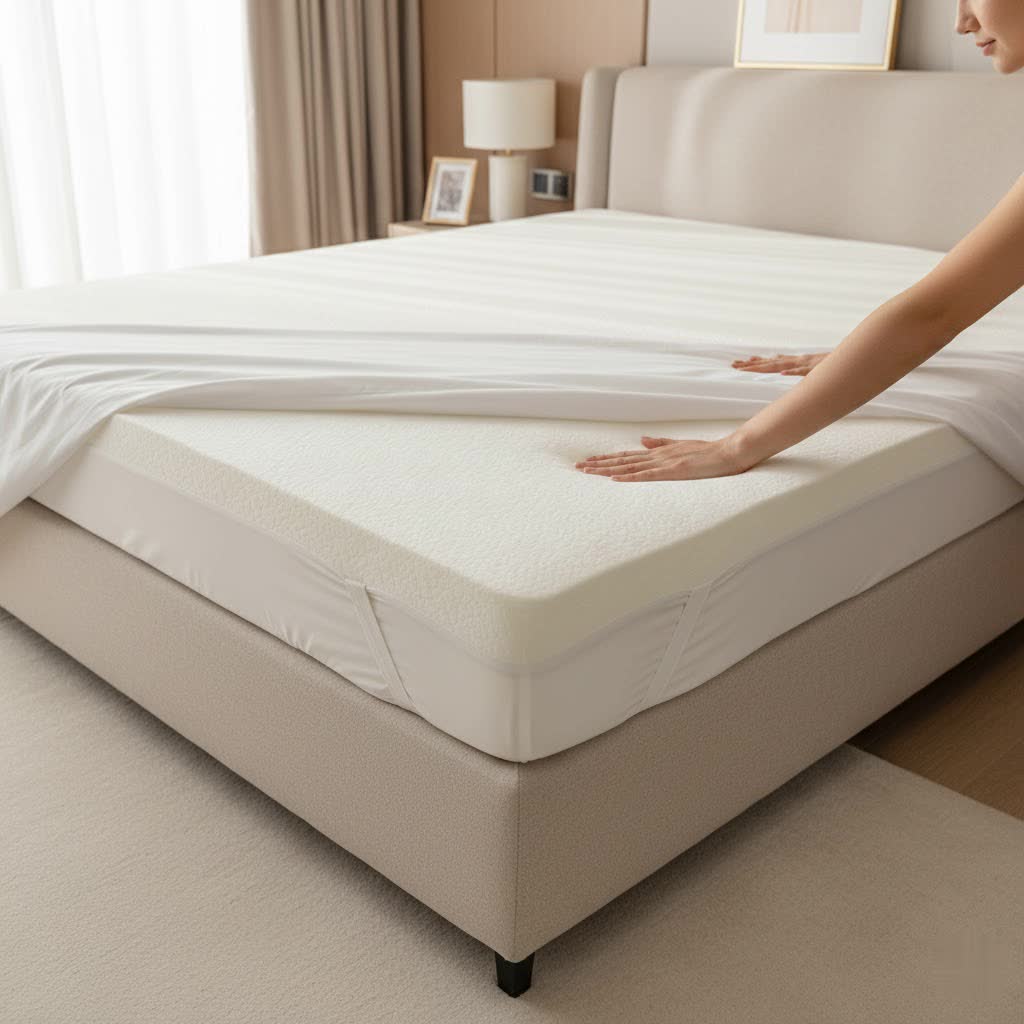
Waking up in a sweat, tossing and turning through the night – if this sounds familiar, you’re likely one of the many hot sleepers desperately seeking relief. The relentless discomfort of an overheating mattress can turn restful sleep into a frustrating struggle, impacting your mood, energy, and overall well-being. But what if there was a simple, effective solution to improve your bed into a refreshing haven? Enter the cooling mattress topper, a major upgrade designed to whisk away heat and humidity, offering a fresh, comfortable sleep surface. This comprehensive guide will navigate the world of cooling mattress toppers, exploring their types, technologies, and how to choose the perfect one to ensure you wake up revitalized and cool, every single morning.
What is a Cooling Mattress Topper and Why Do You Need One?
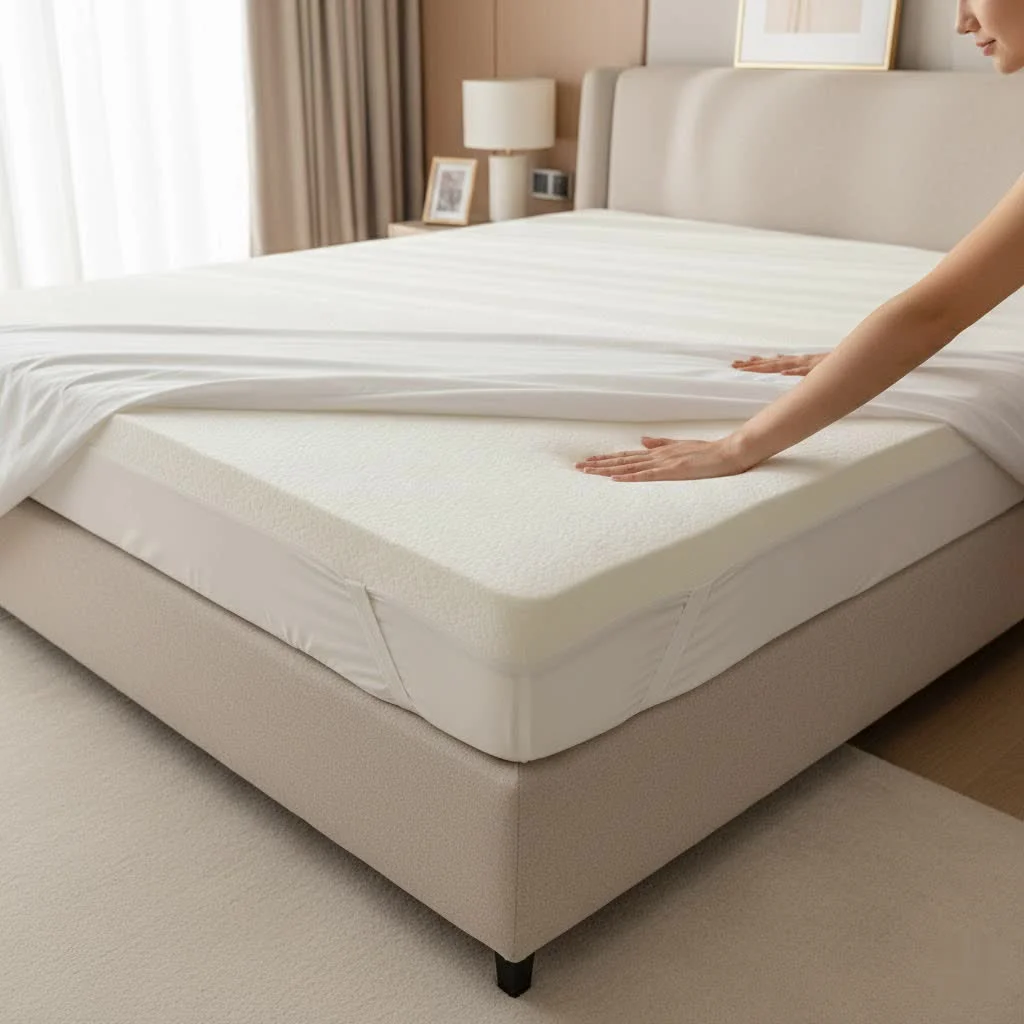
A cooling mattress topper is an additional layer placed on top of your existing mattress, specifically engineered with materials and designs that promote temperature regulation. Unlike standard mattress toppers that primarily focus on comfort or support, cooling versions actively work to dissipate heat, enhance airflow, and often wick away moisture to keep your body temperature stable throughout the night.
The need for a cooling mattress topper often arises from various factors, including a naturally warm body temperature, certain medical conditions, hot climates, or even simply owning a mattress that traps heat, such as traditional memory foam. By introducing a cooling layer, you can effectively counteract these issues, preventing night sweats, reducing restless tossing and turning, and maintaining an optimal sleep temperature year-round. Beyond temperature control, these toppers can also extend the lifespan of your mattress and add an extra layer of personalized comfort, making them a wise investment for a significantly improved sleep experience.
Popular Types of Cooling Mattress Toppers and How They Work
The market offers a diverse range of cooling mattress toppers, each employing unique materials and technologies to combat heat. Understanding these variations is key to finding the one that best suits your specific needs.
Gel-Infused Memory Foam
Gel-infused memory foam toppers offer the familiar contouring comfort of traditional memory foam but with added cooling benefits. These toppers incorporate gel beads, liquid gel, or swirling gel into the foam structure. The gel works by absorbing and dissipating heat away from your body, preventing the common issue of heat retention associated with standard memory foam. While they provide excellent pressure relief, the effectiveness of their cooling can vary, with more advanced designs featuring open-cell structures or increased gel content offering superior heat dispersion.
Latex
|
Our Picks for the Best Mattress Topper in 2026
As an Amazon Associate I earn from qualifying purchases.
|
||
| Num | Product | Action |
|---|---|---|
| 1 | LINENSPA Memory Foam Mattress Topper - 2 Inch Gel Infused Memory Foam - Plush Feel - Cooling and Pressure Relieving - CertiPUR Certified - Dorm Room Essentials - Queen Size |

|
| 2 | SINWEEK 2 Inch Gel Memory Foam Mattress Topper Ventilated Soft Pressure Relieve Mattress Pad, Breathable Bed Topper, CertiPUR-US Certified, Twin Size |
|
| 3 | 2 Inch Thick Mattress Topper Queen - Viscose Made from Bamboo Pillow Top Memory Foam Mattress Pad for Back Pain, Ultra Soft & Cooling for Hot Sleepers, 6-18'' Deep Pocket, Green |
|
| 4 | 3 Inch Ultra-Fluffy Memory Foam Mattress Topper Queen for Back Pain, Soft Comfy Pillow Top Queen Mattress Topper with 4X Support, Mattress Pad with Breathable Air Mesh Sides, 6-21'' Deep Pocket |
|
| 5 | 4 Inch Memory Foam Mattress Topper - Extra Thick 2000 GSM Pillow Top Mattress Topper Body-Contouring Support for Back Pain Relief,Breathable Cover with 6"-18" Deep Pocket (Queen,60"x80") |
|
| 6 | EASELAND Queen Size Mattress Pad Pillow Top Mattress Cover Quilted Fitted Mattress Protector Cotton Top Stretches up 8-21" Deep Pocket Cooling Mattress Topper (60x80 inch, White) |
|
| 7 | Dual Layer 4 Inch Memory Foam Mattress Topper King Size, 2" Cooling Gel Memory Foam & 2" Pillow Top, Mattress Pad Cover for Back Pain Relief, CertiPUR-US Certified, Deep Pocket Fits 21", White |
|
| 8 | 4 Inch Memory Foam Mattress Topper, Cooling Extra Thick 2000 GSM Pillow Top Mattress Pad for Back Pain Relief,Soft Breathable Mattress Cover for Fluffy Shredded Memory Foam Filled,(King,78“x80”) |
|
| 9 | 5 Inch Mega Support Memory Foam Queen Mattress Topper for Pressure Relief, Dual Layer 2.5" Pillow Top Mattress Topper Queen Plus 2.5" Cooling Gel Infused Memory Foam Mattress Pad |
|
| 10 | LINENSPA Memory Foam Mattress Topper - 3 Inch Gel Infused Memory Foam - Plush Feel - Cooling and Pressure Relieving - CertiPUR Certified - Dorm Room Essentials - Queen Size |
|
Latex mattress toppers are a natural and highly effective option for cooling. Derived from rubber trees, latex foam boasts an open-cell structure that inherently allows for greater airflow compared to many synthetic foams. This natural breathability helps to prevent heat buildup, making it an excellent choice for hot sleepers. Latex is also known for its responsiveness, durability, and hypoallergenic properties. It offers a buoyant, supportive feel that’s less “sink-in” than memory foam, and its naturally cool surface helps maintain a comfortable temperature.
Fiberfill (Cotton, Tencel, Bamboo, Wool, Synthetics)
Fiberfill toppers, made from materials like cotton, Tencel, bamboo, wool, or specialized synthetic blends, prioritize breathability and moisture-wicking properties. Cotton, Tencel, rayon, modal, and bamboo are cellulose fibers that are hydrophilic, meaning they absorb moisture and are naturally breathable, allowing air to circulate and wick away perspiration. [cite: 5 from “cooling mattress topper best materials”, 4 from “how cooling mattress toppers work”] Wool is also renowned for its natural temperature-regulating abilities, keeping you warm in winter and cool in summer by wicking moisture away from the body. Certain advanced synthetics are engineered to instantly wick moisture, facilitating rapid evaporation and a cooling effect. These toppers often provide a plush, soft feel, similar to a cloud, and are generally more affordable, though they may offer less deep pressure relief or support than foam options.
Phase Change Material (PCM) Toppers
Phase Change Material (PCM) toppers represent a modern approach to temperature regulation. These materials are designed to proactively absorb excess body heat when you are too warm and release it back when you cool down, thereby maintaining a consistent and ideal sleeping temperature throughout the night. Often integrated into the cover fabric or as a layer within the topper, PCM technology offers a dynamic cooling solution that adapts to your body’s needs. While they can be more expensive, their ability to actively manage temperature provides a superior cooling experience.
Active Cooling Toppers
For those seeking the most precise and powerful temperature control, active cooling toppers utilize systems with fans or circulating water to directly regulate the surface temperature of your bed. These systems often come with controls allowing you to set a specific temperature, providing a highly personalized cooling experience. While they offer unparalleled effectiveness, active cooling toppers are typically the most expensive option and require a power source, making them a significant investment for those with severe overheating issues.
Choosing the Perfect Cooling Mattress Topper: A Detailed Buying Guide
Selecting the right cooling mattress topper can significantly impact your sleep quality. Here’s a detailed guide to help you make an informed decision.
Identify Your Personal Needs
Before diving into materials, consider what you truly need from a topper:
- How hot do you sleep? If you’re a consistently hot sleeper or experience night sweats, you’ll need a topper with aggressive cooling properties like latex, PCM, or advanced gel-infused options. For moderate warmth, breathable fiberfills might suffice.
- Desired Feel: Do you prefer a soft, plush feel, contouring pressure relief, or firm, responsive support? Different materials offer distinct sensations.
- Allergies: If you have allergies, opt for hypoallergenic materials like natural latex or treated synthetics. Ensure any covers are easily washable.
- Budget: Cooling toppers vary widely in price. Set a realistic budget to narrow down your options. While active cooling systems are the most expensive, effective passive cooling toppers are available across various price points.
Select the Right Material
The material is the most critical factor for cooling effectiveness:
- Memory Foam (Gel-infused, Copper, Graphite): Ideal if you love the deep contouring and pressure relief of memory foam but need to counteract its heat retention. Look for high-density gel infusions, open-cell designs, or additives like copper and graphite for enhanced heat dissipation.
- Latex: A superb choice for natural breathability, durability, and responsive support. Its open-cell structure promotes airflow, keeping you cool without the “sink-in” feeling. Great for those who prefer a bouncier bed.
- Fiberfill (Cotton, Tencel, Bamboo, Wool, Synthetics): Best for adding a soft, breathable layer. Cotton and bamboo are excellent for moisture-wicking, while wool offers superb temperature regulation. Synthetics can be surprisingly effective for moisture control. These are generally less about deep support and more about comfort and airflow.
- Phase Change Material (PCM): For those willing to invest in advanced technology that actively regulates temperature by absorbing and releasing heat as needed, ensuring a consistently cool sleep surface.
Choose the Right Thickness
The thickness of a cooling mattress topper primarily influences the feel and level of support it provides. While material is paramount for cooling, a thicker topper made from poorly ventilated material might exacerbate heat issues.
- Thinner Toppers (1-2 inches): Generally offer a subtle change in feel and minor cooling enhancement, often seen with fiberfill or thin gel layers.
- Medium Toppers (2-3 inches): A popular choice for balancing comfort, support, and cooling. This thickness is common for gel memory foam or latex, providing noticeable pressure relief and temperature regulation.
- Thicker Toppers (4 inches or more): Can offer significant plushness or firm support. For cooling, ensure these thicker options utilize advanced open-cell designs, substantial gel infusions, or naturally breathable materials like latex to prevent heat entrapment.
Ensure the Correct Size
Always ensure the topper matches your mattress size precisely to prevent shifting and ensure a uniform sleeping surface. Most toppers are available in standard twin, twin XL, full, queen, king, and California king sizes.
Check for Safety Certifications
For peace of mind, look for certifications that indicate the topper meets strict standards for content, emissions, and durability:
- CertiPUR-US: This certification applies to foam products, ensuring they are made without harmful chemicals like ozone depleters, PBDEs, mercury, lead, and formaldehyde. It also certifies low VOC (Volatile Organic Compound) emissions for indoor air quality.
- Oeko-Tex Standard 100: This certification ensures that every component of the product, from the fabric to the thread and accessories, has been tested for harmful substances and is safe for human health.
Comparison of Popular Cooling Mattress Topper Types
To help you visualize the differences, here’s a comparative overview of common cooling mattress topper types:
| Feature | Gel Memory Foam | Latex | Fiberfill (Cotton/Tencel) | Wool | PCM |
|---|---|---|---|---|---|
| Cooling Effectiveness | Moderate (gel helps) | High (naturally breathable) | High (breathable/wicking) | High (temp regulating) | Very High (proactive) |
| Feel | Contouring, pressure relief | Responsive, bouncy | Soft, plush | Soft, insulative but regulating | Varied, often subtle |
| Breathability | Improved with gel/open-cell | High | High | High | High |
| Durability | Medium | High | Low to Medium | High | Medium |
| Price | Medium | High | Low to Medium | High | High |
| Support | Good | Excellent | Low to Medium | Low to Medium | Good |
| Maintenance | Spot clean, cover washable | Spot clean, cover washable | Machine washable (many) | Dry clean/spot clean | Spot clean, cover washable |
Top Cooling Mattress Topper Considerations
While I can’t recommend specific brands, understanding what makes a “top pick” can guide your selection:
- For Pressure Relief and Cooling: Look for advanced gel memory foam toppers with open-cell designs, sometimes infused with copper or graphite, offering excellent body contouring while mitigating heat retention. These are great for side sleepers or those with joint pain who also sleep hot.
- For Natural Breathability and Responsiveness: Natural latex toppers are often highlighted for their exceptional airflow, durability, and springy feel. They are ideal for sleepers who prefer a responsive surface and desire a chemical-free option.
- For Budget-Friendly Cooling and Softness: High-quality fiberfill toppers, especially those with Tencel, bamboo, or specialized moisture-wicking synthetics, can provide a breathable, plush layer at a more accessible price point. They are best for adding a gentle cooling touch and softness to a firmer mattress.
- For Ultimate Temperature Control: PCM-infused toppers or active cooling systems are for those who need precise, proactive temperature management and are willing to invest in advanced technology.
Tips for Using and Maintaining Your Cooling Mattress Topper
Proper care and usage will extend the life and maximize the cooling performance of your mattress topper.
- Follow Manufacturer’s Instructions: Always adhere to the specific cleaning and care guidelines provided by the topper’s manufacturer. Some covers are removable and machine washable, while others may require spot cleaning or professional dry cleaning. Incorrect cleaning can damage cooling properties or materials.
- Use Breathable Bedding: Pair your cooling topper with breathable sheets made from natural fibers like cotton, linen, or bamboo. These materials enhance airflow and wick away moisture, supporting the topper’s cooling efforts.
- Ensure Air Circulation: Occasionally remove your bedding to allow your mattress and topper to air out. This helps dissipate any trapped moisture and keeps the materials fresh. If your topper is reversible, flipping it periodically can also help prolong its lifespan and maintain its loft.
- Protective Cover: Consider using a breathable, waterproof mattress protector over your cooling topper to shield it from spills, stains, and allergens without hindering its temperature-regulating properties.
- For Allergy Sufferers: If you have allergies, regularly cleaning your topper’s cover (if removable) and ensuring good ventilation are crucial. Latex and wool are naturally resistant to dust mites, making them good choices.
“Many people underestimate the power of a truly cool sleep environment. It’s not just about comfort; it’s fundamental to restorative sleep and overall health.” – Dr. Alistair Finch, Sleep Science Expert
Conclusion
Choosing the right cooling mattress topper is a vital step toward achieving the deep, uninterrupted sleep you deserve. By understanding the diverse range of materials—from the contouring comfort of gel-infused memory foam to the natural breathability of latex, the plush feel of fiberfills, and the advanced technology of Phase Change Materials—you can confidently select a topper that addresses your unique needs. This simple addition to your bedding setup can transform an uncomfortable, heat-trapping mattress into a refreshing oasis, effectively combating night sweats and restless nights. Embrace the promise of cooler, more comfortable sleep, allowing your body to fully relax and rejuvenate. Are you ready to upgrade your sleep and finally wake up feeling truly refreshed?
Frequently Asked Questions
Do cooling mattress toppers really work?
Yes, cooling mattress toppers absolutely work by utilizing specific materials and designs to regulate body temperature, dissipate heat, enhance airflow, and wick away moisture. While effectiveness varies by product and technology, many hot sleepers report significant improvement in their sleep comfort with the right cooling topper.
What is the coolest mattress topper material?
Generally, natural latex and toppers infused with Phase Change Materials (PCM) are considered among the coolest. Latex is inherently breathable due to its open-cell structure, while PCM actively absorbs and releases heat to maintain a stable temperature. High-quality fiberfills made from bamboo or Tencel also offer excellent breathability and moisture-wicking.
Can I put a cooling topper on any mattress?
Yes, you can typically put a cooling mattress topper on any type of mattress, including innerspring, memory foam, latex, or hybrid. The topper acts as an independent layer, providing its cooling benefits regardless of the underlying mattress material. Ensure the topper’s size matches your mattress.
How thick should a cooling topper be?
The ideal thickness for a cooling topper depends more on your desired feel and support than solely on cooling. While thicker foam without cooling properties might trap heat, a 2-inch to 4-inch thick cooling topper made with breathable materials or advanced cooling technologies can offer significant comfort, support, and effective temperature regulation.
How do I clean a cooling mattress topper?
Cleaning instructions vary by material. Many toppers come with removable, machine-washable covers. For foam or latex cores, spot cleaning with a mild detergent and allowing it to air dry thoroughly is usually recommended. Always check the manufacturer’s specific care instructions to maintain the topper’s integrity and cooling properties.
Is a cooling mattress pad or topper better?
Mattress toppers are generally thicker and provide more significant changes to a bed’s feel, support, and cooling properties. Mattress pads are thinner, often quilted, and offer a more subtle cooling effect, primarily acting as a protective and lightly cushioned layer. For substantial cooling improvement, a topper is usually more effective.
What are phase change materials (PCMs)?
Phase Change Materials (PCMs) are substances that absorb and release thermal energy during processes like melting and freezing. In cooling mattress toppers, PCMs are designed to absorb excess body heat when you are warm and release it back when you cool down, thereby maintaining a consistent and comfortable microclimate around your body.
Get our weekly buyer guide
Practical specs, not advice. Unsubscribe anytime.
