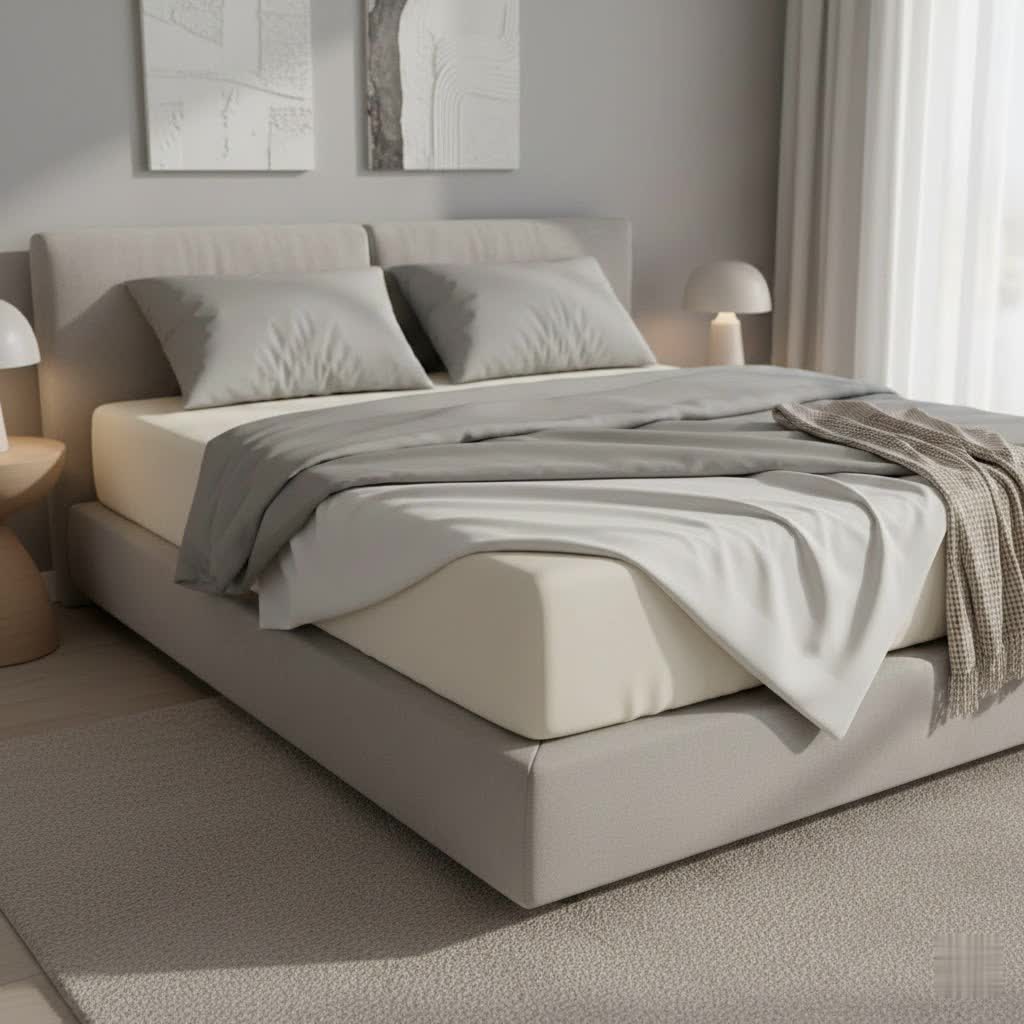
Tired of tossing and turning on a less-than-perfect twin mattress? Whether it’s for your child’s bed, a guest room, a bunk bed, or even a daybed, the quality of a twin mattress can significantly impact sleep and overall comfort. An investment in a high-quality twin bed mattress topper can transform an ordinary bed into a haven of rest and relaxation. This comprehensive guide, informed by years of expertise, will walk you through everything you need to know to select the ideal twin mattress topper, ensuring better sleep and extending the life of your mattress.
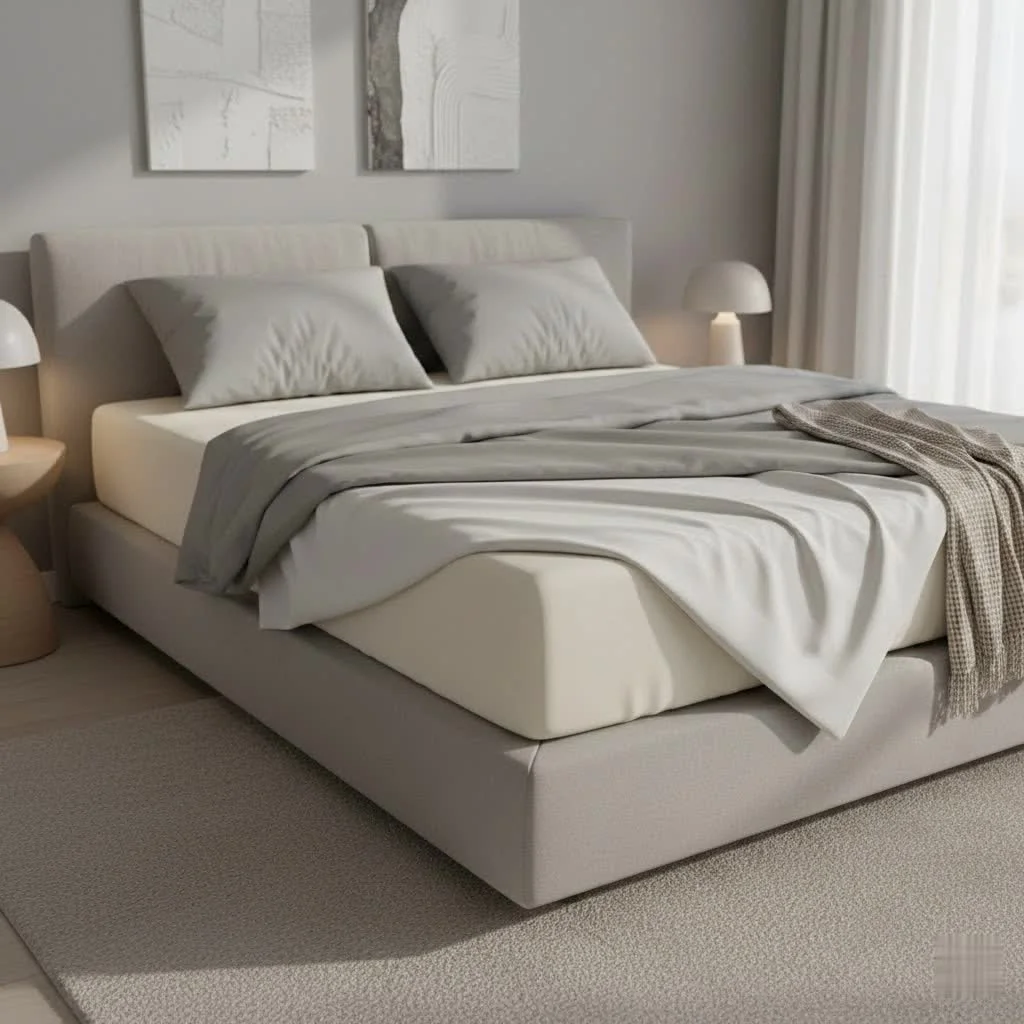
Understanding Twin Mattress Toppers
What is a Twin Mattress Topper and Why Do You Need One?
A twin mattress topper is an additional layer, typically measuring about 38 by 75 inches, designed to sit directly on top of your existing twin mattress. Its primary purpose is to enhance the sleeping surface, providing an extra layer of cushioning, support, or adjusting the overall firmness of your bed. Beyond just comfort, a topper can alleviate pressure points, promote better spinal alignment, and even prolong the lifespan of your mattress by protecting it from wear and tear. For expert mattress toppers reviews on this site.
Common Types of Twin Mattress Toppers
The market offers a diverse range of twin mattress toppers, each with unique characteristics and benefits. Understanding these types is crucial for making an informed decision.
- Memory Foam: Known for its contouring properties, memory foam molds to the body’s shape, distributing weight evenly and relieving pressure points. It’s excellent for pain relief and providing a “hugged” sensation.
- Gel-Infused Memory Foam: This is a popular variation of memory foam where gel particles or beads are infused into the foam. The gel helps dissipate heat, counteracting memory foam’s tendency to trap warmth, thus offering a cooler sleep experience.
- Latex: Derived from rubber trees, latex toppers are celebrated for their natural elasticity, durability, and responsiveness. They offer a buoyant feel, excellent support, and are naturally breathable, making them a good choice for hot sleepers.
- Down and Feather: These toppers are filled with natural down or feathers, providing an exceptionally soft, plush, and luxurious feel. They offer a “cloud-like” comfort but may not provide significant support and can require more meticulous care.
- Down Alternative/Synthetic Fiber: Typically made from polyester fibers, down alternative toppers mimic the softness and fluffiness of down without the potential allergens. They are often more affordable, hypoallergenic, and easier to clean.
- Hybrid Toppers: These combine different materials, such as a memory foam base with a down alternative pillow-top cover, to offer a balanced blend of support, plushness, and sometimes cooling features.
Pros and Cons of Each Topper Type
|
Our Picks for the Best Mattress Topper in 2026
As an Amazon Associate I earn from qualifying purchases.
|
||
| Num | Product | Action |
|---|---|---|
| 1 | 4 Inch Memory Foam Mattress Topper, Cooling Extra Thick 2000 GSM Pillow Top Mattress Pad for Back Pain Relief,Soft Breathable Mattress Cover for Fluffy Shredded Memory Foam Filled,(King,78“x80”) |

|
| 2 | SINWEEK 2 Inch Gel Memory Foam Mattress Topper Ventilated Soft Pressure Relieve Mattress Pad, Breathable Bed Topper, CertiPUR-US Certified, Twin Size |
|
| 3 | 3 Inch Ultra-Fluffy Memory Foam Mattress Topper Queen for Back Pain, Soft Comfy Pillow Top Queen Mattress Topper with 4X Support, Mattress Pad with Breathable Air Mesh Sides, 6-21'' Deep Pocket |
|
| 4 | 2 Inch Thick Mattress Topper Queen - Viscose Made from Bamboo Pillow Top Memory Foam Mattress Pad for Back Pain, Ultra Soft & Cooling for Hot Sleepers, 6-18'' Deep Pocket, Green |
|
| 5 | LINENSPA Memory Foam Mattress Topper - 3 Inch Gel Infused Memory Foam - Plush Feel - Cooling and Pressure Relieving - CertiPUR Certified - Dorm Room Essentials - Queen Size |
|
| 6 | 4 Inch Memory Foam Mattress Topper - Extra Thick 2000 GSM Pillow Top Mattress Topper Body-Contouring Support for Back Pain Relief,Breathable Cover with 6"-18" Deep Pocket (Queen,60"x80") |
|
| 7 | Dual Layer 4 Inch Memory Foam Mattress Topper King Size, 2" Cooling Gel Memory Foam & 2" Pillow Top, Mattress Pad Cover for Back Pain Relief, CertiPUR-US Certified, Deep Pocket Fits 21", White |
|
| 8 | 5 Inch Mega Support Memory Foam Queen Mattress Topper for Pressure Relief, Dual Layer 2.5" Pillow Top Mattress Topper Queen Plus 2.5" Cooling Gel Infused Memory Foam Mattress Pad |
|
| 9 | EASELAND Queen Size Mattress Pad Pillow Top Mattress Cover Quilted Fitted Mattress Protector Cotton Top Stretches up 8-21" Deep Pocket Cooling Mattress Topper (60x80 inch, White) |
|
| 10 | LINENSPA Memory Foam Mattress Topper - 2 Inch Gel Infused Memory Foam - Plush Feel - Cooling and Pressure Relieving - CertiPUR Certified - Dorm Room Essentials - Queen Size |
|
| Topper Type | Pros | Cons |
|---|---|---|
| Memory Foam | Excellent pressure relief, body-conforming, reduces motion transfer, good for back pain. | Can retain heat, might feel too “sinking” for some, initial off-gassing. |
| Gel Memory Foam | Combines memory foam benefits with enhanced cooling. | Still some heat retention possible, typically more expensive than basic memory foam. |
| Latex | Durable, responsive, breathable, hypoallergenic (natural latex), eco-friendly, buoyant feel. | Higher price point, can be heavy, distinctive odor initially. |
| Down/Feather | Ultra-soft, luxurious, highly plush, lightweight. | Offers minimal support, can shift and clump, requires fluffing, potential allergens. |
| Down Alternative | Hypoallergenic, affordable, soft, easy to clean, lightweight. | Less durable than foam/latex, may flatten over time, minimal support compared to foam. |
| Hybrid | Blends benefits (e.g., support of foam with plushness of fiberfill), versatile. | Can be more expensive, combines potential drawbacks of individual materials. |
Choosing the Perfect Twin Mattress Topper: A Detailed Guide
Selecting the right twin mattress topper involves a thoughtful consideration of your individual sleep habits and preferences.
Assess Your Personal Sleep Needs
Before diving into materials, identify what you want to improve about your current sleeping situation. Are you looking for:
- Improved Softness: If your twin mattress feels too firm, a plush topper can add a comforting layer.
- Enhanced Support & Pain Relief: Toppers, especially those with good density, can alleviate pressure on joints and help align the spine, reducing back or hip pain.
- Temperature Regulation: If you tend to sleep hot, cooling features will be a priority.
- Allergy Management: Hypoallergenic materials can be a major upgrade for sensitive sleepers.
- Firmness Adjustment: A topper can make a too-soft mattress feel firmer or a too-firm mattress feel softer, extending its usability.
Selecting the Right Material for You
The material dictates the feel and many of the benefits.
- For deep contouring and pressure relief, memory foam or gel memory foam are excellent.
- For a responsive, buoyant feel with good cooling and durability, latex is a superior choice.
- For a soft, cloud-like experience, consider down or down alternative, particularly if adding plushness is your main goal.
Finding the Ideal Thickness
Twin mattress toppers typically range from 2 to 4 inches thick.
- 2-inch toppers: Offer a subtle improvement in comfort and softness, ideal for minor adjustments to an already decent mattress.
- 3-4 inch toppers: Provide a more significant change in feel, offering substantial cushioning, pressure relief, and support. These are best for noticeably firm mattresses or for sleepers needing more body contouring.
Ensuring the Perfect Fit
A twin mattress topper should perfectly match the dimensions of a standard twin mattress, which is generally 38 by 75 inches. Always double-check the topper’s exact measurements against your mattress to ensure it lies flat and securely, without overhang or gaps. Note that a “twin XL” size is longer and won’t fit a standard twin bed correctly.
Prioritizing Cooling Features
If you’re a hot sleeper, look for toppers specifically designed to regulate temperature. This includes:
- Gel infusions in memory foam to draw heat away.
- Open-cell designs or ventilated perforations in foam for increased airflow.
- Naturally breathable materials like latex or covers made from bamboo, Tencel, or cotton.
- Copper infusions or phase-changing fabrics that actively dissipate heat.
Considering Allergy-Friendly Options
For those with allergies or sensitivities, selecting a topper with hypoallergenic properties is key.
- Down alternative and synthetic fiber toppers are generally hypoallergenic and resistant to dust mites.
- Many memory foam and latex toppers are also naturally resistant to allergens and dust mites.
- Look for toppers with removable, washable covers to maintain a clean and allergen-free sleep environment.
Looking for Safety Certifications
Certifications indicate that the product meets certain health and environmental standards.
- CertiPUR-US®: Ensures that memory foam and polyfoam are made without ozone depleters, heavy metals, formaldehyde, and certain phthalates, and have low VOC (Volatile Organic Compound) emissions for indoor air quality.
- OEKO-TEX® Standard 100: Certifies that textiles and fabric products are free from harmful substances.
Comparison of Popular Twin Mattress Topper Types
| Feature / Type | Memory Foam | Latex | Down/Feather | Down Alternative |
|---|---|---|---|---|
| Softness / Feel | High (conforming, “hugged”) | Medium-High (responsive, buoyant) | Very High (plush, cloud-like) | Medium-High (soft, fluffy) |
| Breathability | Low-Medium (can retain heat) | High (naturally airy) | High (allows airflow) | Medium-High |
| Durability | Medium-High | High (very long-lasting) | Medium (can flatten over time) | Low-Medium (can flatten faster) |
| Price | Medium | High | High | Low-Medium |
| Spinal Support | Excellent (pressure relief) | Excellent (even support) | Poor (minimal structured support) | Poor (minimal structured support) |
| Ease of Cleaning | Spot clean cover (often removable) | Spot clean cover (often removable) | Dry clean or professional clean (often not washable) | Machine washable (many types) |
Tips for Using and Maintaining Your Twin Mattress Topper
Proper care of your twin mattress topper is essential to maximize its lifespan and maintain a hygienic sleep environment.
- Regular Airing: Allow your topper to air out periodically, especially after unboxing, to dissipate any initial odors and help keep it fresh.
- Spot Cleaning: For spills or stains, spot clean immediately with a mild detergent and water. Always check the manufacturer’s specific cleaning instructions.
- Removable Covers: Many toppers come with removable, machine-washable covers, which significantly simplifies maintenance and helps manage allergies.
- Use a Mattress Protector: Placing a waterproof and breathable mattress protector over your topper adds an extra layer of defense against spills, sweat, and allergens, further extending the life of both your topper and mattress.
- Rotation: Rotating your topper every few months can help distribute wear evenly, preventing indentations and prolonging its supportive qualities.
“A mattress topper isn’t just an accessory; it’s a sleep investment. The right one can rejuvenate an old mattress, provide targeted support, and improve your nightly rest. Pay attention to material and thickness – these are the keys to unlocking a truly comfortable twin bed.” – Admin, Reviewfone.com
Conclusion
Choosing the perfect twin bed mattress topper is an empowering step towards achieving superior sleep quality. By understanding the various materials, thicknesses, and features available, you can confidently select a topper that addresses your unique needs, whether it’s for enhanced softness, crucial spinal support, cooling relief, or allergy protection. This small addition can make a world of difference, turning any twin bed into a personalized sanctuary of comfort and promoting healthier, more restorative sleep for years to come.
What improvement will your twin mattress topper bring to your sleep tonight?
Frequently Asked Questions
Can a twin mattress topper fix a sagging mattress?
While a mattress topper can temporarily improve the feel of a slightly sagging mattress by adding a new layer of support or cushioning, it cannot fully repair significant structural damage. For severe sagging, a new mattress is usually the best solution.
Are twin mattress toppers suitable for bunk beds?
Yes, twin mattress toppers are an excellent addition to bunk beds, especially if the existing mattresses are too firm or uncomfortable. They can greatly enhance comfort for children or guests using the bunk beds.
How do I prevent my twin mattress topper from shifting?
Many mattress toppers come with elastic straps or a fitted skirt to secure them to the mattress. If your topper doesn’t have these, you can use non-slip gripping pads placed between the mattress and the topper, or use a fitted sheet that covers both layers tightly.
What’s the difference between a mattress topper and a mattress pad?
A mattress topper is typically thicker (2-4+ inches) and designed to significantly alter the feel and support of your mattress. A mattress pad is usually thinner (under 2 inches) and offers a more subtle layer of cushioning, primarily for protection and minor comfort adjustment.
How long do twin mattress toppers last?
The lifespan of a twin mattress topper varies depending on its material and quality. Memory foam and latex toppers can last 3-5 years or even longer with proper care, while down alternative or synthetic fiber toppers might need replacement every 1-3 years.
Get our weekly buyer guide
Practical specs, not advice. Unsubscribe anytime.

I bought the memory foam topper for my son’s bunk bed, and it’s been a game-changer! He used to complain about how hard his mattress was, but now he says it’s super comfy. It really does make a huge difference for a twin bed, especially when you’re trying to extend the life of an older mattress. So glad I invested in this.
My old twin mattress was really starting to sag, and I wasn’t ready to buy a whole new one. This guide pointed me towards a gel-infused memory foam topper, and wow, what a difference! It’s so much cooler than I expected and provides amazing support. I’m finally getting a full night’s sleep without tossing and turning.
This guide helped me pick out a latex topper for our guest room. It’s definitely improved the comfort for visitors, and I appreciate that it’s a more natural material. The only reason it’s not 5 stars is that it took a couple of days to fully air out the new smell, but after that, it’s been perfect. Guests have complimented the bed!
I got a fiberfill topper for my daybed, hoping for a bit more plushness. It’s okay, but not as supportive as I’d hoped for. It does add a nice extra layer of cushion, but I still feel some of the firmness from the mattress underneath. For the price, it’s decent, but next time I might try something with more density.