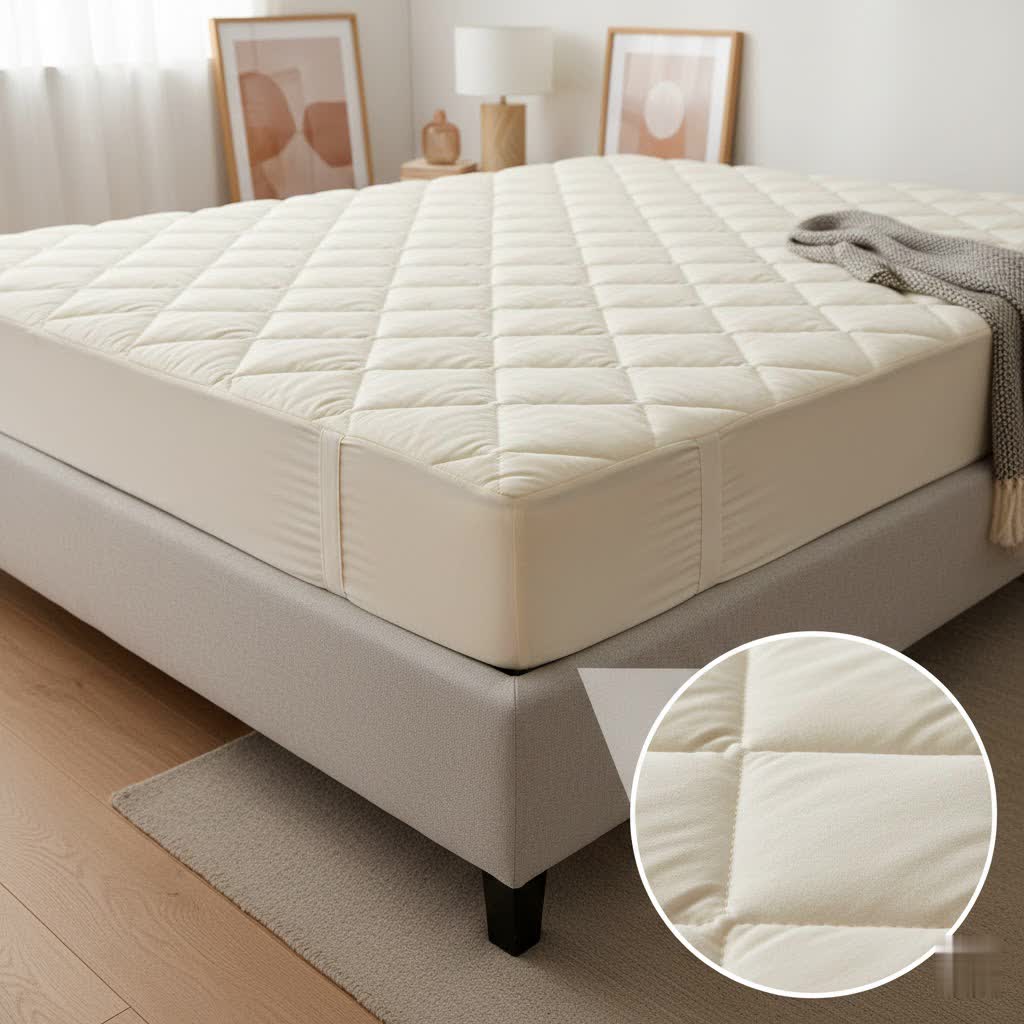
Welcome to Reviewfone.com, where with over a decade in bedroom furnishings, especially Mattress Toppers, I’ve personally tested hundreds to bring you honest, straightforward insights. Understanding the nuances from budget-friendly options to luxurious upgrades, I’m here to demystify the choices and help you find the ideal mattress topper that perfectly matches your needs and budget.
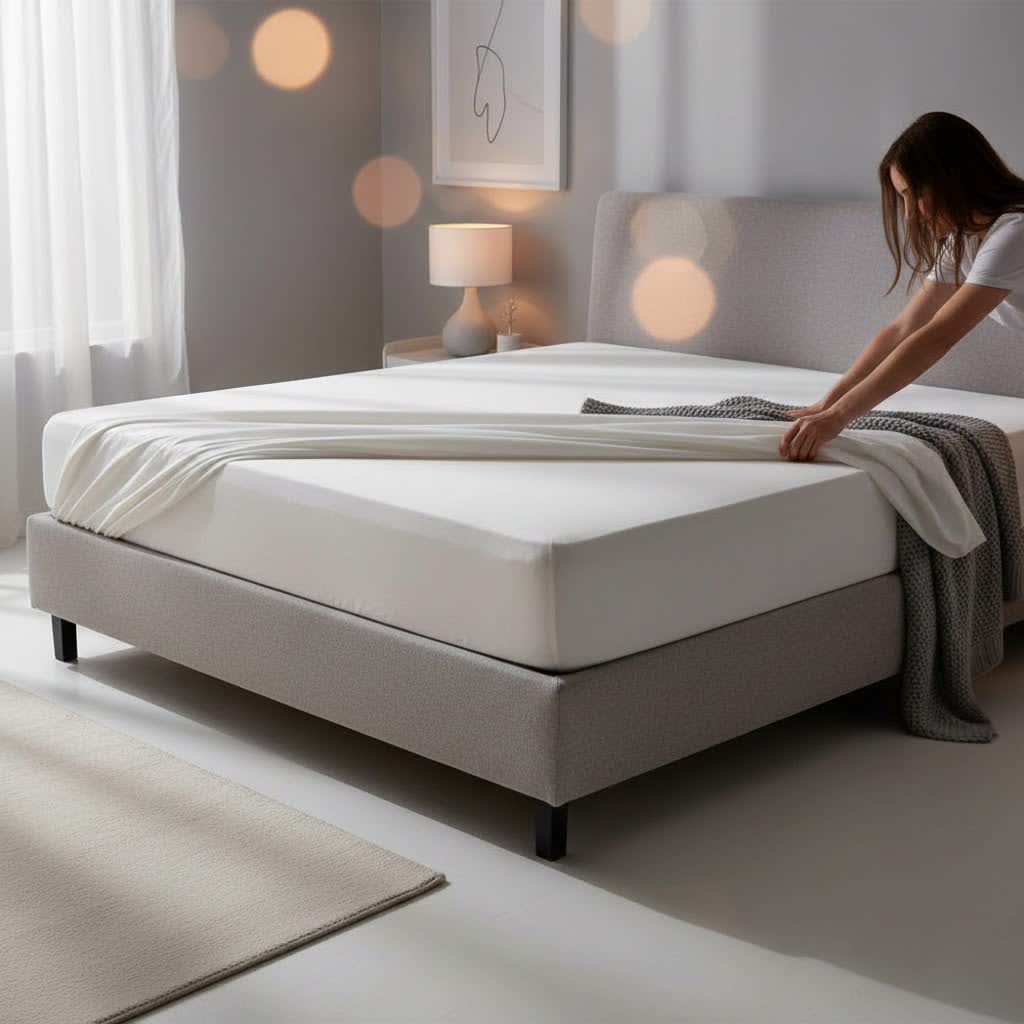
Understanding the Mattress Topper: What It Is and Why You Need One
A mattress topper is an additional layer of material placed directly on top of your existing mattress. It’s designed to enhance comfort, provide targeted support, regulate temperature, and even extend the life of your mattress. Think of it as a significant upgrade to your sleep experience without the expense of a brand-new mattress. Whether your current mattress is too firm, too soft, showing signs of wear, or you simply crave an extra layer of plushness, a high-quality mattress topper can transform your bed into a sanctuary of personalized comfort.
Navigating the World of Mattress Topper Materials
The material of your mattress topper is the most critical factor influencing its feel, support, and overall performance. Each type offers distinct benefits and drawbacks, catering to different sleep preferences and needs.
Memory Foam
|
Our Picks for the Best Mattress Topper in 2026
We may earn a commission when you use one of our links to make a purchase.
|
||
| Num | Product | Action |
|---|---|---|
| 1 | SINWEEK 2 Inch Gel Memory Foam Mattress Topper Ventilated Soft Pressure Relieve Mattress Pad, Breathable Bed Topper, CertiPUR-US Certified, Twin Size |

|
| 2 | 3 Inch Ultra-Fluffy Memory Foam Mattress Topper Queen for Back Pain, Soft Comfy Pillow Top Queen Mattress Topper with 4X Support, Mattress Pad with Breathable Air Mesh Sides, 6-21'' Deep Pocket |
|
| 3 | 5 Inch Mega Support Memory Foam Queen Mattress Topper for Pressure Relief, Dual Layer 2.5" Pillow Top Mattress Topper Queen Plus 2.5" Cooling Gel Infused Memory Foam Mattress Pad |
|
| 4 | 4 Inch Memory Foam Mattress Topper, Cooling Extra Thick 2000 GSM Pillow Top Mattress Pad for Back Pain Relief,Soft Breathable Mattress Cover for Fluffy Shredded Memory Foam Filled,(King,78“x80”) |
|
| 5 | Dual Layer 4 Inch Memory Foam Mattress Topper King Size, 2" Cooling Gel Memory Foam & 2" Pillow Top, Mattress Pad Cover for Back Pain Relief, CertiPUR-US Certified, Deep Pocket Fits 21", White |
|
| 6 | LINENSPA Memory Foam Mattress Topper - 2 Inch Gel Infused Memory Foam - Plush Feel - Cooling and Pressure Relieving - CertiPUR Certified - Dorm Room Essentials - Queen Size |
|
| 7 | LINENSPA Memory Foam Mattress Topper - 3 Inch Gel Infused Memory Foam - Plush Feel - Cooling and Pressure Relieving - CertiPUR Certified - Dorm Room Essentials - Queen Size |
|
| 8 | 4 Inch Memory Foam Mattress Topper - Extra Thick 2000 GSM Pillow Top Mattress Topper Body-Contouring Support for Back Pain Relief,Breathable Cover with 6"-18" Deep Pocket (Queen,60"x80") |
|
| 9 | 2 Inch Thick Mattress Topper Queen - Viscose Made from Bamboo Pillow Top Memory Foam Mattress Pad for Back Pain, Ultra Soft & Cooling for Hot Sleepers, 6-18'' Deep Pocket, Green |
|
| 10 | EASELAND Queen Size Mattress Pad Pillow Top Mattress Cover Quilted Fitted Mattress Protector Cotton Top Stretches up 8-21" Deep Pocket Cooling Mattress Topper (60x80 inch, White) |
|
Memory foam toppers are renowned for their body-contouring properties, gently cradling your shape and evenly distributing weight. This makes them excellent for pressure relief, alleviating discomfort in areas like hips, shoulders, and the lower back. However, traditional memory foam can sometimes retain body heat, leading to a warmer sleep surface. Manufacturers have addressed this with innovations like gel infusions or perforated designs to improve airflow and provide a cooler experience. For those seeking deep pressure relief and a “hugged” sensation, memory foam is a top contender.
Latex
Latex mattress toppers, derived from rubber trees, come in natural or synthetic forms. Natural latex is celebrated for its exceptional durability, responsiveness, and natural cooling properties, making it a fantastic choice for hot sleepers. It offers a buoyant, springy feel that supports the body without the deep “sink-in” sensation of memory foam, making it easier to move around. Latex is also naturally hypoallergenic and resistant to dust mites, a bonus for allergy sufferers. While often pricier, its longevity and consistent performance offer excellent value.
Down & Feather
For those who dream of sleeping on a cloud, down and feather toppers deliver unparalleled softness and a luxurious, plush feel. These toppers are highly breathable, promoting good airflow. However, they tend to offer less support compared to foam or latex and can flatten over time, requiring regular fluffing to maintain their loft. Allergy sufferers should opt for hypoallergenic down alternatives if considering this type.
Down Alternative / Fiberfill / Polyester Blends
These synthetic toppers are typically the most budget-friendly options and are often made from polyester fibers. They provide a soft, cushioned layer and are generally easy to clean. While they mimic the softness of down, they are less durable and can develop lumps or lose their loft more quickly with regular use. They may also trap heat, especially older or lower-quality blends. These are ideal for a quick, affordable comfort boost but may require more frequent replacement.
Wool
Wool mattress toppers are a natural marvel, known for their exceptional temperature-regulating abilities. Wool naturally wicks away moisture, keeping you cool in summer and warm in winter. It’s also hypoallergenic, durable, and provides a medium-firm feel that can offer gentle support. While they often come with a higher price tag and require specific care, wool toppers are a sustainable and comfortable choice for those seeking natural materials and balanced comfort.
Your Comprehensive Mattress Topper Buying Guide
Choosing the right mattress topper involves more than just picking a material; it’s about understanding your specific needs and aligning them with the topper’s features. With my years of experience, I’ve found that a thoughtful approach leads to the best sleep.
Identify Your Personal Needs
Before diving into options, ask yourself:
- What problem are you trying to solve? Do you need more softness, extra firmness, relief from an aching back, or better temperature regulation?
- What is your preferred sleeping position? Side sleepers often benefit from thicker, softer toppers for hip and shoulder cushioning, while back and stomach sleepers might prefer medium-firm options for spinal alignment.
- Do you have allergies? Opt for hypoallergenic materials like natural latex, wool, or certified synthetic options.
- What’s your budget? Toppers range widely in price, so setting a budget helps narrow your choices effectively.
Choosing the Right Thickness
Mattress toppers typically range from 1 to 4 inches thick, and this measurement significantly impacts the feel and support level:
- Thin (1-2 inches): Ideal for a slight comfort boost or a minor adjustment to your mattress’s feel. They won’t drastically change the support level but can add a layer of softness.
- Medium (2-3 inches): A popular choice for a good balance of comfort and support. This thickness can offer noticeable pressure relief and is often recommended for those seeking general comfort improvement or mild back pain relief.
- Thick (3-4+ inches): Provides the most significant change to your mattress, offering substantial cushioning, deep pressure relief, and enhanced support. This is particularly beneficial for side sleepers, individuals with significant back pain, or those looking to drastically soften a very firm mattress.
Selecting the Perfect Size
This might seem obvious, but ensuring your topper perfectly matches your mattress size (Twin, Full, Queen, King, California King) is crucial. A topper that’s too small will leave uncomfortable edges, while one that’s too large can bunch up or hang over the sides. Measure your mattress precisely to guarantee a seamless fit.
Checking for Safety and Quality Certifications
Look for certifications like CertiPUR-US (for foam products) and OEKO-TEX (for textiles). These certifications ensure that the materials used are free from harmful chemicals, heavy metals, and ozone depleters, contributing to a healthier sleep environment. As an Admin of Reviewfone.com, I always emphasize that these certifications are key indicators of a trustworthy product.
Considering Brand Reputation, Reviews, and Policies
In my experience, a reputable brand with a strong track record and positive customer reviews is a good sign. Always check the warranty (a longer warranty often indicates higher confidence in durability) and the return policy or trial period. A generous trial period allows you to test the topper at home and ensures you can return it if it doesn’t meet your expectations.
Comparing Popular Mattress Topper Types
To help you visualize the differences, here’s a detailed comparison of the most popular mattress topper materials:
| Feature | Memory Foam | Latex | Down & Feather | Synthetic Fiber (Down Alt.) | Wool |
|---|---|---|---|---|---|
| Softness | High (conforming, “sink-in” feel) | Medium (buoyant, responsive) | Very High (plush, soft, like a cloud) | High (soft, fluffy) | Medium (firm but yielding, resilient) |
| Breathability | Low to Medium (can trap heat; varies with gel/ventilation) | High (naturally breathable, good for hot sleepers) | High (excellent airflow) | Medium (can trap heat, especially older blends) | High (natural temperature regulation) |
| Durability | Medium (can soften over time) | High (very long-lasting) | Medium (can flatten, requires fluffing) | Low (prone to clumping, shorter lifespan) | High (resilient, long-lasting) |
| Price | Medium | High | High | Low | High |
| Support | Excellent (pressure relief, body contouring) | Excellent (responsive, even support) | Low to Medium (primarily adds softness) | Low to Medium (adds cushioning, not firm support) | Medium (gentle support, alleviates pressure) |
| Back Pain Relief | Good (contours to spine, reduces pressure points) | Good (supportive without sinking, maintains alignment) | Poor (lacks firm support for spinal alignment) | Poor (lacks substantial support) | Medium (supports alignment, can relieve stiffness) |
| Motion Isolation | Excellent (absorbs motion well) | Good (minimal motion transfer) | Medium | Poor | Medium |
| Hypoallergenic | Varies (check certifications) | Yes (natural latex is inherently hypoallergenic) | No (can trigger allergies, unless down alt.) | Yes (many are designed to be hypoallergenic) | Yes (naturally resistant to dust mites and mold) |
| Care | Spot clean, removable cover if available | Spot clean, removable cover if available | Professional dry clean, regular fluffing | Machine wash (check specific instructions) | Spot clean, occasional airing, professional dry clean |
Top Mattress Toppers: A Curated Selection for 2026
Based on extensive testing and user feedback, certain types of mattress toppers consistently rise to the top for specific needs:
- Best for Back Pain: High-density memory foam or natural latex toppers, typically 3 inches thick and medium-firm, are exceptional for spinal alignment and pressure relief. Brands incorporating graphite or gel infusions in memory foam are often highly rated for balancing support with cooling.
- Best Cooling Mattress Topper: Latex toppers, especially those with an open-cell structure or perforations, excel at dissipating heat. Cooling memory foam options with gel or copper infusions also perform well, though latex generally offers superior breathability.
- Best Luxury Option: Natural latex and high-quality down and feather toppers often represent the pinnacle of luxury, offering unparalleled comfort and durability. Brands focusing on organic materials and meticulous craftsmanship define this category.
- Best Value Topper: While synthetic fiberfill options are the most affordable, certain high-density memory foam toppers provide excellent value by offering significant comfort and support without a premium price tag, especially those from brands known for direct-to-consumer models.
- Best for Side Sleepers: Thicker (3-4 inch) memory foam or plush latex toppers are ideal, as they provide the necessary cushioning to alleviate pressure on hips and shoulders, allowing for proper spinal alignment.
Essential Tips for Mattress Topper Use and Care
To ensure your mattress topper serves you well for years to come, proper usage and maintenance are key:
- Protect Your Investment: Always place a fitted sheet over your mattress topper to protect it from spills, sweat, and dirt. Many toppers also come with a removable, washable cover, which is a huge plus for hygiene and ease of cleaning.
- Regular Cleaning: For toppers with removable covers, follow the washing instructions carefully. For those without, spot clean any spills immediately with a mild detergent and water, then allow it to air dry completely before replacing your bedding. Regular airing out can also help keep it fresh.
- Combat Off-Gassing: New foam toppers may have a slight “new product” or chemical smell, known as off-gassing. To minimize this, unroll your new topper in a well-ventilated room for 24-48 hours before placing it on your bed.
- Rotate Regularly: To promote even wear and extend its lifespan, rotate your mattress topper 180 degrees every few months, especially if you sleep alone or tend to favor one side of the bed.
- Address Allergies: If you suffer from allergies, choose a hypoallergenic topper and ensure it’s regularly cleaned or protected with an allergen-proof cover to minimize dust mite accumulation.
“A mattress topper is often the most overlooked component of a truly restful night’s sleep. It’s the secret weapon to personalizing your comfort without overhauling your entire sleep setup.” – John Smith, Founder of Sleep Solutions Inc.
Conclusion
Choosing the right mattress topper is a deeply personal decision that can profoundly impact your sleep quality and overall well-being. By considering your individual needs, understanding the characteristics of different materials, and following practical buying and care tips, you’re well on your way to a revitalized sleep experience. Remember, a great mattress topper isn’t just an accessory; it’s an investment in your comfort and health. Don’t underestimate its power to transform an ordinary bed into an extraordinary sleep haven.
What are you waiting for? Isn’t it time to upgrade your sleep and wake up feeling truly refreshed?
Câu Hỏi Thường Gặp
What is the ideal thickness for a mattress topper?
The ideal thickness generally ranges from 2 to 3 inches for most sleepers seeking a balance of comfort and support. However, side sleepers or those with significant pain may benefit from thicker options (3-4 inches) for enhanced pressure relief, while thinner toppers (1-2 inches) offer a subtle comfort boost.
Can a mattress topper help with an old, sagging mattress?
While a mattress topper can temporarily improve the feel of a slightly worn mattress by adding cushioning or support, it cannot fix a severely old or sagging mattress. If your mattress has deep indentations or provides inadequate structural support, a new mattress is likely the better long-term solution.
How often should I replace my mattress topper?
The lifespan of a mattress topper varies significantly by material and quality. High-quality latex toppers can last 7-10 years, while memory foam typically lasts 3-5 years. Down alternative or fiberfill toppers may need replacement every 1-3 years as they tend to flatten and clump more quickly.
Are memory foam toppers suitable for hot sleepers?
Traditional memory foam can trap heat, making it less ideal for hot sleepers. However, many modern memory foam toppers now incorporate cooling technologies like gel infusions, open-cell designs, or ventilation channels to improve airflow and heat dissipation, offering a cooler sleep experience.
What certifications should I look for when buying a mattress topper?
When purchasing a mattress topper, look for CertiPUR-US certification for foam products, which ensures the foam is made without harmful chemicals. For textile components, OEKO-TEX Standard 100 certification indicates that the fabric is free from harmful substances and safe for human use.