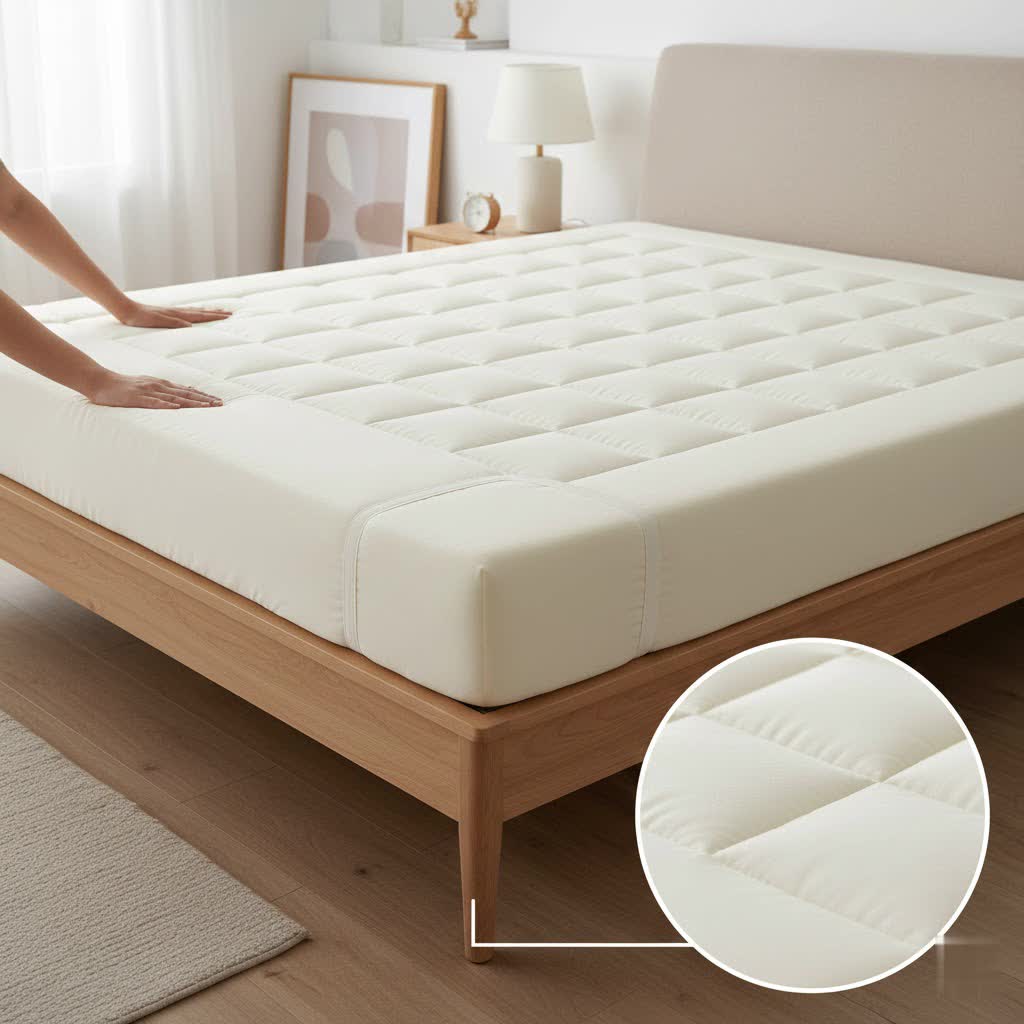
Cooling mattress toppers are effective solutions for hot sleepers, utilizing specialized materials and technologies to regulate body temperature and provide a cooler sleep surface. These toppers, which range from 1 to 4 inches thick, can significantly improve sleep quality by preventing heat buildup and promoting a more comfortable sleep climate without the need for a new mattress. They are an additional layer designed to lay on top of an existing mattress, engineered to absorb, dissipate, or wick away heat throughout the night.
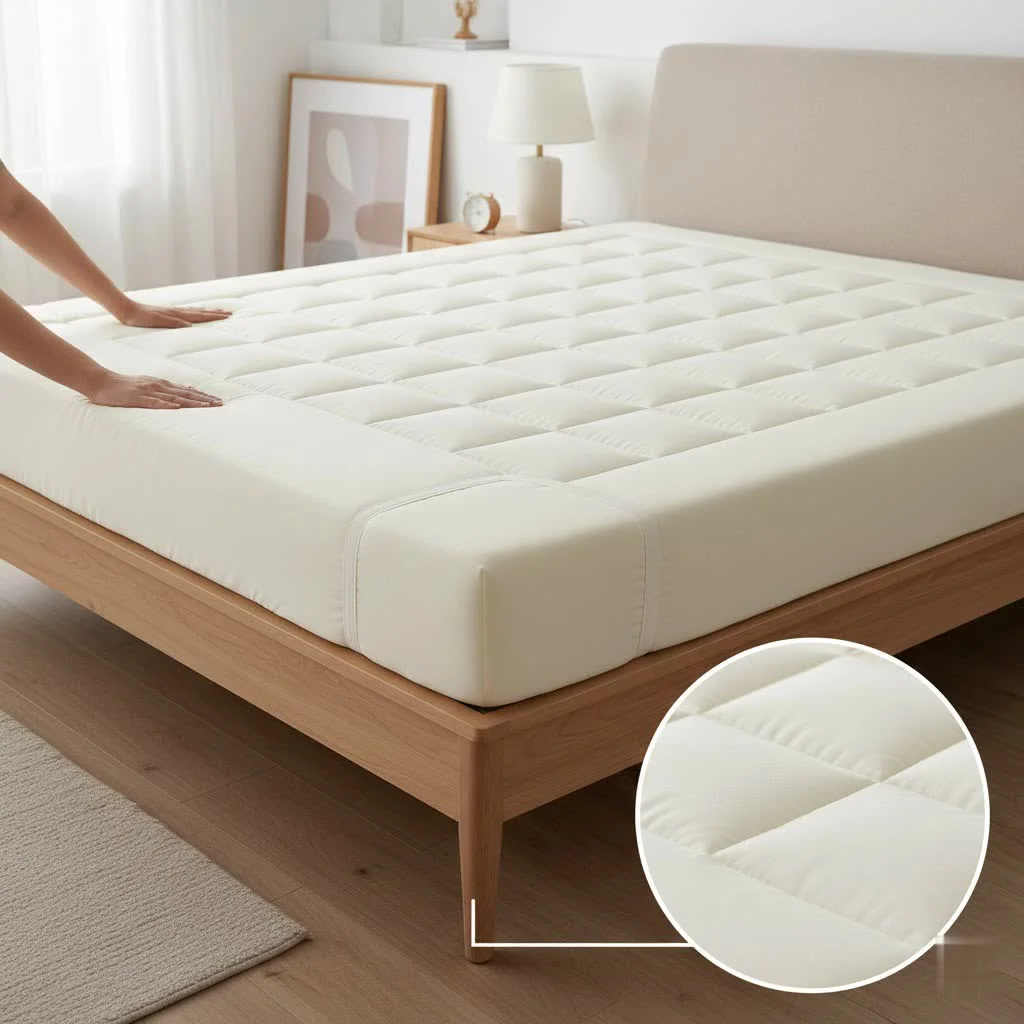
Understanding Cooling Mattress Toppers
A cooling mattress topper is an additional layer designed to lay on top of your existing mattress, specifically engineered to regulate your body temperature throughout the night. It’s more than just an extra pad; it’s a strategic enhancement to your sleep environment, aimed at preventing heat buildup and promoting a more comfortable sleep climate.
Why might you need a cooling mattress topper? If you frequently wake up feeling clammy, experience night sweats, or simply find your mattress retains too much heat, a cooling topper can be a major upgrade. Beyond temperature regulation, these toppers can also refresh an aging mattress, adjust its firmness, or provide targeted pressure relief, extending its life and improving overall comfort without the significant investment of a new bed.
Cooling mattress toppers combat heat through various mechanisms. Some actively absorb and dissipate excess body heat, while others focus on enhancing airflow and wicking away moisture. The goal is to create a sleep surface that remains consistently cool and dry, allowing your body to maintain an optimal temperature for deep, uninterrupted sleep.
Materials and Technologies for a Cooler Sleep
The secret to a truly cooling mattress topper lies in its materials and the innovative technologies integrated into its design. Not all toppers are created equal when it comes to temperature regulation. Here’s a breakdown of the most effective options:
-
Latex: Renowned for its natural breathability, latex is an excellent choice for hot sleepers. Unlike traditional foams, latex boasts an open-cell structure that allows air to flow freely, preventing heat from getting trapped. Ventilated latex, with pinholes or channels, further enhances this airflow. It offers a responsive, buoyant feel and superior durability.
-
Gel-Infused Memory Foam: While traditional memory foam can be warm, gel infusions combat this by incorporating cooling gel beads or swirls into the foam. These gels absorb and dissipate heat away from your body, offering the contouring pressure relief of memory foam without the uncomfortable heat retention.
-
Graphite and Copper Infusions: These conductive materials are often infused into memory foam toppers. Graphite and copper are highly effective at drawing heat away from the body and distributing it evenly across the topper, or transferring it out, helping to maintain a cooler surface temperature.
-
Phase Change Materials (PCMs) & Outlast Technology: These advanced technologies are designed to actively regulate temperature. PCMs absorb excess body heat when you’re too warm and release it back when your temperature drops, maintaining a consistent thermal balance. Outlast technology, a specific type of PCM, uses microencapsulated wax that changes from solid to liquid as it absorbs heat, and then solidifies as it releases heat.
-
Natural Fibers (Cotton, Bamboo, Tencel/Lyocell, Wool): Covers and fill made from natural fibers are crucial for breathability and moisture-wicking.
- Cotton and Bamboo are hydrophilic, meaning they absorb moisture, allowing sweat to evaporate and creating a cooling effect. They are naturally breathable and often soft to the touch.
- Tencel/Lyocell, derived from eucalyptus, is another plant-based fiber known for its exceptional moisture-wicking properties and silky feel.
- Wool might seem counterintuitive for cooling, but it’s a remarkable natural temperature regulator. It wicks away moisture and promotes airflow, keeping you dry and comfortable in warm weather, much like it insulates in the cold. It’s an ideal choice for year-round comfort.
-
Open-Cell Foam: Some foam toppers feature an “open-cell” structure, meaning the foam cells are interconnected, allowing air to circulate more freely than in dense, closed-cell foams. This design improves breathability and reduces heat buildup.
Choosing Your Perfect Cooling Mattress Topper: A Detailed Guide
|
Our Picks for the Best Mattress Topper in 2026
As an Amazon Associate I earn from qualifying purchases.
|
||
| Num | Product | Action |
|---|---|---|
| 1 | LINENSPA Memory Foam Mattress Topper - 3 Inch Gel Infused Memory Foam - Plush Feel - Cooling and Pressure Relieving - CertiPUR Certified - Dorm Room Essentials - Queen Size |

|
| 2 | EASELAND Queen Size Mattress Pad Pillow Top Mattress Cover Quilted Fitted Mattress Protector Cotton Top Stretches up 8-21" Deep Pocket Cooling Mattress Topper (60x80 inch, White) |
|
| 3 | 3 Inch Ultra-Fluffy Memory Foam Mattress Topper Queen for Back Pain, Soft Comfy Pillow Top Queen Mattress Topper with 4X Support, Mattress Pad with Breathable Air Mesh Sides, 6-21'' Deep Pocket |
|
| 4 | 4 Inch Memory Foam Mattress Topper - Extra Thick 2000 GSM Pillow Top Mattress Topper Body-Contouring Support for Back Pain Relief,Breathable Cover with 6"-18" Deep Pocket (Queen,60"x80") |
|
| 5 | 4 Inch Memory Foam Mattress Topper, Cooling Extra Thick 2000 GSM Pillow Top Mattress Pad for Back Pain Relief,Soft Breathable Mattress Cover for Fluffy Shredded Memory Foam Filled,(King,78“x80”) |
|
| 6 | LINENSPA Memory Foam Mattress Topper - 2 Inch Gel Infused Memory Foam - Plush Feel - Cooling and Pressure Relieving - CertiPUR Certified - Dorm Room Essentials - Queen Size |
|
| 7 | SINWEEK 2 Inch Gel Memory Foam Mattress Topper Ventilated Soft Pressure Relieve Mattress Pad, Breathable Bed Topper, CertiPUR-US Certified, Twin Size |
|
| 8 | Dual Layer 4 Inch Memory Foam Mattress Topper King Size, 2" Cooling Gel Memory Foam & 2" Pillow Top, Mattress Pad Cover for Back Pain Relief, CertiPUR-US Certified, Deep Pocket Fits 21", White |
|
| 9 | 2 Inch Thick Mattress Topper Queen - Viscose Made from Bamboo Pillow Top Memory Foam Mattress Pad for Back Pain, Ultra Soft & Cooling for Hot Sleepers, 6-18'' Deep Pocket, Green |
|
| 10 | 5 Inch Mega Support Memory Foam Queen Mattress Topper for Pressure Relief, Dual Layer 2.5" Pillow Top Mattress Topper Queen Plus 2.5" Cooling Gel Infused Memory Foam Mattress Pad |
|
Selecting the ideal cooling mattress topper involves more than just picking a “cool” material. It requires considering your individual sleep needs and preferences to ensure you find a product that delivers both comfort and effective temperature regulation.
Identify Your Personal Needs:
- Sleeping Position: Your preferred sleeping position influences the level of firmness and support you require. Side sleepers often benefit from softer toppers that provide ample pressure relief for hips and shoulders, while back and stomach sleepers typically need a firmer surface to maintain spinal alignment. Consider how a topper’s material will interact with your body’s pressure points while also offering cooling properties.
- Degree of Heat: Are you a mild hot sleeper, or do you experience severe night sweats? For moderate warmth, breathable natural fibers or gel-infused memory foam might suffice. For significant heat issues, advanced materials like PCMs, graphite-infused foams, or highly ventilated latex will offer more robust cooling.
- Allergies: If you suffer from allergies, hypoallergenic materials such as natural latex, certain synthetic fibers, or wool can provide a safe and comfortable sleep environment. Look for certifications that indicate material purity.
- Budget: Cooling mattress toppers range widely in price. Establish a budget, but that investing in a higher-quality topper with advanced cooling technology can significantly improve your sleep quality and offer long-term value.
Consider Material & Construction:
Based on the mechanisms discussed earlier, prioritize materials known for sustained cooling. While some toppers may feel cool to the touch initially, true cooling comes from materials that can continually dissipate heat and wick moisture throughout the night. Look for features like airflow channels, perforations, or specific infusions designed for active cooling.
Determine Ideal Thickness:
Mattress toppers typically range from 1 to 4 inches in thickness, though some can be even thicker.
- Thin toppers (1-2 inches) offer a subtle change in feel and minor cooling. They are best for slightly adjusting comfort.
- Medium toppers (2-4 inches) provide a more noticeable difference in cushioning, support, and cooling. This range is often ideal for most sleepers seeking a balance.
- Thick toppers (4+ inches) can dramatically alter the feel of your bed, almost like a new mattress. Ensure a thicker topper still prioritizes breathability to avoid heat entrapment.
Ensure Proper Size and Fit:
Always choose a topper that perfectly matches the size of your mattress (Twin, Full, Queen, King, California King). A topper that is too small will create uncomfortable gaps, while one that is too large will hang over the edges. Many toppers include elastic straps or a fitted skirt to keep them securely in place.
Look for Certifications:
Reputable certifications ensure the materials used are safe and free from harmful chemicals.
- CertiPUR-US: Guarantees that foam is made without ozone depleters, heavy metals, formaldehyde, and certain flame retardants.
- Oeko-Tex Standard 100: Certifies textiles are free from harmful substances.
- GOLS (Global Organic Latex Standard) or GOTS (Global Organic Textile Standard): For organic latex and textile components, respectively.
Review Trial Periods & Warranties:
As you can’t fully assess a topper until you’ve slept on it for several nights, look for brands that offer generous trial periods (e.g., 30-100 nights). A solid warranty also protects your investment against manufacturing defects.
Comparison of Popular Cooling Mattress Topper Types
To help you visualize the differences, here’s a comparison of common cooling mattress topper types:
| Feature | Latex | Gel Memory Foam | Natural Fiber (Bamboo/Cotton) | PCM/Advanced Synthetics |
|---|---|---|---|---|
| Cooling Mechanism | Natural airflow, ventilation, natural temperature regulation | Heat absorption and dissipation via gel | Moisture-wicking, breathability | Active temperature regulation, heat transfer, specialized fibers |
| Feel | Responsive, buoyant, medium-firm | Contouring, pressure-relieving, cradling | Plush, soft, often cushiony | Varied (depends on base material, but often cool to the touch) |
| Support | Excellent, consistent | Good, adapts to body | Varies, usually light to moderate support | Varies, can offer good support depending on construction |
| Durability | Very High | Medium-High | Medium | Medium-High |
| Price | High | Medium | Low-Medium | High |
| Key Benefit | Natural cooling, resilient support, hypoallergenic | Pressure relief with reduced heat trapping | Softness, excellent moisture-wicking | Most consistent and advanced temperature control |
Essential Tips for Using and Maintaining Your Cooling Mattress Topper
Once you’ve invested in a cooling mattress topper, proper usage and care will ensure its longevity and continued performance.
- Proper Placement: Ensure your topper is centered and securely attached to your mattress, especially if it comes with elastic straps or a fitted skirt. This prevents shifting and maintains consistent comfort and cooling.
- Cleaning & Care: Always follow the manufacturer’s specific cleaning instructions. Some toppers may have removable, machine-washable covers, while others might require spot cleaning or professional dry cleaning. Regularly airing out your topper can also help maintain freshness and airflow. For wool or latex toppers, avoid machine washing entirely unless explicitly stated.
- Combining with Other Cooling Bedding: Maximize your cooling efforts by pairing your topper with other breathable bedding. Opt for sheets made from natural fibers like cotton, linen, bamboo, or Tencel, and consider cooling pillows that complement your topper’s performance. “Regulating your core body temperature during the night can make a huge difference in your overall sleep quality, so breathable materials are optimal to promote cooler temperatures,” advises Dr. Raj Dasgupta, Chief Medical Advisor at Sleep Foundation.
Frequently Asked Questions
Frequently Asked Questions
Do cooling mattress toppers really help reduce night sweats?
Yes, cooling mattress toppers are highly effective for hot sleepers and those experiencing night sweats. They utilize specialized materials such as gel infusions, phase change materials, or natural breathable fibers to absorb, dissipate, or wick away heat, helping to regulate your body temperature and provide a cooler sleep surface. This regulation prevents overheating and promotes a more comfortable sleep.
What is the most effective material for a cooling mattress topper?
The most effective material for a cooling mattress topper depends on individual preferences, but latex, gel-infused memory foam, and natural fibers like bamboo, cotton, or wool are top contenders. Latex offers natural breathability and airflow through its open-cell structure, while gel-infused memory foam reduces heat retention. Natural fibers excel at moisture-wicking, keeping you dry and cool.
Can a cooling mattress topper make my bed uncomfortably cold?
Generally, no, a cooling mattress topper is not designed to make your bed uncomfortably cold. Most cooling mattress toppers regulate temperature by dissipating excess heat, rather than actively chilling the surface. Their aim is to maintain a neutral, comfortable temperature, preventing overheating without causing your bed to become too cold. Advanced phase change materials are particularly adept at maintaining this thermal balance.
How often should I clean my cooling mattress topper for optimal performance?
Cleaning frequency for a cooling mattress topper depends on its material and the manufacturer's instructions, but a general guideline is to spot clean as needed and deep clean every 6-12 months. Always check the care label, as some covers are machine washable while the core material may require gentle spot cleaning and airing out. Proper care ensures longevity and continued cooling performance.
Are cooling mattress toppers suitable for use throughout all seasons?
Yes, many cooling mattress toppers are designed to provide comfort year-round. Materials like wool are natural thermoregulators, keeping you cool in summer by wicking moisture and warm in winter by insulating. Breathable foams and natural fiber covers also help maintain a stable temperature regardless of the season, making them a versatile investment for consistent comfort.
Choosing Your Perfect Cooling Mattress Topper
Selecting the ideal cooling mattress topper involves considering your individual sleep needs and preferences to ensure you find a product that delivers both comfort and effective temperature regulation.
Consider your sleeping position (side, back, stomach) to determine the required firmness and pressure relief. Evaluate your degree of heat (mild or severe night sweats) to choose appropriate cooling technology. Check for allergies and set a budget, remembering that higher-quality toppers offer long-term value.
Prioritize materials known for sustained cooling, such as latex, gel-infused memory foam, or natural fibers. Look for features like airflow channels, perforations, or specific infusions designed for active heat dissipation and moisture-wicking throughout the night. True cooling comes from materials that can continually regulate temperature.
Mattress toppers typically range from 1 to 4 inches. Thin toppers (1-2 inches) offer subtle changes, medium toppers (2-4 inches) provide a noticeable balance of cushioning and cooling, and thick toppers (4+ inches) dramatically alter the bed's feel. Ensure thicker toppers still prioritize breathability to avoid heat entrapment.
Always choose a topper that perfectly matches your mattress size (Twin, Full, Queen, King, California King). An ill-fitting topper can create uncomfortable gaps or hang over edges. Many toppers include elastic straps or a fitted skirt to keep them securely in place and prevent shifting.
Check for reputable certifications like CertiPUR-US, Oeko-Tex Standard 100, GOLS, or GOTS to ensure materials are safe and free from harmful chemicals. Additionally, look for brands offering generous trial periods (e.g., 30-100 nights) and a solid warranty to protect your investment against manufacturing defects.
Get our weekly buyer guide
Practical specs, not advice. Unsubscribe anytime.

I’ve been struggling with night sweats for ages, and getting a new mattress wasn’t in the budget. This cooling mattress topper was a game-changer! The one I chose is about 3 inches thick and provides amazing support while keeping me cool. I can finally get a full night’s sleep without waking up feeling overheated.
I was so skeptical about these, but my old memory foam mattress was just too hot. I got one of the gel-infused cooling toppers mentioned, and it’s made a huge difference! I used to wake up sweating, but now I sleep through the night feeling much cooler. It’s definitely worth the investment if you’re a hot sleeper like me.
I tried a 2-inch cooling topper hoping for a miracle, but it’s only a slight improvement. I still find myself getting warm sometimes, though not as bad as before. It did add a nice bit of extra softness to my firm mattress, which is a plus. Maybe I needed a thicker one, or a different material.
This topper really does help with heat buildup. I picked one that was described as having ‘phase-change materials’ and it actually works! My partner and I both noticed we’re not tossing and turning as much from being too warm. It’s not a complete icebox, but it’s a significant upgrade for our sleep comfort.