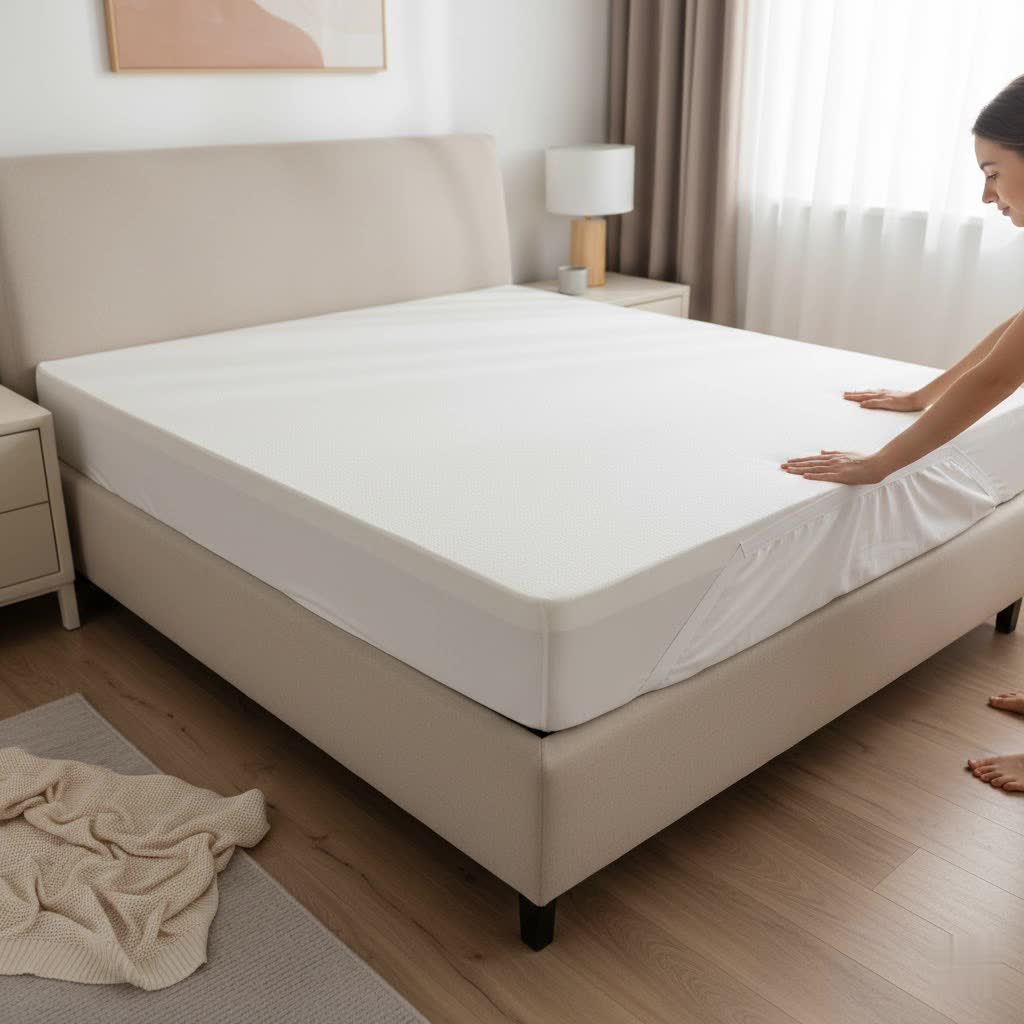
Are you tired of tossing and turning, struggling to find that perfect spot of comfort on your mattress? Perhaps your current bed feels too firm, or it’s showing signs of wear and tear, but replacing it isn’t an option right now. A memory foam mattress topper could be the secret to transforming your sleep experience without breaking the bank. These innovative layers are designed to conform to your body, offering personalized comfort and support that can make an old mattress feel new again, or elevate the comfort of a relatively new one.
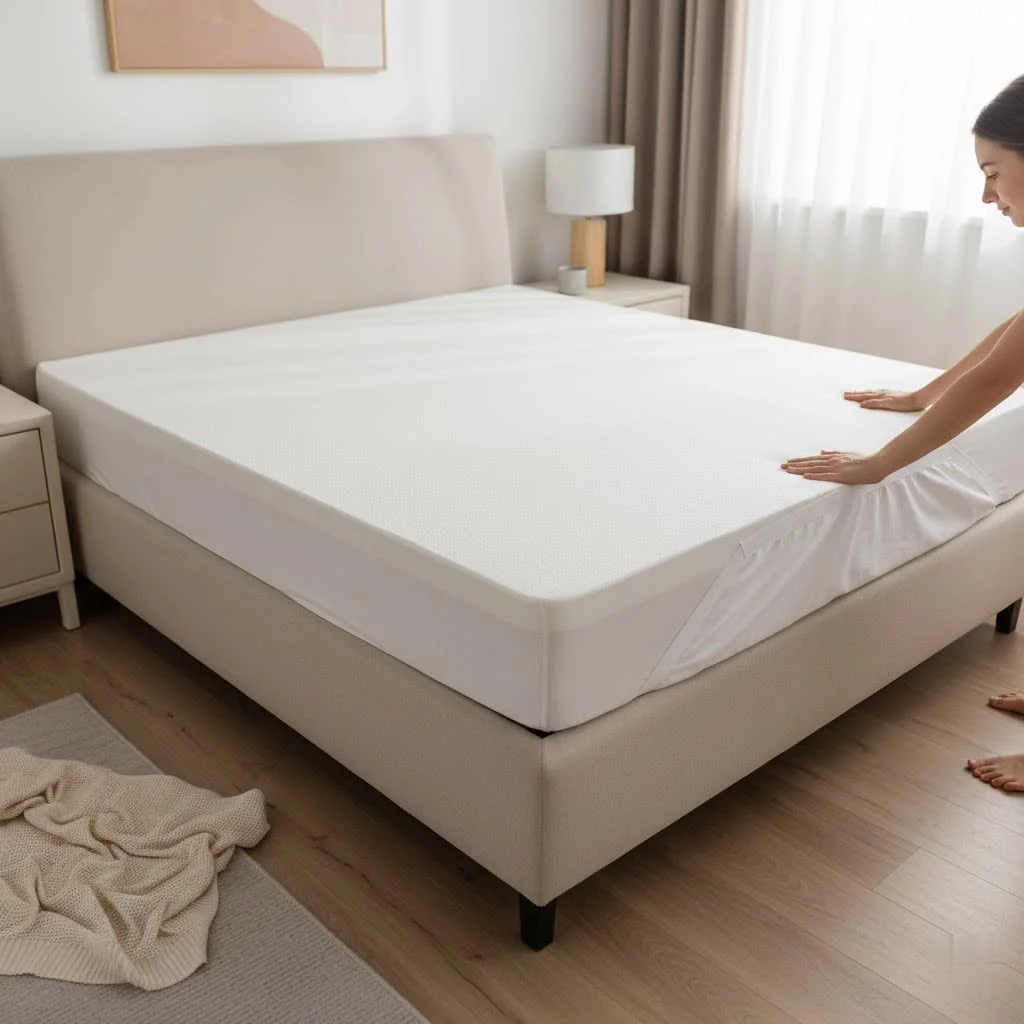
What is a Memory Foam Mattress Topper and Why Do You Need One?
A memory foam mattress topper is an additional layer of viscoelastic polyurethane foam placed on top of your existing mattress. This unique material reacts to your body heat and pressure, softening and molding precisely to your contours. This personalized embrace provides exceptional pressure relief, evenly distributing your weight and cradling sensitive areas like your hips, shoulders, and spine. For browse all mattress toppers articles on this site.
The benefits of incorporating a memory foam topper into your sleep setup are numerous. Beyond enhancing comfort, it can significantly improve spinal alignment, which is crucial for alleviating back and joint pain. For couples, memory foam’s excellent motion isolation minimizes disturbances from a restless partner, ensuring undisturbed sleep. It also acts as a protective barrier, extending the lifespan of your mattress by shielding it from everyday wear. If your mattress is a bit too firm, a memory foam topper can add a plush, softer feel, tailoring your sleep surface to your exact preferences without the hefty investment of a new bed.
The Pros and Cons of Memory Foam Mattress Toppers
Understanding the advantages and disadvantages is key to deciding if a memory foam mattress topper is right for you.
Pros:
- Exceptional Pressure Relief: Memory foam excels at contouring to your body, relieving pressure points and providing a cushioned feel that can significantly reduce aches and pains.
- Superior Support: By distributing body weight evenly, memory foam helps maintain proper spinal alignment, which is vital for overall comfort and health.
- Motion Isolation: The dense nature of memory foam absorbs movement, so you won’t feel your partner shifting during the night, leading to more peaceful sleep.
- Extends Mattress Lifespan: A topper acts as a protective layer, shielding your mattress from daily wear and tear, spills, and allergens, thus prolonging its life.
- Customizable Comfort: It allows you to adjust the firmness or softness of your bed without replacing the entire mattress, saving you money.
Cons:
|
Our Picks for the Best Mattress Topper in 2026
As an Amazon Associate I earn from qualifying purchases.
|
||
| Num | Product | Action |
|---|---|---|
| 1 | Dual Layer 4 Inch Memory Foam Mattress Topper King Size, 2" Cooling Gel Memory Foam & 2" Pillow Top, Mattress Pad Cover for Back Pain Relief, CertiPUR-US Certified, Deep Pocket Fits 21", White |

|
| 2 | 5 Inch Mega Support Memory Foam Queen Mattress Topper for Pressure Relief, Dual Layer 2.5" Pillow Top Mattress Topper Queen Plus 2.5" Cooling Gel Infused Memory Foam Mattress Pad |
|
| 3 | LINENSPA Memory Foam Mattress Topper - 3 Inch Gel Infused Memory Foam - Plush Feel - Cooling and Pressure Relieving - CertiPUR Certified - Dorm Room Essentials - Queen Size |
|
| 4 | 2 Inch Thick Mattress Topper Queen - Viscose Made from Bamboo Pillow Top Memory Foam Mattress Pad for Back Pain, Ultra Soft & Cooling for Hot Sleepers, 6-18'' Deep Pocket, Green |
|
| 5 | LINENSPA Memory Foam Mattress Topper - 2 Inch Gel Infused Memory Foam - Plush Feel - Cooling and Pressure Relieving - CertiPUR Certified - Dorm Room Essentials - Queen Size |
|
| 6 | SINWEEK 2 Inch Gel Memory Foam Mattress Topper Ventilated Soft Pressure Relieve Mattress Pad, Breathable Bed Topper, CertiPUR-US Certified, Twin Size |
|
| 7 | 4 Inch Memory Foam Mattress Topper, Cooling Extra Thick 2000 GSM Pillow Top Mattress Pad for Back Pain Relief,Soft Breathable Mattress Cover for Fluffy Shredded Memory Foam Filled,(King,78“x80”) |
|
| 8 | 4 Inch Memory Foam Mattress Topper - Extra Thick 2000 GSM Pillow Top Mattress Topper Body-Contouring Support for Back Pain Relief,Breathable Cover with 6"-18" Deep Pocket (Queen,60"x80") |
|
| 9 | 3 Inch Ultra-Fluffy Memory Foam Mattress Topper Queen for Back Pain, Soft Comfy Pillow Top Queen Mattress Topper with 4X Support, Mattress Pad with Breathable Air Mesh Sides, 6-21'' Deep Pocket |
|
| 10 | EASELAND Queen Size Mattress Pad Pillow Top Mattress Cover Quilted Fitted Mattress Protector Cotton Top Stretches up 8-21" Deep Pocket Cooling Mattress Topper (60x80 inch, White) |
|
- Heat Retention: Traditional memory foam can trap body heat, leading to a warmer sleep experience. However, many modern toppers incorporate cooling technologies to mitigate this.
- “Stuck” Feeling: Some sleepers find the dense contouring of memory foam makes it harder to move or change positions quickly.
- Initial Odor (Off-Gassing): New memory foam products can emit a chemical-like smell (off-gassing) when first unboxed. This usually dissipates within a few days in a well-ventilated room.
- Weight: Memory foam toppers can be heavy and somewhat cumbersome to move or position on a mattress.
- Not a Fix for Sagging Mattresses: While toppers can add comfort, they cannot fix a severely sagging or structurally compromised mattress.
Types of Memory Foam Mattress Toppers
Not all memory foam is created equal. Manufacturers have developed various types to address common concerns and cater to different preferences:
- Traditional Memory Foam: This is the original viscoelastic foam, offering classic body-hugging contour and pressure relief. It’s known for its density and ability to adapt to your shape.
- Gel-Infused Memory Foam: To combat heat retention, these toppers incorporate cooling gel beads or swirls into the foam. The gel helps dissipate heat away from the body, promoting a cooler sleep surface.
- Copper/Graphite-Infused Memory Foam: Similar to gel, copper and graphite infusions are designed to draw heat away from the body and regulate temperature, providing a more breathable sleep environment. Copper also boasts antimicrobial properties.
- Open-Cell Memory Foam: This type features a less dense, more open internal structure compared to traditional memory foam. The open cells allow for better airflow, enhancing breathability and reducing heat buildup.
- Plant-Based Memory Foam: These foams replace some petroleum-based components with plant-derived oils, often resulting in a more eco-friendly product with less off-gassing and sometimes improved responsiveness and breathability.
How to Choose the Perfect Memory Foam Mattress Topper
Selecting the right memory foam mattress topper involves considering several factors tailored to your individual needs and preferences.
Determine Your Personal Needs
First, assess what you hope to achieve with a topper. Do you need more softness, extra support for back pain, or better temperature regulation?
- Comfort Preference: Do you prefer a plush, cloud-like feel or something more supportive? Memory foam can range from very soft to medium-firm.
- Sleeping Position:
- Side sleepers often benefit from a softer, thicker topper (3-4 inches) that provides deep pressure relief for shoulders and hips.
- Back sleepers typically need a medium-firm topper (2-3 inches) to maintain spinal alignment and support the lumbar region.
- Stomach sleepers usually require a thinner, firmer topper (1-2 inches) to prevent their hips from sinking too deeply, which can strain the lower back.
- Specific Issues: If you suffer from back pain, look for toppers designed for orthopedic support. For hot sleepers, cooling technologies are paramount. Those with allergies should seek hypoallergenic materials.
Thickness
The thickness of a memory foam topper significantly impacts its feel and level of support.
- 2-inch toppers: Ideal for mattresses that need a slight boost in plushness or a minimal comfort layer.
- 3-inch toppers: A popular choice, offering a good balance of comfort and support, suitable for most sleepers and moderately firm mattresses. This is often recommended as the minimum thickness for a noticeable difference.
- 4-inch or thicker toppers: Provide maximum cushioning and softness, great for significantly softening a very firm mattress or for side sleepers seeking deep pressure relief.
Density
Density in memory foam refers to how much foam material is packed into a cubic foot, measured in pounds per cubic foot (PCF).
- Lower density (under 3 PCF): Softer, less durable, and less expensive.
- Medium density (3-5 PCF): Offers a good balance of comfort, support, and durability.
- High density (over 5 PCF): More supportive, highly durable, and often more expensive. High-density foams tend to provide better pressure relief and last longer.
Cooling Features
Given memory foam’s tendency to retain heat, cooling features are a critical consideration for many.
- Gel, Copper, or Graphite Infusions: These materials are mixed into the foam to conduct heat away from your body.
- Open-Cell Construction: Enhances airflow through the foam, aiding in temperature regulation.
- Breathable Covers: Toppers with covers made from materials like bamboo, Tencel, or cotton can also help wick away moisture and improve air circulation.
Size and Fit
Ensure the topper matches the exact size of your mattress (Twin, Full, Queen, King, California King). Many toppers come with elastic straps or a non-slip backing to secure them to your mattress, preventing annoying shifting during the night.
Cover Material
The material of the topper’s cover affects breathability, feel, and ease of cleaning.
- Cotton: Soft, breathable, and widely available.
- Bamboo: Known for being hypoallergenic, highly breathable, and moisture-wicking, making it an excellent choice for hot sleepers or those with sensitive skin. It’s also often more eco-friendly.
- Removable and Washable Covers: This is a huge convenience for maintaining hygiene and extending the life of your topper.
Certifications
Look for certifications that ensure the product meets certain health and environmental standards.
- CertiPUR-US: This certification ensures that the memory foam is made without harmful chemicals like ozone depleters, PBDE flame retardants, mercury, lead, heavy metals, formaldehyde, and phthalates. It also certifies low VOC (Volatile Organic Compound) emissions for indoor air quality.
- Oeko-Tex Standard 100: While not exclusive to foam, this certification verifies that every component of the textile product, from the fabric to the thread and accessories, has been tested for harmful substances and is therefore harmless for human health.
Budget, Warranty, and Trial Periods
- Budget: While cheaper options exist, investing in a higher-quality topper often means better durability, support, and comfort in the long run.
- Warranty: A good warranty (e.g., 5-10 years) indicates the manufacturer’s confidence in their product’s longevity.
- Trial Period: Many brands offer a risk-free trial period (e.g., 30-180 nights), allowing you to test the topper at home and return it if it doesn’t meet your expectations.
Comparison of Popular Memory Foam Topper Features
| Feature | Traditional Memory Foam | Gel-Infused Memory Foam | Copper/Graphite-Infused | Open-Cell Memory Foam | Plant-Based Memory Foam |
|---|---|---|---|---|---|
| Pressure Relief | Excellent | Excellent | Excellent | Excellent | Excellent |
| Heat Retention | High | Moderate (Improved) | Low (Significantly Improved) | Low (Improved) | Low (Improved) |
| Support | High | High | High | High | High |
| Feel | Deep contouring | Balanced contouring | Responsive contouring | More breathable | More responsive, natural |
| Durability | Good | Good | Very Good | Good | Good |
| Price | Medium | Medium-High | High | Medium | High |
| Off-Gassing | Can be noticeable | Reduced | Reduced | Reduced | Minimal |
Tips for Using and Maintaining Your Memory Foam Mattress Topper
To ensure your memory foam mattress topper provides years of comfortable sleep, proper usage and maintenance are essential.
- Unboxing and Ventilation: Upon arrival, unroll your new topper in a well-ventilated room for 24-72 hours. This allows it to fully expand and any initial off-gassing odor to dissipate.
- Protection: Always use a mattress protector over your topper to shield it from spills, sweat, and allergens. Many memory foam toppers are not machine washable.
- Cleaning: Most memory foam toppers cannot be submerged in water. For spot cleaning, use a mild detergent and water, dabbing the affected area gently. Allow it to air dry completely before replacing bedding. If your topper has a removable cover, follow the washing instructions carefully.
- Rotation: Rotate your topper every 3-6 months (head-to-foot) to promote even wear and prolong its lifespan.
- Foundation: Ensure your mattress and bed frame provide adequate support for both the mattress and the topper to prevent premature sagging.
“A mattress topper is often the most cost-effective way to significantly upgrade your sleep comfort. It’s about finding that perfect balance of softness and support tailored just for you.”
Conclusion
A memory foam mattress topper can be a transformative addition to your bedroom, offering a gateway to deeper, more restorative sleep. By providing unparalleled pressure relief, customized support, and motion isolation, it addresses many common sleep complaints without requiring a full mattress replacement. Whether you seek to soften a firm bed, alleviate pain, or simply enhance your overall comfort, choosing the right memory foam topper involves a thoughtful consideration of thickness, density, cooling features, and your personal sleep needs. With so many innovative options available, you’re sure to find the ideal memory foam topper to improve your sleep experience and wake up feeling refreshed and revitalized.
Ready to experience the ultimate sleep upgrade?
Frequently Asked Questions
How thick should a memory foam mattress topper be?
For a noticeable difference in comfort and support, a memory foam mattress topper should typically be at least 3 inches thick. Thinner options (2 inches) provide a subtle cushioning, while thicker toppers (4-5 inches) offer a more luxurious, plush feel, ideal for significantly softening a firm mattress or for side sleepers needing deep pressure relief.
Do memory foam mattress toppers make you hot?
Traditional memory foam can retain body heat due to its dense structure. However, many modern memory foam toppers are designed with cooling technologies, such as gel, copper, or graphite infusions, or an open-cell structure, to improve airflow and dissipate heat, providing a cooler sleep surface.
How do you clean a memory foam mattress topper?
Most memory foam toppers are not machine washable. For best care, spot clean spills with a mild detergent and water, then allow it to air dry completely. If your topper comes with a removable cover, always check the care label for specific washing instructions. Using a waterproof mattress protector is highly recommended to keep your topper clean.
Get our weekly buyer guide
Practical specs, not advice. Unsubscribe anytime.

I appreciate the detailed breakdown of how memory foam reacts to body heat and pressure. I’ve always been a side sleeper and often woke up with numb arms. Since adding a memory foam topper, that’s almost entirely gone. It really does conform to your body and provides that extra cushioning where I need it most. Definitely a worthwhile investment for better sleep.
This guide helped me understand the different thicknesses available. I went with a 2-inch topper for just a bit of extra softness on my relatively new mattress, and it’s perfect. It didn’t make my bed too soft, just added that luxurious, conforming feel. My sleep quality has improved significantly, and I feel much more rested in the mornings.
I was really struggling with my old mattress feeling too firm, and replacing it just wasn’t in the budget. This guide on memory foam toppers was a lifesaver! I ended up getting a 3-inch medium-density topper, and it’s completely transformed my sleep. I wake up with so much less back pain now, it’s incredible how much difference a good topper makes.
I got a memory foam topper hoping to make my bed feel new again, and it mostly works. The personalized comfort is definitely there, and I’m not tossing and turning as much. My only minor complaint is that it does tend to sleep a little warmer than I expected, even with a cooling cover. It’s not a dealbreaker, but something to consider if you’re a hot sleeper.