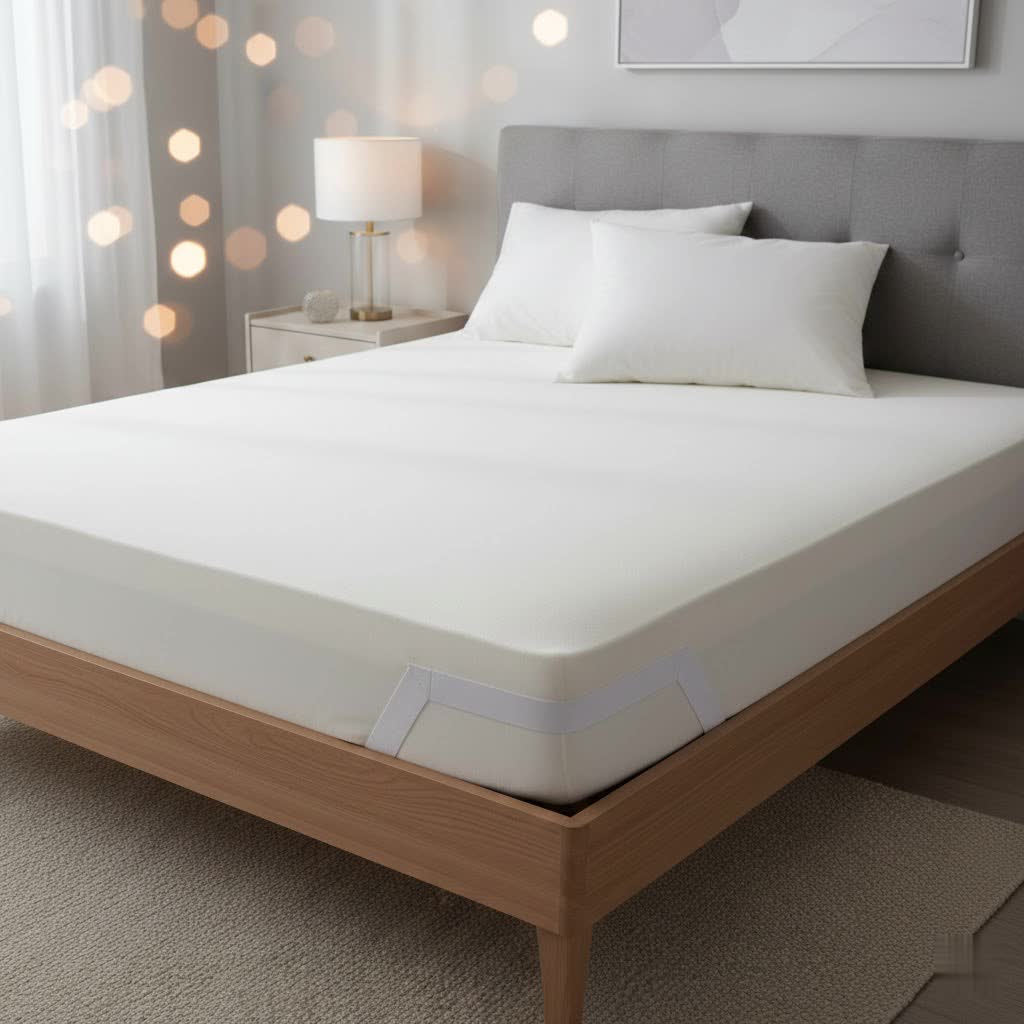
Are you tossing and turning, dreaming of a more comfortable night’s sleep, or perhaps seeking a versatile bedding solution for guests or travel? An inflatable mattress topper, often casually referred to as a “blow up mattress topper,” might be the answer you’re looking for. These innovative bedding accessories offer a unique blend of adjustable comfort, portability, and support, transforming any sleeping surface into a personalized haven. Whether you’re looking to revitalize an aging mattress, provide luxurious comfort for temporary guests, or optimize your sleep setup on the go, understanding the nuances of inflatable mattress toppers is key to unlocking a truly restful experience.
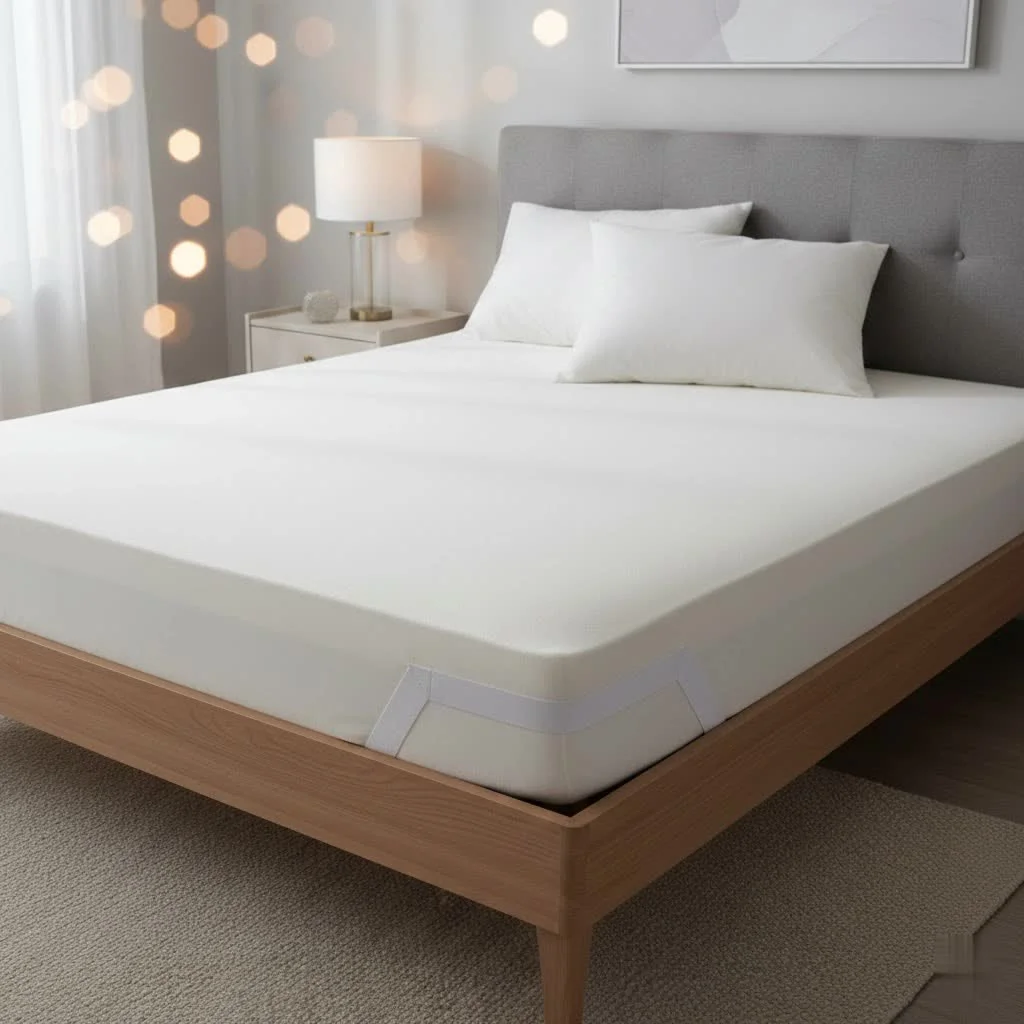
Understanding Inflatable Mattress Toppers
An inflatable mattress topper is a distinct bedding accessory designed to enhance comfort and support. Unlike a full air mattress, which serves as a standalone bed, a true inflatable mattress topper is a thinner, air-filled layer primarily intended to be placed on top of an existing mattress or even a solid surface. Its primary appeal lies in its adjustable firmness, allowing users to customize the feel of their sleep surface with the simple addition or release of air.
While the term “blow up mattress topper” is often used interchangeably, it sometimes refers to a full air mattress, particularly those with an integrated plush top layer. This article will focus on both: dedicated inflatable toppers for existing beds and the best practices for using traditional toppers to enhance full blow-up mattresses. The “blow up” aspect highlights their key advantages: easy inflation for use and quick deflation for compact storage and transport.
Why You Might Need an Inflatable Mattress Topper
The reasons to consider an inflatable mattress topper are as varied as sleep preferences themselves:
- Customizable Comfort: If your current mattress is too firm, too soft, or simply lacks the personalized feel you desire, an inflatable topper allows you to fine-tune its firmness. You can add more air for a firmer feel or release some for a softer, more conforming experience.
- Enhanced Support: For those with back pain or pressure point issues, certain inflatable toppers, particularly those with multiple air chambers, can provide targeted support and pressure relief by allowing precise adjustments to different body zones. Some medical-grade versions even offer “alternating pressure” to prevent bedsores.
- Portability and Versatility: Their ability to deflate and pack down makes them ideal for temporary sleeping arrangements. Think guest beds, camping trips, RVs, dorm rooms, or even an impromptu sleepover.
- Cost-Effective Solution: Instead of investing in a new mattress, an inflatable topper can extend the life and improve the comfort of an older mattress at a fraction of the cost.
- Guest Comfort: Ensure your overnight visitors enjoy a comfortable sleep by adding an adjustable topper to their temporary bed setup, whether it’s an air mattress or a sofa bed.
Types of Inflatable Mattress Toppers
|
Our Picks for the Best Mattress Topper in 2026
As an Amazon Associate I earn from qualifying purchases.
|
||
| Num | Product | Action |
|---|---|---|
| 1 | 4 Inch Memory Foam Mattress Topper - Extra Thick 2000 GSM Pillow Top Mattress Topper Body-Contouring Support for Back Pain Relief,Breathable Cover with 6"-18" Deep Pocket (Queen,60"x80") |

|
| 2 | Dual Layer 4 Inch Memory Foam Mattress Topper King Size, 2" Cooling Gel Memory Foam & 2" Pillow Top, Mattress Pad Cover for Back Pain Relief, CertiPUR-US Certified, Deep Pocket Fits 21", White |
|
| 3 | SINWEEK 2 Inch Gel Memory Foam Mattress Topper Ventilated Soft Pressure Relieve Mattress Pad, Breathable Bed Topper, CertiPUR-US Certified, Twin Size |
|
| 4 | 2 Inch Thick Mattress Topper Queen - Viscose Made from Bamboo Pillow Top Memory Foam Mattress Pad for Back Pain, Ultra Soft & Cooling for Hot Sleepers, 6-18'' Deep Pocket, Green |
|
| 5 | LINENSPA Memory Foam Mattress Topper - 3 Inch Gel Infused Memory Foam - Plush Feel - Cooling and Pressure Relieving - CertiPUR Certified - Dorm Room Essentials - Queen Size |
|
| 6 | 4 Inch Memory Foam Mattress Topper, Cooling Extra Thick 2000 GSM Pillow Top Mattress Pad for Back Pain Relief,Soft Breathable Mattress Cover for Fluffy Shredded Memory Foam Filled,(King,78“x80”) |
|
| 7 | LINENSPA Memory Foam Mattress Topper - 2 Inch Gel Infused Memory Foam - Plush Feel - Cooling and Pressure Relieving - CertiPUR Certified - Dorm Room Essentials - Queen Size |
|
| 8 | 3 Inch Ultra-Fluffy Memory Foam Mattress Topper Queen for Back Pain, Soft Comfy Pillow Top Queen Mattress Topper with 4X Support, Mattress Pad with Breathable Air Mesh Sides, 6-21'' Deep Pocket |
|
| 9 | 5 Inch Mega Support Memory Foam Queen Mattress Topper for Pressure Relief, Dual Layer 2.5" Pillow Top Mattress Topper Queen Plus 2.5" Cooling Gel Infused Memory Foam Mattress Pad |
|
| 10 | EASELAND Queen Size Mattress Pad Pillow Top Mattress Cover Quilted Fitted Mattress Protector Cotton Top Stretches up 8-21" Deep Pocket Cooling Mattress Topper (60x80 inch, White) |
|
While “inflatable mattress topper” might sound like a singular product, the market offers several variations depending on their design and intended use:
- True Inflatable Mattress Toppers (Air Toppers): These are specifically designed as an overlay for an existing mattress. They are typically thinner (2-6 inches) and feature internal air chambers. Many include a built-in electric pump for easy inflation and deflation, and some advanced models offer dual-zone firmness control, allowing partners to customize their side of the bed. They often aim to add adjustable support or softness to a traditional mattress.
- Inflatable Air Mattresses with Integrated Toppers: These are essentially full air mattresses (often 8-20+ inches tall) that come with a permanently attached or integrated plush top layer, such as memory foam, fiberfill, or a quilted surface. The “topper” here is part of the air bed itself, designed to provide a more luxurious and less “plasticky” feel than a basic air mattress. These are popular for guest rooms or camping.
- Traditional Toppers for Air Mattresses: This category involves pairing a standard mattress topper (memory foam, latex, down alternative, or synthetic fiber) with a basic air mattress. While not “inflatable” themselves, these toppers are used to dramatically improve the comfort, insulation, and pressure relief of a conventional blow-up bed, addressing the common complaint that air mattresses lack progressive support and can feel too firm or cold.
Your Detailed Guide to Buying the Perfect Inflatable Mattress Topper
Choosing the right inflatable mattress topper involves more than just picking one off the shelf. Consider these factors to ensure your selection perfectly matches your sleep needs and lifestyle.
1. Identify Your Personal Needs
Start by understanding why you need an inflatable topper:
- Primary Use: Is it for daily use on your main bed, occasional guest use, camping, or travel? This will heavily influence the durability, portability, and feature set you require.
- Comfort vs. Support: Are you seeking to soften an overly firm mattress, add firm support to a sagging one, or specifically target back pain and pressure relief? Some toppers excel at cushioning, while others offer more structured support.
- Allergies: If you have allergies, ensure any integrated foam or fabric components are hypoallergenic or have CertiPUR-US certifications for foam.
- Budget: Prices vary widely, from basic foam pads to sophisticated dual-zone air systems. Define your budget early to narrow down options.
2. Choose the Right Type
Based on your needs, decide which type of inflatable solution is best:
- For Enhancing an Existing Bed: A true inflatable mattress topper (air topper) is ideal for adding adjustable firmness and targeted support to your current mattress. Look for models with built-in pumps and potentially dual-zone controls.
- For Temporary Guest Beds or Camping: An inflatable air mattress with an integrated topper provides a comfortable, all-in-one solution. These offer the convenience of a full bed that can be packed away.
- For Upgrading a Basic Air Mattress: If you already own a standard air mattress, consider purchasing a high-quality traditional topper (memory foam, latex, or fiberfill) separately to maximize comfort and insulation.
3. Material and Construction
The materials used dictate durability, comfort, and noise:
- For Air Chambers (True Toppers & Air Mattresses): Most are made from durable PVC or TPU (thermoplastic polyurethane), which is often lighter and more environmentally friendly. Look for multi-layer, puncture-resistant materials.
- Top Surface: Many inflatable toppers and air mattresses feature a “flocked” top, which is a soft, velvety finish that feels more comfortable than bare plastic, helps prevent sheets from slipping, and adds a bit of insulation. Some may include a foam or quilted layer for extra plushness.
- Internal Structure (for air mattresses): Coil-beam construction or internal air columns provide more stability and prevent the “bouncy” feel of older air mattresses.
- Integrated Foam Layers: If the topper or air mattress has integrated foam (like memory foam), check for CertiPUR-US certification, indicating it’s made without harmful chemicals.
4. Thickness
The ideal thickness depends on your existing sleep surface and desired comfort:
- True Inflatable Toppers: Typically range from 2 to 6 inches. Thinner models offer a subtle firmness adjustment, while thicker ones provide more substantial cushioning and support.
- Air Mattresses with Integrated Toppers: These often have a total height of 8 to 20+ inches. A taller bed feels more like a traditional mattress and is easier to get in and out of.
- Traditional Toppers for Air Beds: Choose a thickness of 2 to 4 inches to provide adequate cushioning and pressure relief without being too bulky. Side sleepers often benefit from thicker toppers.
5. Size and Fit
Ensure the topper matches the size of your bed (Twin, Full, Queen, King, California King) to prevent shifting and an uneven sleep surface. For air mattresses, matching the topper size is crucial for a neat and comfortable setup.
6. Inflation and Deflation System
This is crucial for convenience:
- Built-in Electric Pumps: Many quality inflatable toppers and air mattresses come with integrated electric pumps that inflate and deflate the unit in minutes. This is the most convenient option. Look for models with a “never-flat” or dual-pump system that automatically maintains firmness throughout the night.
- External Pumps: Some models require a separate pump, which might be manual (foot or hand pump) or electric. While less convenient, they can be good for portability if power sources are limited (e.g., battery-operated pumps for camping).
- Valve Design: Look for wide valves that allow for quick inflation and deflation.
7. Features for Enhanced Comfort & Support
- Adjustable Firmness: This is the hallmark of inflatable toppers. The ability to fine-tune the air level provides personalized comfort.
- Dual Zones: For couples, dual air chambers allow each person to set their preferred firmness level without affecting their partner’s side.
- Cooling Properties: Air can feel cool, but some materials or designs may trap heat. Look for toppers with breathable covers or perforated foam layers if cooling is a priority.
- Stability and Motion Isolation: While air mattresses are known for motion transfer, some designs (like coil-beam construction) and the addition of a foam topper can significantly improve stability and reduce bounce.
- Noise Level: Some inflatable toppers can make crinkling noises with movement. Read reviews to gauge user experiences with noise, especially if you’re a light sleeper.
8. Certifications
For any foam layers within an inflatable topper or integrated into an air mattress, look for CertiPUR-US certification. This ensures the foam is made without harmful chemicals and meets strict standards for content, emissions, and durability.
Comparison Table: Inflatable Bedding Solutions
| Feature | True Inflatable Topper | Air Mattress w/ Integrated Topper | Traditional Topper on Air Bed |
|---|---|---|---|
| Primary Use | Enhance existing mattress | Temporary main bed/guest bed | Enhance temporary air bed |
| Portability | High | High | Varies (foam can be bulky) |
| Adjustable Firmness | High (often zoned) | Moderate (overall bed firmness) | No (topper itself is fixed) |
| Thickness | 2-6 inches | 8-20+ inches | 2-4 inches (added to air bed) |
| Motion Isolation | Moderate | Low to Moderate | Moderate (foam absorbs movement) |
| Insulation | Low (air can feel cold) | Moderate (flocked/foam top helps) | High (foam provides insulation) |
| Puncture Risk | Moderate | Moderate | Low (topper is solid) |
| Noise Level | Can be noisy | Can be noisy | Generally quiet |
| Price | Moderate to High | Moderate to High | Varies by topper type |
Pros and Cons of Inflatable Mattress Toppers
Like any bedding solution, inflatable mattress toppers come with their own set of advantages and disadvantages.
Pros:
- Highly Customizable Firmness: The greatest benefit is the ability to adjust the air level to achieve your ideal comfort and support, a feature unmatched by traditional toppers.
- Excellent Portability: When deflated, these toppers pack down significantly, making them easy to store and transport for travel, camping, or moving.
- Pressure Relief: By distributing weight evenly and conforming to the body, inflatable toppers can effectively relieve pressure points and alleviate back pain. Alternating pressure models are particularly beneficial for this.
- Versatility: They can be used on various surfaces, from traditional mattresses to guest beds, sofa beds, or even directly on the floor for a temporary setup.
- Cost-Effective: They offer a more affordable way to upgrade an existing sleep surface compared to purchasing a new mattress.
Cons:
- Puncture Risk and Leaks: As they rely on air, they are susceptible to punctures or slow leaks, which can lead to a deflated bed overnight.
- Potential for Noise: The plastic or PVC material can sometimes create crinkling sounds with movement, which might disturb light sleepers.
- Temperature Regulation: Air inside the chambers can sometimes feel cold, especially in cooler environments, though some models address this with insulated top layers.
- Less Motion Isolation: While better than basic air mattresses, some inflatable designs may still transfer motion more than solid foam toppers.
- Shifting: Without proper anchoring, inflatable toppers can sometimes shift on top of an existing mattress, requiring frequent readjustment.
- Durability Concerns: While modern materials are robust, they may not offer the same long-term durability as high-density foam or latex toppers, especially with frequent inflation/deflation cycles.
Top Categories of Blow Up Mattress Toppers
While specific product recommendations are outside this guide, here are general categories you might encounter:
- Best for Adjustable Comfort: Look for true inflatable toppers with multiple air chambers and a built-in electric pump, often featuring remote control or dual-zone settings for personalized firmness.
- Best for Portability & Travel: Seek out lightweight, compact inflatable air mattresses with integrated, thinner foam or quilted tops that deflate quickly and come with a carry bag.
- Best for Back Pain Relief: Consider alternating pressure mattress toppers, which are often medically oriented, or inflatable toppers that allow for precise, zoned firmness adjustments to target specific pain points.
- Best Value: For budget-conscious buyers, a basic air mattress paired with an affordable yet comfortable foam or fiberfill mattress topper can provide significant comfort improvement without breaking the bank.
Tips for Using and Maintaining Your Inflatable Mattress Topper
To maximize the lifespan and performance of your inflatable mattress topper, proper care is essential:
- Inflate Properly: Follow the manufacturer’s guidelines for inflation. Over-inflating can stress seams and increase puncture risk, while under-inflating reduces support.
- Protect from Punctures: Place your inflatable topper or air mattress on a smooth, clean surface, free of sharp objects. Consider using a padded mattress protector underneath for an extra layer of defense.
- Regular Cleaning: Most inflatable surfaces can be wiped clean with a damp cloth and mild soap. For flocked tops, follow specific instructions to avoid damaging the finish. If you use a separate fabric cover, ensure it’s washable.
- Proper Storage: Deflate completely and store in a cool, dry place away from direct sunlight and extreme temperatures. Fold or roll it loosely to prevent creasing that could lead to material fatigue.
- Troubleshooting Leaks: In the event of a leak, locate it by applying soapy water to the inflated surface (bubbles will appear). Many inflatable products come with repair patches.
- Use a Fitted Sheet: A fitted sheet not only keeps your topper clean but also helps to secure it in place and reduce shifting.
Conclusion
An inflatable mattress topper, whether it’s a dedicated air layer or an air mattress enhanced with a plush top, presents a compelling solution for adjustable comfort and versatile sleeping arrangements. Their ability to deliver customized firmness on demand, coupled with their inherent portability, makes them an excellent choice for a wide array of situations – from elevating your everyday sleep to ensuring comfortable nights for guests or during your adventures. By understanding the different types, considering key features, and committing to proper maintenance, you can easily find the perfect “blow up” solution to meet your specific needs and transform your sleeping experience.
What unique comfort challenge are you hoping an inflatable mattress topper can solve for you?
Frequently Asked Questions
Can you put an inflatable mattress topper on any bed?
Yes, you can typically place an inflatable mattress topper on various surfaces, including existing traditional mattresses, sofa beds, or even directly on the floor. It’s designed to add an adjustable layer of comfort and support wherever needed, but ensure the surface beneath is clean and free of sharp objects to prevent punctures.
How do “blow up” mattress toppers work?
“Blow up” mattress toppers work by using air chambers that can be inflated or deflated to adjust their firmness. Many feature an integrated electric pump that allows you to easily add or release air with the push of a button, providing a customizable sleep surface that can range from plush to firm.
Are inflatable mattress toppers good for back pain?
Yes, inflatable mattress toppers can be beneficial for back pain, especially those with multiple air chambers or dual-zone controls. These designs allow for precise adjustments to support specific areas of your body, which can help align the spine and relieve pressure points. Some medical-grade alternating pressure toppers are specifically designed for therapeutic back pain relief.
How long do inflatable mattress toppers last?
The lifespan of an inflatable mattress topper varies based on material quality, frequency of use, and care. High-quality models made with durable PVC or TPU and properly maintained can last several years, especially with occasional use. However, they are generally not designed for the same longevity as traditional solid foam or latex toppers and may be more prone to leaks over time.
What’s the difference between an air mattress and an inflatable mattress topper?
An air mattress is a full, standalone inflatable bed, typically taller and designed to be slept on directly, often for temporary use like camping or guest accommodations. An inflatable mattress topper, however, is a thinner, air-filled layer specifically designed to be placed on top of an existing mattress or bed surface to enhance its comfort and adjust its firmness.
Get our weekly buyer guide
Practical specs, not advice. Unsubscribe anytime.
