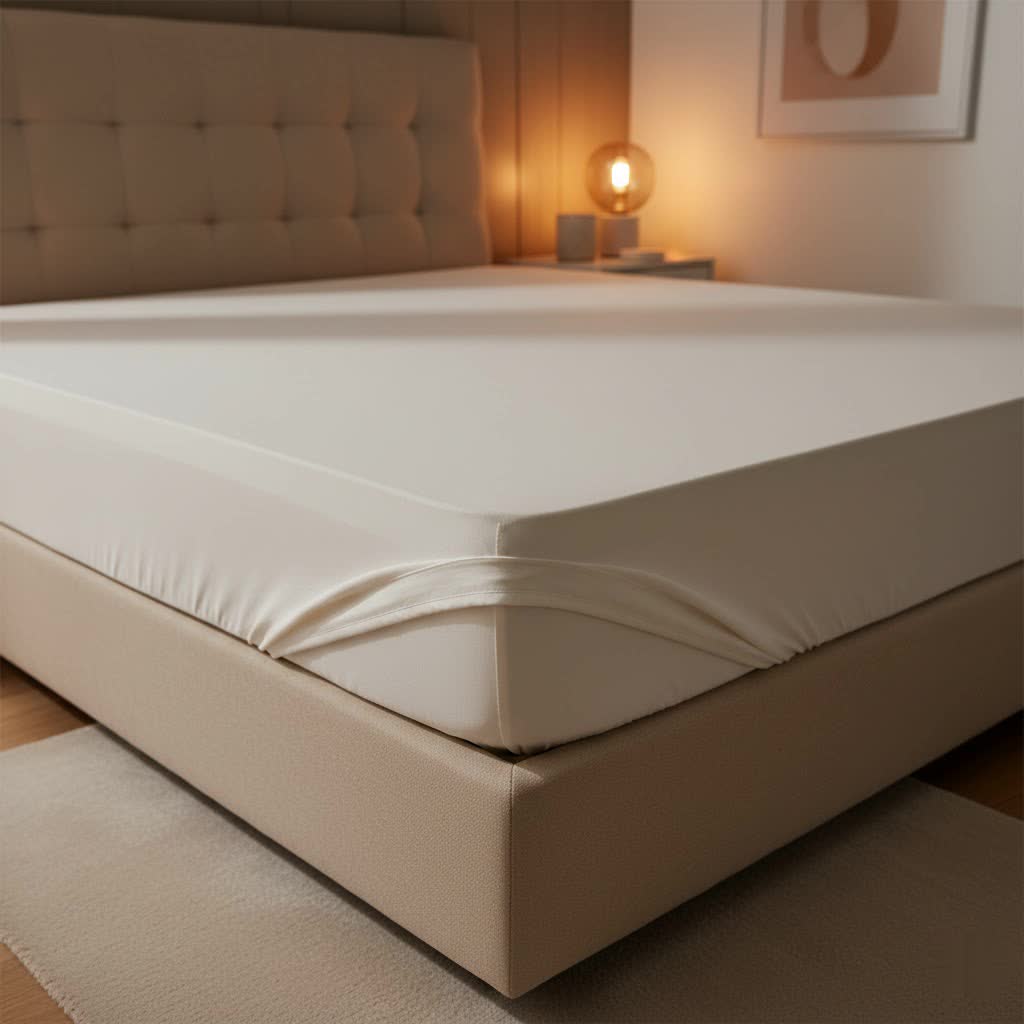
Are you dreaming of a cloud-like sleep surface, a luxurious retreat that transforms your ordinary bed into an extraordinary haven? If so, a feather mattress topper might be the secret ingredient you’ve been searching for. These plush additions are renowned for their incredible softness and ability to infuse your bed with the five-star comfort of a luxury hotel. But with so many options, how do you navigate the choices to find the perfect feather mattress topper that truly meets your needs and budget? This comprehensive guide will unfold everything you need to know, from understanding different fills to essential care tips, ensuring you make an informed decision for blissful nights.
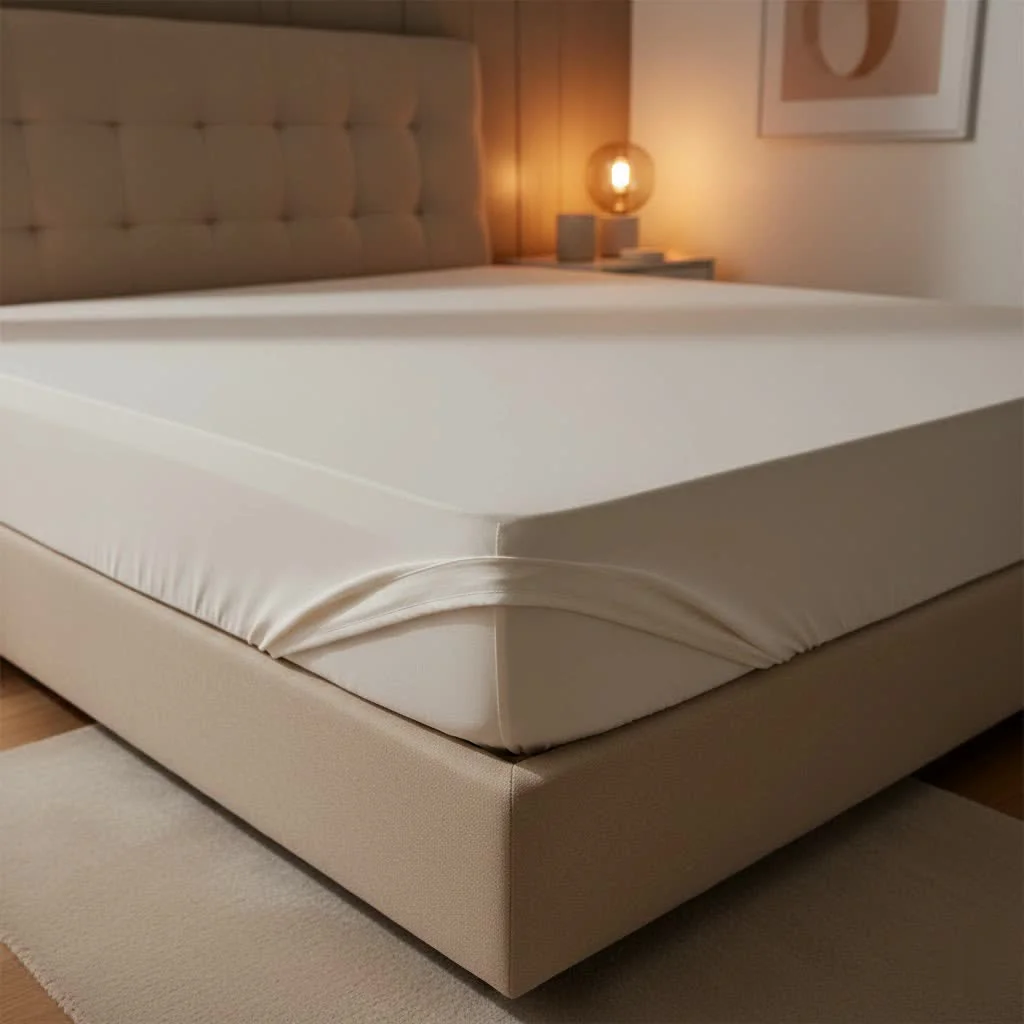
The Perfect Mattress Topper: A Detailed Guide from A to Z
Overview of Feather Mattress Toppers
A feather mattress topper, often referred to as a “featherbed,” is a thick layer of cushioning filled with natural feathers and/or down, designed to be placed on top of your existing mattress. Unlike a thin mattress pad, a topper adds substantial loft and softness, significantly altering the feel of your bed. People often choose feather toppers to enhance comfort, add a plush feel to a firm mattress, or to regulate temperature, as natural fills tend to be quite breathable. For shop curated mattress toppers on this site.
Feather toppers come in various compositions, primarily involving feathers, down, or a combination of both. Pure feather toppers typically use larger, coarser feathers, offering a firmer cushioning layer at a more accessible price point. Pure down toppers, filled with the soft, fluffy clusters from under a bird’s exterior feathers, are celebrated for their supreme softness, lightweight loft, and superior insulation, though they come at a higher cost. Many popular featherbeds are a blend, often featuring a higher percentage of feathers for foundational support and a top layer of down for that exquisite softness, creating a “two-chamber” design. This blend aims to deliver the best of both worlds, minimizing the chance of feathers poking through while maximizing plush comfort.
While undeniably luxurious, feather toppers also have their drawbacks. They are primarily designed for softness and may offer limited spinal support, making them less ideal for individuals needing significant orthopedic relief. They also tend to compress over time, requiring regular fluffing to restore their loft and even distribution. Some individuals may also experience allergies to natural feathers or down, though hypoallergenic options are available.
Detailed Guide to Buying a Feather Mattress Topper
Choosing the right feather mattress topper involves considering several factors to match your personal preferences and sleep habits. Taking the time to evaluate these points will ensure your investment leads to truly restorative sleep.
Determine Your Personal Needs
Before diving into materials, ask yourself what you want your topper to achieve. Are you primarily seeking to soften an overly firm mattress, or are you longing for a cozy, enveloping sensation? Do you tend to sleep hot, or do you desire extra warmth? Feather toppers excel at adding softness and providing good temperature regulation dueishing to their natural breathability. Consider any allergies you might have, as this will influence your choice between natural fills and hypoallergenic alternatives. Your budget is also a key factor, as the cost can vary significantly based on fill type and quality.
Choose the Right Fill Material
The heart of a feather mattress topper lies in its fill.
- Feather: Toppers filled predominantly with feathers offer a more substantial, slightly firmer feel and are generally more affordable. However, the quills of larger feathers can sometimes poke through the fabric, and they may flatten more quickly, requiring frequent fluffing.
- Down: Known for its exceptional softness, warmth without weight, and superior loft, down is the more luxurious and expensive option. Down clusters are quill-less, eliminating the poking issue. Down-filled toppers provide an unparalleled cloud-like sensation. The quality of down is often measured by “fill power,” with higher numbers (e.g., 650, 750, 800) indicating greater fluffiness and insulating ability.
- Blends (Feather and Down): Many high-quality featherbeds use a blend, often with a core of feathers for gentle support and a top layer of down for plush comfort. This “two-chamber” construction helps prevent feathers from shifting and offers a balance of softness and a touch more structure. This design can also mitigate some of the downsides of pure feather fill.
Consider Thickness
The thickness of your feather mattress topper directly impacts how much it will alter the feel of your bed.
- Thinner toppers (2-5 cm / 1-2 inches): These are best for adding a light layer of softness and pillow-top feel without drastically changing your mattress’s firmness. They offer minimal support.
- Thicker toppers (5-10 cm / 2-4 inches): A thicker topper will provide a more noticeable change in comfort, offering deeper cushioning and a more significant “sink-in” feeling. While they still don’t offer substantial support, they can enhance the overall plushness and can be effective for softening a very firm mattress. Some experts suggest that toppers less than two inches thick may not significantly change the mattress surface.
Ensure Correct Size
This might seem obvious, but ensuring your feather topper precisely matches your mattress size is crucial for both aesthetics and comfort. A topper that is too small will leave gaps, while one that is too large can bunch up or hang over the sides awkwardly. Measure your mattress carefully before purchasing.
Check for Certifications and Construction
Look for certifications that ensure the quality and ethical sourcing of the fill material. Certifications like Responsible Down Standard (RDS) confirm that feathers and down come from animals that have not been subjected to unnecessary harm. If allergies are a concern, seek out hypoallergenic options or those treated to reduce allergens. The construction of the topper is also vital:
- Baffle-Box Construction: This design uses internal fabric walls to create individual compartments, preventing the feathers and down from shifting and clumping. This helps maintain an even distribution of fill and consistent loft across the entire surface.
- Gusseted Edges: A gusset around the perimeter helps the topper maintain its height and shape, providing a more defined edge and preventing the fill from spilling out.
Comparing Popular Mattress Topper Types
|
Our Picks for the Best Mattress Topper in 2026
As an Amazon Associate I earn from qualifying purchases.
|
||
| Num | Product | Action |
|---|---|---|
| 1 | Dual Layer 4 Inch Memory Foam Mattress Topper King Size, 2" Cooling Gel Memory Foam & 2" Pillow Top, Mattress Pad Cover for Back Pain Relief, CertiPUR-US Certified, Deep Pocket Fits 21", White |

|
| 2 | SINWEEK 2 Inch Gel Memory Foam Mattress Topper Ventilated Soft Pressure Relieve Mattress Pad, Breathable Bed Topper, CertiPUR-US Certified, Twin Size |
|
| 3 | 3 Inch Ultra-Fluffy Memory Foam Mattress Topper Queen for Back Pain, Soft Comfy Pillow Top Queen Mattress Topper with 4X Support, Mattress Pad with Breathable Air Mesh Sides, 6-21'' Deep Pocket |
|
| 4 | EASELAND Queen Size Mattress Pad Pillow Top Mattress Cover Quilted Fitted Mattress Protector Cotton Top Stretches up 8-21" Deep Pocket Cooling Mattress Topper (60x80 inch, White) |
|
| 5 | 4 Inch Memory Foam Mattress Topper - Extra Thick 2000 GSM Pillow Top Mattress Topper Body-Contouring Support for Back Pain Relief,Breathable Cover with 6"-18" Deep Pocket (Queen,60"x80") |
|
| 6 | LINENSPA Memory Foam Mattress Topper - 2 Inch Gel Infused Memory Foam - Plush Feel - Cooling and Pressure Relieving - CertiPUR Certified - Dorm Room Essentials - Queen Size |
|
| 7 | 2 Inch Thick Mattress Topper Queen - Viscose Made from Bamboo Pillow Top Memory Foam Mattress Pad for Back Pain, Ultra Soft & Cooling for Hot Sleepers, 6-18'' Deep Pocket, Green |
|
| 8 | 4 Inch Memory Foam Mattress Topper, Cooling Extra Thick 2000 GSM Pillow Top Mattress Pad for Back Pain Relief,Soft Breathable Mattress Cover for Fluffy Shredded Memory Foam Filled,(King,78“x80”) |
|
| 9 | 5 Inch Mega Support Memory Foam Queen Mattress Topper for Pressure Relief, Dual Layer 2.5" Pillow Top Mattress Topper Queen Plus 2.5" Cooling Gel Infused Memory Foam Mattress Pad |
|
| 10 | LINENSPA Memory Foam Mattress Topper - 3 Inch Gel Infused Memory Foam - Plush Feel - Cooling and Pressure Relieving - CertiPUR Certified - Dorm Room Essentials - Queen Size |
|
Understanding how feather mattress toppers stack up against other common materials can help you decide if it’s the right choice for you.
| Feature | Memory Foam | Latex | Feather/Down | Synthetic (Fiberfill) |
|---|---|---|---|---|
| Softness | High (conforming) | Medium-High | Very High (plush) | Medium |
| Breathability | Low (can retain heat) | High (natural airflow) | High (natural fill) | Medium |
| Durability | Medium-High | High | Medium (requires fluffing) | Low-Medium |
| Price | Medium-High | High | Medium-High | Low |
| Spinal Support | Excellent | Excellent | Poor-Limited | Poor |
| Ease of Cleaning | Spot clean cover | Spot clean cover | Varies (dry clean often) | Often machine washable |
As seen, feather/down toppers offer a unique plushness unrivaled by most synthetic options, and better breathability than traditional memory foam. However, they fall short in providing the robust spinal support found in memory foam or latex.
Top Feather Mattress Toppers
While specific product recommendations are outside the scope of this general guide, when seeking top-rated feather mattress toppers, look for brands known for their quality materials and construction. Many premium options feature a two-chamber design with a higher down content, often boasting fill powers of 650 or higher, encased in high-thread-count cotton covers to prevent feathers from poking through. These often come with elastic straps to secure them to the mattress, minimizing shifting during the night. Focus on user reviews that highlight sustained loft, minimal feather migration, and overall satisfaction with the “cloud-like” feel.
Tips for Using and Maintaining Your Feather Mattress Topper
Proper care and maintenance are essential for maximizing the lifespan and enjoyment of your feather mattress topper.
- Regular Fluffing: This is perhaps the most crucial tip for any feather product. Featherbeds tend to compress and flatten with use, losing their loft. Regularly fluffing your topper, ideally daily or every few days, will redistribute the fill and restore its plushness. Some designs, like baffle-box construction, help mitigate excessive shifting, but fluffing is still vital.
- Cleaning: Always refer to the manufacturer’s care label. Many feather and down toppers are spot-clean only or require professional dry cleaning. If machine washing is an option (typically for down alternative or specific treated feather blends), use a large-capacity machine, a gentle cycle with mild detergent, and absolutely no fabric softeners, as they can damage the natural fibers. Ensure the topper is completely dry before returning it to your bed to prevent mold and mildew, which might take several cycles in a large dryer with dryer balls.
- Protect Against Allergies: If you have feather allergies, opt for hypoallergenic versions or consider a down-alternative topper that mimics the feel without the natural fill. Using a mattress protector over your feather topper can also add an extra barrier against allergens and dust mites, and help keep the topper clean.
Buying Guide for Mattress Toppers
When buying any mattress topper, remember to prioritize your unique sleep needs. Consider how a topper will interact with your existing mattress, whether you need firmness, softness, cooling, or pressure relief. Don’t overlook the importance of material quality, thickness, and ease of care. A good mattress topper isn’t just an accessory; it’s an investment in your sleep quality.
Frequently Asked Questions
Is a feather mattress topper suitable for someone with back pain?
While feather mattress toppers provide exceptional softness and comfort, they offer minimal structural support for the spine. If you suffer from significant back pain, you might find that a memory foam or latex topper provides better contouring and pressure relief, which are typically more beneficial for pain management. A feather topper might exacerbate existing back issues if proper alignment isn’t maintained by your mattress.
How often should I fluff my feather mattress topper?
For optimal comfort and to maintain its loft, you should fluff your feather mattress topper regularly, ideally every day or every few days. This helps redistribute the feathers and down, preventing clumping and flattening that can occur with body weight over time. Occasional rotation of the topper can also help ensure even wear.
Get our weekly buyer guide
Practical specs, not advice. Unsubscribe anytime.
