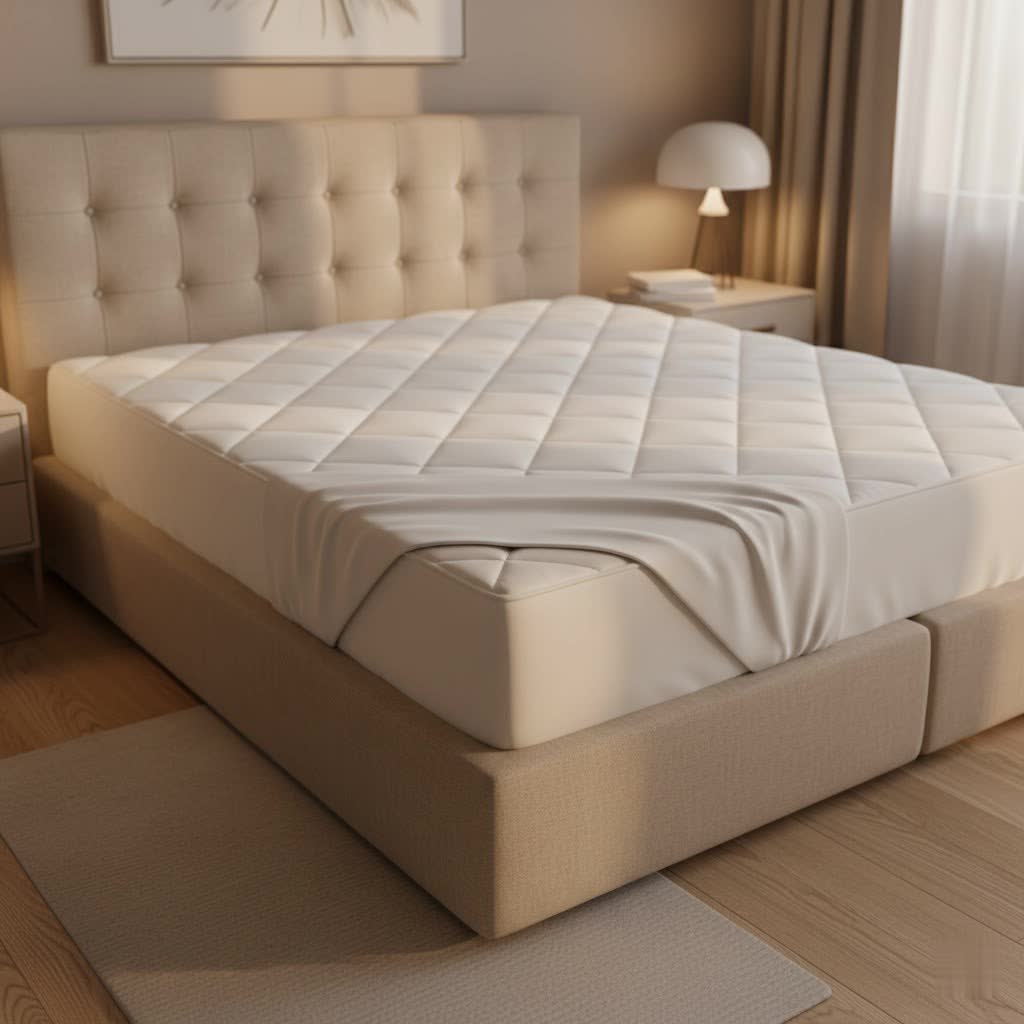
Waking up with persistent back pain can transform the promise of a refreshing morning into a daily struggle. If your current mattress feels unsupportive or too soft, leaving your spine out of alignment, a firm mattress topper might be the perfect solution. As an expert with over a decade in bedroom furnishings, particularly mattress toppers, I’ve seen firsthand how the right one can revolutionize sleep quality and alleviate chronic discomfort. This comprehensive guide will help you understand the nuances of choosing a firm mattress topper specifically engineered to support your spine and bring genuine relief.
Understanding Mattress Toppers and Their Role in Back Pain Relief
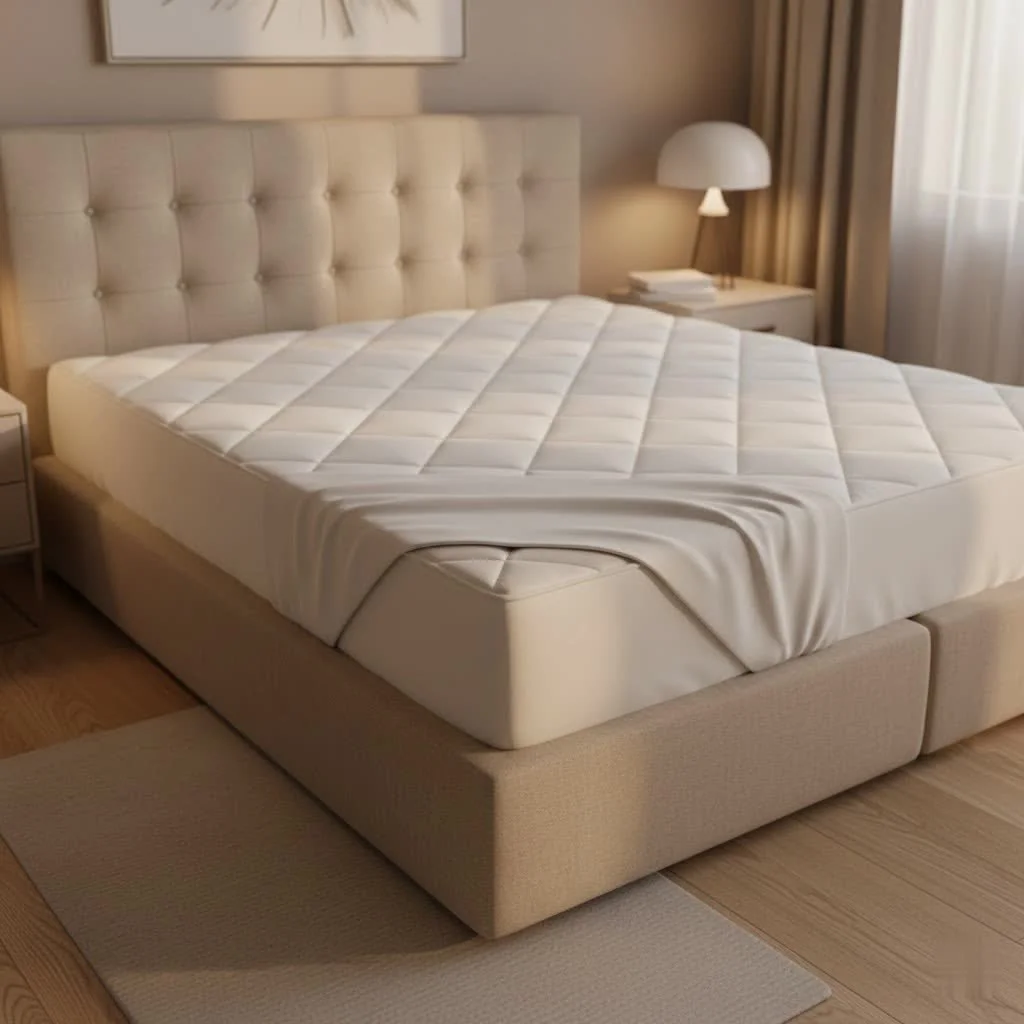
A mattress topper is an additional layer placed on top of your existing mattress, designed to modify its feel and provide extra support or cushioning. For those suffering from back pain, the primary goal of a topper is to create a sleep surface that promotes healthy spinal alignment and alleviates pressure points.
What Exactly Is a Mattress Topper?
Think of a mattress topper as a customizable enhancement for your bed. It’s not a replacement for a completely worn-out mattress, but rather a tool to fine-tune the firmness, softness, or support of a mattress that’s either too old, too new, or simply not quite right for your body. The right topper can extend the life of your mattress and significantly improve your sleep experience.
Why Firmness Matters for Back Pain Relief
When it comes to back pain, especially in the lower back, inadequate support is often the culprit. A mattress that’s too soft allows your hips and midsection to sink too deeply, forcing your spine into an unnatural “C” curve. Conversely, a mattress that’s too firm can create painful pressure points around your shoulders and hips without cradling the natural curves of your back.
A firm mattress topper is designed to counteract excessive sinkage, providing a more even, supportive surface that keeps your spine in a neutral, healthy alignment. This is crucial for distributing body weight evenly, reducing strain on the lumbar region, and allowing muscles to relax rather than work overtime to support your posture throughout the night.
Benefits of Choosing a Firm Topper for Back Pain
Opting for a firm mattress topper offers several distinct advantages for back pain sufferers:
- Enhanced Spinal Alignment: Provides the necessary resistance to keep your spine straight, from your head to your hips.
- Reduced Pressure Points: While firm, the right materials will still conform enough to relieve pressure without allowing you to sink.
- Improved Support for Heavier Individuals: Prevents heavier sleepers from sinking too far into an overly soft mattress.
- Extends Mattress Lifespan: Can rejuvenate an aging mattress that has lost some of its original support.
- Cost-Effective Solution: A more affordable alternative to purchasing an entirely new mattress.
Exploring Types of Firm Mattress Toppers for Back Pain
The market offers various materials, each bringing unique properties to the “firm” experience. Understanding these differences is key to making an informed choice.
Memory Foam Mattress Toppers
|
Our Picks for the Best Mattress Topper in 2026
As an Amazon Associate I earn from qualifying purchases.
|
||
| Num | Product | Action |
|---|---|---|
| 1 | EASELAND Queen Size Mattress Pad Pillow Top Mattress Cover Quilted Fitted Mattress Protector Cotton Top Stretches up 8-21" Deep Pocket Cooling Mattress Topper (60x80 inch, White) |

|
| 2 | 5 Inch Mega Support Memory Foam Queen Mattress Topper for Pressure Relief, Dual Layer 2.5" Pillow Top Mattress Topper Queen Plus 2.5" Cooling Gel Infused Memory Foam Mattress Pad |
|
| 3 | LINENSPA Memory Foam Mattress Topper - 2 Inch Gel Infused Memory Foam - Plush Feel - Cooling and Pressure Relieving - CertiPUR Certified - Dorm Room Essentials - Queen Size |
|
| 4 | 4 Inch Memory Foam Mattress Topper - Extra Thick 2000 GSM Pillow Top Mattress Topper Body-Contouring Support for Back Pain Relief,Breathable Cover with 6"-18" Deep Pocket (Queen,60"x80") |
|
| 5 | 3 Inch Ultra-Fluffy Memory Foam Mattress Topper Queen for Back Pain, Soft Comfy Pillow Top Queen Mattress Topper with 4X Support, Mattress Pad with Breathable Air Mesh Sides, 6-21'' Deep Pocket |
|
| 6 | 2 Inch Thick Mattress Topper Queen - Viscose Made from Bamboo Pillow Top Memory Foam Mattress Pad for Back Pain, Ultra Soft & Cooling for Hot Sleepers, 6-18'' Deep Pocket, Green |
|
| 7 | SINWEEK 2 Inch Gel Memory Foam Mattress Topper Ventilated Soft Pressure Relieve Mattress Pad, Breathable Bed Topper, CertiPUR-US Certified, Twin Size |
|
| 8 | LINENSPA Memory Foam Mattress Topper - 3 Inch Gel Infused Memory Foam - Plush Feel - Cooling and Pressure Relieving - CertiPUR Certified - Dorm Room Essentials - Queen Size |
|
| 9 | 4 Inch Memory Foam Mattress Topper, Cooling Extra Thick 2000 GSM Pillow Top Mattress Pad for Back Pain Relief,Soft Breathable Mattress Cover for Fluffy Shredded Memory Foam Filled,(King,78“x80”) |
|
| 10 | Dual Layer 4 Inch Memory Foam Mattress Topper King Size, 2" Cooling Gel Memory Foam & 2" Pillow Top, Mattress Pad Cover for Back Pain Relief, CertiPUR-US Certified, Deep Pocket Fits 21", White |
|
Memory foam is a popular choice for back pain due to its ability to contour closely to the body’s curves, distributing weight evenly and relieving pressure. For back pain, higher density memory foam toppers typically offer the firmer support needed.
- Pros: Excellent pressure relief, superior body contouring, good motion isolation (ideal for couples).
- Cons: Can retain heat (though many now come with cooling technologies like gel infusion or open-cell designs), may have an initial off-gassing smell.
- Considerations: Look for gel-infused or copper-infused memory foam, or those with breathable covers, to mitigate heat retention. Thickness of 3-4 inches is often optimal for balancing contouring with support.
Latex Mattress Toppers
Latex toppers, particularly those made from natural or organic latex, are highly regarded for their responsive support and durability. Latex offers a buoyant feel that supports the spine without the deep hug of memory foam.
- Pros: Highly durable, excellent breathability and natural cooling properties, responsive (easy to change positions), hypoallergenic, eco-friendly options available (organic latex).
- Cons: Generally more expensive than other materials, can be heavy.
- Considerations: Look for Talalay or Dunlop latex; Dunlop is often denser and firmer. Certifications like GOLS (Global Organic Latex Standard) ensure quality and sustainability.
Other Mattress Topper Materials
While memory foam and latex are frontrunners for firm support, other materials may also be considered:
- High-Density Polyfoam: A more affordable foam option that can offer firm support. Less contouring than memory foam but more responsive.
- Hybrid Toppers: Some toppers combine materials, such as a base layer of firm foam with a softer top layer, or even micro-coils for added spring and breathability. These can offer a balanced feel of both firmness and slight give.
How to Choose the Perfect Firm Mattress Topper for Your Back Pain
Selecting the right topper involves a thoughtful assessment of your personal needs and preferences.
Determine Your Individual Needs
Before diving into materials, consider these factors:
- Your Sleeping Position: Back and stomach sleepers generally benefit most from firm toppers to maintain a flat, aligned spine. Side sleepers might need a topper that offers firmness but still allows enough give for shoulder and hip pressure relief.
- Your Body Weight: Heavier individuals (over 230 lbs) typically require a firmer, thicker topper (e.g., 3-4 inches) to prevent excessive sinking and ensure adequate support. Lighter individuals might find medium-firm sufficient.
- Condition of Your Current Mattress: Is your mattress too soft, sagging, or just lacking support? A firm topper can significantly improve these issues. If your mattress is severely damaged, a topper is only a temporary fix.
- Specific Pain Points: Identify where your back pain is most prevalent (e.g., lower back, upper back). This can influence the ideal material and firmness.
Material Choice: Deep Dive into Memory Foam vs. Latex
The choice between firm memory foam and firm latex largely comes down to personal feel preference.
- For “Cradling Support”: If you prefer a topper that molds precisely to your body, distributing weight and relieving pressure with a deep hug, a high-density, firm memory foam topper is likely your best bet. Ensure it has cooling features if you tend to sleep hot.
- For “Responsive Support”: If you prefer a more “on top of the bed” feel with excellent pushback, responsiveness, and natural breathability, a firm latex topper will be more suitable. It offers consistent support without feeling stuck.
Firmness Level: Finding Your Sweet Spot
For back pain, aim for a firmness level that prevents your hips and torso from sinking while still providing a slight contour. Most experts recommend a “medium-firm” to “firm” feel. On a scale of 1-10 (1 being softest, 10 being firmest), a firmness rating of 7-9 is often ideal. This level offers stability without feeling uncomfortably rigid.
Thickness: The Right Profile for Relief
The thickness of a mattress topper impacts its ability to provide support and comfort.
- 2-3 Inches: Suitable for adding noticeable support and slight firmness to an already decent mattress. A 3-inch topper is often considered the “sweet spot” for many sleepers with back pain.
- 4 Inches or More: Best for significantly altering the feel of a very soft or sagging mattress, offering substantial firmness and pressure relief.
Size Compatibility
Always ensure the topper matches your mattress size perfectly to avoid gaps, shifting, or an uneven sleep surface.
Certifications and Safety
Look for certifications that indicate material safety and quality:
- CertiPUR-US: For foam products, ensures they are made without harmful chemicals and low VOC (Volatile Organic Compound) emissions.
- Oeko-Tex Standard 100: Certifies textiles are free from harmful substances.
- GOLS (Global Organic Latex Standard): For organic latex, guarantees strict environmental and social criteria.
Cooling Features for a Restful Sleep
Heat retention can be a concern with some firm materials. Look for toppers with:
- Gel Infusion: Gel particles or beads within memory foam help dissipate heat.
- Open-Cell Structure: Memory foam with a more open cell design allows for better airflow.
- Perforations/Ventilation: Holes or channels in the topper material enhance breathability.
- Breathable Covers: Covers made from cotton, bamboo, or phase-change materials can aid in temperature regulation.
Comparison Table: Popular Firm Topper Materials
| Feature | Memory Foam (Firm) | Latex (Firm) | High-Density Polyfoam (Firm) |
|---|---|---|---|
| Feel | Contouring, “hugging” | Responsive, buoyant | Supportive, less contouring |
| Back Support | Excellent (spinal alignment, pressure relief) | Excellent (spinal alignment, consistent support) | Good (firmer foundation) |
| Breathability | Moderate (improves with gel/open-cell) | High (naturally breathable) | Moderate |
| Durability | Medium | High | Medium |
| Price | Medium | High | Low |
| Motion Isolation | Very High | High | Moderate |
Top Firm Mattress Topper Types for Back Pain
While specific brands may vary, certain types consistently excel in providing relief for back pain sufferers:
High-Density Memory Foam Toppers
These toppers are engineered with a higher density of memory foam, providing a robust surface that cradles the body without allowing excessive sinkage. They excel at pressure point relief and maintaining spinal alignment. Many modern versions include cooling technologies to combat the traditional heat retention of memory foam.
Natural Latex Toppers
Known for their inherent resilience and support, natural latex toppers offer a unique buoyant feel. They adapt to your body’s contours while providing a consistent lift, making them an excellent choice for those who need firm support but prefer not to sink deeply into the material. Their natural breathability is an added benefit for temperature regulation.
Gel-Infused Memory Foam Toppers
These toppers combine the contouring benefits of memory foam with the added advantage of gel particles or layers that help dissipate heat. This makes them a comfortable choice for individuals who require the pressure relief of memory foam but are prone to overheating. The firm variations still deliver the necessary support for spinal alignment.
Tips for Using and Maintaining Your Firm Mattress Topper
To maximize the lifespan and effectiveness of your mattress topper, proper care is essential.
Correct Placement
Always place your mattress topper directly on top of your existing mattress, underneath your fitted sheet. Ensure it’s centered and lays flat without any wrinkles or bunches. Some toppers come with straps or a non-slip backing to help keep them in place.
Cleaning and Care Instructions
- Spot Cleaning: For spills or stains, spot clean immediately with a mild detergent and water. Avoid saturating the foam.
- Removable Covers: Many toppers come with removable, washable covers. Follow the care instructions on the label (usually machine wash cold, tumble dry low).
- Air Out Regularly: Periodically remove your bedding and allow the topper to air out for a few hours to prevent moisture buildup and keep it fresh.
- Rotate: Rotate your topper 180 degrees every few months to promote even wear and prevent impressions.
- Professional Cleaning: For deep cleaning, refer to the manufacturer’s recommendations; some materials may require professional services.
When to Consider Replacement
Even the highest quality toppers have a lifespan. Generally, a good mattress topper should last between 3 to 5 years. Signs it’s time for a replacement include:
- Visible sagging or indentations that don’t rebound.
- Decreased support or comfort, leading to recurring back pain.
- Noticeable odors that don’t dissipate.
- Tears, crumbling, or other signs of material degradation.
Conclusion
Choosing the right firm mattress topper is a pivotal step towards alleviating back pain and achieving truly restorative sleep. By prioritizing materials like high-density memory foam or natural latex, and focusing on a medium-firm to firm feel with appropriate thickness, you can create a sleep environment that supports healthy spinal alignment and reduces pressure points. Remember to consider your unique sleeping style, body weight, and any specific pain areas to find a topper that perfectly complements your needs. Investing in a quality firm mattress topper isn’t just about upgrading your bed; it’s about investing in your long-term health and well-being.
What aspect of your sleep comfort will you improve first with a new firm mattress topper?
Frequently Asked Questions
Can a firm mattress topper make my mattress too hard?
A firm mattress topper is designed to add support, not necessarily to make your bed uncomfortably hard. The goal is a supportive surface that maintains spinal alignment. If your underlying mattress is already very firm, adding another firm layer might be too much, but for softening or sagging mattresses, it provides crucial stability without excessive rigidity.
How do I know if I need a firm or soft mattress topper for back pain?
Generally, a firm to medium-firm mattress topper is recommended for back pain as it helps keep your spine aligned and prevents sagging. A topper that’s too soft can allow your body to sink, exacerbating pain. However, personal preference and sleeping position (side sleepers may need slightly more contouring) can influence the ideal choice.
What thickness is best for a firm mattress topper for back pain?
Most experts recommend a thickness between 2 and 4 inches for a firm mattress topper to address back pain. A 3-inch topper is often considered ideal, offering a good balance of added support and comfort without making your bed excessively high or rigid.
Are memory foam or latex toppers better for back pain?
Both memory foam and latex are excellent choices for back pain, offering distinct benefits. Firm memory foam contours closely, relieving pressure points, while firm latex provides buoyant, responsive support with natural breathability. Your preference for a “hugging” feel (memory foam) versus an “on top” feel (latex) will guide your decision.
How often should I replace my firm mattress topper?
A high-quality firm mattress topper typically lasts between 3 to 5 years, depending on the material, usage, and care. You should consider replacing it when you notice a decrease in support, visible sagging, or if your back pain starts to return, indicating the material has lost its effectiveness.
Get our weekly buyer guide
Practical specs, not advice. Unsubscribe anytime.
