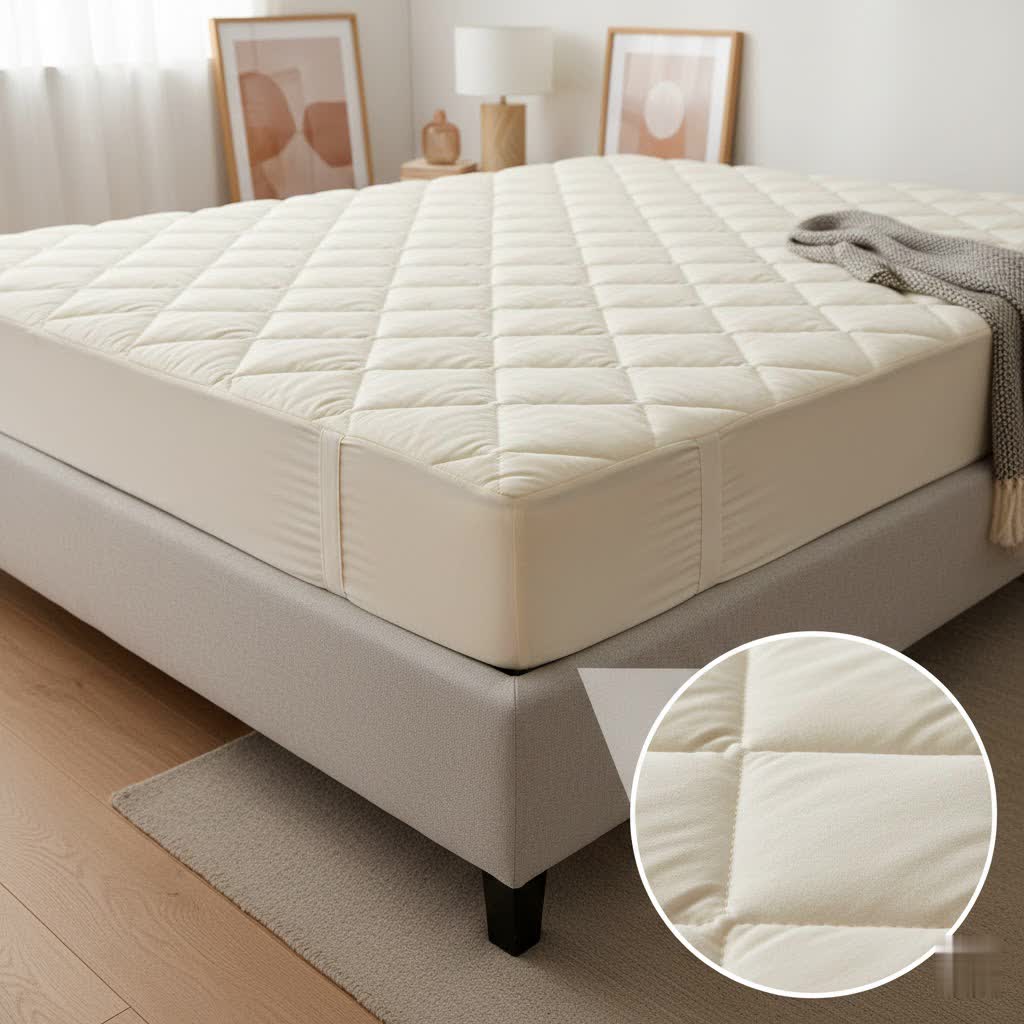
Are you tired of tossing and turning, struggling to find that sweet spot of comfort night after night? A Good Mattress Topper could be the game-changer you need, transforming an ordinary bed into a personalized sleep sanctuary without the hefty price tag of a new mattress. With over a decade of hands-on experience in bedroom furnishings, especially mattress toppers, I’ve personally evaluated hundreds of options. I understand the nuances of what makes a topper truly “good” and I’m here to share that insight with you.
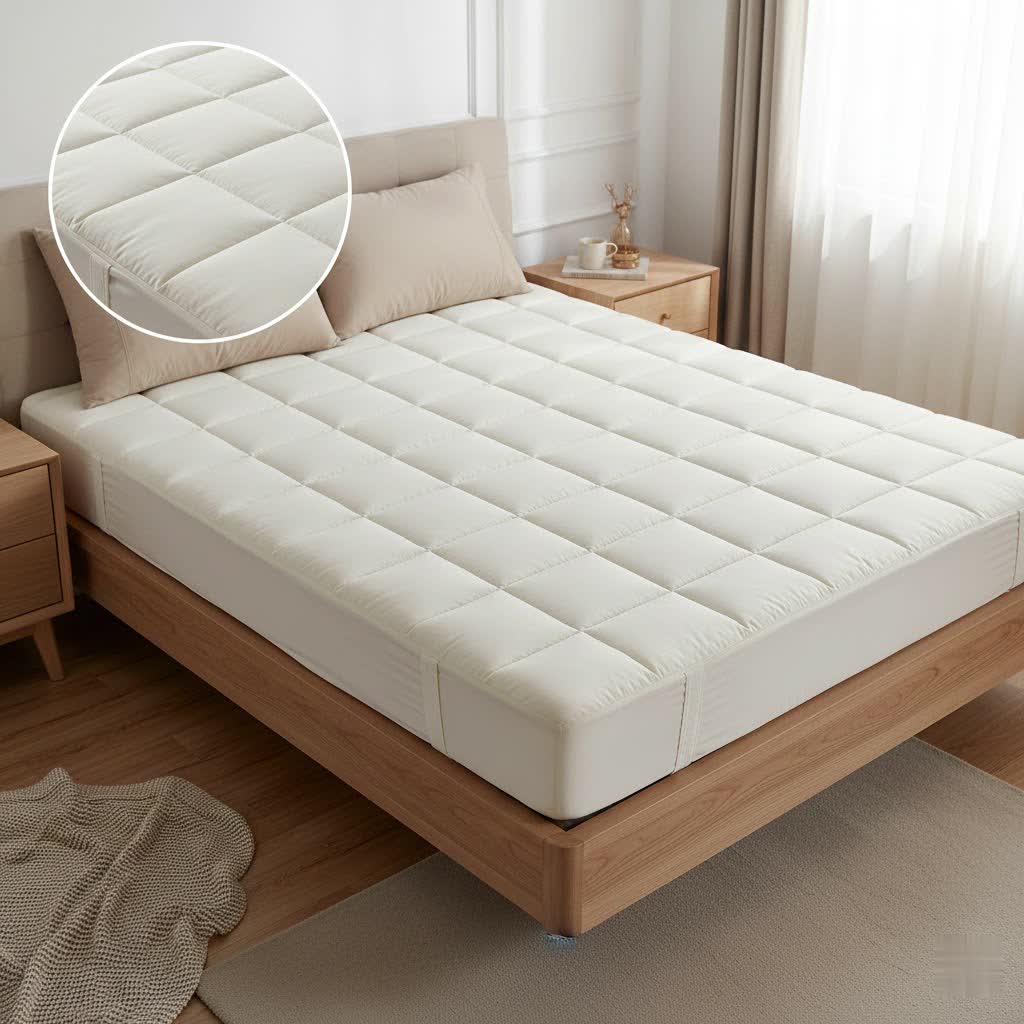
A mattress topper is an additional layer of material designed to sit directly on top of your existing mattress. Its primary purpose is to enhance or adjust the feel of your bed, providing extra cushioning, support, or even temperature regulation. It’s a cost-effective way to refresh an aging mattress, soften a bed that’s too firm, firm up one that’s too soft, or simply add a luxurious layer of comfort. By understanding the core benefits—from improved sleep quality and customized comfort to extended mattress lifespan and enhanced hygiene—you can make an informed decision that will significantly impact your nightly rest.
Decoding the World of Mattress Toppers: Materials and Their Impact
The material of your mattress topper is the single most important factor determining its feel, benefits, and durability. Each type offers a unique sleeping experience, catering to different needs and preferences.
Memory Foam Mattress Toppers
Memory foam is renowned for its body-conforming properties and exceptional pressure relief. It reacts to your body heat and weight, molding precisely to your contours.
- Pros: Outstanding pressure relief for hips, back, and shoulders; excellent motion isolation, making it ideal for couples; provides targeted support for joint or muscular pain; often recommended for side sleepers.
- Cons: Can retain body heat, leading to a warmer sleep experience (though gel-infused versions help mitigate this); may have an initial “off-gassing” smell; some users find it difficult to move or change positions due to the deep sinkage.
- Key Insight: For memory foam, density is crucial. Higher density foam generally offers more support and lasts longer.
|
Our Picks for the Best Mattress Topper in 2026
We may earn a commission when you use one of our links to make a purchase.
|
||
| Num | Product | Action |
|---|---|---|
| 1 | 4 Inch Memory Foam Mattress Topper, Cooling Extra Thick 2000 GSM Pillow Top Mattress Pad for Back Pain Relief,Soft Breathable Mattress Cover for Fluffy Shredded Memory Foam Filled,(King,78“x80”) |

|
| 2 | SINWEEK 2 Inch Gel Memory Foam Mattress Topper Ventilated Soft Pressure Relieve Mattress Pad, Breathable Bed Topper, CertiPUR-US Certified, Twin Size |
|
| 3 | Dual Layer 4 Inch Memory Foam Mattress Topper King Size, 2" Cooling Gel Memory Foam & 2" Pillow Top, Mattress Pad Cover for Back Pain Relief, CertiPUR-US Certified, Deep Pocket Fits 21", White |
|
| 4 | LINENSPA Memory Foam Mattress Topper - 2 Inch Gel Infused Memory Foam - Plush Feel - Cooling and Pressure Relieving - CertiPUR Certified - Dorm Room Essentials - Queen Size |
|
| 5 | 2 Inch Thick Mattress Topper Queen - Viscose Made from Bamboo Pillow Top Memory Foam Mattress Pad for Back Pain, Ultra Soft & Cooling for Hot Sleepers, 6-18'' Deep Pocket, Green |
|
| 6 | EASELAND Queen Size Mattress Pad Pillow Top Mattress Cover Quilted Fitted Mattress Protector Cotton Top Stretches up 8-21" Deep Pocket Cooling Mattress Topper (60x80 inch, White) |
|
| 7 | 4 Inch Memory Foam Mattress Topper - Extra Thick 2000 GSM Pillow Top Mattress Topper Body-Contouring Support for Back Pain Relief,Breathable Cover with 6"-18" Deep Pocket (Queen,60"x80") |
|
| 8 | 3 Inch Ultra-Fluffy Memory Foam Mattress Topper Queen for Back Pain, Soft Comfy Pillow Top Queen Mattress Topper with 4X Support, Mattress Pad with Breathable Air Mesh Sides, 6-21'' Deep Pocket |
|
| 9 | LINENSPA Memory Foam Mattress Topper - 3 Inch Gel Infused Memory Foam - Plush Feel - Cooling and Pressure Relieving - CertiPUR Certified - Dorm Room Essentials - Queen Size |
|
| 10 | 5 Inch Mega Support Memory Foam Queen Mattress Topper for Pressure Relief, Dual Layer 2.5" Pillow Top Mattress Topper Queen Plus 2.5" Cooling Gel Infused Memory Foam Mattress Pad |
|
Latex Mattress Toppers
Derived from rubber trees (natural latex) or synthetically produced, latex toppers are celebrated for their responsive bounce and inherent cooling properties.
- Pros: Highly durable and resilient; offers a buoyant, supportive feel without excessive sinkage, promoting spinal alignment; naturally breathable and cooling, making it excellent for hot sleepers; inherently hypoallergenic, resistant to dust mites, mold, and mildew; provides good motion isolation.
- Cons: Typically more expensive than other materials; can have a distinct, though usually mild, rubbery smell when new; generally offers a firmer feel compared to memory foam.
Wool Mattress Toppers
Wool is a natural fiber prized for its exceptional temperature-regulating abilities and soft comfort.
- Pros: Excellent for all seasons, keeping you warm in winter and cool in summer by wicking away moisture; naturally breathable and hypoallergenic; resistant to dust mites and naturally flame-retardant; offers a soft, cozy feel.
- Cons: Provides less firm structural support than memory foam or latex, making it less suitable for significant pain relief needs; generally higher in price.
Feather and Down Mattress Toppers
These toppers offer a classic, luxurious feel, often found in high-end hotels.
- Pros: Creates an incredibly soft, plush, and cloud-like sleeping surface; highly breathable; provides lightweight warmth.
- Cons: Offers minimal structural support and pressure relief; requires regular fluffing to maintain loft and prevent clumping; not ideal for individuals with feather allergies unless explicitly specified as hypoallergenic.
Fiberfill (Polyester Blends, Hollowfibre, Microfibre) Toppers
Fiberfill toppers are a budget-friendly option, providing a soft, down-like feel.
- Pros: Most affordable option; often hypoallergenic; lightweight and easy to clean.
- Cons: Least durable material, prone to flattening, clumping, and losing shape quickly; offers minimal support for the body; shortest lifespan among topper types.
Your Personalized Guide to Choosing the Ideal Mattress Topper
Finding the perfect mattress topper involves understanding your unique sleep profile and what you truly need from your bed.
1. Identify Your Core Sleep Needs
Before anything else, pinpoint the primary issue you want your topper to solve. Is your current mattress too firm, causing pressure points? Is it too soft, leading to back pain? Do you wake up sweating, or do allergies plague your sleep? Answering these questions will narrow down your options significantly.
2. Consider Your Preferred Sleeping Position
Your sleeping position dictates where your body needs the most support and cushioning.
- Side Sleepers: Typically require a thicker, softer topper (around 3 to 4 inches) to cushion sensitive areas like shoulders and hips, promoting proper spinal alignment.
- Back and Stomach Sleepers: Generally benefit from thinner, firmer toppers (1 to 2 inches) that provide consistent support across the entire body, preventing the spine from arching uncomfortably.
3. Determine Your Firmness Preference
The “Goldilocks” principle applies here: you want a topper that’s neither too hard nor too soft, but just right for you.
- If your mattress is too firm, a softer topper can add a plush layer.
- If your mattress is too soft, a firmer topper can enhance support, potentially alleviating back pain by promoting better spinal alignment.
- A topper should adapt to your body, evenly distribute weight, keep your spine straight, and absorb pressure to enhance comfort and relieve pain.
4. Select the Right Thickness
Mattress topper thickness ranges from a mere 1 inch to a substantial 6 inches, each offering a different level of impact on your bed’s feel.
- 1-2 inches: Provides a slight comfort boost or minor adjustment to mattress firmness.
- 2-4 inches: A popular range that offers a noticeable change in comfort, cushioning, and support, suitable for most needs.
- 4-6 inches: Best for significantly altering the feel of a very uncomfortable mattress or providing substantial pressure relief and plushness.
5. Prioritize Material Quality and Certifications
High-quality materials ensure durability, consistent comfort, and a healthier sleep environment. Look for reputable brands and check for certifications.
- CertiPUR-US: For foam products, ensuring they are made without ozone depleters, heavy metals, formaldehyde, and have low VOC (Volatile Organic Compound) emissions for better indoor air quality.
- OEKO-TEX Standard 100: Certifies textiles and foams are tested for and free from harmful substances, covering every component from thread to fabric.
- GreenGuard/GreenGuard Gold: Indicates products meet strict chemical emissions limits, with Gold being an even more stringent standard.
- GOTS (Global Organic Textile Standard) / GOLS (Global Organic Latex Standard): Certify that products contain at least 95% organic materials and adhere to strict environmental and social criteria throughout the supply chain.
6. Ensure Correct Size
This may seem obvious, but always ensure the topper matches your mattress dimensions precisely to avoid gaps, shifting, or overhangs.
7. Consider Temperature Regulation
For hot sleepers, choosing a topper designed to dissipate heat is critical. Look for materials like natural latex, wool, or memory foam infused with cooling gels, graphite, or copper, and covers made from breathable fabrics like bamboo.
Comparing Popular Mattress Topper Types
| Feature | Memory Foam | Latex | Wool | Feather & Down | Fiberfill |
|---|---|---|---|---|---|
| Comfort | High (deep contouring, pressure relief) | Medium-High (responsive, buoyant) | High (soft, cozy) | Very High (plush, cloud-like) | Medium (soft, down-like) |
| Breathability | Low-Medium (can retain heat, gel helps) | High (naturally breathable, cooling) | Very High (excellent temperature regulation) | High (breathable) | Medium (can trap heat over time) |
| Durability | Medium (depends on density) | High (very long-lasting) | Medium-High | Medium (requires fluffing) | Low (prone to flattening/clumping) |
| Price Range | Medium | High | High | Medium-High | Low |
| Spinal Support | Good (conforms to curves) | Excellent (maintains alignment, buoyant) | Low-Medium (gentle support) | Low (minimal support) | Low (minimal support) |
| Ease of Care | Spot clean (some have removable covers) | Spot clean (some have removable covers) | Dry clean recommended (some washable options) | Dry clean recommended (some washable covers) | Easy (many are machine washable) |
Essential Tips for Using and Maintaining Your Mattress Topper
Once you’ve chosen your ideal mattress topper, proper care is crucial to maximize its lifespan and maintain its performance.
- Regular Cleaning: Always follow the manufacturer’s care instructions. If your topper has a removable cover, wash it as directed. For the topper itself, monthly vacuuming with a soft brush attachment can help remove dust and allergens.
- Spot Cleaning for Spills: Accidents happen. Promptly spot-clean any spills using a mild detergent and cold water, blotting gently. Avoid harsh chemicals or bleach, which can damage the material. Ensure the area is completely dry before placing bedding back on to prevent mold and mildew.
- Airing Out: When you first unpackage a new topper, especially memory foam or latex, allow it to air out in a well-ventilated room for a few hours to dissipate any initial odors. Periodically airing it out can also refresh the topper.
- Use a Protective Cover: To shield your investment from spills, stains, and sweat, place a breathable, waterproof mattress protector over your topper and under your fitted sheet. This significantly extends its life.
- Rotate Regularly: To promote even wear and prevent impressions, rotate your mattress topper 180 degrees every few months. While flipping isn’t always recommended (especially for toppers with distinct top and bottom layers), rotation is beneficial.
Conclusion
Choosing a good mattress topper is a powerful step toward achieving truly restorative sleep. By carefully considering your personal needs, understanding the unique properties of different materials like memory foam, latex, wool, feather and down, and fiberfill, and paying attention to crucial factors like thickness, firmness, and certifications, you can find a topper that transforms your existing mattress into a haven of comfort and support. Remember that proper care and maintenance will ensure your topper continues to provide you with rejuvenating sleep for years to come.
What sleep challenge are you hoping a new mattress topper will solve for you?
Frequently Asked Questions
What is the difference between a mattress topper and a mattress pad?
A mattress topper is typically several inches thick and significantly alters the feel of your mattress, adding substantial comfort, support, or firmness. A mattress pad, on the other hand, is generally thinner, primarily offering a slight comfort layer and protecting your mattress from spills and allergens.
Can a mattress topper really help with back pain?
Yes, a well-chosen mattress topper, particularly those made of memory foam or latex, can provide significant relief for back pain. These materials contour to your body or offer buoyant support, distributing weight evenly and promoting proper spinal alignment, which reduces pressure points.
Are there good hypoallergenic mattress topper options available?
Absolutely. Natural latex, organic cotton, and wool are excellent hypoallergenic choices. Latex naturally resists dust mites and mold, while wool’s moisture-wicking properties create an inhospitable environment for allergens. Many synthetic fiberfill toppers are also designed to be hypoallergenic.
How often should a mattress topper be replaced?
The lifespan of a mattress topper varies by material and care, but generally ranges from three to five years. If you notice signs of wear such as persistent sagging, lumps, tears, or a noticeable decrease in comfort and support, it’s time to consider a replacement.
Should I choose a memory foam or latex mattress topper for general use?
The best choice depends on your preference. Memory foam excels at body contouring and pressure relief, making it ideal for those seeking a “hug” and motion isolation. Latex offers a more responsive, buoyant feel with excellent breathability and durability, perfect for those who prefer more lift and a cooler sleep surface.