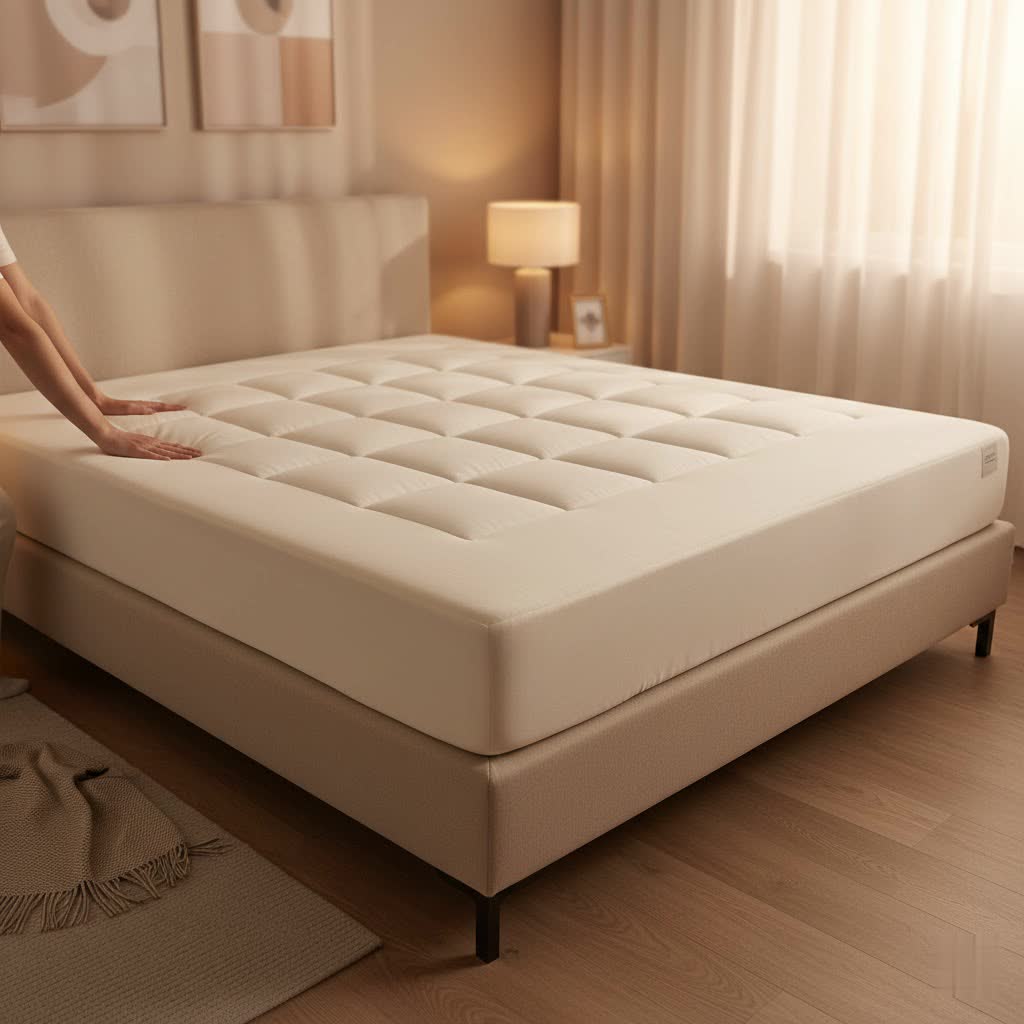
Are you waking up tired, sore, or simply not feeling refreshed in your king-sized bed? A king foam mattress topper could be the secret to transforming your sleep experience without investing in a brand new mattress. These versatile layers can significantly enhance comfort, provide targeted support, and even regulate temperature, directly addressing common sleep issues.
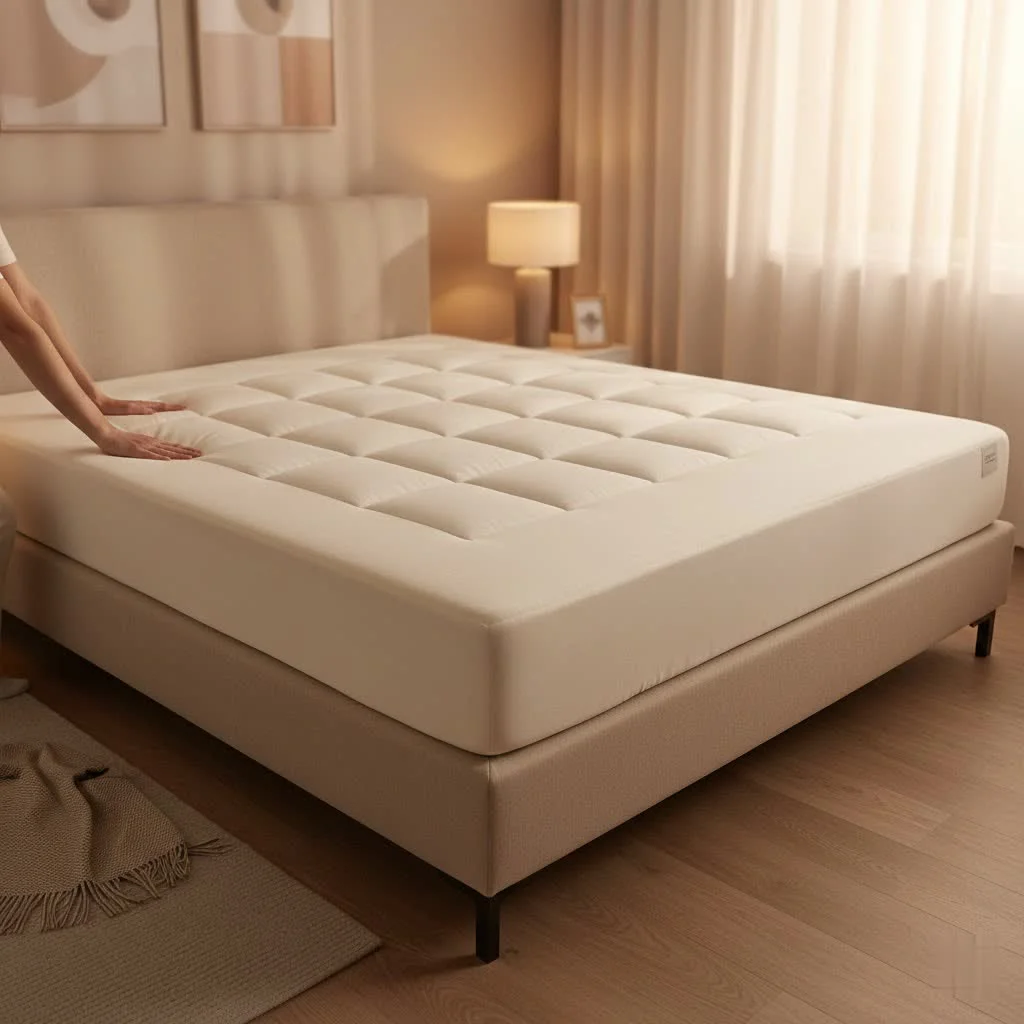
Understanding the King Foam Mattress Topper
A mattress topper is an additional layer of material, typically 2-4 inches thick, placed on top of your existing mattress. Its primary purpose is to alter the feel of your bed, whether you need extra softness, firmer support, or improved temperature regulation. For king-sized beds, a foam mattress topper offers a substantial surface to enjoy these benefits. For mattress toppers buying guides on this site.
Popular Types of Foam Mattress Toppers
While several materials are used for mattress toppers, foam options are incredibly popular due to their ability to contour and relieve pressure.
- Memory Foam: Known for its signature body-conforming properties, memory foam cradles your curves, distributing weight evenly and relieving pressure points. This is excellent for pain relief and motion isolation, meaning you’re less likely to be disturbed by a partner’s movements. Traditional memory foam can sometimes retain heat, but modern innovations like gel, copper, or graphite infusions, along with open-cell designs and airflow channels, help mitigate this issue.
- Latex Foam: Derived from the sap of rubber trees (natural latex) or synthetically produced, latex foam offers a more responsive and buoyant feel than memory foam. You tend to sleep “on top” of a latex topper rather than sinking in. It’s highly durable, naturally breathable, and provides excellent support, making it a good choice for those who need a firmer feel or struggle with mobility. Natural latex is also a more eco-friendly option.
- Polyfoam (Polyurethane Foam): This is a general term for various types of foam that are less dense than memory foam. Polyfoam toppers can range in feel from soft to firm and are often more affordable. They can offer a good balance of comfort and support without the deep contouring of memory foam or the bounce of latex.
Pros and Cons of Foam Toppers
Every material has its unique characteristics that cater to different sleepers.
| Feature | Memory Foam | Latex Foam |
|---|---|---|
| Pros | Excellent pressure relief, superior motion isolation, deep contouring, good for softening a firm mattress. | Highly durable, responsive and buoyant, excellent breathability, often hypoallergenic, supportive. |
| Cons | Can retain heat (unless specialized cooling features are added), slower response time, may have initial “off-gassing” odor. | Generally more expensive, can be too firm for some, less motion isolation than memory foam, heavier. |
Your Guide to Choosing the Perfect King Foam Mattress Topper
|
Our Picks for the Best Mattress Topper in 2026
As an Amazon Associate I earn from qualifying purchases.
|
||
| Num | Product | Action |
|---|---|---|
| 1 | 5 Inch Mega Support Memory Foam Queen Mattress Topper for Pressure Relief, Dual Layer 2.5" Pillow Top Mattress Topper Queen Plus 2.5" Cooling Gel Infused Memory Foam Mattress Pad |

|
| 2 | 2 Inch Thick Mattress Topper Queen - Viscose Made from Bamboo Pillow Top Memory Foam Mattress Pad for Back Pain, Ultra Soft & Cooling for Hot Sleepers, 6-18'' Deep Pocket, Green |
|
| 3 | EASELAND Queen Size Mattress Pad Pillow Top Mattress Cover Quilted Fitted Mattress Protector Cotton Top Stretches up 8-21" Deep Pocket Cooling Mattress Topper (60x80 inch, White) |
|
| 4 | Dual Layer 4 Inch Memory Foam Mattress Topper King Size, 2" Cooling Gel Memory Foam & 2" Pillow Top, Mattress Pad Cover for Back Pain Relief, CertiPUR-US Certified, Deep Pocket Fits 21", White |
|
| 5 | 3 Inch Ultra-Fluffy Memory Foam Mattress Topper Queen for Back Pain, Soft Comfy Pillow Top Queen Mattress Topper with 4X Support, Mattress Pad with Breathable Air Mesh Sides, 6-21'' Deep Pocket |
|
| 6 | LINENSPA Memory Foam Mattress Topper - 2 Inch Gel Infused Memory Foam - Plush Feel - Cooling and Pressure Relieving - CertiPUR Certified - Dorm Room Essentials - Queen Size |
|
| 7 | 4 Inch Memory Foam Mattress Topper, Cooling Extra Thick 2000 GSM Pillow Top Mattress Pad for Back Pain Relief,Soft Breathable Mattress Cover for Fluffy Shredded Memory Foam Filled,(King,78“x80”) |
|
| 8 | 4 Inch Memory Foam Mattress Topper - Extra Thick 2000 GSM Pillow Top Mattress Topper Body-Contouring Support for Back Pain Relief,Breathable Cover with 6"-18" Deep Pocket (Queen,60"x80") |
|
| 9 | SINWEEK 2 Inch Gel Memory Foam Mattress Topper Ventilated Soft Pressure Relieve Mattress Pad, Breathable Bed Topper, CertiPUR-US Certified, Twin Size |
|
| 10 | LINENSPA Memory Foam Mattress Topper - 3 Inch Gel Infused Memory Foam - Plush Feel - Cooling and Pressure Relieving - CertiPUR Certified - Dorm Room Essentials - Queen Size |
|
Selecting the right king foam mattress topper involves considering your personal preferences and addressing specific sleep challenges.
1. Assess Your Individual Needs
Before diving into options, think about what you want to achieve with a topper.
- Comfort or Support? Do you want to soften a too-firm mattress or add more support to a sagging one?
- Temperature Regulation: Are you a hot sleeper? Look for cooling features.
- Allergies: Seek out hypoallergenic materials like natural latex or treated synthetic fibers.
- Pain Relief: Memory foam is often highly recommended for pressure point relief and back pain due to its contouring abilities.
- Budget: Toppers range widely in price, so setting a budget beforehand can narrow your choices.
2. Choose the Right Material
Each foam type offers a distinct feel:
- Memory Foam: Ideal if you crave a “hugging” sensation, superior pressure relief for joints, and minimal motion transfer. Look for gel-infused or open-cell memory foam if heat retention is a concern.
- Latex Foam: Best for sleepers who prefer a more responsive, bouncy surface, better airflow, and exceptional durability. It’s also great for adding firm support without making the bed feel hard.
- Blended or Hybrid Foams: Some toppers combine materials, like memory foam with a down alternative pillow top, to offer a balanced feel.
3. Determine the Ideal Thickness
The thickness of your foam mattress topper significantly impacts its feel and performance. King foam mattress toppers typically range from 2 to 4 inches.
- 2-inch Toppers: Offer a subtle improvement in softness and comfort. Best for relatively new mattresses that just need a slight adjustment in feel.
- 3-inch Toppers: Provide a noticeable increase in cushioning and support. A popular choice for slightly older or firmer mattresses, offering a good balance for most sleep positions, especially back sleepers.
- 4-inch Toppers: Deliver maximum plushness and pressure relief. Excellent for significantly rejuvenating an older, worn-out mattress or providing substantial cushioning for side sleepers who need deep contouring for hips and shoulders. Heavier individuals may also benefit from a thicker topper to prevent “bottoming out.”
4. Ensure a Perfect Fit
King-size mattress toppers typically measure 76 x 80 inches. Double-check your mattress dimensions to ensure the topper will fit snugly without overhang or gaps. Some toppers come with elastic straps or an anti-slip backing to keep them securely in place.
5. Look for Safety Certifications
Prioritize your health and peace of mind by checking for important certifications:
- CertiPUR-US®: This certification ensures that the foam used in the topper is made without ozone depleters, heavy metals, formaldehyde, certain flame retardants, and has low VOC (Volatile Organic Compound) emissions for indoor air quality.
- OEKO-TEX® Standard 100: This certification goes further, testing the entire product (including covers, zippers, and threads) for harmful substances, guaranteeing it’s safe for human contact.
Top Features to Look for in a King Foam Mattress Topper
Beyond the basic foam type and thickness, several features can enhance your sleep experience:
- Cooling Technology: For hot sleepers, look for gel-infused memory foam, copper infusions, graphite infusions, or toppers with breathable covers (e.g., Tencel, bamboo) and ventilated designs.
- Removable, Washable Covers: A zippered, machine-washable cover makes cleaning and maintenance much easier, contributing to a healthier sleep environment.
- Anti-Slip Design: Features like elastic straps or a textured bottom prevent the topper from shifting during the night, ensuring consistent comfort.
- Hypoallergenic Properties: Toppers made from natural latex or memory foam treated with antimicrobial properties can be beneficial for allergy sufferers.
“Many sleepers underestimate the transformative power of a quality mattress topper. It’s often the most cost-effective way to revitalize an aging mattress or fine-tune the comfort of a new one, providing immediate relief and improved sleep quality.”
Caring for Your King Foam Mattress Topper
Proper care and maintenance will extend the life of your topper and keep your sleep environment fresh.
- Rotation: Rotate your topper every 3-6 months to ensure even wear and prevent permanent indentations.
- Spot Cleaning: For foam materials, spot clean spills with a mild detergent and water. Always ensure the area is completely dry before replacing bedding.
- Protective Cover: Use a good quality mattress protector over your topper to guard against spills, allergens, and dust mites.
- Air Out: If your foam topper has an initial “off-gassing” smell, allow it to air out in a well-ventilated room for 24-72 hours before use.
Conclusion
Choosing the ideal king foam mattress topper is a personal journey, but a well-informed decision can profoundly impact your nightly rest. By considering your individual comfort needs, desired support level, and key features like cooling technology and safety certifications, you can confidently select a topper that truly transforms your king bed into a sanctuary of comfort. Ready to upgrade your sleep? What are you waiting for to unlock the restful nights you deserve?
Frequently Asked Questions
What is the best thickness for a king memory foam mattress topper?
The ideal thickness often depends on your sleeping position and preferences. A 2-inch topper provides gentle cushioning, while 3-4 inches offer more significant pressure relief and support, especially for side sleepers or those with pain.
Can a king foam mattress topper really make an old mattress feel new?
While a topper cannot fix a severely sagging or damaged mattress, a high-quality, thicker king foam topper (3-4 inches) can significantly improve the comfort and support of an older mattress, extending its usability and enhancing your sleep.
Is a gel-infused memory foam topper actually cooler?
Yes, gel infusions, along with other cooling technologies like copper or graphite, are designed to dissipate heat more effectively than traditional memory foam. These features help regulate sleeping temperature, offering a cooler and more comfortable rest.
What are CertiPUR-US and OEKO-TEX certifications?
CertiPUR-US certifies the foam itself, ensuring it’s free from harmful chemicals and has low VOC emissions. OEKO-TEX Standard 100 certifies the entire product, including fabrics and accessories, for the absence of harmful substances, ensuring it’s safe for human health.
How do I clean and maintain my king foam mattress topper?
Most foam toppers are spot-clean only. Use a mild detergent and water, then allow to air dry completely. Many toppers come with a removable, machine-washable cover for easier maintenance. Regular rotation can also help prolong its lifespan.
Get our weekly buyer guide
Practical specs, not advice. Unsubscribe anytime.
