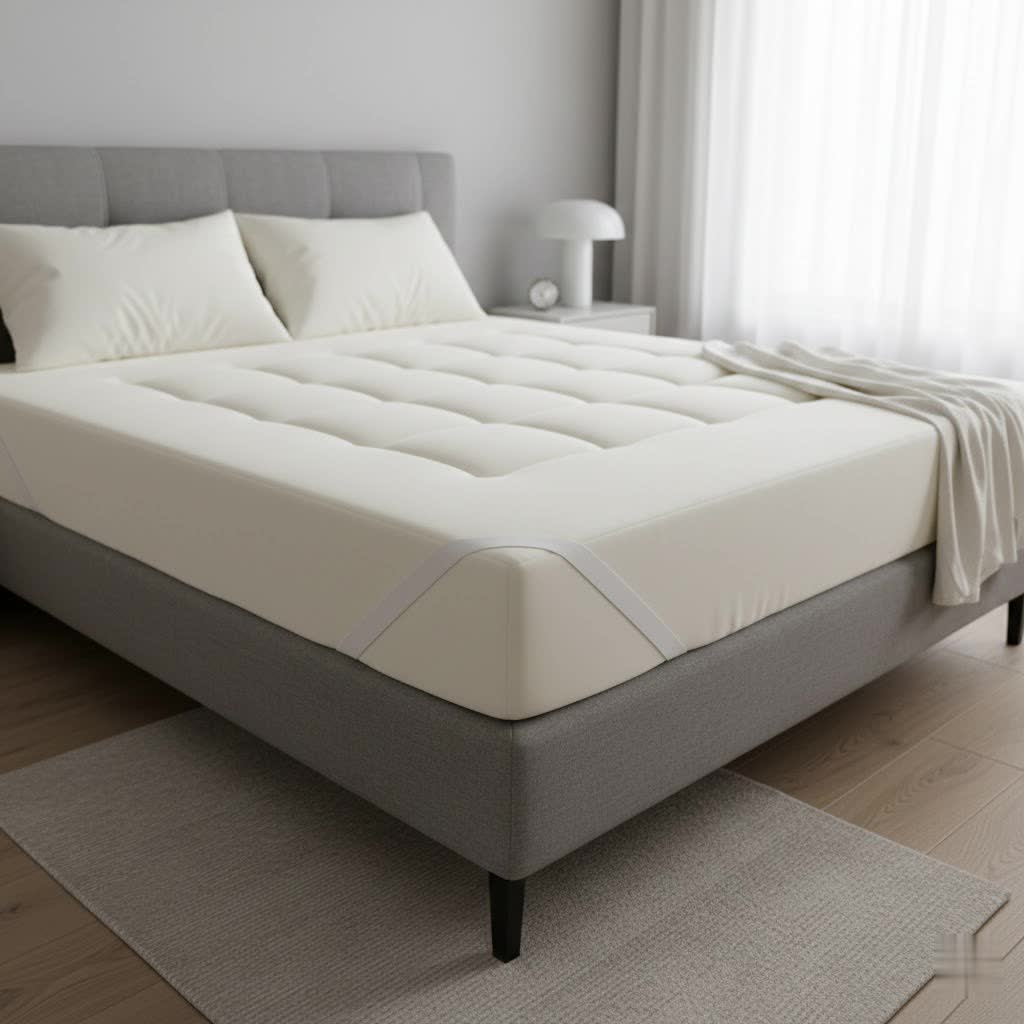
Are you waking up tired, feeling aches, or simply longing for a more luxurious sleep experience? Your existing queen mattress might be the culprit, but before investing in a costly new one, consider the transformative power of a queen mattress topper. These versatile bedding enhancements offer a cost-effective solution to revamp your sleep surface, providing tailored comfort, support, and even temperature regulation. With countless options available, understanding the nuances of queen mattress toppers is key to unlocking truly restorative sleep.
Understanding Queen Mattress Toppers
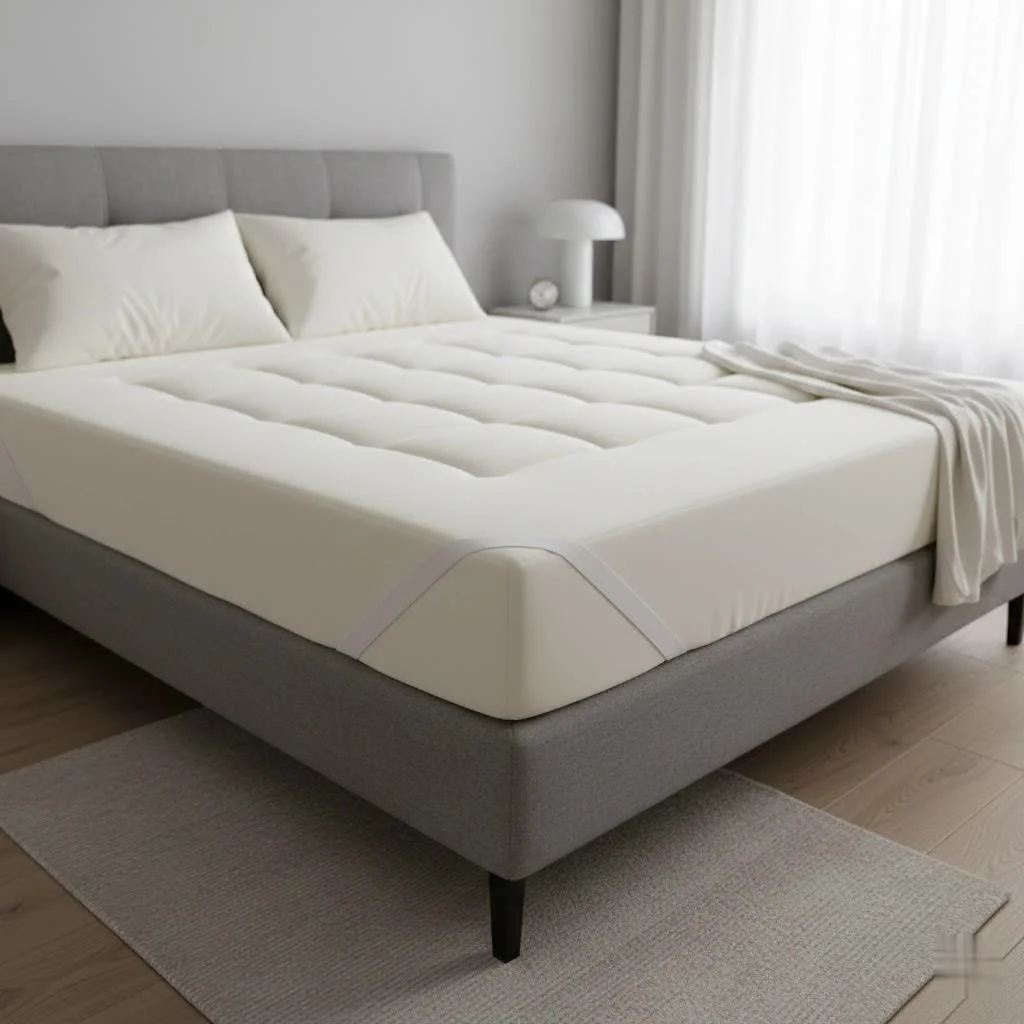
A mattress topper is an additional layer of material placed on top of your existing mattress to modify its feel, support, or temperature. Unlike a mattress pad, which is typically thinner and focuses on protection or slight cushioning, a topper is thicker and designed to significantly alter the sleep surface. For a queen-sized bed, a queen mattress topper precisely matches the dimensions, ensuring seamless coverage and an integrated feel.
Why You Need a Queen Mattress Topper
- Enhanced Comfort: Add a plush, cloud-like softness or a firmer, more supportive layer to an aging or uncomfortable mattress.
- Targeted Support: Alleviate pressure points, reduce back pain, or provide better spinal alignment.
- Temperature Regulation: Combat overheating with cooling materials or add a layer of warmth for colder sleepers.
- Extended Mattress Lifespan: Protect your original mattress from wear and tear, delaying the need for a full replacement.
- Cost-Effective Upgrade: Achieve a new bed feel without the high price tag of a brand-new mattress.
Popular Types of Queen Mattress Toppers
The market offers a diverse range of materials, each with unique characteristics to suit different preferences.
Memory Foam Mattress Toppers
Memory foam toppers contour closely to your body, providing exceptional pressure relief and motion isolation. This material is ideal for side sleepers and individuals with joint pain who crave a “hugging” sensation. Traditional memory foam can retain heat, but many queen-sized options now feature gel infusions, graphite, or copper to dissipate warmth and offer a cooler sleep surface. They excel at minimizing disturbance from a restless partner.
Latex Mattress Toppers
Known for their durability, responsiveness, and natural breathability, latex toppers offer a buoyant, elastic feel. They conform to the body without the deep “sink” of memory foam and quickly regain their shape. Dunlop latex is denser and firmer, while Talalay latex is often softer, lighter, and more breathable due to its aerated structure. Many organic latex options are available, appealing to eco-conscious buyers. Latex is generally more expensive but offers excellent support and airflow.
Down and Down Alternative Toppers
|
Our Picks for the Best Mattress Topper in 2026
As an Amazon Associate I earn from qualifying purchases.
|
||
| Num | Product | Action |
|---|---|---|
| 1 | LINENSPA Memory Foam Mattress Topper - 2 Inch Gel Infused Memory Foam - Plush Feel - Cooling and Pressure Relieving - CertiPUR Certified - Dorm Room Essentials - Queen Size |

|
| 2 | Dual Layer 4 Inch Memory Foam Mattress Topper King Size, 2" Cooling Gel Memory Foam & 2" Pillow Top, Mattress Pad Cover for Back Pain Relief, CertiPUR-US Certified, Deep Pocket Fits 21", White |
|
| 3 | LINENSPA Memory Foam Mattress Topper - 3 Inch Gel Infused Memory Foam - Plush Feel - Cooling and Pressure Relieving - CertiPUR Certified - Dorm Room Essentials - Queen Size |
|
| 4 | 2 Inch Thick Mattress Topper Queen - Viscose Made from Bamboo Pillow Top Memory Foam Mattress Pad for Back Pain, Ultra Soft & Cooling for Hot Sleepers, 6-18'' Deep Pocket, Green |
|
| 5 | 3 Inch Ultra-Fluffy Memory Foam Mattress Topper Queen for Back Pain, Soft Comfy Pillow Top Queen Mattress Topper with 4X Support, Mattress Pad with Breathable Air Mesh Sides, 6-21'' Deep Pocket |
|
| 6 | SINWEEK 2 Inch Gel Memory Foam Mattress Topper Ventilated Soft Pressure Relieve Mattress Pad, Breathable Bed Topper, CertiPUR-US Certified, Twin Size |
|
| 7 | 5 Inch Mega Support Memory Foam Queen Mattress Topper for Pressure Relief, Dual Layer 2.5" Pillow Top Mattress Topper Queen Plus 2.5" Cooling Gel Infused Memory Foam Mattress Pad |
|
| 8 | 4 Inch Memory Foam Mattress Topper - Extra Thick 2000 GSM Pillow Top Mattress Topper Body-Contouring Support for Back Pain Relief,Breathable Cover with 6"-18" Deep Pocket (Queen,60"x80") |
|
| 9 | EASELAND Queen Size Mattress Pad Pillow Top Mattress Cover Quilted Fitted Mattress Protector Cotton Top Stretches up 8-21" Deep Pocket Cooling Mattress Topper (60x80 inch, White) |
|
| 10 | 4 Inch Memory Foam Mattress Topper, Cooling Extra Thick 2000 GSM Pillow Top Mattress Pad for Back Pain Relief,Soft Breathable Mattress Cover for Fluffy Shredded Memory Foam Filled,(King,78“x80”) |
|
These toppers are synonymous with luxurious softness and a plush, cloud-like feel. Down toppers use feathers (often duck or goose) for supreme loft and softness, though they can sometimes have quills that poke through. Down alternative toppers use synthetic fibers, typically microfiber or polyester, to mimic the softness of down without potential allergens or poking feathers, making them a great hypoallergenic choice. Both types are generally breathable but offer less support than foam or latex and may flatten over time.
Fiberfill/Polyester Mattress Toppers
Often the most budget-friendly option, fiberfill or polyester toppers provide a basic layer of cushioning. They are lightweight, easy to clean, and offer a soft, comfortable surface. However, they tend to be less durable and supportive compared to other materials and may compress more quickly. These are a good choice for those seeking a slight softness boost without a significant investment.
Hybrid Mattress Toppers
Some innovative queen toppers combine multiple materials, such as memory foam layers with micro-coils, to offer the benefits of both. This can result in a topper that provides pressure relief, support, and enhanced airflow all in one.
Pillow Top vs. Euro Top
While not a material type, these terms describe the construction style. A pillow-top topper has a distinct, soft layer stitched to the top of the mattress with a visible gap, giving it a plush, fluffy appearance. A Euro-top is sewn flush with the mattress edges, creating a more uniform and integrated look, often made with firmer materials for more consistent support.
Choosing the Perfect Queen Mattress Topper
Selecting the ideal queen mattress topper involves considering your personal sleep needs, preferences, and existing mattress conditions.
1. Identify Your Personal Needs
- Comfort Level: Do you desire a softer sleeping surface, or do you need to add firmness to a sagging mattress?
- Support & Pain Relief: Are you experiencing back, hip, or shoulder pain? Look for toppers designed for spinal alignment and pressure point relief.
- Temperature Sensitivity: Do you tend to sleep hot? Prioritize cooling features like gel infusions, graphite, or breathable materials like latex or certain down alternatives.
- Allergies: If you have allergies, hypoallergenic down alternative or organic latex options are excellent choices.
- Budget: Toppers range widely in price; determine what you’re willing to invest for quality and longevity.
2. Choose the Right Material
- For Pressure Relief & Motion Isolation: Memory foam (especially gel-infused for cooling).
- For Responsive Support & Breathability: Latex (Dunlop for firm, Talalay for softer/cooler).
- For Plush Softness & Hypoallergenic: Down alternative.
- For Basic Cushioning & Budget-Friendly: Fiberfill/polyester.
3. Consider Thickness
Queen mattress toppers typically range from 1 to 4 inches thick.
- 1-2 inches: Provides a subtle change in feel, ideal for slightly softening a mattress.
- 3-4 inches: Offers a more significant alteration in comfort and support, often recommended for pain relief or revitalizing a worn mattress. Thicker toppers provide more cushioning and pressure relief.
4. Ensure Correct Size
Always ensure the topper matches your queen mattress dimensions precisely (typically 60 inches wide by 80 inches long). A topper that is too small will shift, and one that is too large will hang over the sides, diminishing comfort and appearance. Many quality toppers include elastic corner straps to secure them in place and prevent shifting.
5. Check for Certifications
Look for certifications that indicate material safety and environmental standards.
- CertiPUR-US: For memory foam and polyfoam, ensuring they are made without harmful chemicals and low VOC (Volatile Organic Compound) emissions.
- GOLS (Global Organic Latex Standard): For organic latex.
- GOTS (Global Organic Textile Standard): For organic cotton covers or other textile components.
6. Other Important Considerations
- Motion Isolation: Crucial for couples, especially if one partner is a restless sleeper. Memory foam and certain latex toppers excel here.
- Responsiveness: How quickly the topper adapts to movement. Latex is highly responsive, while memory foam has a slower response.
- Durability: High-quality materials and construction contribute to a topper that lasts 3-5 years or more.
- Off-gassing: Some new foam toppers may emit a temporary chemical odor. Allow for ventilation in a well-aired room for a few days before use.
Comparing Popular Queen Mattress Topper Types
| Feature | Memory Foam | Latex | Down/Down Alternative | Fiberfill/Polyester |
|---|---|---|---|---|
| Softness | High (conforming hug) | Medium (buoyant cushion) | Very High (plush, cloud-like) | Medium (basic softness) |
| Breathability | Low (can retain heat, seek cooling features) | High (naturally airy) | High (good airflow) | Medium |
| Durability | Medium (can indent over time) | High (very resilient) | Medium (may flatten) | Low (compresses quickly) |
| Price | Medium | High | High | Low |
| Support | Good (pressure relief, contouring) | Good (responsive alignment) | Poor (minimal structural support) | Poor (basic cushioning) |
| Motion Isolation | Excellent | Good | Fair | Poor |
| Noise | Silent | Silent | Can be crinkly (down) | Silent |
Top Queen Mattress Toppers for a Restful Sleep
Many highly-rated queen mattress toppers offer specific benefits to cater to diverse needs. For instance, the Saatva Graphite Memory Foam Mattress Topper is often praised for its cooling properties and pressure relief, providing a luxurious feel without trapping excessive heat. If plush softness is your priority, the Tempur-Pedic TEMPUR-Adapt Topper is a popular choice, known for its deep contouring and excellent motion isolation, making you feel “enveloped.” For those seeking a blend of luxury and cooling, the Helix GlacioTex Premium Mattress Topper offers a sophisticated design with effective temperature regulation. Side sleepers often find the Nolah AirFoam Luxe Mattress Topper beneficial due to its ample cushioning for shoulders and hips. Budget-conscious shoppers frequently turn to the ViscoSoft Select High Density Mattress Topper for its high-quality memory foam feel at an accessible price point, offering good pressure relief and motion isolation. Meanwhile, the Birch Plush Organic Mattress Topper stands out for its eco-friendly construction and responsive, breathable comfort from natural latex.
“A quality mattress topper isn’t just about adding a layer; it’s about fine-tuning your entire sleep system to meet your body’s unique demands. It’s often the missing piece to transform a good night’s sleep into a great one.”
Tips for Using and Maintaining Your Queen Mattress Topper
Proper care ensures your investment lasts and continues to provide optimal comfort.
- Regular Rotation: Rotate your topper every 3-6 months to ensure even wear and prevent impressions.
- Cleaning: Always check the manufacturer’s instructions. Some toppers have removable, machine-washable covers. Others may only be spot-cleaned with a mild detergent and water. Down and wool toppers often require professional dry cleaning or a large-capacity commercial washer.
- Protection: Using a mattress protector over your topper can shield it from spills, stains, and allergens, extending its lifespan and keeping it hygienic.
- Air Out: Periodically air out your topper, especially foam types, to maintain freshness and minimize any lingering odors.
Conclusion
A queen mattress topper is more than just an accessory; it’s a strategic upgrade that can dramatically enhance your sleep quality and extend the life of your existing mattress. By understanding the different materials, their unique benefits, and how to match them to your personal needs and sleeping style, you can confidently select the perfect queen mattress topper. Whether you seek cloud-like softness, firm support for back pain, or a cooler sleep surface, the right topper awaits to transform your bed into a sanctuary of rest. What comfort challenge is your mattress facing, and how will a queen mattress topper help you conquer it?
Frequently Asked Questions
What’s the best thickness for a queen mattress topper?
The ideal thickness typically ranges from 2 to 4 inches. A 2-inch topper provides subtle cushioning, while a 3 or 4-inch topper offers more substantial pressure relief and can significantly alter the feel of your mattress, especially beneficial for those with pain or a desire for deeper comfort.
Are queen mattress toppers worth it?
Yes, mattress toppers can be a highly worthwhile investment. They provide an economical way to improve the comfort, support, and temperature regulation of your current mattress, often delaying the need for a full mattress replacement and significantly enhancing sleep quality.
How long do queen mattress toppers typically last?
Most queen mattress toppers last between 3 to 5 years, depending on the material quality, thickness, and frequency of use. High-quality latex toppers may last longer, while thinner fiberfill options might need replacement sooner.
Can all queen mattress toppers be washed?
No, washability varies by material. Many foam toppers (memory foam, latex) can only be spot-cleaned, though they often come with removable, machine-washable covers. Down and down alternative toppers may be machine-washable in large-capacity machines or require dry cleaning. Always check the care label.
What’s the difference between a mattress pad and a mattress topper?
A mattress pad is typically a thin layer designed primarily for mattress protection and minor cushioning. A mattress topper, however, is a thicker, more substantial layer engineered to significantly change the feel, firmness, or softness of your mattress and provide enhanced support and comfort.
Get our weekly buyer guide
Practical specs, not advice. Unsubscribe anytime.
