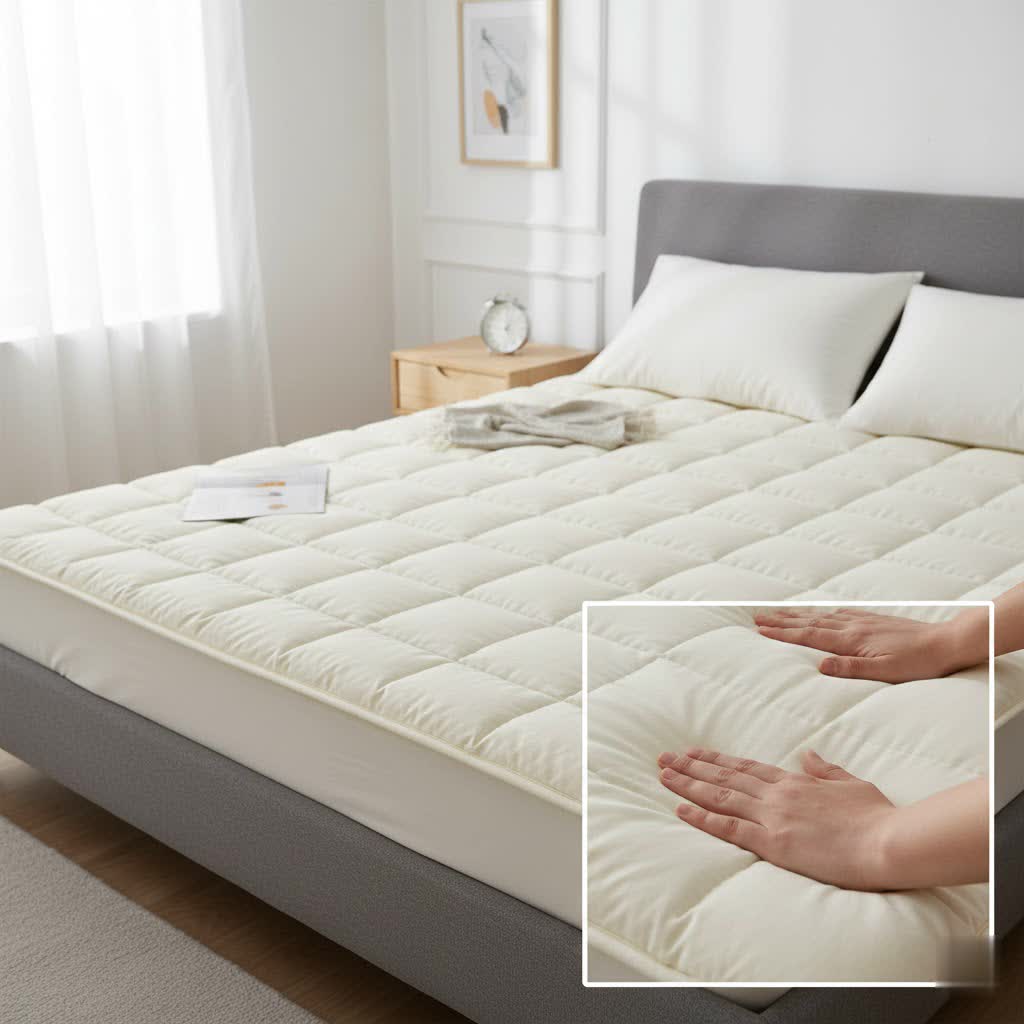
Air mattresses offer unparalleled convenience for temporary sleeping solutions, guest accommodations, or camping adventures. However, they often fall short when it comes to delivering the consistent comfort and support of a traditional bed. If you’ve ever woken up feeling stiff, too hot, or simply unrested after a night on an air mattress, you know the struggle is real. The good news? A well-chosen mattress topper can utterly transform your air mattress, upgrading your sleep from passable to genuinely plush. This comprehensive guide will walk you through everything you need to know about selecting the perfect mattress topper to turn your inflatable bed into a haven of comfort.
Understanding Mattress Toppers for Air Mattresses
What exactly is a mattress topper, and why does it become essential when paired with an air mattress? A mattress topper is an additional layer of material, typically 2 to 4 inches thick, designed to be placed directly on top of your existing sleeping surface. Its primary role is to enhance comfort, alter firmness, and offer targeted support. For an air mattress, which inherently lacks the complex layering of a traditional bed, a topper acts as a critical bridge to a better night’s sleep.
Beyond Comfort: The Multifaceted Benefits
Adding a mattress topper to your air mattress delivers a surprising array of benefits, far beyond just a softer feel. Firstly, it dramatically improves sleep quality, making your temporary bed feel more akin to a permanent fixture. This is achieved by introducing a layer of cushioning that distributes your weight more evenly, alleviating pressure points that often develop on the firm, unyielding surface of an air mattress. Many users find their back pain and joint aches significantly reduced with the added support.
Beyond direct comfort, a topper can also regulate temperature. Air mattresses, often made of plastic-based materials, can trap heat, leading to an uncomfortably warm sleep, or conversely, feel cold due to air circulation beneath. A topper creates a barrier and adds insulating properties, helping maintain a more comfortable sleeping temperature. Additionally, it can reduce noise, minimizing the squeaking sounds often associated with movement on an air mattress. Perhaps surprisingly, a topper also acts as a protective shield, extending the lifespan of your air mattress by guarding against punctures, abrasions, and general wear and tear. Considering the cost of replacing an air mattress, a topper can be a savvy investment in both comfort and longevity.
Navigating Your Options: Types of Mattress Toppers
The market offers a diverse range of mattress topper materials, each bringing its own unique characteristics to your air mattress setup. Understanding these differences is key to making an informed choice.
Memory Foam: The Contouring Embrace
|
Our Picks for the Best Mattress Topper in 2026
As an Amazon Associate I earn from qualifying purchases.
|
||
| Num | Product | Action |
|---|---|---|
| 1 | LINENSPA Memory Foam Mattress Topper - 3 Inch Gel Infused Memory Foam - Plush Feel - Cooling and Pressure Relieving - CertiPUR Certified - Dorm Room Essentials - Queen Size |

|
| 2 | 5 Inch Mega Support Memory Foam Queen Mattress Topper for Pressure Relief, Dual Layer 2.5" Pillow Top Mattress Topper Queen Plus 2.5" Cooling Gel Infused Memory Foam Mattress Pad |
|
| 3 | 4 Inch Memory Foam Mattress Topper - Extra Thick 2000 GSM Pillow Top Mattress Topper Body-Contouring Support for Back Pain Relief,Breathable Cover with 6"-18" Deep Pocket (Queen,60"x80") |
|
| 4 | EASELAND Queen Size Mattress Pad Pillow Top Mattress Cover Quilted Fitted Mattress Protector Cotton Top Stretches up 8-21" Deep Pocket Cooling Mattress Topper (60x80 inch, White) |
|
| 5 | Dual Layer 4 Inch Memory Foam Mattress Topper King Size, 2" Cooling Gel Memory Foam & 2" Pillow Top, Mattress Pad Cover for Back Pain Relief, CertiPUR-US Certified, Deep Pocket Fits 21", White |
|
| 6 | LINENSPA Memory Foam Mattress Topper - 2 Inch Gel Infused Memory Foam - Plush Feel - Cooling and Pressure Relieving - CertiPUR Certified - Dorm Room Essentials - Queen Size |
|
| 7 | SINWEEK 2 Inch Gel Memory Foam Mattress Topper Ventilated Soft Pressure Relieve Mattress Pad, Breathable Bed Topper, CertiPUR-US Certified, Twin Size |
|
| 8 | 4 Inch Memory Foam Mattress Topper, Cooling Extra Thick 2000 GSM Pillow Top Mattress Pad for Back Pain Relief,Soft Breathable Mattress Cover for Fluffy Shredded Memory Foam Filled,(King,78“x80”) |
|
| 9 | 3 Inch Ultra-Fluffy Memory Foam Mattress Topper Queen for Back Pain, Soft Comfy Pillow Top Queen Mattress Topper with 4X Support, Mattress Pad with Breathable Air Mesh Sides, 6-21'' Deep Pocket |
|
| 10 | 2 Inch Thick Mattress Topper Queen - Viscose Made from Bamboo Pillow Top Memory Foam Mattress Pad for Back Pain, Ultra Soft & Cooling for Hot Sleepers, 6-18'' Deep Pocket, Green |
|
Memory foam toppers are renowned for their ability to contour precisely to your body’s shape, offering exceptional pressure relief and a feeling of being cradled. This can be particularly beneficial on an air mattress, where the lack of inherent contouring often leads to discomfort. However, traditional memory foam can sometimes retain body heat, which might be a concern on an air mattress already prone to heat trapping. To combat this, many memory foam toppers now feature gel infusions or open-cell designs to improve airflow and provide a cooler sleep surface. While excellent for pressure relief, very thick or dense memory foam might not be the ideal choice for an air mattress, as it can feel overly firm and may be more prone to sliding.
Latex: The Breathable Bouncer
Latex toppers, derived from rubber trees (for natural latex), offer a distinct feel. They are highly responsive and springy, providing a buoyant feel that supports without the “sinking” sensation of memory foam. Latex is also celebrated for its excellent breathability and natural cooling properties, making it a fantastic choice for those who tend to sleep warm. It provides a good balance of both progressive support and pressure relief, proving particularly effective for maintaining spinal alignment. Natural latex options are often favored for their durability, hypoallergenic nature, and eco-friendliness, though they typically come at a higher price point.
Down and Down Alternative: The Plush Cloud
For sleepers prioritizing a soft, cloud-like feel, down or down alternative toppers are a popular choice. Down toppers, filled with the soft plumage of ducks or geese, offer luxurious softness and excellent insulation, providing warmth. Down alternative toppers use synthetic fibers to mimic the feel of down, often at a more accessible price point and with hypoallergenic benefits. Both types excel at adding a layer of plushness and comfort, but they offer minimal structural support. They are ideal for those who find their air mattress too firm and primarily seek to soften the surface.
Egg Crate and Quilted Toppers: Budget-Friendly Boosters
If budget is a primary concern, or you need a simple, lightweight solution, egg crate foam toppers are an excellent option. Their distinctive convoluted surface provides gentle cushioning and improved air circulation, offering basic pressure relief and enhancing comfort. Similarly, quilted plush toppers, often filled with synthetic fibers, add a soft, padded layer. These are typically thinner and less expensive than their foam or latex counterparts but can still make a noticeable difference in the comfort level of an air mattress. Many quilted toppers come with an elastic skirt or straps, making them easy to secure.
The Perfect Match: Choosing Your Air Mattress Topper
Selecting the best mattress topper for your air mattress isn’t a one-size-fits-all decision. It requires a thoughtful assessment of your individual preferences and needs.
Assessing Your Personal Sleep Needs
Start by considering what you hope to gain from the topper. Are you looking for more softness, better support for back pain, improved temperature regulation, or a combination?
- If your air mattress feels too firm and causes pressure points, a memory foam or softer latex topper could be ideal.
- For those who sleep hot, a gel-infused memory foam, latex, or a breathable down alternative might be best.
- If you need specific support for spinal alignment, a medium-firm latex option is often recommended.
- Consider any allergies you may have; hypoallergenic materials like latex or down alternative would be preferable.
- Your budget will also play a role, as material types vary significantly in cost.
Material Matters: Matching Topper to Preference
As discussed, each material offers a different feel and set of benefits.
- For a body-conforming hug, opt for memory foam.
- For responsive bounce and excellent breathability, choose latex.
- For sheer plushness and warmth, consider down or down alternative.
- For a cost-effective comfort boost, egg crate or quilted toppers are great.
Thickness and Firmness: Finding Your Sweet Spot
The thickness of your mattress topper impacts both its feel and its ability to provide support.
- Thin toppers (1-2 inches) offer a subtle layer of cushioning, best for minor adjustments to softness.
- Medium toppers (2-3 inches) provide a good balance of comfort and support, often recommended as a versatile choice for air mattresses. Many experts suggest this thickness for a good balance.
- Thicker toppers (3-4 inches or more) deliver a more luxurious, deeply conforming feel and significant pressure relief, though some thicker memory foam options might feel too dense or cumbersome on an air mattress.
When it comes to firmness, this will often be tied to the material. A softer topper will increase plushness, while a firmer one will add more support. For side sleepers, a softer to medium topper might relieve hip and shoulder pressure, while back sleepers might benefit from a slightly firmer option for spinal alignment.
Size and Fit: A Crucial Consideration
This might seem obvious, but ensuring your topper perfectly matches the dimensions of your air mattress is paramount. A topper that is too small will shift and create uncomfortable gaps, while one that is too large will hang over the edges, looking untidy and potentially affecting stability. Always measure your air mattress before purchasing.
Certifications: Ensuring Safety and Quality
When investing in a mattress topper, especially for prolonged use on an air mattress, look for reputable certifications.
- CertiPUR-US® ensures that foam products are made without harmful chemicals like ozone depleters, PBDEs, mercury, lead, and formaldehyde, and have low VOC (Volatile Organic Compound) emissions.
- Oeko-Tex® Standard 100 certifies that textiles and fabric products are free from harmful substances.
- For latex, certifications like GOLS (Global Organic Latex Standard) indicate organic origin and sustainable production. These certifications offer peace of mind regarding the safety and environmental impact of your purchase.
Expert Comparison: Mattress Topper Types at a Glance
| Feature | Memory Foam | Latex | Down / Down Alternative | Fiberfill (Synthetic) |
|---|---|---|---|---|
| Comfort Level | High (Conforming) | Medium-High (Bouncy) | Very High (Plush) | Medium (Soft) |
| Support | Good (Pressure Relief) | Excellent (Responsive) | Low | Low |
| Breathability | Low-Medium (can retain heat) | High (Naturally cool) | Medium-High | Medium |
| Durability | Medium | High | Medium | Low-Medium |
| Price Range | Medium | High | Medium-High | Low |
| Noise Reduction | Excellent | Good | Good | Good |
| Ideal For | Pressure relief, body contouring | Cooling, responsiveness, support | Softness, warmth | Budget-friendly, temporary comfort |
Securing Your Slumber: Keeping Your Topper in Place
One of the most common challenges with using a mattress topper on an air mattress is preventing it from sliding around. The smooth surface of many air mattresses, combined with movement during sleep, can cause the topper to shift, disrupting your rest. Fortunately, several effective strategies can keep your topper securely in place.
The simplest and often most effective method is to use a tightly fitted sheet that can stretch over both the topper and the air mattress. This essentially “wraps” them together, minimizing movement. For an extra layer of security, consider a mattress protector that fits snugly over the topper before you apply your fitted sheet. Many mattress toppers also come with built-in elastic straps on the corners designed to hook under the mattress, providing a secure anchor. If your topper lacks these, you can purchase bed sheet suspenders or fasteners separately, which clip to the corners of the topper and run underneath the air mattress.
For more robust solutions, a non-slip pad or skid mat placed between the air mattress and the topper can significantly increase friction. Alternatively, for a temporary fix, Velcro strips can be applied to the corners of both surfaces, allowing them to stick together. Just be mindful that adhesive strength may degrade over time. As a last resort, large safety pins carefully placed along the edges can attach the topper to the air mattress, but ensure they are inserted properly to avoid damage or injury. “Preventing slippage is crucial for consistent comfort,” says a sleep expert at Reviewfone.com. “A well-secured topper ensures you reap all the benefits without the annoyance of constant adjustments.”
Extending the Life of Your Investment: Care and Maintenance
Proper care and maintenance will ensure your mattress topper remains hygienic, performs optimally, and lasts for years, whether it’s on an air mattress or a traditional bed.
Cleaning Guidelines
Always refer to the manufacturer’s specific care instructions for your particular topper material.
- Memory foam and latex toppers are typically spot-cleaned with a mild detergent and water, then allowed to air dry completely. They should never be put in a washing machine or dryer. Using a washable cover is highly recommended.
- Down, down alternative, and fiberfill toppers may often be machine washable, though larger sizes might require a commercial-sized machine. Ensure they are thoroughly dried to prevent mildew.
- For general maintenance, vacuuming your topper regularly can help remove dust mites and allergens. If your new topper has a natural scent, particularly with organic latex, airing it out in a well-ventilated room for a few hours or days can help dissipate any odors.
Proper Storage
If you’re using your topper with an air mattress for temporary setups, proper storage is important. When not in use, ensure your topper is clean and completely dry. Most foam and latex toppers can be carefully rolled up and secured with straps, then stored in a breathable mattress storage bag or a vacuum-seal bag to save space and protect it from dust and moisture. Store it in a cool, dry place away from direct sunlight or extreme temperatures.
Conclusion
Transforming an ordinary air mattress into a comfortable, supportive sleep surface is not only possible but also incredibly rewarding with the right mattress topper. By carefully considering your personal needs, understanding the characteristics of different materials, and employing simple securing and maintenance techniques, you can significantly elevate your temporary sleeping experience. From enhanced pressure relief and improved temperature regulation to extended air mattress longevity, a quality topper is an investment in better rest, whether you’re hosting guests, camping under the stars, or simply seeking an affordable bedding upgrade.
What kind of dreamy sleep experience are you hoping to create with your next mattress topper?
Frequently Asked Questions
How thick should a mattress topper be for an air mattress?
A 2-3 inch thick mattress topper typically provides the best balance of comfort and support for an air mattress. This thickness adds significant cushioning and pressure relief without being overly cumbersome or prone to sliding. For a softer feel, you might consider up to 4 inches, but ensure it can be properly secured.
Can a mattress topper prevent an air mattress from deflating?
No, a mattress topper cannot prevent an air mattress from deflating if there’s a leak or valve issue. However, by adding a protective layer, a topper can reduce direct wear and tear on the air mattress surface, potentially minimizing the risk of new punctures and extending its overall lifespan.
How do you keep a mattress topper from sliding off an air mattress?
To keep a mattress topper from sliding, use a tightly fitted sheet that covers both the topper and the air mattress. Additionally, consider toppers with built-in elastic straps, or use separate bed sheet suspenders. A non-slip pad placed between the two layers or even carefully applied Velcro strips can also be effective.
Is memory foam or latex better for an air mattress?
The “better” material depends on your preference. Memory foam excels at contouring and pressure relief, offering a cradling feel. Latex provides more responsive support, is naturally breathable, and tends to sleep cooler. If you prefer a deep hug, choose memory foam; for a more buoyant, cooler sleep, latex is often preferred.
Get our weekly buyer guide
Practical specs, not advice. Unsubscribe anytime.
