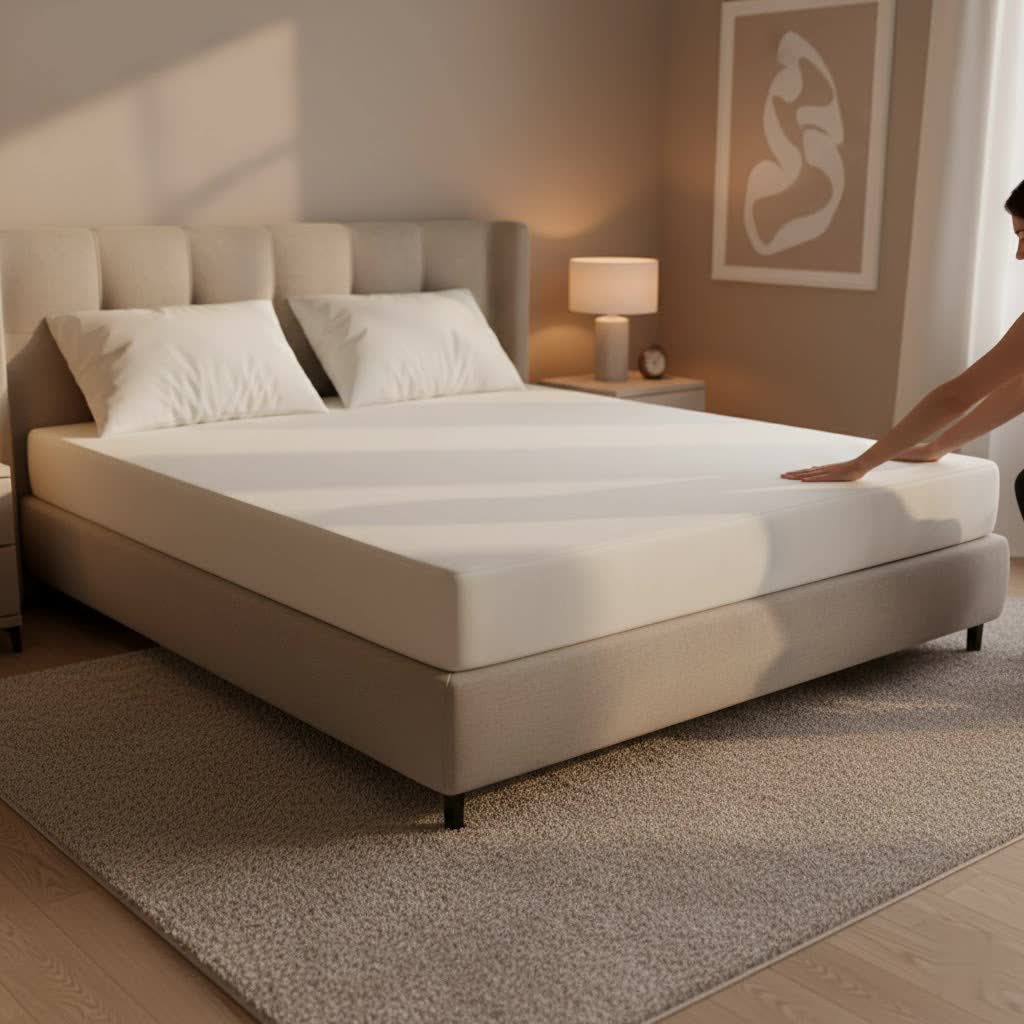
Waking up feeling more tired than when you went to bed? That familiar dip in your mattress might be the culprit. A sagging mattress can lead to restless nights, aches, and pains, making a good night’s sleep feel like a distant dream. While a new mattress is often the ideal solution, it’s not always feasible. That’s where a quality mattress topper can become your sleep savior, offering a cost-effective way to revitalize your bed and reclaim your comfort. This comprehensive guide will walk you through everything you need to know about choosing the perfect mattress topper to address that unwelcome sag and transform your sleep experience.
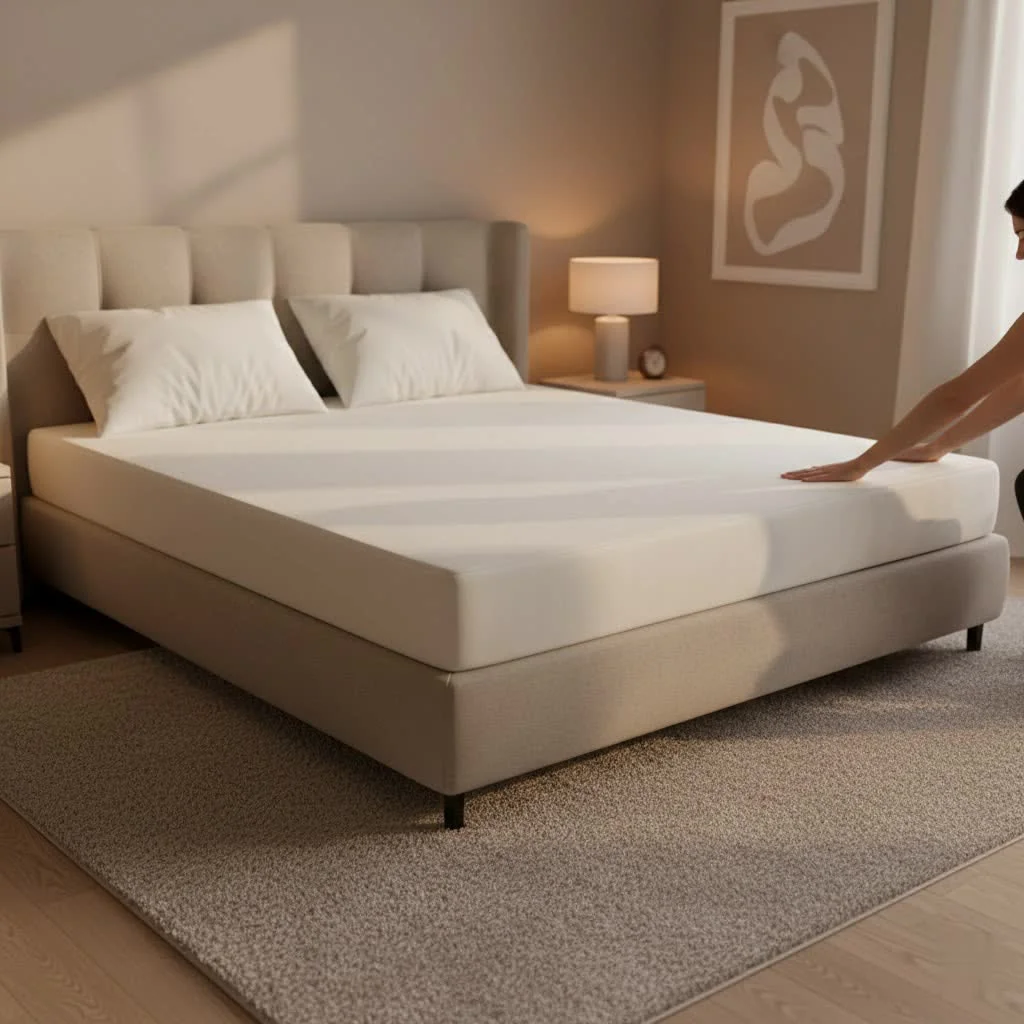
Understanding Sagging Mattresses and When a Topper Helps
A mattress sags when its internal components, whether springs, foam, or other materials, lose their ability to provide uniform support over time. This wear and tear is a natural part of a mattress’s lifespan, often exacerbated by consistent pressure points, an inadequate bed frame, or simply age.
While a mattress topper cannot fundamentally “fix” a mattress with severe structural damage, it can remarkably improve minor to moderate sagging. Think of it as a restorative layer that evens out the sleep surface, adds cushioning, and provides a much-needed boost of support where your mattress falls short. If your mattress has developed noticeable indentations but still offers some underlying support, a topper can significantly enhance comfort and extend its usable life.
However, it’s crucial to distinguish between minor sagging and a complete breakdown. If your mattress is severely caving in, creating deep valleys, or if you consistently wake up with chronic pain that a topper can’t alleviate, it might be time to consider a full mattress replacement. A topper works best when it has a relatively stable, albeit slightly uneven, surface to build upon.
How Mattress Toppers Restore Comfort and Support
The right mattress topper acts as a bridge between your body and the imperfections of a sagging mattress, providing several key benefits:
- Evens the Sleep Surface: A thick, supportive topper can fill in shallow depressions, creating a more uniform and level area for you to lie on, reducing the feeling of “rolling into a hole.”
- Adds Cushioning and Pressure Relief: Sagging spots often translate to pressure points. Toppers, especially those made from conforming materials, can distribute your body weight more evenly, alleviating pressure on your hips, shoulders, and back.
- Enhances Spinal Alignment: By providing a more consistent surface and targeted support, certain toppers can help maintain a neutral spinal alignment, which is critical for reducing back and neck pain.
- Extends Mattress Lifespan (Temporarily): While not a permanent fix, a topper can shield your mattress from further wear and tear, buying you valuable time before a full replacement is necessary. It prevents your body from directly compressing the already weakened areas.
Choosing the Perfect Mattress Topper for Your Sagging Bed
Selecting the ideal mattress topper involves understanding the different materials and how they address sagging, along with considering your personal sleep preferences.
Types of Mattress Toppers for Sagging Mattresses
|
Our Picks for the Best Mattress Topper in 2026
As an Amazon Associate I earn from qualifying purchases.
|
||
| Num | Product | Action |
|---|---|---|
| 1 | LINENSPA Memory Foam Mattress Topper - 3 Inch Gel Infused Memory Foam - Plush Feel - Cooling and Pressure Relieving - CertiPUR Certified - Dorm Room Essentials - Queen Size |

|
| 2 | LINENSPA Memory Foam Mattress Topper - 2 Inch Gel Infused Memory Foam - Plush Feel - Cooling and Pressure Relieving - CertiPUR Certified - Dorm Room Essentials - Queen Size |
|
| 3 | 4 Inch Memory Foam Mattress Topper, Cooling Extra Thick 2000 GSM Pillow Top Mattress Pad for Back Pain Relief,Soft Breathable Mattress Cover for Fluffy Shredded Memory Foam Filled,(King,78“x80”) |
|
| 4 | SINWEEK 2 Inch Gel Memory Foam Mattress Topper Ventilated Soft Pressure Relieve Mattress Pad, Breathable Bed Topper, CertiPUR-US Certified, Twin Size |
|
| 5 | 2 Inch Thick Mattress Topper Queen - Viscose Made from Bamboo Pillow Top Memory Foam Mattress Pad for Back Pain, Ultra Soft & Cooling for Hot Sleepers, 6-18'' Deep Pocket, Green |
|
| 6 | 5 Inch Mega Support Memory Foam Queen Mattress Topper for Pressure Relief, Dual Layer 2.5" Pillow Top Mattress Topper Queen Plus 2.5" Cooling Gel Infused Memory Foam Mattress Pad |
|
| 7 | Dual Layer 4 Inch Memory Foam Mattress Topper King Size, 2" Cooling Gel Memory Foam & 2" Pillow Top, Mattress Pad Cover for Back Pain Relief, CertiPUR-US Certified, Deep Pocket Fits 21", White |
|
| 8 | 3 Inch Ultra-Fluffy Memory Foam Mattress Topper Queen for Back Pain, Soft Comfy Pillow Top Queen Mattress Topper with 4X Support, Mattress Pad with Breathable Air Mesh Sides, 6-21'' Deep Pocket |
|
| 9 | 4 Inch Memory Foam Mattress Topper - Extra Thick 2000 GSM Pillow Top Mattress Topper Body-Contouring Support for Back Pain Relief,Breathable Cover with 6"-18" Deep Pocket (Queen,60"x80") |
|
| 10 | EASELAND Queen Size Mattress Pad Pillow Top Mattress Cover Quilted Fitted Mattress Protector Cotton Top Stretches up 8-21" Deep Pocket Cooling Mattress Topper (60x80 inch, White) |
|
The material of your mattress topper is paramount when addressing a sag:
- Memory Foam: Known for its excellent contouring abilities, memory foam cradles your body, distributing weight and relieving pressure. For a sagging mattress, a high-density memory foam topper (often 3-4 inches thick) is recommended. It can fill in minor dips and provide a supportive yet plush surface. Be aware that traditional memory foam can retain heat, so look for gel-infused, graphite-infused, or open-cell varieties if you sleep hot.
- Latex: Derived from rubber trees, latex toppers are celebrated for their responsiveness, durability, and natural breathability. They offer a bouncier feel than memory foam and provide robust support, making them an excellent choice for combating sagging by adding a firm, resilient layer. Natural latex is also hypoallergenic and resistant to dust mites. While often pricier, its longevity and performance can justify the investment.
- Firm Polyfoam: While not as sophisticated as memory foam or latex, a dense polyfoam topper can add a significant layer of firmness and help mask minor sags. These are generally more budget-friendly but might not offer the same level of contouring or pressure relief as other options.
- Hybrid Toppers: Some toppers combine different materials, such as a base layer of firm polyfoam with a top layer of softer memory foam or latex. These can offer a balanced solution, providing both underlying support and surface comfort.
Less effective for sagging: Down, feather, and fiberfill toppers primarily offer plushness and softness. While luxurious, they lack the structural integrity to genuinely support a sagging mattress and will likely conform to the existing dips, offering little relief for the underlying issue.
Key Factors to Consider
Once you have a material in mind, evaluate these aspects:
- Thickness: For a sagging mattress, a topper of 3 to 4 inches is generally most effective. Thinner toppers (1-2 inches) might only add a slight comfort layer without adequately addressing the dips. A thicker topper provides more material to fill in uneven spots and create a new, even sleep surface.
- Density/Firmness: This is critical. A higher density foam (e.g., 4-5 lbs per cubic foot for memory foam) will offer better support and durability, preventing the topper itself from quickly developing indentations. Look for medium-firm to firm toppers if your primary goal is to counteract sagging.
- Cooling Properties: If you opt for memory foam, investigate features like gel infusions, graphite, copper, or open-cell structures designed to dissipate heat and prevent overheating. Latex is naturally more breathable.
- Certifications: Always check for certifications like CertiPUR-US for foam products, which ensures the material is made without harmful chemicals and meets strict standards for content, emissions, and durability. Oeko-Tex Standard 100 certification indicates textiles and fabrics are free from harmful substances.
- Size: Ensure the topper precisely matches the size of your mattress (Twin, Full, Queen, King, California King) to avoid gaps or overhangs.
“A mattress topper is a smart initial step for minor sagging, providing immediate comfort and alleviating pressure points. However, understand its limits; it’s a supportive layer, not a structural repair for a severely compromised mattress.” – Dr. Emily R. Thorne, Sleep Health Specialist
Smart Installation and Setup Tips
To maximize the effectiveness of your new mattress topper in combating a sag, consider these steps:
- Clean Your Mattress: Before placing the topper, give your mattress a thorough cleaning and allow it to air out completely.
- Rotate Your Mattress: If your mattress can be rotated, do so. This might shift the pressure points and offer a slightly more even surface for the topper to rest on.
- Address Foundation Issues: Sometimes, a sagging mattress isn’t the only problem; a weak or poorly supported bed frame or foundation can contribute significantly. Consider placing a piece of plywood between your mattress and its foundation or slats. This can provide a firmer, more even base that prevents the topper from simply sinking into the existing sag. Ensure the plywood is untreated and cut to fit your bed size.
Top Mattress Topper Material Comparison
To help you make an informed decision, here’s a detailed comparison of the most popular mattress topper materials for addressing sagging:
| Feature | Memory Foam | Latex | Firm Polyfoam |
|---|---|---|---|
| Support for Sag | Moderate – Fills minor dips | High – Adds resilient firmness | Moderate to High – Masks minor dips |
| Pressure Relief | Excellent – Conforms closely to the body | Very Good – Responsive contouring | Good – Offers a firm, even surface |
| Durability | Medium (highly density-dependent) | High – Very long-lasting | Medium – Can compress over time |
| Breathability | Low to Medium – Can trap heat | High – Naturally breathable | Medium – Varies by foam quality |
| Price | Medium | High | Low to Medium |
| Heat Retention | Can retain heat; look for cooling infusions | Generally cooler; good airflow | Varies; less prone to heat trapping |
| Feel | “Sinking in” sensation; body-hugging | Bouncy, responsive, firm yet conforming | Firm, solid, less conforming |
Maintaining Your Mattress Topper
Once you’ve invested in a topper, proper care will ensure its longevity and continued effectiveness:
- Rotate Regularly: Just like your mattress, rotate your topper every 3-6 months to distribute wear evenly and prevent new indentations.
- Use a Protector: A mattress protector placed over your topper will shield it from spills, stains, and allergens, keeping it fresh and hygienic.
- Follow Cleaning Instructions: Many toppers have removable, machine-washable covers. For those without, spot cleaning with a mild detergent and allowing it to air dry thoroughly is usually recommended. Avoid harsh chemicals or excessive moisture.
Conclusion
A sagging mattress doesn’t have to mean sacrificing your sleep quality or rushing to buy a brand new bed. The right mattress topper can be a highly effective, budget-friendly solution to inject new life into your existing mattress, providing the crucial support and comfort you need for a restful night. By understanding the different materials, considering factors like thickness and density, and implementing smart setup tips, you can transform your sleep surface. Choose wisely, and wake up feeling refreshed and pain-free, ready to tackle your day!
Frequently Asked Questions
Can a mattress topper truly fix a severely sagging mattress?
No, a mattress topper cannot truly “fix” a severely sagging mattress. It acts as a temporary and superficial solution, adding a layer of comfort and evening out minor dips, but it cannot repair structural damage or a completely worn-out foundation.
What is the best thickness for a mattress topper to counteract sagging?
For a sagging mattress, a thickness of 3 to 4 inches is generally recommended. This provides enough material to fill in existing dips and create a more substantial, supportive new sleep surface.
Which mattress topper material is best for adding support to a sagging mattress?
High-density memory foam and natural latex toppers are often considered the best for adding support to a sagging mattress. Latex offers a resilient, bouncy firmness, while high-density memory foam provides deep contouring and pressure relief.
Will a mattress topper prevent my mattress from sagging further?
A mattress topper can help protect your mattress from further surface wear and compression in the short term, potentially extending its usable life. However, it won’t stop the underlying degradation of the mattress’s internal support structure or a failing foundation.
Can I use a mattress topper on a mattress that has different firmness zones?
Yes, you can use a mattress topper on a mattress with different firmness zones. The topper will create a new, uniform comfort layer over these zones, potentially masking their original intended feel. Consider how this will alter your overall sleep experience.
Get our weekly buyer guide
Practical specs, not advice. Unsubscribe anytime.
