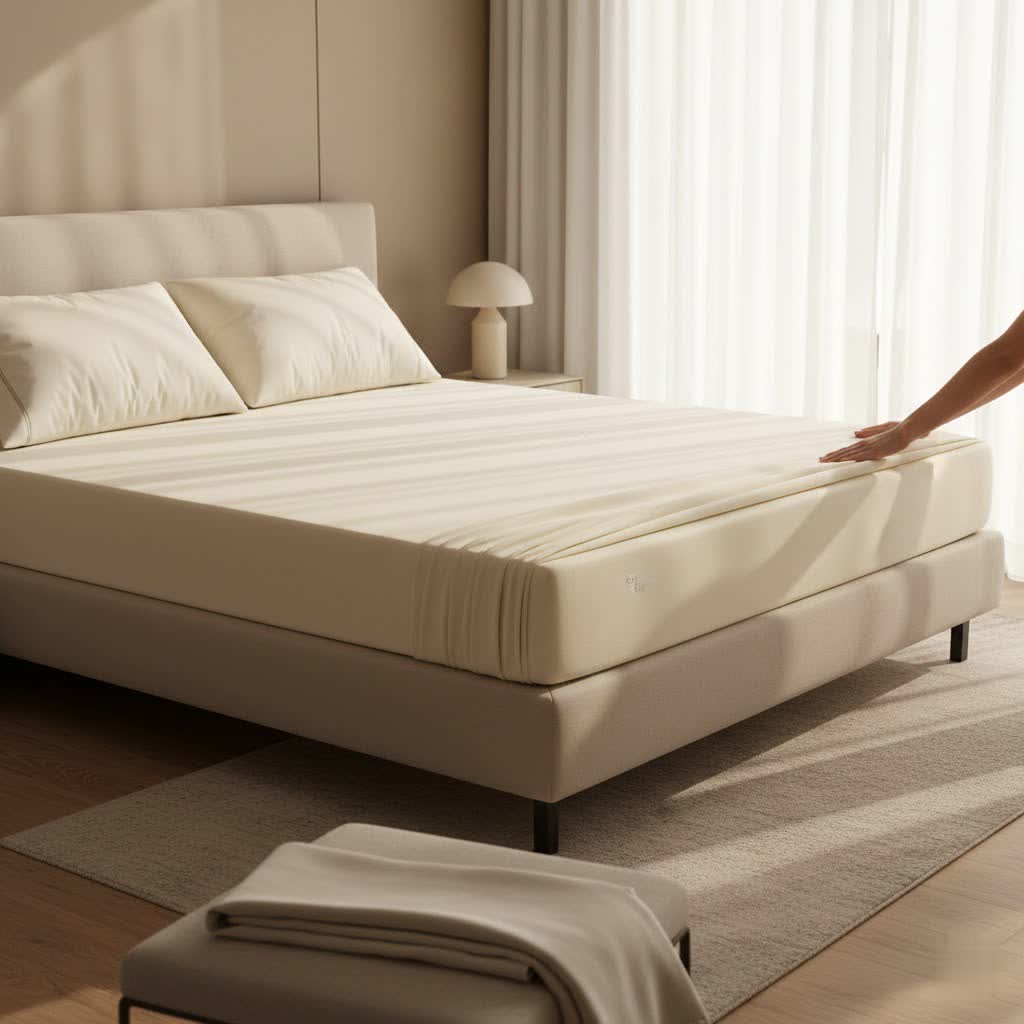
Waking up with aches, stiffness, or feeling like you’re sinking into your bed can turn sleep into a struggle. A mattress that’s too soft, whether it’s aged, worn out, or simply not the right fit for your body, can compromise spinal alignment and lead to discomfort. Before you consider a costly full mattress replacement, a firm mattress topper could be the ideal solution. This comprehensive guide will walk you through selecting the perfect topper to transform your overly soft sleep surface into one that offers optimal support and comfort, ensuring you wake up refreshed and pain-free.
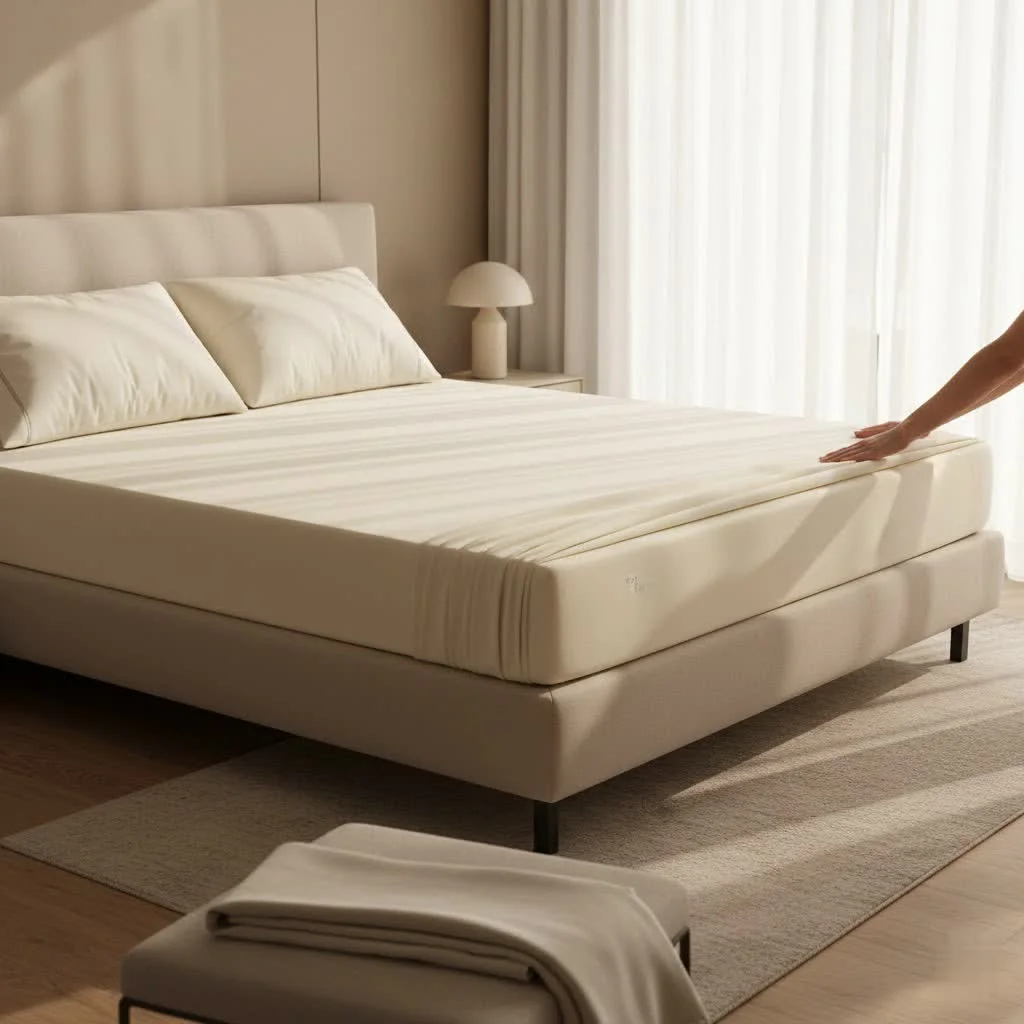
What Makes a Mattress Too Soft?
Over time, even the highest quality mattresses can lose their original firmness. Body impressions and general wear and tear cause materials to break down, leading to a noticeable sag or an overall softer feel. Memory foam mattresses, for instance, can soften with age and even in warmer room temperatures. Sometimes, a mattress might simply be too soft from the start, chosen without fully understanding individual sleep needs and body support requirements. When your mattress no longer provides adequate support, it can lead to improper spinal alignment and exacerbate back, neck, and hip pain.
Why a Firm Mattress Topper for a Soft Mattress?
A firm mattress topper serves as a crucial intermediary layer, designed to counteract the excessive plushness of a soft mattress. Its primary role is to add a substantial layer of support, elevating your body and preventing you from sinking too deeply into the bed. This added firmness is not just about feel; it’s about improving your sleep posture by promoting better spinal alignment. For those experiencing lower back pain or discomfort from a sagging mattress, a firm topper can redistribute weight more effectively, alleviating pressure points and providing the necessary underlying structure. It’s a budget-friendly way to extend the life of your existing mattress and enhance your sleep quality without the commitment of purchasing an entirely new bed.
Key Materials for Firm Mattress Toppers
When seeking to firm up a soft mattress, the material of your topper is paramount. Different materials offer varying degrees of support, responsiveness, and temperature regulation.
-
Latex Mattress Toppers:
- Pros: Known for their exceptional durability, responsiveness, and natural resilience. Latex toppers provide a buoyant feel, supporting the body without the deep contouring sink of memory foam. They are also highly breathable, making them a good choice for hot sleepers, and naturally hypoallergenic. Latex is often recommended for those seeking a noticeably firmer feel and excellent support, especially for spinal alignment.
- Cons: Can be more expensive than other options and heavier to move. Natural latex might have a distinct initial smell.
- Ideal for: Individuals who need robust support, desire a bouncier feel, and prefer natural materials. They are particularly effective at restoring firmness to a sagging mattress.
-
High-Density Memory Foam Toppers:
- Pros: While many associate memory foam with softness, high-density memory foam toppers are engineered to provide significant support and firmness. They contour to the body’s curves, offering pressure relief without allowing excessive sinkage, which is key when firming up a soft bed. Many modern high-density memory foam toppers incorporate cooling gels or open-cell structures to mitigate heat retention.
- Cons: Traditional memory foam can sometimes trap heat. It has a slower response time than latex.
- Ideal for: Those who appreciate the pressure-relieving qualities of memory foam but require superior support to prevent sinking into a soft mattress. Look for gel-infused or graphite-infused options for better temperature control.
-
Hybrid Mattress Toppers (Foam & Microcoils):
- Pros: These innovative toppers combine layers of foam with small, individually wrapped microcoils. This construction offers a unique blend of conforming comfort from the foam and responsive support from the coils. The microcoils help prevent excessive sinkage and provide localized support, making them excellent for firming up a soft mattress while maintaining some cushioning.
- Cons: Can be pricier and heavier due to the coil layer.
- Ideal for: Sleepers who want the benefits of both foam contouring and springy support, effectively firming up a soft mattress without making it feel overly rigid.
-
Other Materials (Less Ideal for Firming):
- Down and Down Alternative: These materials are primarily designed to add plushness and softness, making them unsuitable for firming up an already soft mattress. They will only contribute to the feeling of sinking.
- Low-Density Memory Foam: While affordable, low-density memory foam will offer minimal support and likely exacerbate the softness issue rather than resolve it.
Choosing the Right Thickness
The thickness of your firm mattress topper plays a crucial role in its effectiveness. Mattress toppers typically range from 2 to 4 inches, and choosing the right depth depends on your existing mattress’s softness and your personal support needs.
- 2-Inch Toppers: A 2-inch firm topper provides a subtle yet noticeable increase in firmness. It’s a good choice if your mattress is only slightly softer than desired or if you want to add a layer of foundational support without drastically altering the overall feel of your bed. This thickness is often recommended for stomach sleepers to prevent excessive hip sinkage and maintain spinal alignment.
- 3-Inch Toppers: This is often considered the sweet spot for many sleepers looking to firm up a soft mattress. A 3-inch firm topper offers a more substantial layer of support and cushioning, providing a balanced solution for most body types and sleeping positions. It can significantly improve spinal alignment and alleviate pressure points on an overly soft bed.
- 4-Inch Toppers: For mattresses that are considerably soft, significantly aged, or for heavier individuals who require maximum support, a 4-inch firm topper is ideal. This thickness offers the most substantial transformation, providing extensive support and preventing deep sinkage. However, for some, a very thick topper might make them feel too far “on top” of the bed rather than “in” it, so balance with material choice is key.
Important Note: While thicker toppers generally offer more support, excessively thick soft memory foam toppers (e.g., 7-8 inches) can actually cause you to sink deeply and lose the support from the underlying mattress, defeating the purpose of firming up your bed.
Factors to Consider When Buying
Selecting the perfect mattress topper to firm up your soft bed involves more than just picking a material and thickness. Consider these crucial factors to ensure your investment leads to truly restorative sleep.
Firmness Level
|
Our Picks for the Best Mattress Topper in 2026
As an Amazon Associate I earn from qualifying purchases.
|
||
| Num | Product | Action |
|---|---|---|
| 1 | SINWEEK 2 Inch Gel Memory Foam Mattress Topper Ventilated Soft Pressure Relieve Mattress Pad, Breathable Bed Topper, CertiPUR-US Certified, Twin Size |

|
| 2 | LINENSPA Memory Foam Mattress Topper - 2 Inch Gel Infused Memory Foam - Plush Feel - Cooling and Pressure Relieving - CertiPUR Certified - Dorm Room Essentials - Queen Size |
|
| 3 | 4 Inch Memory Foam Mattress Topper, Cooling Extra Thick 2000 GSM Pillow Top Mattress Pad for Back Pain Relief,Soft Breathable Mattress Cover for Fluffy Shredded Memory Foam Filled,(King,78“x80”) |
|
| 4 | Dual Layer 4 Inch Memory Foam Mattress Topper King Size, 2" Cooling Gel Memory Foam & 2" Pillow Top, Mattress Pad Cover for Back Pain Relief, CertiPUR-US Certified, Deep Pocket Fits 21", White |
|
| 5 | 3 Inch Ultra-Fluffy Memory Foam Mattress Topper Queen for Back Pain, Soft Comfy Pillow Top Queen Mattress Topper with 4X Support, Mattress Pad with Breathable Air Mesh Sides, 6-21'' Deep Pocket |
|
| 6 | 2 Inch Thick Mattress Topper Queen - Viscose Made from Bamboo Pillow Top Memory Foam Mattress Pad for Back Pain, Ultra Soft & Cooling for Hot Sleepers, 6-18'' Deep Pocket, Green |
|
| 7 | LINENSPA Memory Foam Mattress Topper - 3 Inch Gel Infused Memory Foam - Plush Feel - Cooling and Pressure Relieving - CertiPUR Certified - Dorm Room Essentials - Queen Size |
|
| 8 | EASELAND Queen Size Mattress Pad Pillow Top Mattress Cover Quilted Fitted Mattress Protector Cotton Top Stretches up 8-21" Deep Pocket Cooling Mattress Topper (60x80 inch, White) |
|
| 9 | 5 Inch Mega Support Memory Foam Queen Mattress Topper for Pressure Relief, Dual Layer 2.5" Pillow Top Mattress Topper Queen Plus 2.5" Cooling Gel Infused Memory Foam Mattress Pad |
|
| 10 | 4 Inch Memory Foam Mattress Topper - Extra Thick 2000 GSM Pillow Top Mattress Topper Body-Contouring Support for Back Pain Relief,Breathable Cover with 6"-18" Deep Pocket (Queen,60"x80") |
|
Look for toppers explicitly labeled “firm” or “extra-firm.” Manufacturers often use a 1-10 scale, where 7-10 indicates a firm feel. A topper’s firmness should counter your mattress’s softness, providing the necessary resistance to keep your body properly elevated.
Sleeping Position
Your preferred sleeping position significantly influences the ideal topper.
- Stomach Sleepers: Require a firmer surface (often a 2-inch firm topper) to prevent the hips from sinking too low, which can strain the lower back.
- Back Sleepers: Benefit from a medium-firm to firm topper (around 3 inches) that cradles the natural curve of the spine while providing robust support to prevent sagging.
- Side Sleepers: While side sleepers typically need pressure relief, if their current mattress is too soft, a firmer topper will ensure their spine remains aligned. The goal is supportive firmness, not excessive plushness that leads to hip and shoulder misalignment.
Body Weight
Your body weight impacts how much you compress the topper and the underlying mattress.
- Lighter Individuals: May find a 2-inch firm topper sufficient, as they won’t sink as deeply.
- Average Weight Individuals: A 3-inch firm topper often provides the right balance of support and comfort.
- Heavier Individuals: Will generally require a thicker (3-4 inches) and firmer topper, potentially latex or high-density memory foam, to ensure adequate support and prevent bottoming out.
Certifications
For peace of mind regarding material safety and environmental impact, look for certifications such as:
- CertiPUR-US: Ensures that foam products are made without harmful chemicals, flame retardants, and heavy metals.
- Oeko-Tex Standard 100: Certifies textiles are free from harmful substances.
- GOLS (Global Organic Latex Standard) or GREENGUARD Gold: For natural latex or organic cotton covers, indicating low chemical emissions.
Durability and Warranty
A high-quality firm topper is an investment. Check the manufacturer’s warranty, which typically ranges from 3 to 10 years, to understand the product’s expected lifespan and coverage against defects. Read reviews to gauge real-world durability.
Breathability and Temperature Regulation
Some firm materials, particularly high-density memory foam, can retain heat. If you sleep hot, look for toppers with:
- Gel Infusion: Helps dissipate heat.
- Open-Cell Structure: Promotes airflow within the foam.
- Perforations: Allows for better ventilation.
- Latex: Naturally more breathable and cooler than traditional memory foam.
- Breathable Covers: Cotton, Tencel, or bamboo covers can also enhance cooling.
Finding the Right Fit
Ensure the topper matches the exact dimensions of your mattress (Twin, Full, Queen, King, California King) to prevent shifting or gaps. Some toppers come with straps to secure them to the mattress.
Comparison of Popular Firm Mattress Topper Types
| Feature | Latex Topper | High-Density Memory Foam Topper | Hybrid Topper (Foam & Coils) |
|---|---|---|---|
| Firmness | High to Very High | Medium-High to High | Medium-High |
| Support | Excellent, buoyant, even support | Excellent, contouring pressure relief | Excellent, responsive, targeted support |
| Breathability | High, naturally cool | Moderate (can be enhanced with gel/open-cell) | Good, coils allow airflow |
| Durability | Very High | Medium-High | High |
| Price | High | Medium | High |
| Spinal Support | Very Good, maintains alignment | Very Good, conforms to curves | Very Good, balanced support |
| Noise Level | Silent | Silent | Minimal (quality coils) |
| Motion Isolation | Good | Excellent | Good |
Top Mattress Topper Recommendations for Soft Mattresses
While specific product recommendations are outside this article’s scope, when you’re ready to shop, prioritize options made from firm latex or high-density, supportive memory foam. Look for brands renowned for their commitment to quality and customer satisfaction. Read user reviews focusing on firmness, support, and how well they addressed an overly soft mattress. Consider options that offer sleep trials, allowing you to test the topper in your own home to ensure it meets your specific needs.
Tips for Using and Maintaining Your Firm Mattress Topper
Once you’ve chosen your ideal firm mattress topper, proper installation and care are essential to maximize its benefits and longevity.
- Installation: Simply place the topper directly on top of your existing mattress. Ensure it is aligned perfectly with the mattress edges. Many toppers come with elastic straps or an anti-slip bottom to keep them securely in place. If yours doesn’t, a snugly fitted sheet can help prevent shifting.
- Airing Out: Upon unboxing, some foam or latex toppers may have a “new product” smell, often called off-gassing. Allow your topper to air out in a well-ventilated room for 24-48 hours before placing it on your bed and covering it with sheets.
- Rotation: Just like a mattress, periodically rotating your topper (180 degrees) can help distribute wear evenly, preventing premature indentations and maintaining consistent firmness across the sleep surface. Aim to do this every 3-6 months.
- Cleaning: Always refer to the manufacturer’s care instructions. Many toppers come with removable, washable covers. For foam or latex layers, spot cleaning with a mild detergent and water is usually recommended. Ensure the topper is completely dry before putting it back on your bed to prevent mold or mildew.
- Protection: Using a good quality mattress protector over your topper can shield it from spills, stains, dust mites, and allergens, further extending its lifespan.
“A firm mattress topper can be a game-changer for someone struggling with a soft bed. It’s not just about comfort; it’s about crucial spinal support that impacts overall health and well-being.” – Dr. Michael Breus, Clinical Psychologist and Sleep Expert.
When a Mattress Topper Isn’t Enough
While a firm mattress topper can significantly improve a soft mattress, it’s not a miracle cure for every situation. If your mattress is excessively old (typically beyond 7-10 years), has significant deep sagging, visible lumps, or structural damage, a topper may only provide a temporary fix. In such cases, the underlying support system is compromised, and no amount of topping will fully restore proper alignment.
Other solutions to consider:
- Plywood Board: Placing a thin, sturdy piece of plywood between your mattress and bed frame can create a firmer, more even foundation.
- Upgrade Foundation/Slats: A weak or broken bed frame or flimsy slats can cause a mattress to feel softer. Upgrading to a solid platform base or reinforced slats can provide better support.
- Replace Your Mattress: Ultimately, if your mattress has reached the end of its lifespan, investing in a new, firmer mattress designed for your specific needs will be the most effective long-term solution.
Conclusion
Choosing the right mattress topper for a soft mattress can be a transformative step towards better sleep. By understanding the role of materials like latex and high-density memory foam, considering optimal thickness based on your needs, and factoring in personal preferences like sleeping position and body weight, you can effectively enhance your bed’s support and firmness. A well-chosen firm topper can alleviate pain, improve spinal alignment, and extend the life of your mattress, allowing you to reclaim a truly restful night. So, are you ready to stop sinking and start sleeping soundly?
Frequently Asked Questions
Can a mattress topper really make a soft mattress feel firmer?
Yes, a firm mattress topper can significantly increase the firmness and support of an overly soft mattress. Materials like high-density memory foam or latex are specifically designed to provide a more supportive surface, helping to prevent excessive sinking and promote better spinal alignment. It acts as an additional layer of resistance against the plushness of your original mattress.
What kind of mattress topper is best for firming up a soft bed?
For firming up a soft bed, look for toppers made from latex or high-density memory foam. Latex offers a buoyant, responsive feel with excellent support, while high-density memory foam provides contouring pressure relief without deep sinkage. Hybrid toppers with microcoils are also effective, combining cushioning with robust support.
What thickness of mattress topper should I get to make my mattress firmer?
For firming a soft mattress, a topper typically between 2 to 4 inches thick is recommended. A 2-inch topper offers a subtle change, a 3-inch provides a balanced increase in firmness and support, and a 4-inch topper offers maximum firmness for very soft or sagging beds, or for heavier individuals.
Will a firm mattress topper fix a sagging mattress?
A firm mattress topper can help alleviate the feeling of sagging and provide a more even sleeping surface, but it cannot fundamentally fix a mattress with significant structural damage or deep, permanent indentations. If your mattress is severely worn out, a topper is a temporary solution, and replacing the mattress may be necessary for long-term comfort and support.
How often should I replace a firm mattress topper?
Most mattress toppers, including firm ones, should be considered for replacement every 3 to 5 years, depending on the material quality, usage, and how well it’s maintained. Signs like reduced support, visible indentations, or decreased comfort indicate it’s time for a new topper. Regular rotation and proper cleaning can help extend its lifespan.
Get our weekly buyer guide
Practical specs, not advice. Unsubscribe anytime.

My memory foam mattress had definitely softened with age, and I was starting to get some hip pain. I appreciated the breakdown of different topper materials. I went with a high-density foam topper, and it’s provided the extra support I needed. It’s not quite as firm as a brand new mattress, but for the price, it’s a fantastic improvement and I’m sleeping much better.
I was seriously considering buying a whole new mattress because mine had gotten so soft, I felt like I was sinking in every night. This guide really helped me understand that a firm mattress topper could be the answer. I ended up getting a latex topper, and it’s made a huge difference. My back feels so much better in the mornings now, and I’m not waking up with that awful stiffness anymore.
I bought a gel-infused memory foam topper hoping it would help with my overly soft bed and also keep me cooler. While it did add some much-needed support and I don’t feel like I’m sinking as much, I haven’t noticed a significant difference in temperature regulation. It’s comfortable, but I was hoping for a bit more cooling effect, especially since my old mattress made me so warm.
This was exactly what I needed! My mattress was causing me to wake up with aches and pains, and I thought I was stuck with it. The advice on choosing a topper to improve spinal alignment was spot on. I invested in a thicker, extra-firm topper, and it’s completely transformed my sleep. It feels like a brand new bed without the huge expense.