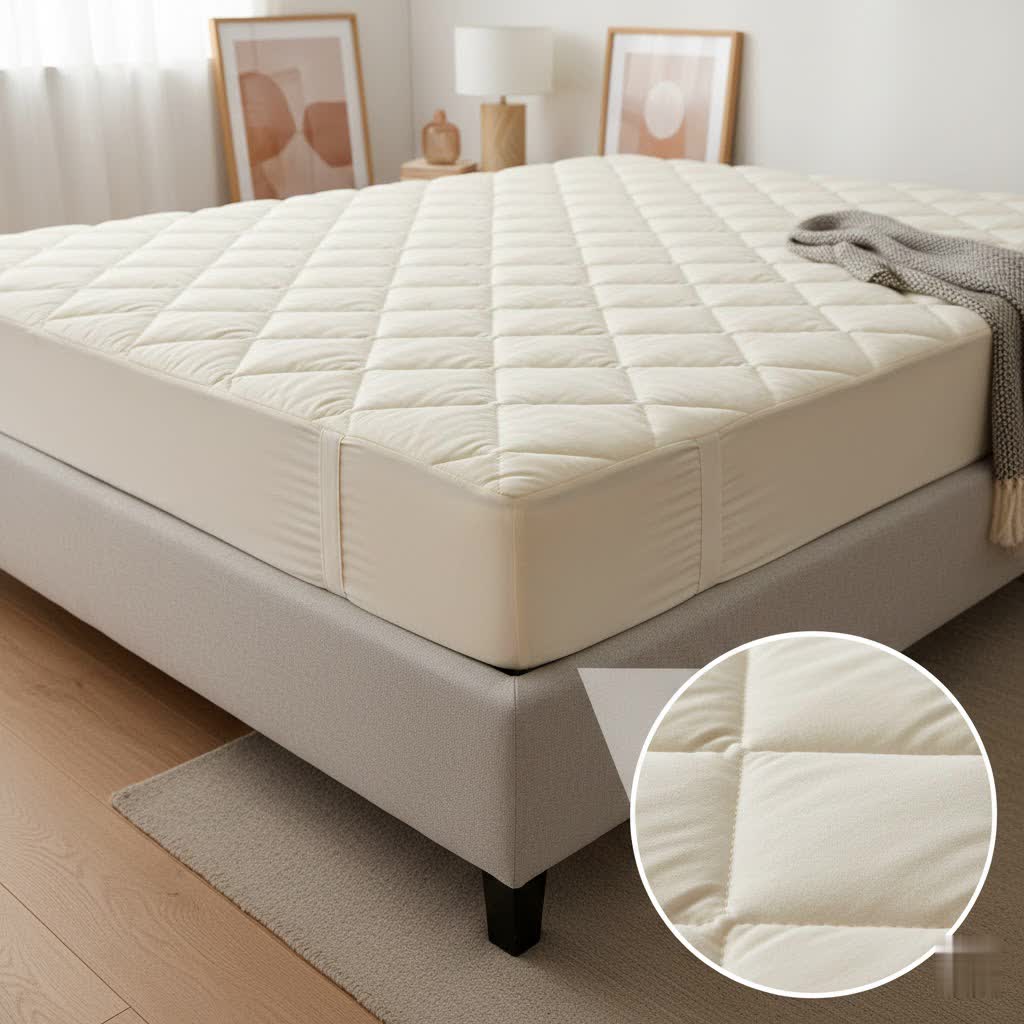
Are you constantly tossing and turning, struggling to find that sweet spot of comfort on your mattress? Perhaps your current bed is a little too firm, too soft, or simply showing its age, but a new mattress isn’t quite in the budget yet. If this sounds familiar, a high-quality mattress topper could be the game-changer you need for a restful night’s sleep. Designed to enhance the feel and support of your existing mattress, these versatile additions offer a cost-effective way to revitalize your sleep surface. This guide will walk you through everything you need to know, from understanding different types to finding the perfect mattress topper near you, ensuring you make an informed decision for ultimate comfort.
What is a Mattress Topper and Why Do You Need One?
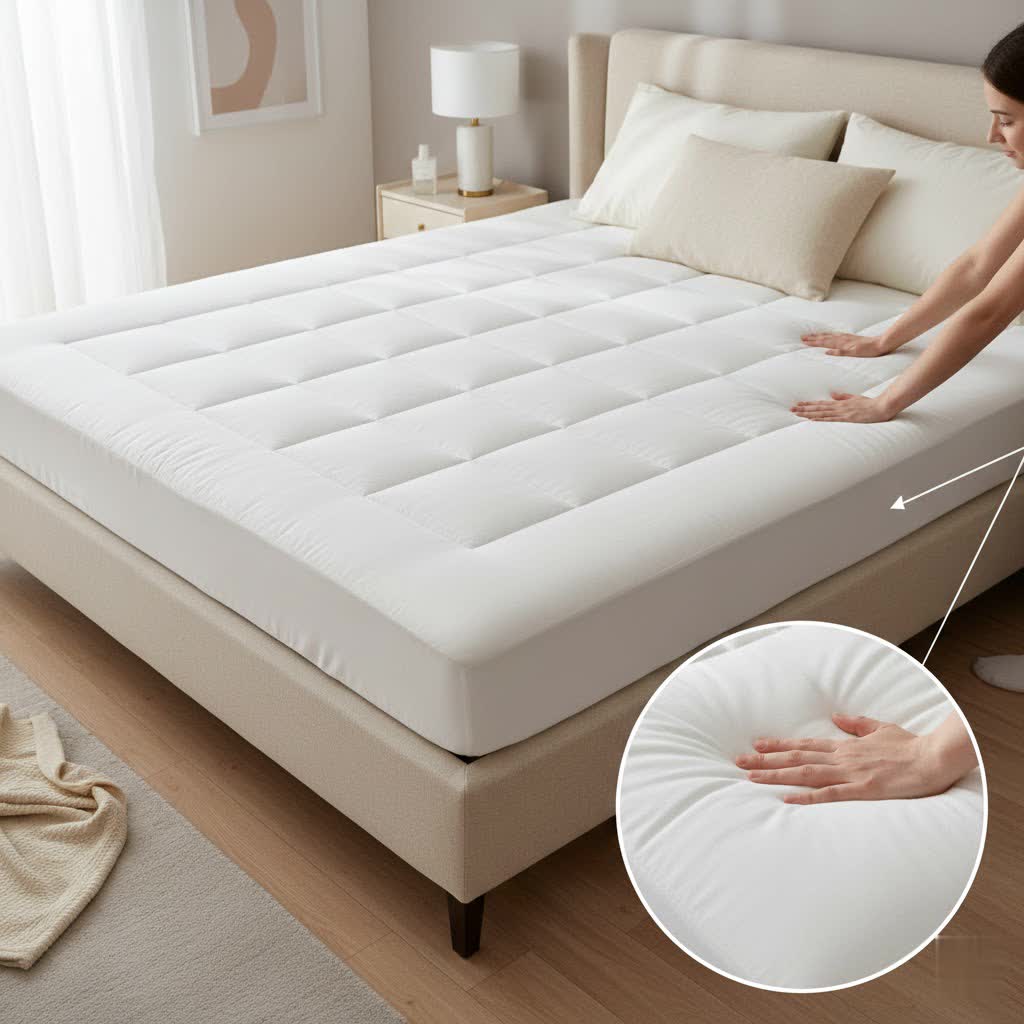
A mattress topper is an additional layer of material, typically 2 to 10 centimeters thick, that sits on top of your existing mattress. Unlike a mattress pad, which is usually thinner and focuses on protection or slight cushioning, a topper is specifically designed to significantly alter the feel, support, and overall comfort of your bed.
The reasons for investing in a mattress topper are plentiful. They can breathe new life into an aging mattress, making it feel softer, firmer, or more supportive without the expense of a full replacement. For those with specific comfort needs, such as pressure point relief or improved spinal alignment, a topper can provide targeted solutions. Many also offer benefits like temperature regulation, motion isolation, and a barrier against allergens, contributing to a healthier and more comfortable sleep environment.
Popular Types of Mattress Toppers: Pros and Cons
Choosing the right mattress topper starts with understanding the different materials available, each offering unique benefits and drawbacks.
Memory Foam Mattress Toppers
|
Our Picks for the Best Mattress Topper in 2026
We may earn a commission when you use one of our links to make a purchase.
|
||
| Num | Product | Action |
|---|---|---|
| 1 | SINWEEK 2 Inch Gel Memory Foam Mattress Topper Ventilated Soft Pressure Relieve Mattress Pad, Breathable Bed Topper, CertiPUR-US Certified, Twin Size |

|
| 2 | LINENSPA Memory Foam Mattress Topper - 2 Inch Gel Infused Memory Foam - Plush Feel - Cooling and Pressure Relieving - CertiPUR Certified - Dorm Room Essentials - Queen Size |
|
| 3 | 5 Inch Mega Support Memory Foam Queen Mattress Topper for Pressure Relief, Dual Layer 2.5" Pillow Top Mattress Topper Queen Plus 2.5" Cooling Gel Infused Memory Foam Mattress Pad |
|
| 4 | 3 Inch Ultra-Fluffy Memory Foam Mattress Topper Queen for Back Pain, Soft Comfy Pillow Top Queen Mattress Topper with 4X Support, Mattress Pad with Breathable Air Mesh Sides, 6-21'' Deep Pocket |
|
| 5 | EASELAND Queen Size Mattress Pad Pillow Top Mattress Cover Quilted Fitted Mattress Protector Cotton Top Stretches up 8-21" Deep Pocket Cooling Mattress Topper (60x80 inch, White) |
|
| 6 | 2 Inch Thick Mattress Topper Queen - Viscose Made from Bamboo Pillow Top Memory Foam Mattress Pad for Back Pain, Ultra Soft & Cooling for Hot Sleepers, 6-18'' Deep Pocket, Green |
|
| 7 | 4 Inch Memory Foam Mattress Topper, Cooling Extra Thick 2000 GSM Pillow Top Mattress Pad for Back Pain Relief,Soft Breathable Mattress Cover for Fluffy Shredded Memory Foam Filled,(King,78“x80”) |
|
| 8 | Dual Layer 4 Inch Memory Foam Mattress Topper King Size, 2" Cooling Gel Memory Foam & 2" Pillow Top, Mattress Pad Cover for Back Pain Relief, CertiPUR-US Certified, Deep Pocket Fits 21", White |
|
| 9 | 4 Inch Memory Foam Mattress Topper - Extra Thick 2000 GSM Pillow Top Mattress Topper Body-Contouring Support for Back Pain Relief,Breathable Cover with 6"-18" Deep Pocket (Queen,60"x80") |
|
| 10 | LINENSPA Memory Foam Mattress Topper - 3 Inch Gel Infused Memory Foam - Plush Feel - Cooling and Pressure Relieving - CertiPUR Certified - Dorm Room Essentials - Queen Size |
|
Memory foam toppers are renowned for their ability to conform precisely to your body’s shape. This contouring action cradles pressure points, offering excellent relief and support, which can be particularly beneficial for side sleepers and individuals with joint pain. However, traditional memory foam can sometimes retain body heat, making it less ideal for hot sleepers. Manufacturers often address this by infusing the foam with cooling gels or graphite, or by designing open-cell structures to improve airflow.
Latex Mattress Toppers
Latex toppers offer a more responsive and buoyant feel compared to memory foam. They provide a comfortable blend of cushioning and support, pushing back against your weight rather than fully conforming. Latex is naturally durable, hypoallergenic, and often more breathable than memory foam, making it a good choice for those prone to allergies or who sleep hot. Natural latex, derived from rubber trees, is also an eco-friendly option, though synthetic and blended latex varieties are also available.
Down and Feather Mattress Toppers
For those seeking a luxurious, cloud-like softness, down and feather toppers are an excellent choice. These toppers are incredibly plush and lightweight, offering a cozy sleeping surface. They are also generally breathable, allowing for good air circulation. However, feather toppers may flatten over time and require regular fluffing, and they might not provide substantial support for individuals needing firm spinal alignment. They can also be a concern for those with feather allergies, though down alternative options exist.
Down Alternative (Synthetic) Mattress Toppers
Down alternative toppers are typically filled with polyester fibers, designed to mimic the softness and loft of natural down without the potential allergens or higher cost. They are often hypoallergenic, machine-washable, and more budget-friendly. While they offer a comfortable, plush layer, they tend to be less durable than memory foam or latex and may not provide the same level of support or pressure relief. They can also sometimes retain heat.
Your Comprehensive Guide to Buying the Right Mattress Topper
Finding the perfect mattress topper is a personal journey, as comfort is subjective. Here’s a detailed guide to help you make the best choice.
Assess Your Personal Needs
Before you begin shopping, consider what you want your mattress topper to achieve. Do you wish to soften a too-firm mattress, add more support to a sagging one, or improve temperature regulation? Your preferred sleeping position is also crucial: side sleepers often benefit from softer, thicker toppers for hip and shoulder cushioning, while back and stomach sleepers typically require firmer options to maintain spinal alignment. Think about your body temperature preferences – if you tend to sleep hot, look for cooling features. Lastly, factor in any allergies you might have, as certain materials can exacerbate symptoms.
Choosing the Right Material
Revisit the pros and cons of memory foam, latex, down/feather, and down alternative. Memory foam excels in pressure relief, latex in responsive support and durability, down in plush softness, and down alternative in affordability and hypoallergenic properties. Consider how these characteristics align with your assessed needs.
Selecting the Ideal Thickness
Mattress toppers generally range from 2 to 10 inches in thickness. A thinner topper (2-3 inches) offers a subtle change in feel, primarily adding a layer of softness or minor cushioning. A thicker topper (4 inches or more) will significantly alter your mattress’s feel, providing more substantial support, pressure relief, or plushness. For significant discomfort or an older mattress, a thicker option is usually more effective.
Ensuring the Correct Size
This might seem obvious, but it’s vital to ensure your mattress topper perfectly matches the size of your bed (Twin, Twin XL, Full, Queen, King, California King). A topper that is too small will shift and create uncomfortable gaps, while one that is too large will hang over the edges, bunch up, and affect the aesthetic and feel of your bed.
Checking for Safety Certifications
For peace of mind, especially with foam-based toppers, look for certifications like CertiPUR-US. This certification ensures that the foam meets rigorous standards for emissions, content, performance, and durability, and is made without harmful chemicals like ozone depleters, heavy metals, formaldehyde, and phthalates. For natural materials like latex or wool, look for certifications like GOTS (Global Organic Textile Standard) or Oeko-Tex Standard 100, which ensure products are free from harmful substances.
Understanding Return Policies and Warranties
Given the significant impact a topper has on your sleep, a generous return policy or sleep trial is invaluable. Some retailers and brands offer 30-day or even longer trial periods, allowing you to test the topper at home. Always check the warranty information, which typically covers manufacturing defects and can range from 1 to 10 years.
Where to Find Mattress Toppers Near You (and Online Options)
When searching for a “Mattress Topper Near Me,” you have several excellent options, ranging from large retail chains to online specialists.
Big Box Retailers (In-Store & Pickup)
Major retailers like Target, Walmart, Home Depot, Kohl’s, Costco, Sam’s Club, and Macy’s are popular choices for their widespread locations and competitive pricing. These stores offer the convenience of immediate purchase and the ability to see (though often not fully unpackage or test) products in person. Many also provide options for in-store pickup, allowing you to buy online and collect your topper quickly. Large retailers often carry various types, including memory foam, gel-infused, and down alternative, across different price points. Costco, for instance, is often praised for its excellent return policy, which can be a significant advantage if you’re unsure about your choice.
Specialty Sleep Stores
While perhaps less abundant than big box stores, local mattress and specialty sleep shops can offer a more curated selection and expert advice. These stores may carry premium brands or unique materials like organic latex and might allow for a more hands-on testing experience. They can provide personalized recommendations based on your specific sleep needs.
Online Retailers (with Quick Shipping/Trials)
For a broader selection and often specialized products, online retailers are an excellent resource. Brands like Tempur-Pedic, Saatva, Viscosoft, Nolah, Helix, and PlushBeds offer a wide array of mattress toppers directly to consumers. Many online brands provide generous at-home sleep trials and comprehensive return policies, allowing you to test the topper in your own environment for an extended period. While you can’t touch the product beforehand, detailed reviews, customer service, and direct shipping make this a highly convenient option, often with faster delivery than expected, depending on your location.
Comparing Popular Mattress Topper Types
To help you visualize the differences, here’s a detailed comparison of common mattress topper types:
| Feature | Memory Foam | Latex | Down/Feather | Down Alternative (Synthetic) |
|---|---|---|---|---|
| Feel/Comfort | Conforming, pressure-relieving, “hug” | Responsive, buoyant, supportive | Plush, soft, luxurious, cloud-like | Soft, lofty, mimics down |
| Support | Excellent pressure relief, good support | Excellent supportive push-back | Minimal support, mostly cushioning | Light cushioning, less supportive |
| Breathability | Can retain heat (improved with gel/open-cell) | Highly breathable, good airflow | Fairly breathable | Can retain some heat |
| Durability | Medium (can soften over time) | High (very durable, long-lasting) | Medium (feathers can flatten/shift) | Low to Medium (fibers can clump/flatten) |
| Price | Medium to High | High | Medium to High | Low to Medium |
| Allergy | Generally hypoallergenic | Naturally hypoallergenic (natural latex) | Can trigger allergies | Hypoallergenic |
| Maintenance | Spot clean, rotate | Spot clean, rotate | Regular fluffing, professional cleaning | Often machine washable, regular fluffing |
| Noise | Very quiet | Very quiet | Can rustle slightly | Very quiet |
Top Mattress Toppers: What to Look For
When considering highly-rated mattress toppers, certain features consistently emerge as key indicators of quality and performance. Cooling technology is a significant factor for many, with gel-infused memory foam, graphite infusions, phase-change materials, or naturally breathable latex and wool leading the way. A removable and washable cover is essential for hygiene and extending the topper’s lifespan. Look for non-slip designs such as anchor bands or a textured bottom to prevent the topper from shifting during the night. For allergy sufferers, hypoallergenic properties in down alternative, latex, or specialized foam materials are crucial. Finally, effective pressure relief and motion isolation are often highlighted in top-rated products, ensuring undisturbed and comfortable sleep, especially for couples.
Tips for Using and Maintaining Your Mattress Topper
Proper care can significantly extend the life and effectiveness of your mattress topper.
- Regular Airing: Allow your topper to air out periodically, especially after unboxing, to dissipate any off-gassing odors and refresh the material.
- Cleaning: Always follow the manufacturer’s specific cleaning instructions. Many covers are machine washable, while the core material might only allow for spot cleaning. Avoid harsh chemicals that could damage the material.
- Protection: Using a good quality mattress protector over your topper is highly recommended. This adds a layer of defense against spills, stains, dust mites, and allergens, keeping your topper cleaner and extending its life.
- Rotation: Rotate your topper head-to-foot every few months to promote even wear and prevent impressions, much like you would a mattress.
Conclusion
A mattress topper is a powerful tool to upgrade your sleep without breaking the bank. By carefully considering your personal comfort needs, understanding the characteristics of different materials like memory foam, latex, down, and down alternative, and paying attention to details like thickness and certifications, you can confidently choose the perfect addition to your bed. Whether you prefer to find a “mattress topper near me” at a local retail giant for immediate gratification or explore the vast selections offered by online specialists with generous trial periods, a better night’s sleep is within reach. Which type of mattress topper will finally give you the restful sleep you deserve?
Frequently Asked Questions
Can a mattress topper fix a sagging mattress?
While a mattress topper can temporarily improve comfort and provide some additional support, it generally cannot fully fix a deeply sagging or structurally compromised mattress. It’s best used to adjust the feel of a mattress that is still in good condition but might be too firm, too soft, or lacking specific pressure relief.
How long do mattress toppers last?
The lifespan of a mattress topper varies significantly depending on the material, quality, and usage. Memory foam and down alternative toppers typically last 3-5 years, while high-quality latex toppers can last 5-10 years or even longer. Regular maintenance and a good mattress protector can help extend its life.
What’s the difference between a mattress topper and a mattress pad?
A mattress topper is generally thicker (2-10 inches) and designed to significantly change the feel and support of your mattress. A mattress pad, on the other hand, is usually thinner, often quilted, and primarily provides a slight layer of cushioning, protection, or a modest change in temperature.
Are mattress toppers machine washable?
Some mattress toppers, particularly those made from down alternative or certain synthetic fibers, may have removable covers that are machine washable. However, many foam or latex toppers are not machine washable themselves and require spot cleaning. Always check the manufacturer’s care instructions for your specific topper.
How thick should a mattress topper be?
The ideal thickness depends on your existing mattress and desired comfort. For a subtle change or a little extra plushness, a 2-3 inch topper might suffice. If you need significant pressure relief, more support, or want to dramatically change the feel of your mattress, a 4-inch or thicker topper is generally more effective.