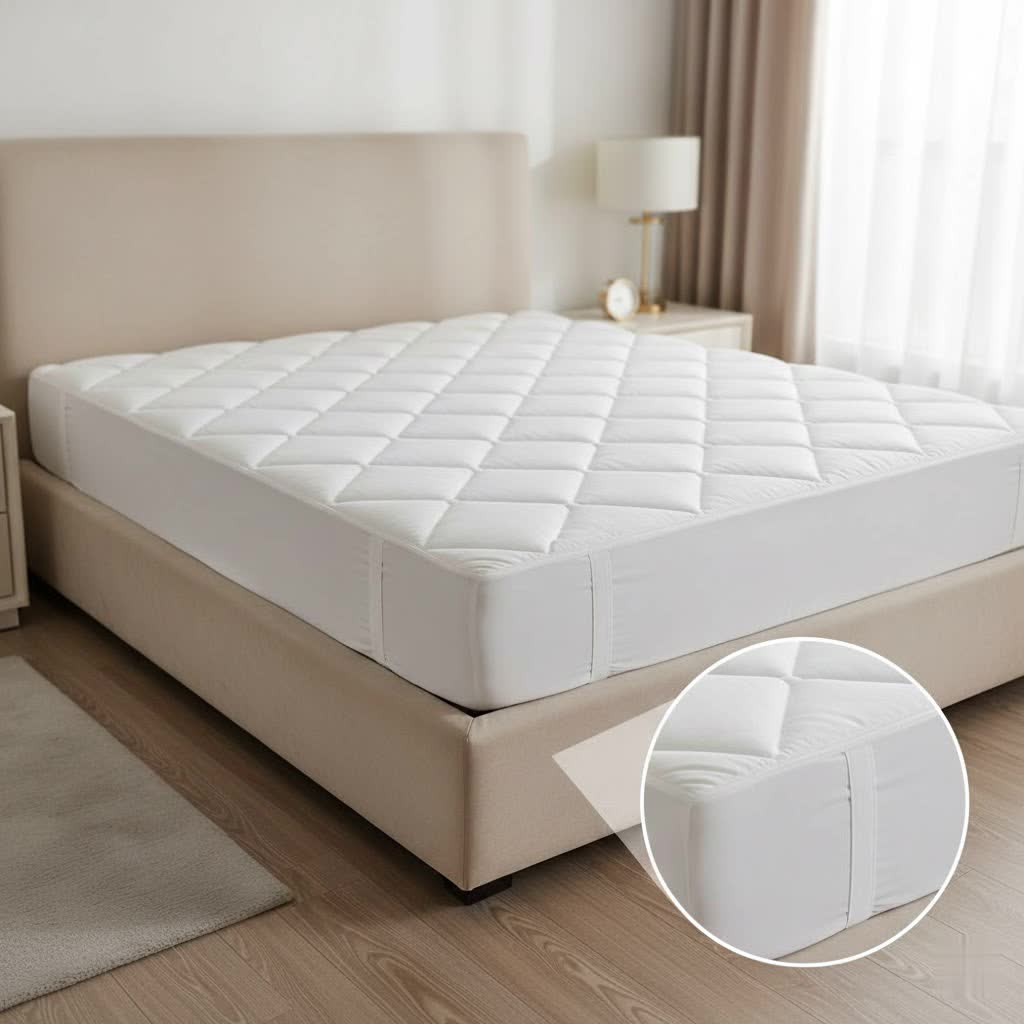
Are you tossing and turning, frustrated with a mattress that’s just not quite right? Many sleepers find themselves in this predicament, yearning for a bed that perfectly cradles their body and delivers consistent comfort night after night. If you own a full-size bed and are seeking to revitalize your sleep experience without investing in a brand-new mattress, a full memory foam mattress topper might be precisely what you need. This comprehensive guide will walk you through everything you need to know, from understanding the core benefits to selecting the perfect one for your unique sleep preferences, ensuring you transform your bed into a haven of restorative sleep.
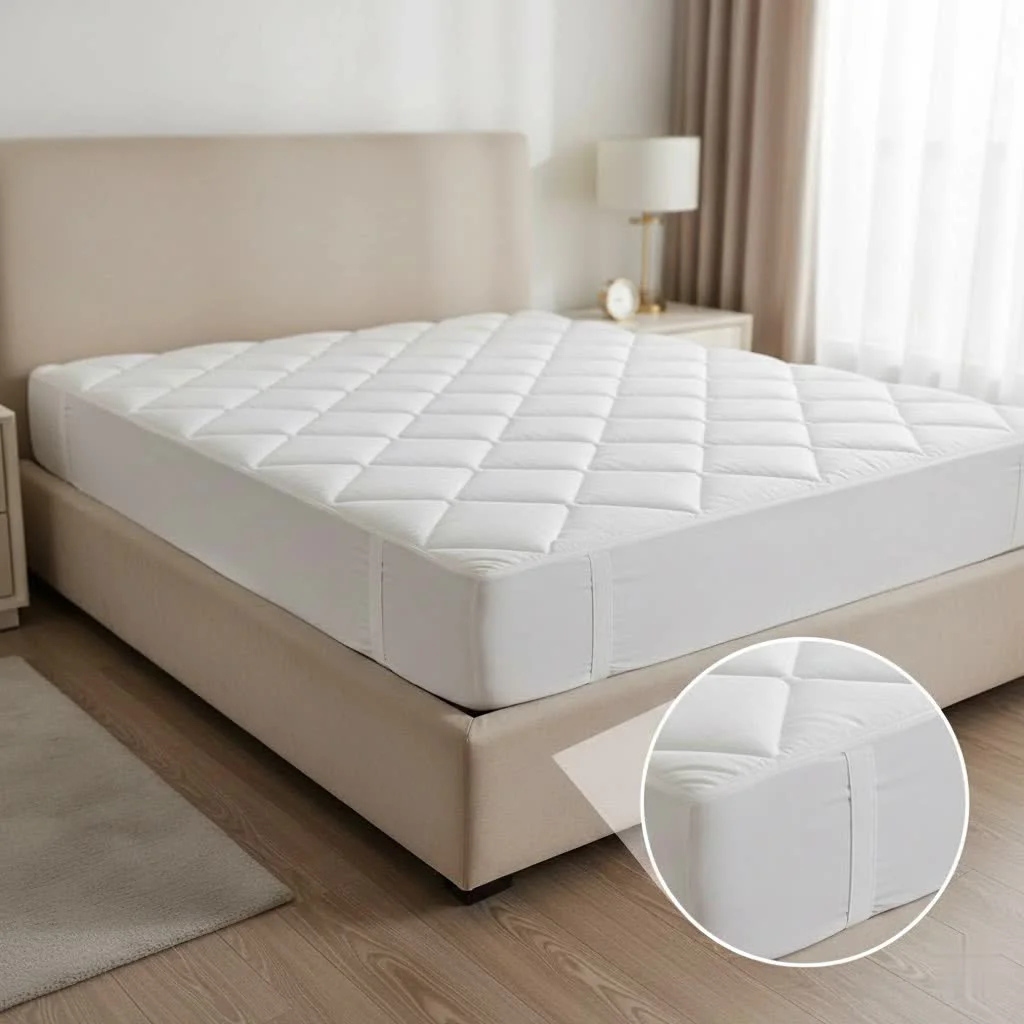
Understanding Full Memory Foam Mattress Toppers
A mattress topper is an additional layer of material placed on top of your existing mattress, designed to enhance comfort, support, or adjust the feel of your bed. Specifically, a full memory foam mattress topper is tailored to fit a standard full-size mattress, which typically measures 54 inches by 75 inches. This ensures a seamless fit, providing edge-to-edge comfort without overhang or gaps. For best mattress toppers roundups on this site.
Memory foam, also known as viscoelastic foam, is celebrated for its unique ability to contour precisely to the shape of your body. This material responds to heat and pressure, softening and molding around your curves, distributing weight evenly, and alleviating pressure points. The result is a sensation of being cradled, which can significantly reduce discomfort and improve sleep quality.
The primary benefits of integrating a memory foam topper into your full-size bed setup are multifaceted. It excels at pressure relief, cushioning sensitive areas like hips, shoulders, and the lower back. This contouring also promotes proper spinal alignment, which can be a game-changer for those experiencing back or joint pain. Furthermore, memory foam is excellent at isolating motion, meaning if you share your full bed, you’re less likely to be disturbed by your partner’s movements. Finally, a quality topper can extend the lifespan of an aging mattress by providing a fresh, supportive surface, or simply fine-tune the feel of a mattress that’s too firm or too soft.
However, it’s also important to consider the potential drawbacks. Traditional memory foam can sometimes retain body heat, which might be a concern for hot sleepers. There can also be an initial “off-gassing” odor when new, though this typically dissipates within a few days in a well-ventilated room. Some people also find the slow response time of memory foam makes it feel like they’re “sinking” or makes changing positions more challenging.
Detailed Guide to Buying Your Perfect Full Memory Foam Topper
Choosing the right full memory foam mattress topper involves a careful evaluation of your personal needs and the specific characteristics of different topper types. Your ideal choice will hinge on a balance of comfort, support, and practical considerations.
Identify Your Personal Needs
|
Our Picks for the Best Mattress Topper in 2026
As an Amazon Associate I earn from qualifying purchases.
|
||
| Num | Product | Action |
|---|---|---|
| 1 | 4 Inch Memory Foam Mattress Topper - Extra Thick 2000 GSM Pillow Top Mattress Topper Body-Contouring Support for Back Pain Relief,Breathable Cover with 6"-18" Deep Pocket (Queen,60"x80") |

|
| 2 | EASELAND Queen Size Mattress Pad Pillow Top Mattress Cover Quilted Fitted Mattress Protector Cotton Top Stretches up 8-21" Deep Pocket Cooling Mattress Topper (60x80 inch, White) |
|
| 3 | LINENSPA Memory Foam Mattress Topper - 2 Inch Gel Infused Memory Foam - Plush Feel - Cooling and Pressure Relieving - CertiPUR Certified - Dorm Room Essentials - Queen Size |
|
| 4 | SINWEEK 2 Inch Gel Memory Foam Mattress Topper Ventilated Soft Pressure Relieve Mattress Pad, Breathable Bed Topper, CertiPUR-US Certified, Twin Size |
|
| 5 | LINENSPA Memory Foam Mattress Topper - 3 Inch Gel Infused Memory Foam - Plush Feel - Cooling and Pressure Relieving - CertiPUR Certified - Dorm Room Essentials - Queen Size |
|
| 6 | 2 Inch Thick Mattress Topper Queen - Viscose Made from Bamboo Pillow Top Memory Foam Mattress Pad for Back Pain, Ultra Soft & Cooling for Hot Sleepers, 6-18'' Deep Pocket, Green |
|
| 7 | Dual Layer 4 Inch Memory Foam Mattress Topper King Size, 2" Cooling Gel Memory Foam & 2" Pillow Top, Mattress Pad Cover for Back Pain Relief, CertiPUR-US Certified, Deep Pocket Fits 21", White |
|
| 8 | 5 Inch Mega Support Memory Foam Queen Mattress Topper for Pressure Relief, Dual Layer 2.5" Pillow Top Mattress Topper Queen Plus 2.5" Cooling Gel Infused Memory Foam Mattress Pad |
|
| 9 | 3 Inch Ultra-Fluffy Memory Foam Mattress Topper Queen for Back Pain, Soft Comfy Pillow Top Queen Mattress Topper with 4X Support, Mattress Pad with Breathable Air Mesh Sides, 6-21'' Deep Pocket |
|
| 10 | 4 Inch Memory Foam Mattress Topper, Cooling Extra Thick 2000 GSM Pillow Top Mattress Pad for Back Pain Relief,Soft Breathable Mattress Cover for Fluffy Shredded Memory Foam Filled,(King,78“x80”) |
|
Before diving into materials and specifications, take a moment to understand what you truly need from a topper.
- Comfort Level: Are you seeking a plush, cloud-like softness, or a firmer feel for enhanced support?
- Support for Specific Conditions: If you suffer from back pain, arthritis, or other joint issues, you’ll need a topper that provides targeted pressure relief and maintains proper spinal alignment.
- Temperature Regulation: Do you tend to sleep hot? If so, heat retention in traditional memory foam might be a concern, pointing you towards cooling alternatives.
- Allergies and Sensitivities: While memory foam is generally hypoallergenic and resistant to dust mites, some individuals may have sensitivities to the materials or off-gassing.
- Budget Considerations: Toppers come in a wide price range. Determine how much you’re willing to invest for the desired level of quality and features.
Choosing the Right Material (Memory Foam Specifics)
While all are memory foam, variations in composition offer different benefits:
- Traditional Memory Foam: The classic choice, known for its deep contouring, superior pressure relief, and motion isolation. It excels at alleviating pain points but can sometimes trap heat due to its dense structure.
- Gel-infused Memory Foam: Incorporates gel beads or swirls into the foam, designed to absorb and dissipate heat away from the body. This is an excellent option for those who want the contouring benefits of memory foam but are prone to sleeping hot.
- Open-cell Memory Foam: Features a less dense, more porous cell structure than traditional memory foam. This allows for increased airflow, improving breathability and reducing heat retention without sacrificing much of the characteristic pressure relief.
- Copper-infused Memory Foam: Copper is naturally antimicrobial and can help draw heat away from the body. Toppers with copper infusion offer cooling properties and a cleaner sleep environment.
Selecting the Ideal Thickness
The thickness of your full memory foam topper significantly impacts its feel and the level of transformation it provides for your mattress.
- Thin (1-2 inches): These toppers offer a subtle improvement in softness and pressure relief. They are best for mattresses that are only slightly too firm or for those seeking just a touch of added cushioning.
- Medium (2-3 inches): This is the most popular thickness range, providing a balanced blend of comfort and support. A 2-3 inch topper can effectively soften a firm mattress and offer substantial pressure relief, making it suitable for most sleepers.
- Thick (3-4+ inches): For a truly luxurious, deeply contouring feel, or to significantly alter the feel of a very firm or worn-out mattress, a thick topper is ideal. These offer the most significant pressure relief and body-hugging sensation, often feeling like a brand-new bed.
Density Matters
Foam density, measured in pounds per cubic foot (PCF), indicates how much material is packed into the foam. It influences firmness, durability, and support.
- Low Density (under 4 lbs/cu ft): Softer, quicker to respond to pressure, and generally less expensive. However, they may not offer as much support or last as long as higher-density options.
- High Density (4 lbs/cu ft and above): Firmer, more supportive, and typically more durable. They provide excellent pressure relief and body contouring, but have a slower response time and can be more expensive. Medium density (around 3-4 PCF) often provides a good balance for most sleepers.
Ensuring the Right Size
For a full memory foam mattress topper, the standard dimensions are approximately 54 inches wide by 75 inches long. Always double-check your mattress’s exact measurements before purchasing to ensure a perfect fit. A topper that is too small will leave uncomfortable gaps, while one that is too large may hang over the edges, looking untidy and potentially shifting during the night.
Checking for Safety Certifications
For your peace of mind and health, look for toppers with recognized safety certifications:
- CertiPUR-US: This certification ensures that the memory foam is made without harmful chemicals like ozone depleters, mercury, lead, formaldehyde, and phthalates. It also verifies low VOC (Volatile Organic Compound) emissions for indoor air quality.
- Oeko-Tex Standard 100: This certification guarantees that every component of the product, from the thread to the fabric, has been tested for harmful substances and is therefore harmless for human health.
Comparing Popular Memory Foam Topper Features for Full Beds
Understanding the nuances between different memory foam topper types can help you pinpoint the best fit for your full-size bed. Below is a comparison of common features you’ll encounter.
| Feature | Traditional Memory Foam | Gel-Infused Memory Foam | Open-Cell Memory Foam | High-Density Memory Foam |
|---|---|---|---|---|
| Comfort | High contouring, body-hugging | High contouring with added coolness | Contouring with improved air flow | Firm support, less “sinking” feel |
| Breathability | Lower, can retain heat | Medium to High, dissipates heat | High, very breathable | Medium, can be warmer than open-cell |
| Durability | Medium, dependent on density | Medium, dependent on density | Medium, can be slightly less durable | High, long-lasting |
| Price | Medium range | Medium-High range | Medium-High range | High range |
| Support | Excellent pressure relief & spinal alignment | Excellent pressure relief & alignment | Excellent pressure relief & alignment | Superior firm support, ideal for back pain |
| Ideal For | Pressure relief, motion isolation | Hot sleepers, pressure relief | Hot sleepers, light contouring | Back pain, heavier individuals, longevity |
Top Full Memory Foam Mattress Toppers (Categorical)
While specific product recommendations are not the focus, understanding the categories of highly-rated memory foam toppers can guide your search:
- Best for Pressure Relief: Look for toppers with a thicker profile (3-4 inches) and a medium-to-high density. These offer the deepest contouring and most significant relief for hips, shoulders, and joints.
- Best for Cooling: Prioritize gel-infused, open-cell, or copper-infused memory foam toppers. Often, these will be paired with breathable covers to enhance airflow.
- Best for Firmness/Support: Opt for higher-density memory foam (4 PCF or more) in a 2-3 inch thickness. This provides a supportive, stable surface that still offers contouring without excessive sinkage.
- Best Budget-Friendly Option: Thinner (1-2 inch) or lower-density traditional memory foam toppers typically offer the most economical choice. These can still provide a noticeable comfort improvement without a hefty price tag.
“A quality mattress topper isn’t just about softness; it’s about optimizing your sleep posture and prolonging the life of your bed. For a full-size mattress, a well-chosen memory foam topper can completely revolutionize your nightly rest.” – Dr. Emily Thorne, Sleep Ergonomics Specialist
Tips for Using and Caring for Your Full Memory Foam Topper
Proper care and usage will ensure your full memory foam mattress topper provides comfort and support for years to come.
Unboxing and Airing Out
When you first unbox a new memory foam topper, it’s common to notice a slight factory smell, often referred to as “off-gassing.” This is harmless and temporary.
- Unroll and Lay Flat: Allow the topper to fully expand in a well-ventilated room for at least 24-72 hours.
- Ventilate: Open windows or use a fan to speed up the dissipation of any odor.
Protective Covers
A good quality, washable mattress topper cover is essential for hygiene and longevity.
- Protect Against Spills: Covers act as a barrier against spills, stains, and dust mites, which are difficult to remove directly from foam.
- Easy to Clean: Most covers are machine washable, making maintenance simple and keeping your sleep surface fresh.
Cleaning and Maintenance
Memory foam itself should generally not be put in a washing machine or submerged in water, as this can damage its structure.
- Spot Cleaning: For spills or stains, gently blot the area with a mild detergent and water solution. Allow it to air dry completely before replacing bedding.
- Airing Out: Periodically remove your sheets and allow the topper to air out for a few hours to prevent moisture buildup.
- Rotation: Rotate your topper head-to-foot every few months to ensure even wear and prolong its life.
- When to Replace: A high-quality memory foam topper can last 3-5 years, depending on usage and care. Signs it’s time for a replacement include visible indentations, a loss of support, or crumbling foam.
Addressing Common Issues
- Heat Retention: If you find your memory foam topper is still too warm, consider a breathable mattress protector or moisture-wicking sheets. Ensure your bedroom is kept cool.
- Shifting: To prevent your topper from sliding on your full mattress, look for toppers with non-slip bottoms or use a fitted mattress protector that encloses both the topper and the mattress.
Conclusion
Choosing the perfect full memory foam mattress topper is a strategic step towards achieving unparalleled sleep comfort and extending the life of your current mattress. By understanding the unique properties of different memory foam types, carefully considering thickness and density based on your personal needs, and ensuring certifications like CertiPUR-US, you can make an informed decision. With the right full memory foam topper, you’re not just buying a product; you’re investing in countless nights of rejuvenating, pain-free sleep. Are you ready to transform your full-size bed into the sanctuary it was always meant to be?
Frequently Asked Questions
How long do memory foam mattress toppers last?
A good quality memory foam mattress topper typically lasts between 3 to 5 years. Factors like density, frequency of use, and proper care, including using a protective cover and rotating it, can influence its lifespan.
Can I cut a memory foam mattress topper to size?
While technically possible, cutting a memory foam mattress topper is generally not recommended as it can compromise the foam’s integrity and void warranties. It’s best to purchase a topper specifically designed for a full-size mattress (54″ x 75″).
Do memory foam toppers make you hot?
Traditional memory foam can trap heat due to its dense structure. However, many modern full memory foam toppers incorporate cooling technologies like gel infusions, open-cell designs, or copper particles to dissipate heat and provide a cooler sleep surface.
Is a 2-inch or 3-inch memory foam topper better for a full bed?
A 2-inch full memory foam topper offers a noticeable softness boost, ideal for slightly firm mattresses. A 3-inch topper provides a more significant change in feel, deeper contouring, and enhanced pressure relief, often preferred for significantly firm mattresses or those seeking substantial cushioning.
How do I keep my full memory foam topper from sliding?
To prevent a full memory foam topper from shifting, use a fitted mattress protector that fully encases both the topper and your mattress. Some toppers also come with non-slip bottom surfaces or elastic straps to secure them to the mattress.
Get our weekly buyer guide
Practical specs, not advice. Unsubscribe anytime.
