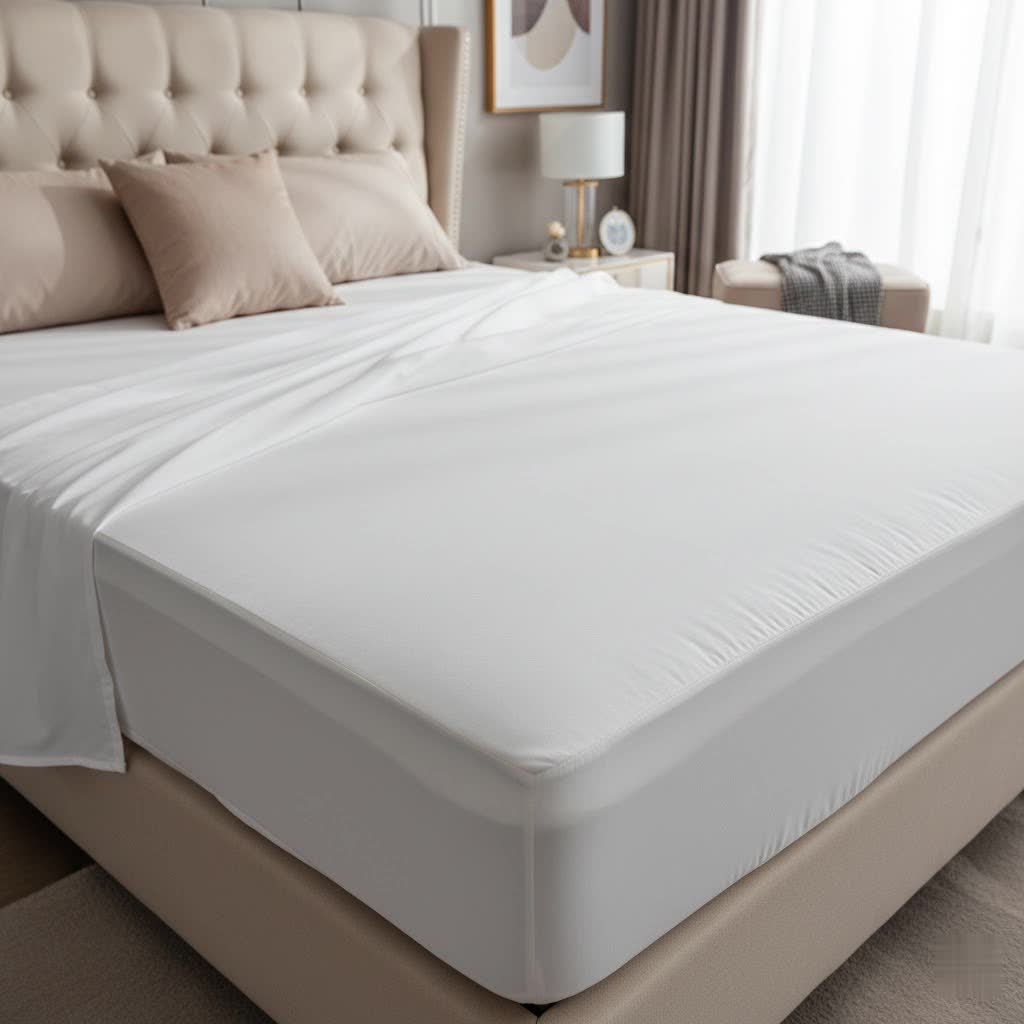
Is your twin mattress feeling a little less than dreamy? Perhaps it’s too firm, too old, or simply lacks the plush comfort you crave for a truly restful night. A twin foam mattress topper might just be the secret to transforming your sleep experience without investing in a brand-new mattress. These versatile additions can dramatically enhance comfort, provide targeted support, and even regulate temperature, making your bed the cozy sanctuary you deserve. Let’s dive deep into everything you need to know to select the perfect foam topper for your twin bed.
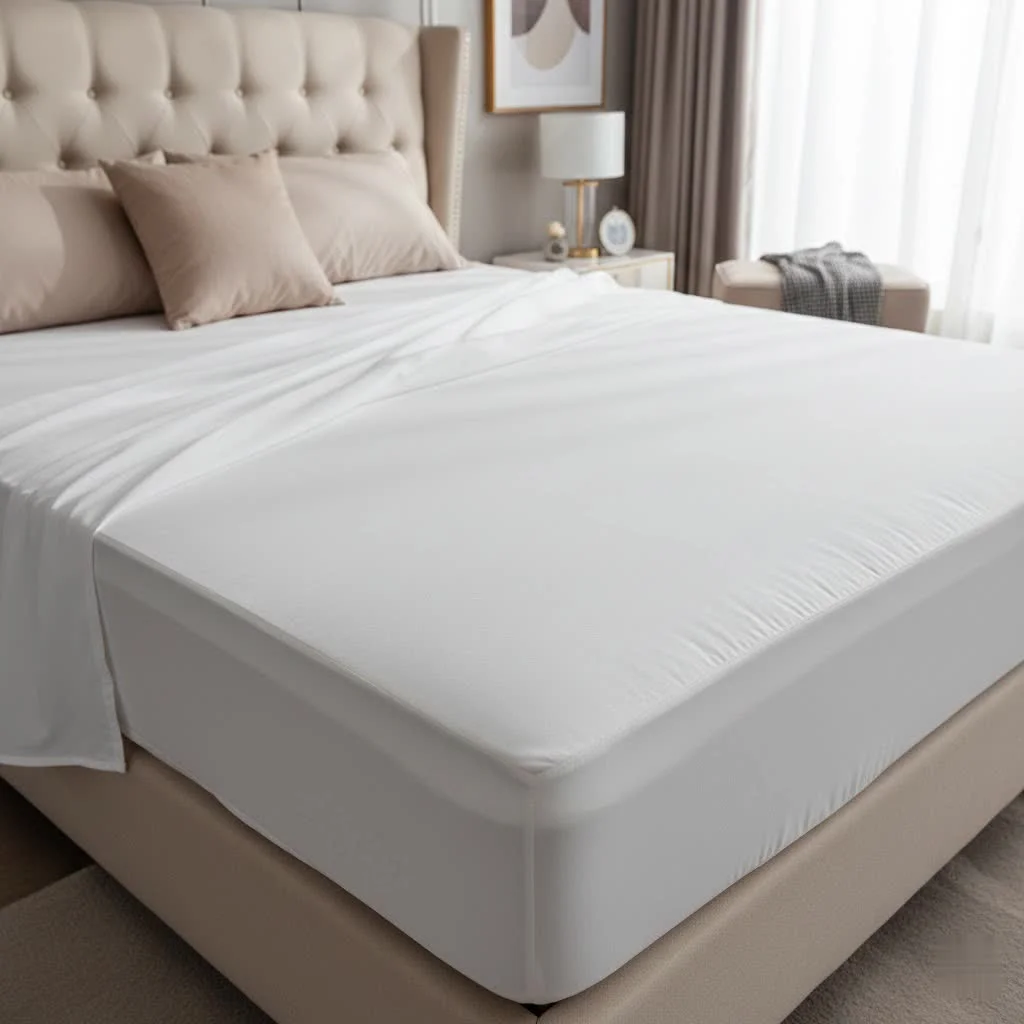
Unpacking the Twin Foam Mattress Topper: What It Is and Why You Need One
A mattress topper is an additional layer of material placed directly on top of your existing mattress, underneath your fitted sheet. For twin beds, these toppers are specifically sized to fit perfectly, typically measuring around 38 inches by 75 inches. They serve as a cost-effective solution to refresh an aging mattress, adjust the firmness of a new one, or simply add an extra layer of luxurious comfort. For mattress toppers buying guides on this site.
Why a Twin Foam Mattress Topper Can Revolutionize Your Sleep:
- Enhanced Comfort: Instantly adds softness and cushioning, cradling your body.
- Pressure Relief: Foam, especially memory foam, excels at distributing body weight evenly, alleviating pressure points in the shoulders, hips, and back.
- Improved Support: Can provide an extra layer of support, particularly beneficial if your mattress is starting to sag slightly.
- Temperature Regulation: Many modern foam toppers incorporate cooling technologies to combat the heat retention often associated with traditional foam.
- Extended Mattress Lifespan: Protects your original mattress from wear and tear, helping it last longer.
- Cost-Effective Upgrade: A more affordable alternative to replacing an entire mattress.
Popular Types of Foam Mattress Toppers
When it comes to foam, you’ll primarily encounter these variations:
- Memory Foam Toppers:
- Pros: Renowned for their body-conforming properties, offering exceptional pressure relief and a “hug-like” feel. They also excel at isolating motion, making them ideal for light sleepers.
- Cons: Traditional memory foam can sometimes trap body heat, which might be a concern for hot sleepers.
- Gel Memory Foam Toppers:
- Pros: A popular innovation, these toppers infuse gel particles or beads into memory foam to help dissipate heat, offering a cooler sleep surface while retaining the contouring benefits of memory foam.
- Cons: While cooler than traditional memory foam, they might not be as cool as other materials like latex or down alternatives.
- Polyfoam Toppers:
- Pros: Often more responsive and bouncy than memory foam, with a quicker recovery time. They are generally more affordable and can offer a good balance of comfort and support.
- Cons: Might not offer the same deep contouring or pressure relief as memory foam.
- Latex Foam Toppers (Natural/Synthetic):
- Pros: Highly durable, naturally breathable, and offers a buoyant, responsive feel. Natural latex is hypoallergenic and resistant to dust mites and mold.
- Cons: Typically more expensive than other foam types.
“A quality mattress topper acts as a personalized comfort layer, tailoring your existing bed to your unique sleep preferences and greatly enhancing overall sleep quality.”
Your Definitive Guide to Buying the Right Twin Foam Mattress Topper
Choosing the perfect twin foam mattress topper involves considering several factors to match your personal needs and preferences.
1. Identify Your Personal Needs
|
Our Picks for the Best Mattress Topper in 2026
As an Amazon Associate I earn from qualifying purchases.
|
||
| Num | Product | Action |
|---|---|---|
| 1 | LINENSPA Memory Foam Mattress Topper - 3 Inch Gel Infused Memory Foam - Plush Feel - Cooling and Pressure Relieving - CertiPUR Certified - Dorm Room Essentials - Queen Size |

|
| 2 | SINWEEK 2 Inch Gel Memory Foam Mattress Topper Ventilated Soft Pressure Relieve Mattress Pad, Breathable Bed Topper, CertiPUR-US Certified, Twin Size |
|
| 3 | EASELAND Queen Size Mattress Pad Pillow Top Mattress Cover Quilted Fitted Mattress Protector Cotton Top Stretches up 8-21" Deep Pocket Cooling Mattress Topper (60x80 inch, White) |
|
| 4 | 2 Inch Thick Mattress Topper Queen - Viscose Made from Bamboo Pillow Top Memory Foam Mattress Pad for Back Pain, Ultra Soft & Cooling for Hot Sleepers, 6-18'' Deep Pocket, Green |
|
| 5 | Dual Layer 4 Inch Memory Foam Mattress Topper King Size, 2" Cooling Gel Memory Foam & 2" Pillow Top, Mattress Pad Cover for Back Pain Relief, CertiPUR-US Certified, Deep Pocket Fits 21", White |
|
| 6 | 4 Inch Memory Foam Mattress Topper, Cooling Extra Thick 2000 GSM Pillow Top Mattress Pad for Back Pain Relief,Soft Breathable Mattress Cover for Fluffy Shredded Memory Foam Filled,(King,78“x80”) |
|
| 7 | 5 Inch Mega Support Memory Foam Queen Mattress Topper for Pressure Relief, Dual Layer 2.5" Pillow Top Mattress Topper Queen Plus 2.5" Cooling Gel Infused Memory Foam Mattress Pad |
|
| 8 | LINENSPA Memory Foam Mattress Topper - 2 Inch Gel Infused Memory Foam - Plush Feel - Cooling and Pressure Relieving - CertiPUR Certified - Dorm Room Essentials - Queen Size |
|
| 9 | 4 Inch Memory Foam Mattress Topper - Extra Thick 2000 GSM Pillow Top Mattress Topper Body-Contouring Support for Back Pain Relief,Breathable Cover with 6"-18" Deep Pocket (Queen,60"x80") |
|
| 10 | 3 Inch Ultra-Fluffy Memory Foam Mattress Topper Queen for Back Pain, Soft Comfy Pillow Top Queen Mattress Topper with 4X Support, Mattress Pad with Breathable Air Mesh Sides, 6-21'' Deep Pocket |
|
Before anything else, ask yourself: What problem am I trying to solve?
- Seeking more softness? A plush foam topper will add that cloud-like feel.
- Needing better support for back pain? Denser memory foam or a firmer polyfoam can offer crucial spinal alignment.
- Sleeping hot? Opt for gel-infused memory foam, perforated foam, or a breathable cover.
- Do you have allergies? Look for CertiPUR-US certified foam and hypoallergenic covers.
- What’s your budget? Toppers range widely in price, so setting a realistic budget is key.
2. Choose the Right Material
The material largely dictates the feel, support, and temperature regulation.
- Memory Foam: Best for deep pressure relief and motion isolation. Great for side sleepers and those with joint pain. Look for cooling features if you tend to overheat.
- Gel Memory Foam: A fantastic choice for memory foam lovers who need better temperature control.
- Polyfoam: A good all-around option for added cushioning and light support without the deep sink of memory foam. Often more budget-friendly.
- Latex Foam: If breathability, durability, and a responsive, buoyant feel are top priorities, and your budget allows, latex is an excellent, often natural, choice.
3. Select the Appropriate Thickness
Topper thickness typically ranges from 1 to 4 inches, with each offering a different impact:
- Thin (1-2 inches): Ideal for a slight comfort enhancement or to soften a mattress that’s only slightly too firm.
- Medium (2-3 inches): The most common choice, offering a good balance of cushioning and support for average-weight individuals. This is often a recommended starting point for many sleepers.
- Thick (3-4+ inches): Provides significant contouring and support, especially beneficial for heavier individuals, side sleepers needing deep pressure relief, or for dramatically altering the feel of a very firm mattress.
4. Ensure the Correct Size
A twin foam mattress topper should precisely match the dimensions of your twin mattress (typically 38″ x 75″). An ill-fitting topper can shift, bunch up, and detract from your comfort. Always double-check the topper’s dimensions against your mattress.
5. Check for Safety Certifications
Look for certifications like CertiPUR-US. This ensures the foam has been tested for harmful chemicals and heavy metals, emits low VOCs (Volatile Organic Compounds), and is made without ozone depleters. This is particularly important for foam products, ensuring they are safe for you and your family.
6. Consider Density
For foam toppers, density often correlates with durability and support. Higher density foam (e.g., 4-5 lbs/cubic foot) generally offers more support, better pressure relief, and a longer lifespan, though it can also feel firmer and may initially have a stronger “off-gassing” scent. Lower density foam (e.g., 2-3 lbs/cubic foot) is softer, less expensive, but may break down faster.
Comparing Popular Twin Foam Mattress Topper Types
Here’s a quick comparison to help you weigh your options:
| Feature | Memory Foam | Gel Memory Foam | Polyfoam | Latex Foam |
|---|---|---|---|---|
| Feel | Contouring, “hug” | Contouring, cooler | Responsive, bouncy | Buoyant, responsive |
| Pressure Relief | Excellent | Excellent | Good | Very good |
| Breathability | Low to Medium | Medium | Medium | High (natural) |
| Durability | Medium | Medium | Low to Medium | High |
| Price | Medium | Medium to High | Low to Medium | High |
| Support | Good | Good | Medium | Excellent |
| Motion Isolation | Excellent | Excellent | Good | Good |
Top Twin Foam Mattress Toppers to Consider
While specific product recommendations can vary, here are types of highly-rated twin foam toppers known for their quality and performance:
- Cooling Gel Memory Foam Toppers: Brands like Brooklyn Bedding and ViscoSoft offer gel-infused options that are highly praised for their pressure relief and ability to mitigate heat retention. They come in various thicknesses, typically 2-4 inches, to suit different needs.
- High-Density Memory Foam Toppers: For those seeking robust support and deep contouring, products from Sleep Innovations or Tempur-Pedic (available in twin size) are excellent choices, often featuring CertiPUR-US certification for peace of mind.
- Proprietary AirFoam Toppers: Some innovative brands like Nolah use unique foam formulations that aim to provide pressure relief without the “stuck” feeling of traditional memory foam, often with enhanced cooling properties.
When choosing, always look for customer reviews specific to the twin size, as well as details on trial periods and warranties.
Tips for Using and Maintaining Your Twin Foam Mattress Topper
To maximize the lifespan and benefits of your foam topper:
- Rotation is Key: Rotate your topper every 3-6 months (head to foot) to ensure even wear and prevent impressions.
- Spot Cleaning Only: Most foam toppers are not machine washable. Spot clean spills immediately with a mild detergent and allow to air dry completely.
- Use a Protective Cover: A washable, waterproof mattress protector over your topper can guard against spills, allergens, and general wear, making maintenance much easier.
- Allow for Airing Out: Upon arrival, foam toppers may have a slight “new foam” smell (off-gassing). Unroll it in a well-ventilated room for 24-72 hours before use.
- Follow Manufacturer Instructions: Always refer to the specific care instructions provided by the manufacturer to ensure proper cleaning and longevity.
Conclusion
A twin foam mattress topper is a powerful yet simple tool to upgrade your sleep. Whether you’re aiming for unparalleled plushness, superior pressure relief, better temperature regulation, or simply wish to extend the life of your existing twin mattress, there’s a foam topper designed for you. By carefully considering your personal needs, understanding the different foam types and thicknesses, and checking for important certifications, you can confidently choose a topper that transforms your twin bed into a haven of comfort and support. What kind of comfort will you bring to your twin bed tonight?
Get our weekly buyer guide
Practical specs, not advice. Unsubscribe anytime.
