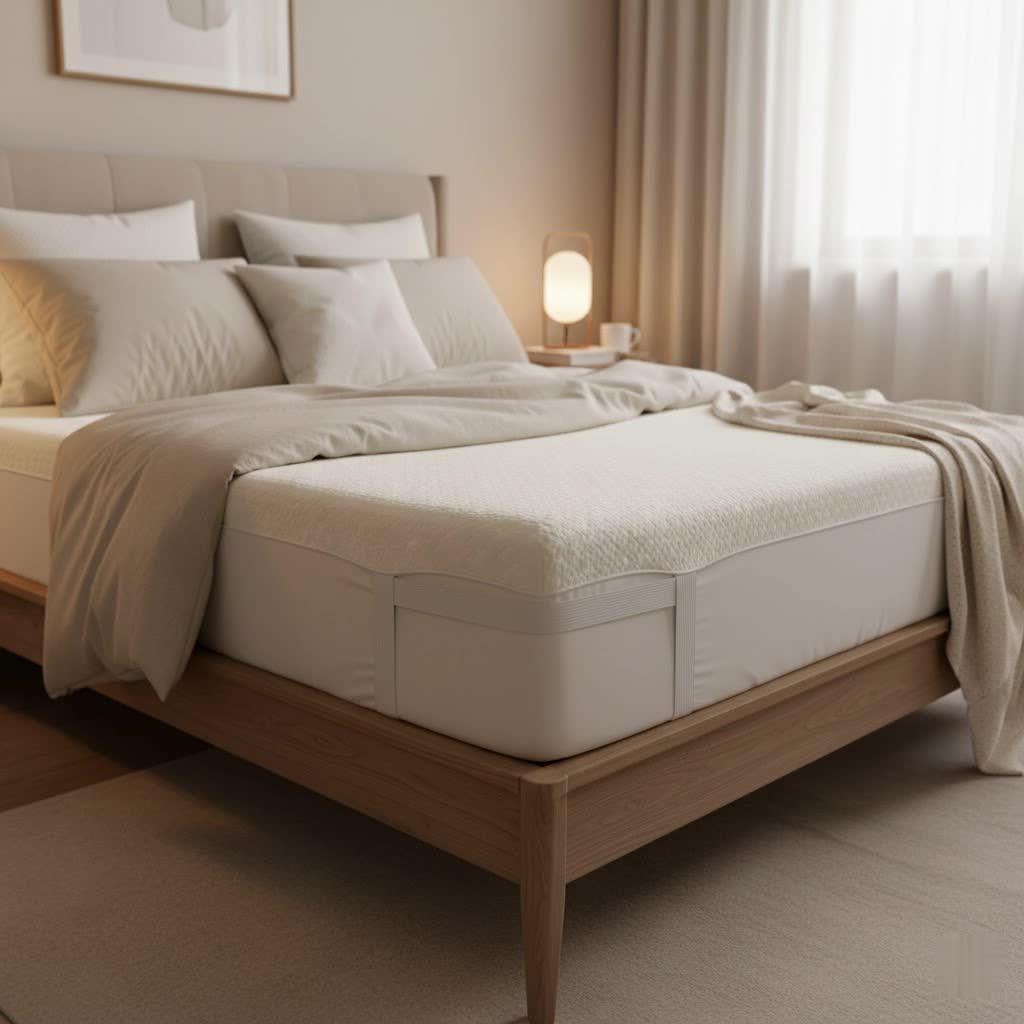
A high-quality mattress topper can significantly alleviate back pain by enhancing the comfort and support of an existing mattress, promoting better spinal alignment, and distributing body weight evenly. The right topper helps reduce pressure points that cause morning aches and stiffness, allowing muscles to relax and the spine to rest in a neutral position. Before investing in a new bed, a mattress topper offers an affordable and effective solution for improved sleep.
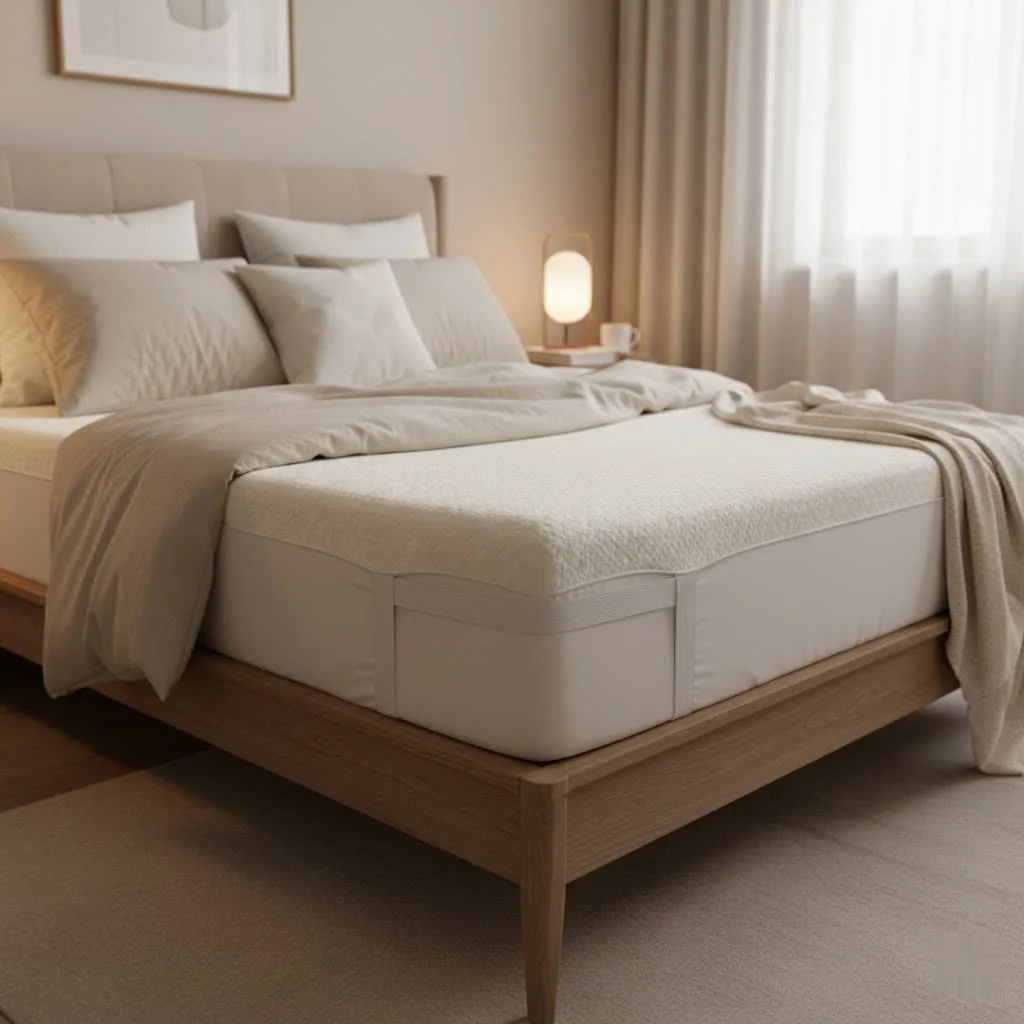
This guide, informed by extensive testing and expert insights, demystifies mattress toppers for back pain. We’ll examine various types, pinpoint crucial features, and help you navigate options to find the perfect mattress topper that aligns with your specific needs, body type, and preferred sleeping position. For expert mattress toppers reviews on this site.
Unpacking the Mattress Topper: What It Is and Why Your Back Might Need One
A mattress topper is an additional layer of material placed on top of your existing mattress. Its primary purpose is to modify the feel of your bed, whether that means adding softness, increasing firmness, or providing extra pressure relief and support. For individuals grappling with back pain, a well-chosen mattress topper can be a major upgrade. It helps by cradling the natural curves of your spine, maintaining proper alignment from your neck to your lower back, and distributing your body weight evenly. This can significantly reduce pressure points that often lead to morning aches and stiffness, allowing your muscles to relax and your spine to rest in a neutral position throughout the night.
Popular Mattress Topper Types and Their Back-Pain Benefits
The market offers a diverse range of mattress topper materials, each with unique characteristics that can impact back pain relief. Understanding these differences is key to making an informed decision.
-
Memory Foam Mattress Toppers: Renowned for their body-conforming properties, memory foam toppers excel at providing exceptional pressure relief. They contour closely to your body’s shape, distributing weight evenly and reducing stress on sensitive areas like the hips, shoulders, and lower back. This “hug-like” feel can be particularly beneficial for side and back sleepers seeking to alleviate pressure points and maintain spinal alignment. However, traditional memory foam can sometimes trap heat, so many modern options include cooling infusions like gel or graphite, or feature open-cell designs to enhance breathability.
-
Latex Mattress Toppers: Made from natural or synthetic rubber, latex toppers offer a unique blend of support and responsiveness. They are generally firmer and more buoyant than memory foam, providing a floating sensation rather than deep sinkage. Latex is naturally breathable, durable, and resistant to dust mites and allergens, making it an excellent choice for those who sleep hot or have allergies. Its inherent elasticity provides robust support for spinal alignment while still offering good pressure relief, often appealing to back and stomach sleepers who need a firmer surface. Organic latex options are also available for eco-conscious consumers.
-
Microcoil Mattress Toppers: A newer innovation, microcoil toppers often combine a layer of miniature steel coils with foam (memory foam or polyfoam). This hybrid construction delivers targeted support, enhanced airflow, and a responsive feel similar to a mini-mattress. The coils help distribute weight and promote better spinal alignment, while the foam layers provide cushioning. These toppers are particularly effective for individuals seeking significant support, improved breathability, and a more “on top” feeling rather than sinking in.
-
Down and Down Alternative Mattress Toppers: These toppers typically offer a plush, cloud-like softness, mimicking the feel of a pillow-top. While incredibly comfortable for some, they generally lack the structured support needed for significant back pain relief. Down alternative options use hypoallergenic synthetic fibers, providing a similar soft feel without the potential allergens of natural down. For those with severe back pain, these are usually not the most recommended options as they don’t offer the crucial spinal support.
-
Wool Mattress Toppers: Wool toppers are known for their natural temperature-regulating properties, keeping you warm in winter and cool in summer. They provide a gentle, soft layer but offer minimal pressure relief or firm support compared to foam or latex. Stomach sleepers who need a relatively flat, firm surface might find some benefit, but for pronounced back pain, stronger support is often required.
Your Detailed Guide to Choosing the Perfect Mattress Topper
Selecting the ideal mattress topper for back pain involves a careful assessment of several factors, ensuring the choice aligns perfectly with your body’s specific needs.
Identifying Your Personal Needs
|
Our Picks for the Best Mattress Topper in 2026
As an Amazon Associate I earn from qualifying purchases.
|
||
| Num | Product | Action |
|---|---|---|
| 1 | LINENSPA Memory Foam Mattress Topper - 2 Inch Gel Infused Memory Foam - Plush Feel - Cooling and Pressure Relieving - CertiPUR Certified - Dorm Room Essentials - Queen Size |

|
| 2 | 5 Inch Mega Support Memory Foam Queen Mattress Topper for Pressure Relief, Dual Layer 2.5" Pillow Top Mattress Topper Queen Plus 2.5" Cooling Gel Infused Memory Foam Mattress Pad |
|
| 3 | 2 Inch Thick Mattress Topper Queen - Viscose Made from Bamboo Pillow Top Memory Foam Mattress Pad for Back Pain, Ultra Soft & Cooling for Hot Sleepers, 6-18'' Deep Pocket, Green |
|
| 4 | LINENSPA Memory Foam Mattress Topper - 3 Inch Gel Infused Memory Foam - Plush Feel - Cooling and Pressure Relieving - CertiPUR Certified - Dorm Room Essentials - Queen Size |
|
| 5 | SINWEEK 2 Inch Gel Memory Foam Mattress Topper Ventilated Soft Pressure Relieve Mattress Pad, Breathable Bed Topper, CertiPUR-US Certified, Twin Size |
|
| 6 | 3 Inch Ultra-Fluffy Memory Foam Mattress Topper Queen for Back Pain, Soft Comfy Pillow Top Queen Mattress Topper with 4X Support, Mattress Pad with Breathable Air Mesh Sides, 6-21'' Deep Pocket |
|
| 7 | 4 Inch Memory Foam Mattress Topper, Cooling Extra Thick 2000 GSM Pillow Top Mattress Pad for Back Pain Relief,Soft Breathable Mattress Cover for Fluffy Shredded Memory Foam Filled,(King,78“x80”) |
|
| 8 | Dual Layer 4 Inch Memory Foam Mattress Topper King Size, 2" Cooling Gel Memory Foam & 2" Pillow Top, Mattress Pad Cover for Back Pain Relief, CertiPUR-US Certified, Deep Pocket Fits 21", White |
|
| 9 | EASELAND Queen Size Mattress Pad Pillow Top Mattress Cover Quilted Fitted Mattress Protector Cotton Top Stretches up 8-21" Deep Pocket Cooling Mattress Topper (60x80 inch, White) |
|
| 10 | 4 Inch Memory Foam Mattress Topper - Extra Thick 2000 GSM Pillow Top Mattress Topper Body-Contouring Support for Back Pain Relief,Breathable Cover with 6"-18" Deep Pocket (Queen,60"x80") |
|
Before diving into materials and brands, take a moment to consider what your current mattress is lacking and what you hope a topper will achieve.
- What kind of improvement are you seeking? Do you need more plushness to alleviate pressure, firmer support to prevent sagging, or better temperature regulation?
- Do you have allergies? If so, hypoallergenic materials like latex (if no latex allergy), down alternative, or specific memory foams with certifications will be crucial.
- What’s your budget? Toppers range widely in price, so setting a realistic budget can help narrow down your options.
Selecting the Right Material
The material of your mattress topper directly influences its performance and suitability for back pain.
- For excellent pressure relief and contouring: Memory foam, especially those infused with cooling gels or graphite, can be ideal for side and back sleepers.
- For responsive support, durability, and breathability: Latex is a superior choice, particularly for back and stomach sleepers who need consistent support and cooler sleep.
- For robust, targeted support and enhanced airflow: Microcoil toppers offer a blend of comfort and structured support that many with back pain find beneficial.
- Avoid down or thin synthetic options: These usually don’t provide sufficient spinal support for pain relief.
Choosing the Appropriate Thickness
Mattress toppers typically range from 1 to 5 inches thick. For noticeable changes in comfort and support, particularly for back pain, it’s generally recommended to choose a topper that is at least 2 inches thick. Thicker toppers (3-4 inches) offer more significant transformation, providing deeper contouring and greater pressure relief. However, consider the total height of your bed with the topper, ensuring it still fits your bed frame and that your fitted sheets have deep enough pockets.
Ensuring the Correct Size
A mattress topper should fit your mattress perfectly, edge to edge, to prevent shifting and ensure even support. Measure your mattress accurately before purchasing to ensure the topper matches its dimensions (Twin, Full, Queen, King, California King).
Checking for Safety and Certifications
Look for certifications that guarantee the product meets certain health and environmental standards.
- CertiPUR-US: For memory foam and polyfoam, this certification ensures the foam is made without harmful chemicals like ozone depleters, PBDEs, mercury, lead, and formaldehyde, and has low VOC (Volatile Organic Compound) emissions.
- Oeko-Tex Standard 100: This certification indicates that every component of the product, from the fabric to the thread, has been tested for harmful substances and is therefore harmless in human ecological terms.
- GOLS (Global Organic Latex Standard): For latex toppers, this ensures the latex is organically grown and processed.
Comparing Popular Mattress Topper Types for Back Pain
Here’s a comparison of the most common and effective mattress topper materials to help you decide:
| Feature | Memory Foam | Latex | Microcoil | Down/Down Alternative |
|---|---|---|---|---|
| Softness | High (deep contouring) | Medium (responsive bounce) | Medium-High (blends cushion & support) | Very High (plush, cloud-like) |
| Breathability | Low (often improved with infusions/open-cells) | High (natural airflow) | High (coils promote air circulation) | Medium (natural insulators) |
| Durability | Medium | High (resilient and long-lasting) | High | Low-Medium (can flatten over time) |
| Price | Medium | High | High | Medium |
| Spinal Support | Good (conforms to natural curves) | Excellent (maintains alignment, responsive) | Excellent (targeted support, even weight dist.) | Poor (lacks structured support) |
| Pressure Relief | Excellent (eliminates pressure points) | Excellent (buoyant support, less sinkage) | Good (cushions with underlying support) | Good (for surface softness, not deep relief) |
Top Mattress Toppers Recommended for Back Pain
Based on expert evaluations and user feedback, several mattress toppers consistently stand out for their ability to provide relief for a bad back:
- Saatva Graphite Memory Foam Topper: Frequently hailed as a top contender, this 3-inch graphite-infused memory foam topper offers a perfect balance of dense support and luxurious pressure relief. The graphite helps dissipate heat, ensuring a cooler sleep experience, while the memory foam cradles your body to alleviate aches. It’s often praised for its high-quality construction and ability to make a soft mattress feel firmer without compromising comfort.
- Nolah Mattress Topper: Available in varying firmness levels, the Nolah topper (particularly the Luxury Firm model) uses proprietary AirFoam™ to provide dense support that lifts the spine. It’s lauded for its excellent pressure relief and edge support, making it easier to change positions, which is crucial for those with back pain.
- Bear Pro Topper: This hybrid cooling topper combines graphite memory foam with perforated foam, offering a cushy yet supportive feel. It’s particularly noted for its ability to relieve both back and hip pain while providing good motion isolation for undisturbed sleep.
- ViscoSoft Active Cooling Copper Topper: A substantial 4-inch memory foam topper infused with copper, this option provides robust support and pressure relief. Copper infusions also contribute to a fresher, crisper sleep surface and can help with cooling, making it a great memory foam choice for hot sleepers with back pain.
- Avocado Eco Organic Latex Topper: For those seeking an organic and highly responsive option, Avocado’s latex topper offers superior pressure relief and buoyant support. Made from GOLS-certified organic latex, it’s breathable, durable, and provides a gentle yet firm feel that keeps the spine aligned.
- Helix Premium Topper with GlacioTex: Featuring a unique construction of memory foam and microcoils, this topper delivers both plush comfort and targeted spinal support. The GlacioTex cover provides an immediate cooling sensation, and the coil layer enhances airflow and durability, making it an excellent choice for various body types and sleeping postures.
- Layla Memory Foam Topper: This copper-infused memory foam topper is celebrated for its truly firm feel, providing substantial structure and support for softer mattresses. It aids in spinal alignment and makes it easier to move in and out of bed, a significant benefit for individuals with mobility challenges due to back pain.
“A topper can significantly improve contouring and provide pressure relief, guiding the spine into a more natural alignment while you sleep.” – Dr. Ari Hoschander, Board-Certified Plastic Surgeon
Practical Tips for Using and Maintaining Your Mattress Topper
To maximize the benefits of your mattress topper and extend its lifespan, proper usage and maintenance are essential.
- Regular Cleaning: Most mattress toppers are spot-clean only. If your topper comes with a removable, washable cover, that’s a huge plus. Always follow the manufacturer’s cleaning instructions to avoid damage.
- Prevent Shifting: Many high-quality toppers come with elastic straps at the corners to secure them to your mattress. If yours doesn’t, consider using a fitted sheet that encompasses both your mattress and the topper, or invest in non-slip mattress pads.
- Know When to Replace: A mattress topper is an excellent temporary fix, but it’s not a miracle cure for a severely old, sagging mattress. If your mattress has deep indentations or has reached the end of its lifespan (typically 7-10 years), a topper may not be enough to provide adequate support, and a new mattress might be necessary.
- Pair with a Supportive Pillow: For comprehensive back pain relief, consider pairing your new mattress topper with a pillow designed to support your head and neck in alignment with your spine. This holistic approach can significantly improve overall sleep posture.
Mattress Topper Buying Guide: Key Factors to Consider
When making your final decision, keep these crucial elements in mind:
- Material: Memory foam, latex, and microcoil toppers are generally best for back pain due to their pressure relief and support capabilities.
- Density & Firmness: A medium to medium-firm feel is often ideal for maintaining proper spinal alignment. However, your preferred sleeping position will influence this; side sleepers may prefer slightly softer, while back and stomach sleepers generally need firmer support.
- Thickness: Opt for at least 2 inches to ensure a noticeable difference. Thicker options (3-5 inches) provide more profound changes in feel and support.
- Pressure Relief & Contouring: Look for toppers that cushion your body’s pressure points (hips, shoulders, lower back) while still supporting your spine in a neutral position.
- Cooling Properties: If you tend to sleep hot, seek out toppers with cooling features such as gel or graphite infusions, open-cell foams, or naturally breathable materials like latex and microcoils.
- Motion Isolation: For those who share a bed, memory foam and some microcoil toppers excel at absorbing movement, ensuring your partner’s shifts don’t disturb your sleep.
- Certifications: Verify reputable certifications like CertiPUR-US or Oeko-Tex to ensure product safety and quality.
- Sleep Position Compatibility:
- Back Sleepers: Generally benefit from a medium-firm topper that supports the natural curve of the lower spine without allowing hips to sink too much.
- Side Sleepers: Need a medium to soft topper that cushions hips and shoulders to reduce pressure points and keep the spine level.
- Stomach Sleepers: Typically require a firmer surface to prevent the spine from sinking out of alignment, which can exacerbate lower back pain.
Conclusion
Finding the best mattress topper for a bad back doesn’t have to be a painful process. By understanding your specific needs, exploring the benefits of different materials, and considering factors like thickness, firmness, and cooling properties, you can select a topper that provides the ideal blend of support and comfort. An effective mattress topper can be a cost-efficient investment, revitalizing your sleep environment and helping you achieve the restorative, pain-free sleep you deserve. Don’t let back pain dictate your nights any longer—take the step to improve your mattress and embrace mornings free from discomfort.
What difference do you hope a new mattress topper will make in your daily life?
Frequently Asked Questions
Do Mattress Toppers Really Help With Back Pain?
Yes, mattress toppers can significantly help with back pain, especially if your current mattress is either too soft or too firm. They can improve contouring and provide pressure relief, allowing your spine to settle into a more natural alignment while you sleep. However, they cannot fix a severely sagging or worn-out mattress.
What Thickness of Mattress Topper Is Best For Back Pain?
For a noticeable improvement in back pain, a mattress topper should typically be at least 2 inches thick. Toppers ranging from 3 to 5 inches often provide the most significant change in feel and support, offering deeper contouring and greater pressure relief.
Is a Soft or Firm Mattress Topper Better For Back Pain?
The ideal firmness depends on your current mattress and preferred sleeping position. If your mattress is too soft, a firmer topper can provide needed support. If it’s too firm, a softer, pressure-relrelieving topper might be better. Generally, aiming for an overall medium-firm sleep surface is recommended for optimal spinal alignment.
Can a Topper Fix a Sagging Mattress?
No, a mattress topper is not designed to fix a sagging mattress. While it can add a layer of comfort and temporary support, it cannot correct structural issues or deep indentations in an old or worn-out mattress. In such cases, replacing the mattress is usually the best long-term solution.
What Type of Topper Is Best For Lower Back Pain?
For lower back pain, a medium-firm topper made of memory foam or latex is often recommended. Memory foam provides excellent contouring to the lumbar region, while latex offers responsive support to keep the spine properly aligned without excessive sinkage. These materials help relieve pressure points and support the natural curve of the lower spine.
Frequently Asked Questions
Do mattress toppers really help with back pain?
Yes, mattress toppers can significantly help with back pain by improving contouring and providing pressure relief, especially if your current mattress is too soft or too firm. They allow your spine to settle into a more natural alignment, but cannot fix a severely sagging mattress.
What thickness of mattress topper is best for back pain?
For noticeable improvement in back pain, a mattress topper should be at least 2 inches thick. Toppers ranging from 3 to 5 inches often provide the most significant change in feel and support, offering deeper contouring and greater pressure relief for optimal comfort.
Is a soft or firm mattress topper better for back pain?
The ideal firmness depends on your current mattress and sleeping position. If your mattress is too soft, a firmer topper provides needed support. If it's too firm, a softer, pressure-relieving topper might be better. Generally, a medium-firm sleep surface is recommended for optimal spinal alignment.
Can a mattress topper fix a sagging mattress?
No, a mattress topper is not designed to fix a sagging mattress. While it adds a layer of comfort and temporary support, it cannot correct structural issues or deep indentations in an old mattress. Replacing the mattress is usually the best long-term solution for severe sagging.
What type of topper is best for lower back pain?
For lower back pain, a medium-firm topper made of memory foam or latex is often recommended. Memory foam provides excellent contouring to the lumbar region, while latex offers responsive support to keep the spine properly aligned without excessive sinkage. These materials help relieve pressure points effectively.
Choosing the Perfect Mattress Topper for Back Pain
Selecting the ideal mattress topper for back pain involves assessing your personal needs, choosing the right material, and considering thickness and certifications to ensure optimal support and comfort.
Consider what your current mattress lacks and what you hope a topper will achieve, such as more plushness, firmer support, or better temperature regulation. Also, determine if you have allergies and set a realistic budget to narrow down options.
Choose memory foam for excellent pressure relief and contouring, latex for responsive support and durability, or microcoil for robust, targeted support and enhanced airflow. Avoid down or thin synthetic options as they typically lack sufficient spinal support for pain relief.
Opt for a mattress topper that is at least 2 inches thick for noticeable changes in comfort and support, especially for back pain. Thicker toppers (3-4 inches) offer more significant transformation with deeper contouring and greater pressure relief. Ensure the total bed height remains manageable.
Measure your mattress accurately to ensure the topper fits perfectly, edge to edge, matching its dimensions (Twin, Full, Queen, King, California King). A correct fit prevents shifting and ensures even support across the entire sleeping surface.
Look for certifications like CertiPUR-US for foam, Oeko-Tex Standard 100 for textiles, or GOLS for organic latex. These certifications guarantee the product meets health and environmental standards, ensuring it is made without harmful chemicals and is safe for human ecological terms.
Get our weekly buyer guide
Practical specs, not advice. Unsubscribe anytime.

I’ve been dealing with chronic stiffness in my neck and upper back for years, and I thought I’d tried everything. The guide’s emphasis on even weight distribution really resonated with me. I chose a gel-infused memory foam topper, and it’s incredible how much it’s reduced my morning aches. Best sleep I’ve had in ages!
I got the latex topper hoping for better support for my mid-back, and while it’s definitely comfortable, it sleeps a little warmer than I expected. It’s not terrible, but I do notice it on hotter nights. It has helped with the pressure points, though, so it’s not a total loss.
My partner and I both have different back issues, and finding something that worked for both of us was tough. We tried one of the hybrid toppers that combined foam and coils, and it’s been a good compromise. It offers a nice balance of softness and firm support, which has really helped with our spinal alignment.
I was really skeptical that a topper could make such a difference, but wow! My old mattress was causing so much lower back pain, and I wasn’t ready to buy a whole new bed. I went with one of the memory foam options mentioned, and it’s been a game-changer. I wake up feeling so much more rested and without that nagging ache.