Are you dreaming of sinking into a cloud-like sleep experience every night, but your king size mattress just isn’t delivering? A king size mattress pillow topper might be the luxurious solution you’re searching for. It’s an often-overlooked secret to transforming your sleep, adding an instant layer of plush comfort and support without replacing your entire mattress. This comprehensive guide will help you navigate the world of pillow toppers, ensuring you choose the perfect one to match your needs, budget, and desire for unparalleled slumber.
Understanding the King Size Mattress Pillow Topper
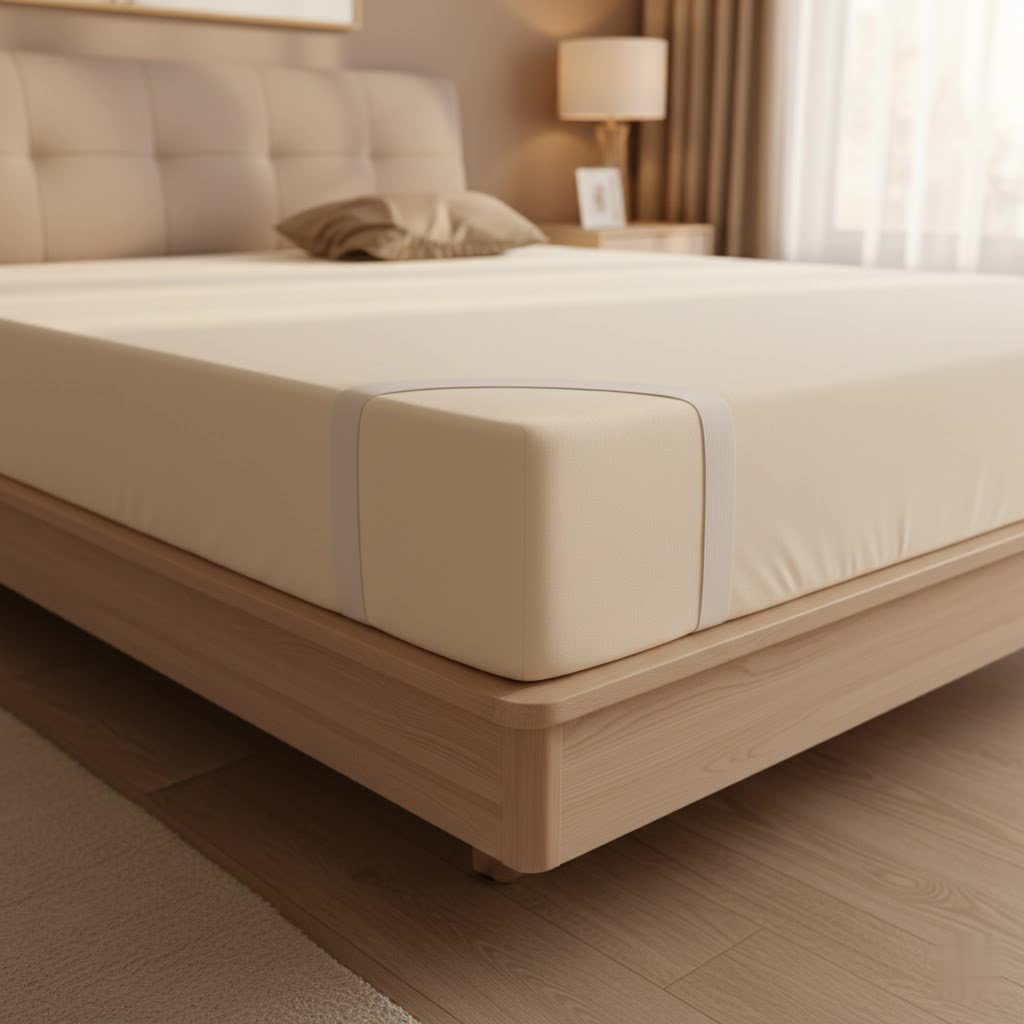
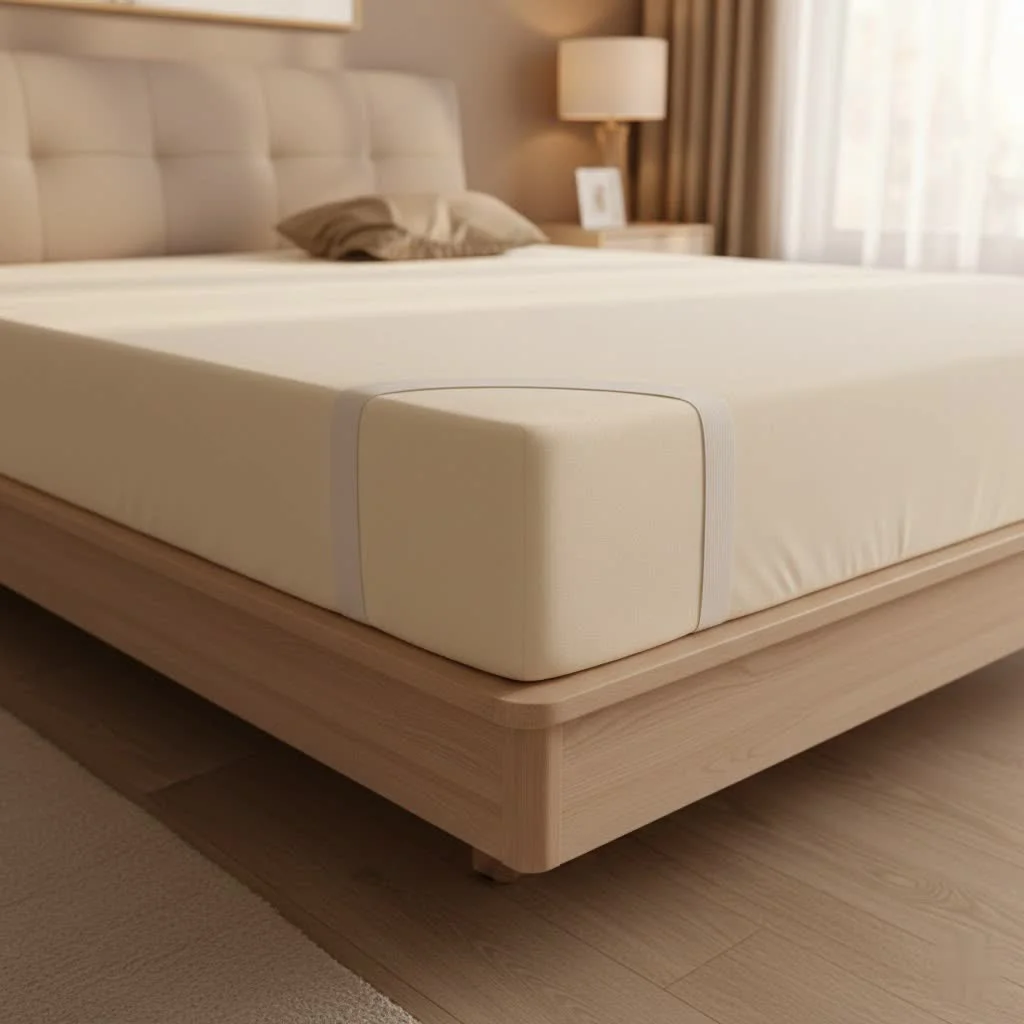
A mattress pillow topper is essentially a removable layer of material that sits directly on top of your existing mattress, typically secured with straps or a fitted skirt. Unlike a mattress pad, which is usually thinner and primarily offers protection, a pillow topper is designed to significantly alter the feel and comfort level of your bed, providing a more substantial cushioning layer. For a king size bed, this means a generous expanse of added softness and pressure relief across a large sleeping surface. For shop curated mattress toppers on this site.
Why You Might Need a Mattress Pillow Topper
Many sleepers turn to pillow toppers for various reasons:
- Enhanced Comfort: If your mattress feels too firm or has lost some of its initial plushness, a topper can revive it with an extra layer of softness.
- Pressure Relief: Toppers, especially those made from memory foam or latex, can contour to your body, alleviating pressure points in the shoulders, hips, and back.
- Temperature Regulation: Certain materials, like wool or gel-infused foams, can help regulate sleep temperature, keeping you cooler in summer and warmer in winter.
- Mattress Protection: While not their primary function, toppers do add an extra barrier against spills, stains, and wear, potentially extending the life of your mattress.
- Cost-Effective Upgrade: It’s a far more economical solution than purchasing a brand-new mattress to improve sleep quality.
Common Types of Mattress Pillow Toppers and Their Characteristics
The market offers a diverse range of materials, each with unique properties:
-
Memory Foam:
- Pros: Excellent pressure relief, conforms closely to the body, isolates motion well.
- Cons: Can sometimes trap heat (though many now feature cooling gels or open-cell designs), may have a slight initial off-gassing smell.
- Ideal for: Side sleepers, those with joint pain, couples who don’t want to disturb each other.
-
Latex:
- Pros: Highly durable, responsive (bounces back quickly), naturally hypoallergenic and resistant to dust mites, good airflow for temperature neutrality.
- Cons: Can be more expensive, heavier.
- Ideal for: Those seeking responsive comfort and support, allergy sufferers, eco-conscious buyers.
-
Down/Feather:
- Pros: Extremely soft, plush, and luxurious feel, very breathable.
- Cons: Requires frequent fluffing to maintain loft, feathers can sometimes poke through, offers minimal support, not suitable for allergy sufferers.
- Ideal for: Those who prioritize extreme softness and a traditional “pillow-top” feel.
-
Synthetic/Fiberfill:
- Pros: Inexpensive, lightweight, often hypoallergenic, easy to clean.
- Cons: Tends to flatten over time, offers less support and durability compared to foam or latex.
- Ideal for: Budget-conscious buyers, guest rooms, those seeking temporary softness.
-
Wool:
- Pros: Excellent temperature regulation (cool in summer, warm in winter), naturally hypoallergenic and moisture-wicking, provides a soft, breathable layer.
- Cons: Can be more expensive, less supportive than foam or latex.
- Ideal for: Those seeking natural materials and superior temperature control.
Your Comprehensive Buying Guide for the Perfect King Size Mattress Pillow Topper
Choosing the right pillow topper involves a few key considerations to ensure it perfectly complements your king size mattress and your individual sleep preferences.
1. Identify Your Personal Needs
|
Our Picks for the Best Mattress Topper in 2026
As an Amazon Associate I earn from qualifying purchases.
|
||
| Num | Product | Action |
|---|---|---|
| 1 | 2 Inch Thick Mattress Topper Queen - Viscose Made from Bamboo Pillow Top Memory Foam Mattress Pad for Back Pain, Ultra Soft & Cooling for Hot Sleepers, 6-18'' Deep Pocket, Green |

|
| 2 | Dual Layer 4 Inch Memory Foam Mattress Topper King Size, 2" Cooling Gel Memory Foam & 2" Pillow Top, Mattress Pad Cover for Back Pain Relief, CertiPUR-US Certified, Deep Pocket Fits 21", White |
|
| 3 | EASELAND Queen Size Mattress Pad Pillow Top Mattress Cover Quilted Fitted Mattress Protector Cotton Top Stretches up 8-21" Deep Pocket Cooling Mattress Topper (60x80 inch, White) |
|
| 4 | 3 Inch Ultra-Fluffy Memory Foam Mattress Topper Queen for Back Pain, Soft Comfy Pillow Top Queen Mattress Topper with 4X Support, Mattress Pad with Breathable Air Mesh Sides, 6-21'' Deep Pocket |
|
| 5 | 4 Inch Memory Foam Mattress Topper - Extra Thick 2000 GSM Pillow Top Mattress Topper Body-Contouring Support for Back Pain Relief,Breathable Cover with 6"-18" Deep Pocket (Queen,60"x80") |
|
| 6 | 5 Inch Mega Support Memory Foam Queen Mattress Topper for Pressure Relief, Dual Layer 2.5" Pillow Top Mattress Topper Queen Plus 2.5" Cooling Gel Infused Memory Foam Mattress Pad |
|
| 7 | 4 Inch Memory Foam Mattress Topper, Cooling Extra Thick 2000 GSM Pillow Top Mattress Pad for Back Pain Relief,Soft Breathable Mattress Cover for Fluffy Shredded Memory Foam Filled,(King,78“x80”) |
|
| 8 | SINWEEK 2 Inch Gel Memory Foam Mattress Topper Ventilated Soft Pressure Relieve Mattress Pad, Breathable Bed Topper, CertiPUR-US Certified, Twin Size |
|
| 9 | LINENSPA Memory Foam Mattress Topper - 2 Inch Gel Infused Memory Foam - Plush Feel - Cooling and Pressure Relieving - CertiPUR Certified - Dorm Room Essentials - Queen Size |
|
| 10 | LINENSPA Memory Foam Mattress Topper - 3 Inch Gel Infused Memory Foam - Plush Feel - Cooling and Pressure Relieving - CertiPUR Certified - Dorm Room Essentials - Queen Size |
|
Before diving into materials, clarify what you want the topper to achieve:
- Comfort vs. Support: Are you looking for a soft, plush feel to sink into, or do you need additional firm support for spinal alignment?
- Temperature Regulation: Do you tend to sleep hot, or are you generally comfortable? Some materials excel at cooling while others retain warmth.
- Allergies: Do you have sensitivities to certain materials like down or latex? Look for hypoallergenic options.
- Budget: Toppers range widely in price. Establishing a budget early will help narrow down your choices.
2. Select the Right Material
Based on your needs, choose a material that aligns with your desired sleep experience:
- For ultimate pressure relief and body contouring: Memory foam. Look for gel-infused or open-cell varieties if heat is a concern.
- For durable, responsive support and natural properties: Latex. It offers a unique buoyant feel.
- For a truly cloud-like, soft experience with breathability: Down or feather. Be prepared for regular fluffing.
- For a budget-friendly option with easy care: Synthetic/fiberfill. Best for adding light softness.
- For natural temperature control and breathability: Wool. A great all-season choice.
3. Determine the Ideal Thickness
Pillow toppers typically range from 2 to 10 centimeters (approximately 1 to 4 inches) in thickness.
- Thin Toppers (2-5cm / 1-2 inches): Best for a subtle change in feel, adding a touch of plushness without significantly altering the mattress’s underlying support. Ideal if your mattress is only slightly too firm.
- Thicker Toppers (5-10cm / 2-4 inches): Offers a more dramatic transformation, providing substantial pressure relief and creating a noticeably softer sleep surface. Excellent for significantly firm mattresses or for those seeking profound cushioning.
4. Ensure the Correct King Size Fit
A king size mattress pillow topper should perfectly match the dimensions of your king size mattress (typically 76 inches wide by 80 inches long in the US). A topper that is too small will leave uncomfortable gaps, while one that is too large will hang over the edges, looking untidy and potentially shifting during sleep. Check product dimensions carefully. Many toppers come with elastic straps or a fitted skirt to keep them securely in place.
5. Check for Safety and Certification
For your peace of mind and health, look for certifications:
- CertiPUR-US: For memory foam and polyurethane foam, this certification ensures the foam is made without harmful chemicals like ozone depleters, PBDEs, mercury, lead, and formaldehyde.
- Oeko-Tex Standard 100: This certification guarantees that textiles and fabrics are tested for harmful substances and are safe for human ecological standards.
- Global Organic Latex Standard (GOLS): For organic latex products, ensuring ethical and sustainable production.
Comparing Popular Mattress Pillow Topper Types
Here’s a detailed comparison to help you weigh the pros and cons of the most common king size mattress pillow topper materials:
| Feature | Memory Foam | Latex | Down/Feather | Synthetic/Fiberfill | Wool |
|---|---|---|---|---|---|
| Softness | High | Medium-High | Very High | Medium | High |
| Support | Good | Excellent | Low | Low | Medium |
| Breathability | Low-Medium (can be hot) | High | High | Medium | High (excellent) |
| Durability | Medium-High | Excellent | Medium | Low | High |
| Price | Medium | High | Medium-High | Low | High |
| Motion Isolation | Excellent | Good | Low | Low | Medium |
| Hypoallergenic | Can be | Naturally | No (allergy risk) | Often | Naturally |
| Noise | Silent | Silent | Can rustle | Silent | Silent |
| Maintenance | Low | Low | High (fluffing) | Low | Medium |
Top Considerations When Buying a King Size Mattress Pillow Topper
Beyond material, thickness, and size, several other factors can influence your satisfaction:
- Firmness Level: Toppers are available in various firmness levels. A plush topper will soften a firm mattress, while a firmer topper can add support to a sagging mattress.
- Cover Material: Look for a breathable, removable, and washable cover (e.g., cotton, Tencel) for hygiene and comfort.
- Attachment Method: Straps, elastic skirts, or non-slip backing help keep the topper from shifting on your king size mattress.
- Trial Period & Warranty: Many reputable brands offer sleep trial periods and warranties, allowing you to test the topper and ensuring protection against defects.
- Ease of Cleaning: Consider if the topper itself or its cover is machine washable or requires spot cleaning.
“A great pillow topper can genuinely feel like you’ve bought a brand new, more luxurious mattress. It’s an investment in your sleep quality that often pays dividends every single morning.”
Tips for Using and Maintaining Your Mattress Pillow Topper
Proper care ensures your king size mattress pillow topper provides comfort for years to come:
- Rotate Regularly: To promote even wear and maintain loft, rotate your topper 180 degrees every 3-6 months.
- Fluff Frequently (for down/feather/fiberfill): Gently shake and fluff these types of toppers daily or weekly to redistribute filling and restore loft.
- Follow Cleaning Instructions: Always adhere to the manufacturer’s specific cleaning guidelines. Many foam and latex toppers cannot be machine washed; they often require spot cleaning with a mild detergent and air drying. Removable covers are usually machine washable.
- Use a Mattress Protector: Placing a waterproof mattress protector over your topper (and mattress) adds an extra layer of defense against spills and allergens.
- Allow to Air Out: If your foam topper has an initial “new product” smell (off-gassing), unroll it in a well-ventilated room for 24-48 hours before placing it on your bed.
- Address Allergies: If you have allergies, opt for hypoallergenic materials like latex, wool, or synthetic fiberfill. Regular cleaning of the topper’s cover and using a hypoallergenic mattress protector are also crucial.
Conclusion
Choosing the ideal king size mattress pillow topper is a thoughtful decision that can profoundly impact your sleep quality and overall well-being. By understanding your specific needs, exploring the diverse range of materials, and considering factors like thickness, certifications, and maintenance, you can find a topper that transforms your existing mattress into a haven of comfort. Whether you seek plush softness, robust support, or superior temperature regulation, a well-chosen pillow topper is an effective, economical way to upgrade your sleep experience. So, are you ready to embrace the ultimate in king size comfort?
Frequently Asked Questions
What is the primary difference between a mattress topper and a mattress pad?
A mattress pad is typically a thin, quilted layer designed mainly for mattress protection and a slight enhancement of comfort. A mattress topper, especially a pillow topper, is thicker and designed to significantly alter the feel, support, and pressure relief of your mattress.
Can a king size mattress pillow topper fix a sagging mattress?
While a pillow topper can add a layer of comfort and somewhat mask minor sags, it cannot fully “fix” a significantly sagging or unsupportive mattress. A topper works best on a mattress that is still in good structural condition but simply needs an adjustment in firmness or softness.
How long does a king size mattress pillow topper typically last?
The lifespan of a mattress pillow topper varies greatly by material and quality. High-quality latex toppers can last 5-10 years, memory foam 3-7 years, while down/feather and synthetic fiberfill toppers may need replacing every 1-3 years as they lose loft and support.
Are pillow toppers good for back pain?
Yes, certain pillow toppers can be beneficial for back pain. Memory foam and latex toppers, in particular, excel at contouring to the body, aligning the spine, and relieving pressure points, which can significantly reduce back discomfort. It’s crucial to choose a topper with the right balance of softness and support for your specific needs.
Get our weekly buyer guide
Practical specs, not advice. Unsubscribe anytime.
