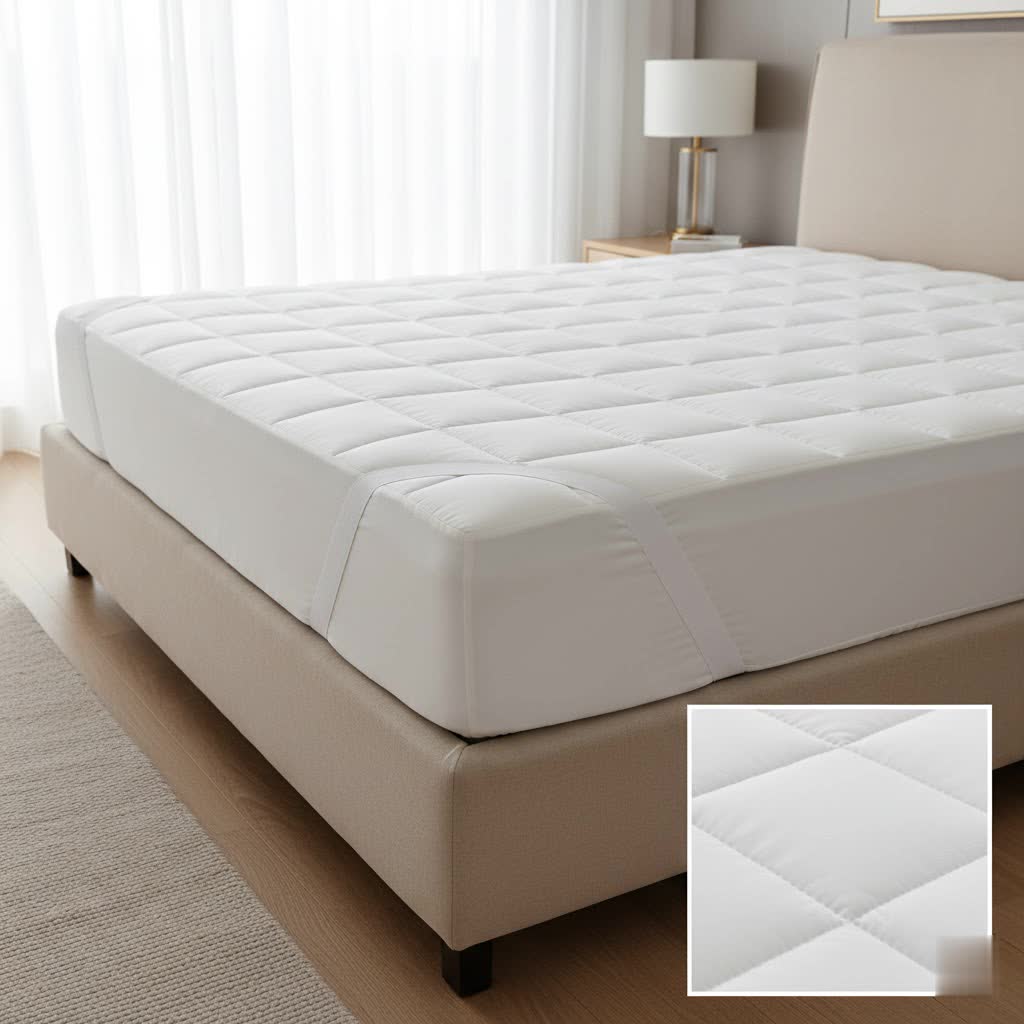
Many of us know the struggle: you settle into bed after a long day, only to be met with a sleeping surface that feels more like a board than a sanctuary. A mattress that’s too firm can disrupt your sleep, create pressure points, and leave you tossing, turning, and waking up stiff. If your firm mattress is compromising your nightly rest, a well-chosen mattress topper can be the game-changer you need. This comprehensive guide will walk you through everything, from understanding what a mattress topper does to selecting the ideal one to transform your firm bed into a haven of comfort.
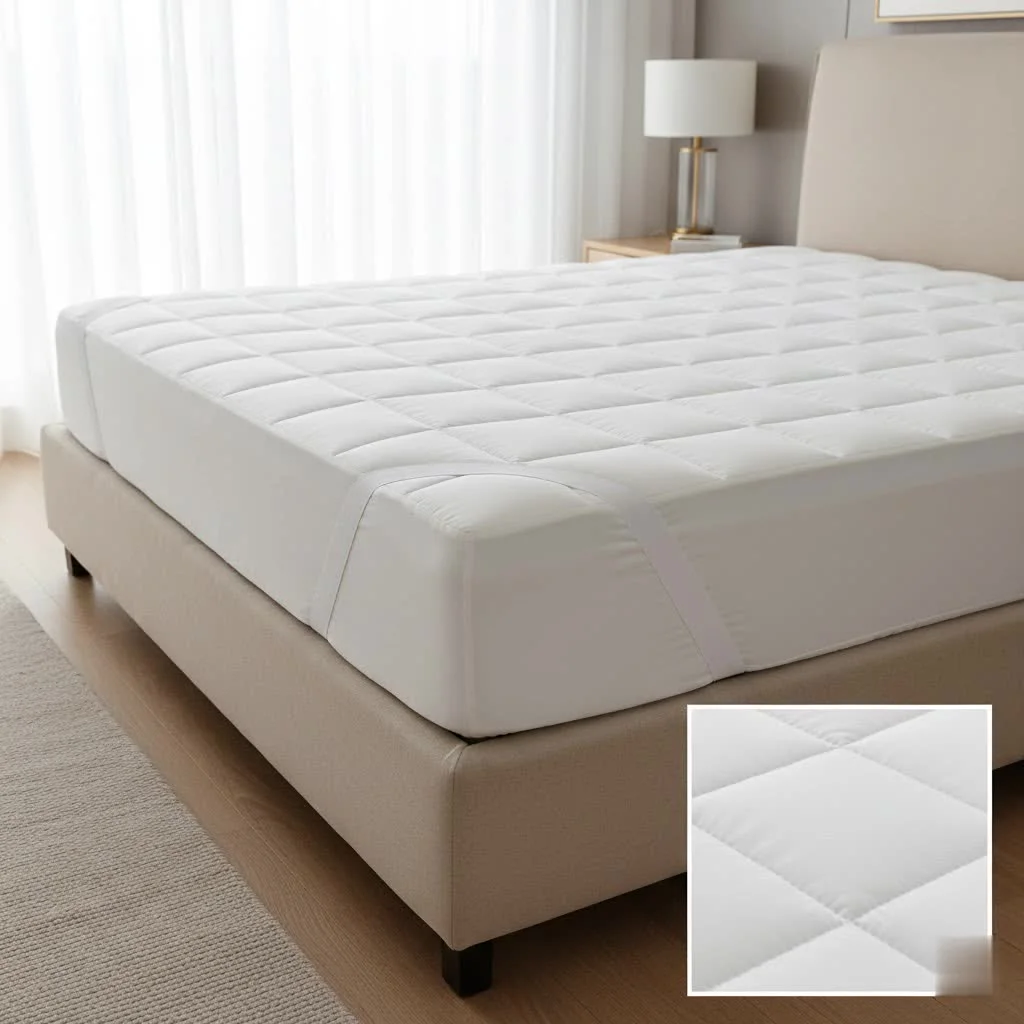
Understanding Mattress Toppers for Firm Beds
A mattress topper is an additional layer of material placed directly on top of your existing mattress. Its primary role is to modify the feel of your bed, providing extra cushioning, support, or even temperature regulation. For those with a mattress that’s too firm, a topper can be an incredibly effective and budget-friendly solution, saving you the expense of replacing your entire mattress. For see our mattress toppers recommendations on this site.
Why might your firm mattress need a topper? Overly firm surfaces can fail to cradle your body’s natural curves, leading to uncomfortable pressure points, especially at the hips, shoulders, and lower back. This lack of contouring can result in poor spinal alignment, causing aches, stiffness, and fragmented sleep. A plush mattress topper can introduce that much-needed layer of softness, allowing your body to sink in just enough for proper alignment and pressure relief.
While the main goal for a firm mattress is usually to soften it, it’s also worth noting that some toppers are designed to add firmness or support. If your previously firm mattress has started to sag or has become unsupportive over time, a high-density or firmer topper can help restore its structural integrity and extend its lifespan.
Common types of mattress toppers that can benefit a firm mattress include memory foam, latex, down and feather, wool, and synthetic fibers. Each material offers a unique feel and set of advantages, catering to different sleep preferences and needs.
Key Considerations When Choosing a Mattress Topper for a Firm Mattress
Selecting the perfect mattress topper to counteract an overly firm mattress requires careful thought. It’s about finding the right balance between cushioning and support to meet your unique sleep requirements.
Identify Your Specific Needs
Before diving into materials, consider what you want your topper to achieve:
- Softening: Do you want a noticeably softer feel to your bed?
- Pressure Relief: Are you experiencing pain in your hips, shoulders, or back due to inadequate cushioning?
- Temperature Regulation: Do you tend to sleep hot, and need a topper that won’t exacerbate this?
- Allergy Concerns: Do you require hypoallergenic materials?
Material Matters
|
Our Picks for the Best Mattress Topper in 2026
As an Amazon Associate I earn from qualifying purchases.
|
||
| Num | Product | Action |
|---|---|---|
| 1 | 4 Inch Memory Foam Mattress Topper, Cooling Extra Thick 2000 GSM Pillow Top Mattress Pad for Back Pain Relief,Soft Breathable Mattress Cover for Fluffy Shredded Memory Foam Filled,(King,78“x80”) |

|
| 2 | LINENSPA Memory Foam Mattress Topper - 2 Inch Gel Infused Memory Foam - Plush Feel - Cooling and Pressure Relieving - CertiPUR Certified - Dorm Room Essentials - Queen Size |
|
| 3 | EASELAND Queen Size Mattress Pad Pillow Top Mattress Cover Quilted Fitted Mattress Protector Cotton Top Stretches up 8-21" Deep Pocket Cooling Mattress Topper (60x80 inch, White) |
|
| 4 | 2 Inch Thick Mattress Topper Queen - Viscose Made from Bamboo Pillow Top Memory Foam Mattress Pad for Back Pain, Ultra Soft & Cooling for Hot Sleepers, 6-18'' Deep Pocket, Green |
|
| 5 | 5 Inch Mega Support Memory Foam Queen Mattress Topper for Pressure Relief, Dual Layer 2.5" Pillow Top Mattress Topper Queen Plus 2.5" Cooling Gel Infused Memory Foam Mattress Pad |
|
| 6 | 3 Inch Ultra-Fluffy Memory Foam Mattress Topper Queen for Back Pain, Soft Comfy Pillow Top Queen Mattress Topper with 4X Support, Mattress Pad with Breathable Air Mesh Sides, 6-21'' Deep Pocket |
|
| 7 | Dual Layer 4 Inch Memory Foam Mattress Topper King Size, 2" Cooling Gel Memory Foam & 2" Pillow Top, Mattress Pad Cover for Back Pain Relief, CertiPUR-US Certified, Deep Pocket Fits 21", White |
|
| 8 | SINWEEK 2 Inch Gel Memory Foam Mattress Topper Ventilated Soft Pressure Relieve Mattress Pad, Breathable Bed Topper, CertiPUR-US Certified, Twin Size |
|
| 9 | 4 Inch Memory Foam Mattress Topper - Extra Thick 2000 GSM Pillow Top Mattress Topper Body-Contouring Support for Back Pain Relief,Breathable Cover with 6"-18" Deep Pocket (Queen,60"x80") |
|
| 10 | LINENSPA Memory Foam Mattress Topper - 3 Inch Gel Infused Memory Foam - Plush Feel - Cooling and Pressure Relieving - CertiPUR Certified - Dorm Room Essentials - Queen Size |
|
The material of your mattress topper is the most significant factor in how it will transform your firm bed.
- Memory Foam: Known for its excellent body contouring and pressure-relieving properties. Memory foam molds to your shape, distributing weight evenly and relieving tension from pressure points. For firm mattresses, a medium-density memory foam (2-4 inches thick) can add significant plushness. Be aware that traditional memory foam can retain heat, so look for gel-infused or open-cell options if you’re a hot sleeper.
- Latex: A natural, eco-friendly option that offers a responsive, buoyant feel. Latex is more breathable than traditional memory foam, making it a good choice for those who sleep warm. It provides excellent pressure relief and support without the “sinking” feeling of memory foam. Natural latex is also highly durable and hypoallergenic, offering a resilient softness ideal for firm beds.
- Down and Feather: For a truly luxurious and cloud-like feel, down and feather toppers are unmatched. They offer exceptional softness and breathability. However, they provide less structured support than foam or latex and may require regular fluffing to maintain their loft and prevent flattening over time. These are best for those seeking maximum plushness with less emphasis on targeted support.
- Wool: Wool toppers are fantastic for temperature regulation, keeping you warm in winter and cool in summer due to their natural moisture-wicking properties. They offer a gentle, cushioning softness and are naturally hypoallergenic and resistant to dust mites. Wool provides a different kind of softness—a plush, even distribution rather than deep contouring.
- Synthetic Fibers (e.g., Polyester blends): These are typically the most affordable option and can add a basic layer of softness and cushioning. They are lightweight and often machine washable. However, synthetic toppers tend to be less durable, offering less substantial support and shorter lifespans compared to natural or high-quality foam options.
Thickness and Density
When trying to soften a firm mattress, thickness is crucial.
- Thicker Toppers (3-5 inches): These will provide the most significant change in feel, offering substantial cushioning and pressure relief. This range is often ideal for firm mattresses that feel like they have no give.
- Thinner Toppers (1-2 inches): These offer a more subtle change, adding a slight softness without drastically altering the mattress’s underlying support. This might be suitable if your mattress is only slightly too firm.
For memory foam, density (measured in pounds per cubic foot) influences how firm the foam feels. While a higher density foam generally indicates greater durability and support, a medium density foam (around 3-5 lbs/cu ft) often strikes the best balance for softening a firm mattress while still providing good pressure relief.
Sleeping Position
Your preferred sleeping position plays a vital role in choosing the right topper:
- Side Sleepers: Need ample cushioning for hips and shoulders to prevent pressure points. A softer, thicker memory foam or latex topper (3-4 inches) is usually ideal to allow these areas to sink in comfortably while maintaining spinal alignment.
- Back Sleepers: Benefit from a topper that provides good lumbar support while offering gentle cushioning. A medium-firm memory foam or latex topper (2-3 inches) can provide this balance.
- Stomach Sleepers: Generally require a firmer surface to prevent their hips from sinking too far, which can lead to lower back pain. If your mattress is too firm and causes discomfort, a thinner (1-2 inch), responsive latex or medium-firm memory foam topper might add just enough cushioning without compromising spinal alignment. Extremely soft toppers are typically not recommended for stomach sleepers.
Size and Fit
Ensure the topper perfectly matches the size of your mattress (Twin, Full, Queen, King, California King) to prevent shifting or uncomfortable gaps. Many toppers come with elastic straps or a non-slip backing to keep them securely in place.
Certifications
For peace of mind, especially with foam or latex toppers, look for certifications like CertiPUR-US (for memory foam, ensuring it’s made without harmful chemicals) or Oeko-Tex and GOLS/GOTS (for natural latex and organic cotton covers, indicating environmentally friendly and safe production).
Comparing Popular Mattress Topper Materials for Firm Beds
Here’s a detailed comparison of common mattress topper materials, specifically tailored for enhancing a firm mattress:
| Feature / Material | Memory Foam | Latex | Down/Feather | Wool | Synthetic Fibers |
|---|---|---|---|---|---|
| Softness Added | High (conforming, “hug-like” feel) | Medium-High (responsive, buoyant cushion) | Very High (plush, cloud-like softness) | Medium-High (gentle, even cushioning) | Medium (basic cushioning) |
| Pressure Relief | Excellent (molds to body curves) | Very Good (distributes weight effectively) | Good (softens surface impact) | Good (cradles gently) | Fair (minimal contouring) |
| Temperature Regulation | Can retain heat; look for gel-infused or open-cell designs | Excellent (naturally breathable, good airflow) | Very Good (breathable, less heat retention) | Excellent (adaptive, regulates body temperature) | Moderate (can trap some heat) |
| Durability | Medium-High (depends on density and quality) | High (very resilient and long-lasting) | Medium (can flatten over time, requires fluffing) | Medium-High (fibers are naturally resilient) | Low (can clump and degrade quickly) |
| Cost | Medium | High | Medium-High | High | Low |
| Spinal Support for Firm Bed | Good (promotes alignment through contouring) | Excellent (maintains alignment with responsive support) | Fair (primarily adds softness, less structured support) | Good (distributes weight to maintain natural curve) | Fair (provides minimal additional support) |
| Noise Level | Silent | Silent | Can rustle slightly | Silent | Silent |
| Allergy Friendly | Can be hypoallergenic if CertiPUR-US certified | Excellent (naturally hypoallergenic, resistant to dust mites) | Can trigger allergies; look for allergen-free options | Excellent (naturally hypoallergenic) | Varies; check product details |
Selecting the Ideal Mattress Topper for Your Firm Mattress
Given the variety, how do you pinpoint the perfect topper for your needs?
- For Significant Softening and Pressure Point Relief: If your firm mattress is causing noticeable discomfort at your hips, shoulders, or lower back, especially if you’re a side sleeper, a 3 to 4-inch memory foam or soft latex topper is likely your best bet. Memory foam will offer a deep contouring hug, while latex provides a more responsive, buoyant feel. Gel-infused memory foam or natural latex are excellent for hot sleepers.
- For Gentle Cushioning and Breathability: If your mattress is only slightly too firm, or you prioritize a natural, breathable sleep surface, a 2 to 3-inch latex or wool topper can provide the perfect amount of gentle cushioning without overwhelming the underlying firmness. These materials excel at temperature regulation.
- For Ultimate Plushness: If you dream of sinking into a soft, cloud-like bed, a down and feather topper will deliver maximum plushness. Be prepared to fluff it regularly to maintain its loft. These are best for those who don’t require significant structural support from their topper.
- If your firm mattress has lost firmness and you need to restore support: This is a less common interpretation of “topper for firm mattress,” but if your bed has softened, you might consider a high-density latex or a specifically designed firm foam topper. This type of topper aims to add a supportive layer rather than a plush one.
Ultimately, the best choice aligns with your body type, sleeping position, temperature preferences, and budget.
“A mattress topper is often the most impactful yet overlooked element in achieving truly restorative sleep on a firm bed. It’s about personalizing your sleep environment to precisely match your body’s needs.” – Dr. Evelyn Reed, Sleep Science Specialist
Care and Maintenance for Your Mattress Topper
To maximize the lifespan and effectiveness of your mattress topper, proper care is essential.
- Cleaning: Most mattress toppers are not entirely machine washable. Memory foam and latex toppers typically require spot cleaning with a mild detergent and air drying. Many come with removable, washable covers that can be machine-washed according to care instructions. Down/feather and wool toppers might require professional dry cleaning or specific gentle washing instructions. Always check the manufacturer’s care label.
- Rotation: Rotate your topper every few months (or flip if applicable) to ensure even wear and prevent impressions, especially with memory foam.
- Longevity: High-quality memory foam and latex toppers can last 3-5 years with proper care. Down/feather and wool toppers typically have a similar lifespan, though their loft may diminish over time. Cheaper synthetic toppers may only last 1-2 years before they start to clump or flatten. Investing in quality usually pays off in durability.
- Protection: Always use a good quality mattress protector over your mattress topper and mattress. This adds an extra barrier against spills, stains, dust mites, and allergens, helping to keep both your topper and mattress hygienic and prolong their life.
Conclusion
A mattress topper can be a revolutionary addition to a firm mattress, transforming an uncomfortable sleeping surface into a haven of personalized comfort. By carefully considering your individual needs, exploring the unique properties of various materials like memory foam, latex, down/feather, and wool, and paying attention to factors such as thickness and certifications, you can find the perfect topper to elevate your sleep experience. Remember, the goal is to create a sleep environment where your body feels cradled, supported, and free from pressure points, leading to more restful nights and energized mornings. Don’t let a too-firm mattress dictate your sleep quality any longer.
Ready to reclaim your sleep? What kind of mattress topper will you choose to soften your firm mattress and unlock the restful nights you deserve?
Frequently Asked Questions
Can a mattress topper really make a firm mattress feel softer?
Absolutely! Mattress toppers are specifically designed to alter the feel of your existing mattress. By adding a layer of cushioning material like memory foam, latex, or down, a topper can significantly increase the plushness and pressure relief of an overly firm bed, transforming it into a much more comfortable sleep surface.
What is the best material for softening a firm mattress?
Memory foam and latex are highly recommended for softening a firm mattress. Memory foam excels at contouring to your body, while latex offers responsive cushioning with better breathability. Down/feather and wool toppers also add softness and are great for temperature regulation, though they offer less structured support.
How thick should a mattress topper be to soften a firm bed?
For a noticeable difference in softening a firm mattress, a topper typically needs to be between 3 to 5 inches thick. Thinner toppers (1-2 inches) provide a subtle change, but a thicker layer is usually required to provide substantial cushioning and pressure relief from a very firm surface.
Can a mattress topper fix a sagging firm mattress?
No, a mattress topper cannot fix a structurally compromised or sagging mattress. While a topper can improve surface comfort and add a layer of cushioning to an overly firm bed, it will eventually conform to any dips or sags in the underlying mattress. It’s best used on a mattress that is still in good structural condition.
How do I keep my mattress topper from sliding on a firm mattress?
To prevent your mattress topper from sliding on a firm mattress, look for toppers with features like elastic anchor straps that fit around your mattress corners or a non-slip backing material. Additionally, using a tightly fitted sheet that covers both the topper and the mattress can help keep everything securely in place throughout the night.
Get our weekly buyer guide
Practical specs, not advice. Unsubscribe anytime.
