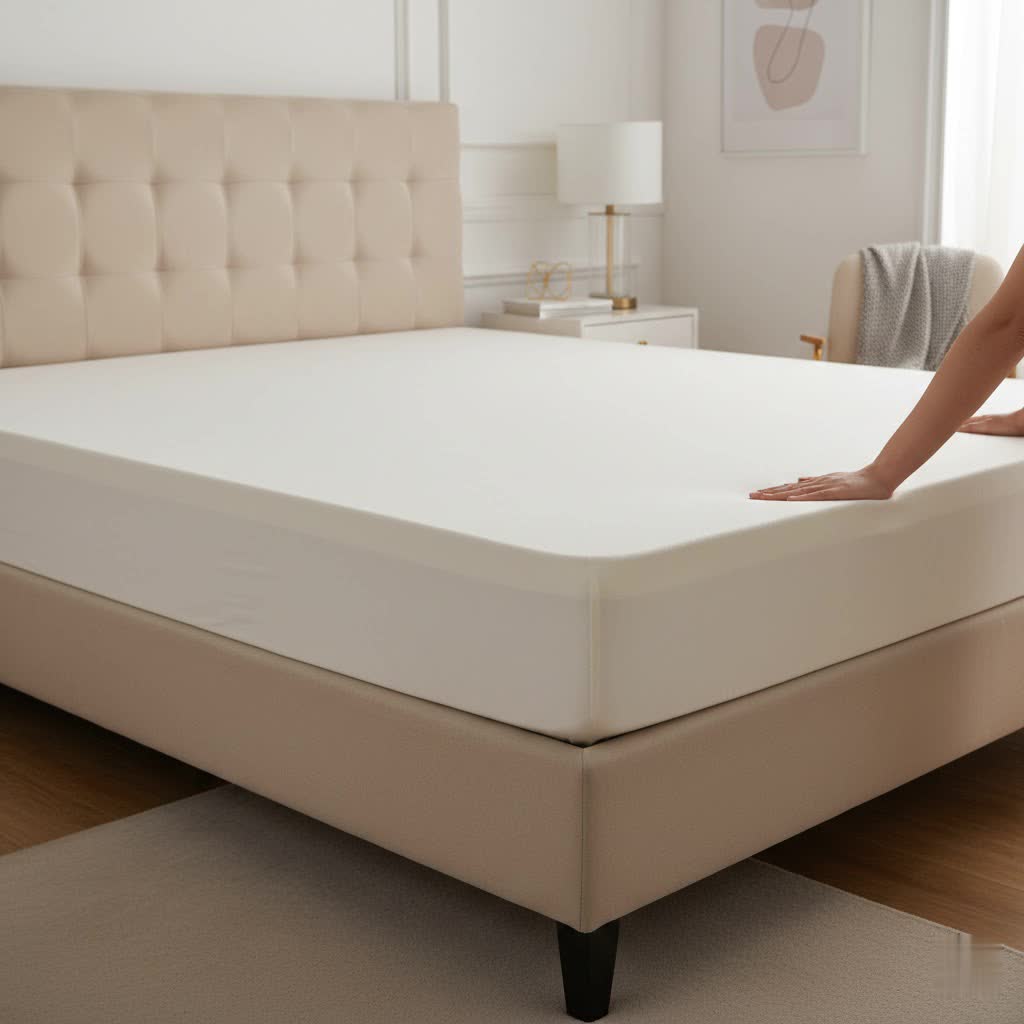
Waking up feeling refreshed shouldn’t be a luxury, yet for many, daily aches and restless nights are a common reality. If your mattress isn’t providing the cushioning and support your body truly craves, a pressure relief mattress topper might be the transformative solution you’ve been seeking. This essential bedding accessory can revitalize your sleep surface, alleviating discomfort and promoting restorative rest by distributing your body weight more evenly. It’s a surprisingly simple upgrade that can significantly impact your overall well-being, transforming your bed into a sanctuary of comfort and healing.
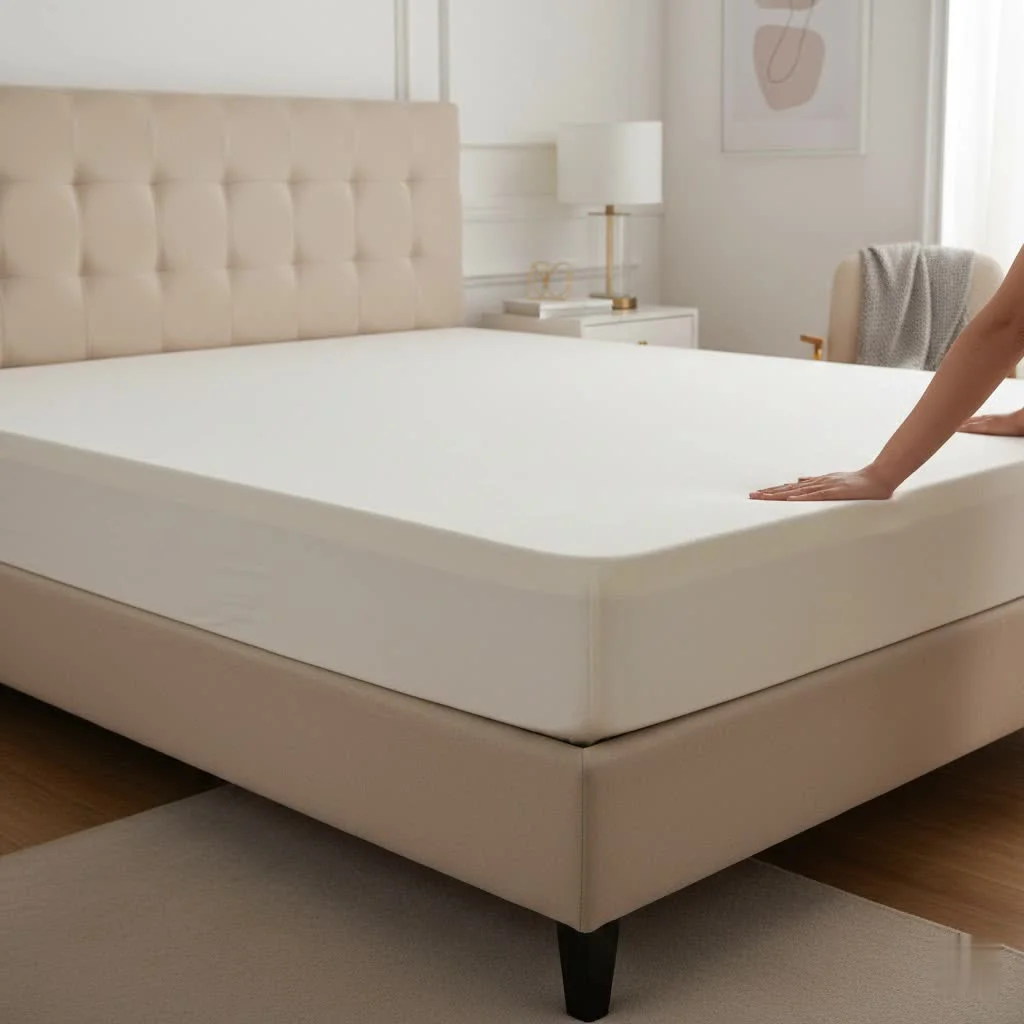
Understanding Pressure Relief Mattress Toppers
A pressure relief mattress topper is a specialized layer designed to be placed directly on top of your existing mattress. Unlike a thin mattress pad, toppers are typically thicker and constructed with materials specifically engineered to contour to your body’s unique shape. Their primary function is to minimize the force exerted on sensitive areas like your shoulders, hips, and lower back, which are prone to developing pressure points during sleep. By cradling these vulnerable zones, a quality topper ensures your weight is distributed more broadly, reducing strain and promoting better circulation. This isn’t just about adding softness; it’s about intelligent support that adapts to your body, offering a therapeutic solution for various sleep-related discomforts. For more mattress toppers guides on this site.
Why Are Pressure Relief Mattress Toppers Essential?
Beyond just enhancing comfort, pressure relief mattress toppers play a crucial role in preventing a range of physical issues and improving overall sleep quality. For individuals who spend extended periods in bed due to illness, injury, or age, these toppers are vital in preventing pressure ulcers, often referred to as bedsores. By alleviating continuous pressure on specific areas, they help maintain healthy blood flow and protect skin integrity.
Furthermore, these toppers can significantly improve the longevity of your existing mattress by absorbing daily wear and tear. This makes them a cost-effective alternative to purchasing a new mattress if yours is merely too firm or has developed minor sags. They provide an adaptable surface that can make an old bed feel new again, all while ensuring your body receives the optimal support it needs for truly rejuvenating sleep.
Who Can Benefit Most from Pressure Relief Mattress Toppers?
While anyone can enjoy the added comfort of a pressure relief mattress topper, certain individuals will find them particularly transformative. These toppers are like specialized cushions designed to address specific needs, turning restless nights into peaceful slumber.
- Chronic Pain Sufferers: If you live with persistent back pain, joint discomfort, fibromyalgia, or arthritis, a pressure relief topper can be a game-changer. By cushioning painful areas and promoting spinal alignment, it reduces the pressure that exacerbates these conditions, allowing muscles and joints to relax and recover.
- Side Sleepers: Side sleepers often experience significant pressure on their shoulders and hips, as these are the primary contact points with the mattress. A contouring pressure relief topper provides the necessary give to cushion these areas while still supporting proper spinal alignment, preventing morning stiffness and discomfort.
- Individuals with Limited Mobility: For those who are bedridden or have limited mobility, the risk of developing pressure ulcers or bedsores is a serious concern. Medical-grade pressure relief toppers, especially those with alternating air cells, are crucial in preventing these painful skin conditions by continuously redistributing pressure across the body.
- The Elderly: As we age, our skin becomes thinner and more fragile, and bones and joints can become more sensitive. An elderly person benefits greatly from the gentle support and cushioning provided by a pressure relief topper, which minimizes discomfort and reduces the risk of skin breakdown.
- Post-Surgery Recovery: Recovering from surgery often involves extended periods of rest and limited movement. A pressure relief topper can provide essential comfort and support during this crucial healing phase, helping to manage pain and prevent complications associated with prolonged bed rest.
- Athletes and Active Individuals: For those with an active lifestyle, proper recovery is key. A pressure relief topper aids in muscle recovery by reducing pressure on fatigued areas, allowing for deeper relaxation and more effective restoration.
Types of Pressure Relief Mattress Toppers
The world of pressure relief mattress toppers offers a diverse range of materials, each with its unique characteristics and benefits. Understanding these differences is key to selecting the perfect match for your sleep style and needs.
Memory Foam Mattress Toppers
|
Our Picks for the Best Mattress Topper in 2026
As an Amazon Associate I earn from qualifying purchases.
|
||
| Num | Product | Action |
|---|---|---|
| 1 | 4 Inch Memory Foam Mattress Topper, Cooling Extra Thick 2000 GSM Pillow Top Mattress Pad for Back Pain Relief,Soft Breathable Mattress Cover for Fluffy Shredded Memory Foam Filled,(King,78“x80”) |

|
| 2 | EASELAND Queen Size Mattress Pad Pillow Top Mattress Cover Quilted Fitted Mattress Protector Cotton Top Stretches up 8-21" Deep Pocket Cooling Mattress Topper (60x80 inch, White) |
|
| 3 | Dual Layer 4 Inch Memory Foam Mattress Topper King Size, 2" Cooling Gel Memory Foam & 2" Pillow Top, Mattress Pad Cover for Back Pain Relief, CertiPUR-US Certified, Deep Pocket Fits 21", White |
|
| 4 | 3 Inch Ultra-Fluffy Memory Foam Mattress Topper Queen for Back Pain, Soft Comfy Pillow Top Queen Mattress Topper with 4X Support, Mattress Pad with Breathable Air Mesh Sides, 6-21'' Deep Pocket |
|
| 5 | 4 Inch Memory Foam Mattress Topper - Extra Thick 2000 GSM Pillow Top Mattress Topper Body-Contouring Support for Back Pain Relief,Breathable Cover with 6"-18" Deep Pocket (Queen,60"x80") |
|
| 6 | LINENSPA Memory Foam Mattress Topper - 3 Inch Gel Infused Memory Foam - Plush Feel - Cooling and Pressure Relieving - CertiPUR Certified - Dorm Room Essentials - Queen Size |
|
| 7 | SINWEEK 2 Inch Gel Memory Foam Mattress Topper Ventilated Soft Pressure Relieve Mattress Pad, Breathable Bed Topper, CertiPUR-US Certified, Twin Size |
|
| 8 | 5 Inch Mega Support Memory Foam Queen Mattress Topper for Pressure Relief, Dual Layer 2.5" Pillow Top Mattress Topper Queen Plus 2.5" Cooling Gel Infused Memory Foam Mattress Pad |
|
| 9 | 2 Inch Thick Mattress Topper Queen - Viscose Made from Bamboo Pillow Top Memory Foam Mattress Pad for Back Pain, Ultra Soft & Cooling for Hot Sleepers, 6-18'' Deep Pocket, Green |
|
| 10 | LINENSPA Memory Foam Mattress Topper - 2 Inch Gel Infused Memory Foam - Plush Feel - Cooling and Pressure Relieving - CertiPUR Certified - Dorm Room Essentials - Queen Size |
|
Memory foam is perhaps the most well-known material for pressure relief. Developed by NASA, this viscoelastic foam reacts to body heat and pressure, molding precisely to your contours. This deep cradling effect distributes weight evenly, making it excellent for alleviating pressure points and providing a feeling of being hugged by your bed.
- Pros: Exceptional contouring and pressure relief, excellent motion isolation (you won’t feel your partner move).
- Cons: Can retain heat, making some sleepers feel warm. Some may find it difficult to change positions due to the “sinking” sensation.
- Variants: Many brands now offer gel-infused memory foam or memory foam with open-cell structures to combat heat retention, promoting a cooler sleep experience.
Latex Mattress Toppers
Latex toppers, made from either natural rubber tree sap or synthetic compounds, are renowned for their unique blend of responsiveness and pressure relief. They offer a bouncier feel than memory foam while still conforming to the body.
- Pros: Highly durable, breathable, excellent temperature regulation, naturally hypoallergenic (especially natural latex), provides responsive support without a “stuck” feeling.
- Cons: Generally more expensive than other types. Natural latex can have a distinct, though usually mild, odor initially.
- Types: Talalay latex is often softer and more breathable, while Dunlop latex is typically denser and firmer.
Gel-Infused Mattress Toppers
While often combined with memory foam, gel itself can be a distinct feature in toppers. Gel-infused toppers are designed specifically to address the common complaint of heat retention in traditional foam.
- Pros: Significantly improves cooling properties, disperses body heat, can add a unique bouncy or supportive feel depending on the gel type (liquid gel, gel beads).
- Cons: Pressure relief benefits are often tied to the base foam material.
Air-Filled and Alternating Pressure Toppers
These advanced toppers are often found in medical settings but are available for home use, especially for those at high risk of pressure ulcers. They feature interconnected air cells that can be manually or electronically adjusted. Alternating pressure systems automatically inflate and deflate different cells, constantly shifting pressure points.
- Pros: Superior pressure redistribution for immobile individuals, actively prevents bedsores, improves circulation.
- Cons: Can be noisy (if powered), more expensive, requires a power source for alternating systems.
Other Types of Mattress Toppers
- Polyfoam: A synthetic foam that offers some cushioning and pressure relief at a lower price point. However, it’s generally less durable and less contouring than memory foam or latex.
- Down/Down Alternative: These toppers provide a plush, cloud-like softness but offer minimal structural support or targeted pressure relief. They are more about adding a luxurious, soft layer rather than therapeutic benefits.
Choosing the Perfect Pressure Relief Mattress Topper
Selecting the right pressure relief mattress topper is a personal journey, as what feels perfect for one person might not suit another. Consider these key factors to ensure you make an informed decision that leads to your best sleep ever.
Choose the Right Material
The core of any pressure relief topper lies in its material.
- Memory Foam: Opt for memory foam if you desire a deep, cradling sensation that molds precisely to your body, offering superior pressure point relief. Look for gel-infused or open-cell varieties if you tend to sleep hot.
- Latex: Choose latex for a balance of buoyant support and contouring. It’s an excellent choice if you prefer a more responsive feel, value natural materials, and need good temperature regulation.
- Gel-Infused (as a primary material or significant feature): If overheating is your main concern, prioritize toppers specifically designed with advanced gel technology to ensure maximum heat dissipation.
- Air-Filled/Alternating Pressure: These are best suited for individuals with significant mobility limitations or a high risk of pressure ulcers, providing active and dynamic pressure redistribution.
Determine the Right Thickness
Topper thickness directly influences the level of pressure relief and how much it alters your mattress’s feel.
- Thin (1-2 inches): Offers a subtle increase in softness and minor pressure relief. Ideal for slightly firm mattresses or those who only need a small comfort boost.
- Medium (2-4 inches): A popular choice for a noticeable improvement in pressure relief and comfort. This range works well for most sleepers looking to soften a firm mattress or add significant cushioning.
- Thick (4+ inches): Provides the most substantial change to your bed’s feel and offers profound pressure relief, often recommended for significantly worn mattresses or individuals with severe pain and high-risk pressure points.
Select the Ideal Firmness Level
Firmness is crucial for proper spinal alignment and effective pressure relief. It’s not about choosing the softest option; it’s about finding the right balance.
- Soft to Medium-Soft: Best for side sleepers and lighter individuals who need extra cushioning for shoulders and hips to prevent pressure buildup.
- Medium to Medium-Firm: A versatile choice that offers excellent support and contouring for back sleepers and many combination sleepers. It provides enough give to relieve pressure without allowing you to sink too deeply.
- Firm: While less common for pressure relief alone, a firm topper can add essential support to an overly soft or sagging mattress, which can indirectly help with alignment-related pressure issues.
Your body weight also plays a role; heavier individuals may need a slightly firmer topper to prevent bottoming out, while lighter individuals might find a softer topper more effective for contouring.
Consider Cooling Features
Overheating can disrupt sleep and negate the benefits of pressure relief. Many toppers now incorporate cooling technologies:
- Gel Infusions: Often found in memory foam, gel helps to draw heat away from the body.
- Open-Cell Construction: A more breathable foam structure promotes airflow.
- Natural Latex: Inherently more breathable and less prone to trapping heat than traditional memory foam.
- Breathable Covers: Toppers with covers made from bamboo, Tencel, or other moisture-wicking fabrics can enhance cooling.
Check for Certifications
For your health and peace of mind, look for recognized certifications, especially with foam products.
- CertiPUR-US: Guarantees that memory foam and polyfoam are made without harmful chemicals like ozone depleters, heavy metals, formaldehyde, and certain flame retardants, and have low VOC (Volatile Organic Compound) emissions.
- Oeko-Tex Standard 100: Ensures that every component of the product, from fabric to thread, has been tested for harmful substances and is harmless in human ecological terms.
Ensure Size Compatibility
This may seem obvious, but always double-check that the topper dimensions perfectly match your mattress size (Twin, Full, Queen, King, California King). A topper that is too small will leave unsupported areas, while one that is too large will hang over the edges, creating an uneven and uncomfortable sleep surface. Many toppers also come with straps or non-slip backings to prevent shifting.
Comparing Popular Pressure Relief Mattress Toppers
To help you visualize the differences, here’s a comparative overview of the most common types of pressure relief mattress toppers:
| Feature | Memory Foam | Latex | Air/Hybrid (Medical Grade) | Synthetic (Polyfoam/Fibers) |
|---|---|---|---|---|
| Pressure Relief | Excellent (deep contouring) | Excellent (responsive contouring) | Superior (dynamic redistribution) | Moderate (basic cushioning) |
| Breathability | Low to Medium (improved with gel/open-cell) | High (naturally porous) | High (air circulation) | Low to Medium |
| Durability | Medium to High | High | Medium (depends on components) | Low |
| Cost | Medium | High | High | Low |
| Support | Good (conforming) | Excellent (responsive & supportive) | Excellent (customizable & dynamic) | Basic (can compress over time) |
| Ease of Care | Spot clean (covers often washable) | Spot clean (covers often washable) | Varies (some components washable) | Machine washable (fibers), spot clean (foam) |
Top Pressure Relief Mattress Topper Picks
While we cannot recommend specific brands here, when you’re ready to explore options, look for highly-rated products within each material category. Read user reviews focusing on pressure relief for specific conditions (e.g., side sleepers with hip pain) and look for certifications that guarantee material safety and quality.
Tips for Using and Maintaining Your Pressure Relief Mattress Topper
To maximize the lifespan and effectiveness of your pressure relief mattress topper, proper care and usage are essential. A well-maintained topper will continue to provide the comfort and support you rely on for years to come.
Placement and Securing
Ensure your topper is placed directly on top of your mattress. Many toppers come with elastic straps on the corners or a non-slip backing to keep them securely in place. If yours doesn’t, consider adding a deep-pocket fitted sheet that can encompass both your mattress and the topper to prevent shifting. An unshifted topper ensures consistent pressure relief across your entire body, preventing discomfort from bunched-up material.
Cleaning and Care
Always refer to the manufacturer’s specific cleaning instructions, as care varies significantly by material.
- Memory Foam and Latex: These materials generally cannot be machine washed. Spot clean spills immediately with a mild detergent and allow them to air dry completely to prevent mold or mildew. A removable, washable cover is highly recommended and often included.
- Down and Synthetic Fiber: Some down alternative and synthetic fiber toppers may be machine washable, but often require large-capacity machines and careful drying to prevent clumping.
- Air-Filled Toppers: Follow medical device cleaning protocols, which usually involve wiping surfaces with approved disinfectants.
Airing and Rotating
Regularly air out your topper by removing your bedding for a few hours. This helps to dissipate moisture and odors. If your topper is not designed with specific zones, rotating it head-to-foot every few months can help distribute wear evenly, prolonging its life and maintaining consistent support.
When to Replace Your Topper
Even the best toppers have a lifespan. You’ll know it’s time for a replacement when:
- It no longer provides adequate pressure relief, and you start feeling your mattress underneath.
- It develops noticeable sags, indentations, or becomes lumpy.
- You consistently wake up with aches and pains that were previously alleviated by the topper.
The lifespan typically ranges from 3 to 5 years, but high-quality latex toppers can last significantly longer.
Conclusion
Investing in a pressure relief mattress topper is an investment in your health and well-being. By understanding the various materials, considering your personal sleep needs, and prioritizing features like thickness, firmness, and cooling properties, you can select an overlay that truly transforms your sleep experience. From preventing painful bedsores to alleviating chronic back pain, the right topper can make a profound difference, ensuring your body receives the natural, contouring support it needs for truly restorative rest. Don’t underestimate the power of a superior sleep surface.
Ready to unlock nights of uninterrupted comfort and pain-free mornings? Which pressure relief mattress topper feature will you prioritize in your quest for the perfect sleep?
Frequently Asked Questions
How does a pressure relief mattress topper prevent bedsores?
A pressure relief mattress topper prevents bedsores by evenly distributing your body weight across a larger surface area, reducing concentrated pressure on vulnerable points like hips, shoulders, and heels. This even distribution helps maintain healthy blood flow to the skin, which is crucial for preventing tissue breakdown and the formation of pressure ulcers.
Can a pressure relief mattress topper help with back pain?
Yes, a pressure relief mattress topper can significantly help with back pain by contouring to the natural curves of your spine and cushioning pressure points. This support promotes proper spinal alignment and reduces strain on the lower back, allowing muscles to relax and alleviate discomfort.
What’s the best material for a cooling pressure relief mattress topper?
For cooling and pressure relief, natural latex is often considered the best material due to its open-cell structure that allows for excellent airflow. Gel-infused memory foam is another strong contender, as the gel helps to dissipate heat, offering a cooler alternative to traditional memory foam while still providing contouring comfort.
How thick should a pressure relief mattress topper be?
The ideal thickness for a pressure relief mattress topper typically ranges from 2 to 4 inches for general use. For more significant pain relief, a severely worn mattress, or for individuals with limited mobility at higher risk of pressure ulcers, a thicker topper of 4 to 6 inches, or even medical-grade options up to 8 inches, may be more beneficial.
Get our weekly buyer guide
Practical specs, not advice. Unsubscribe anytime.
